
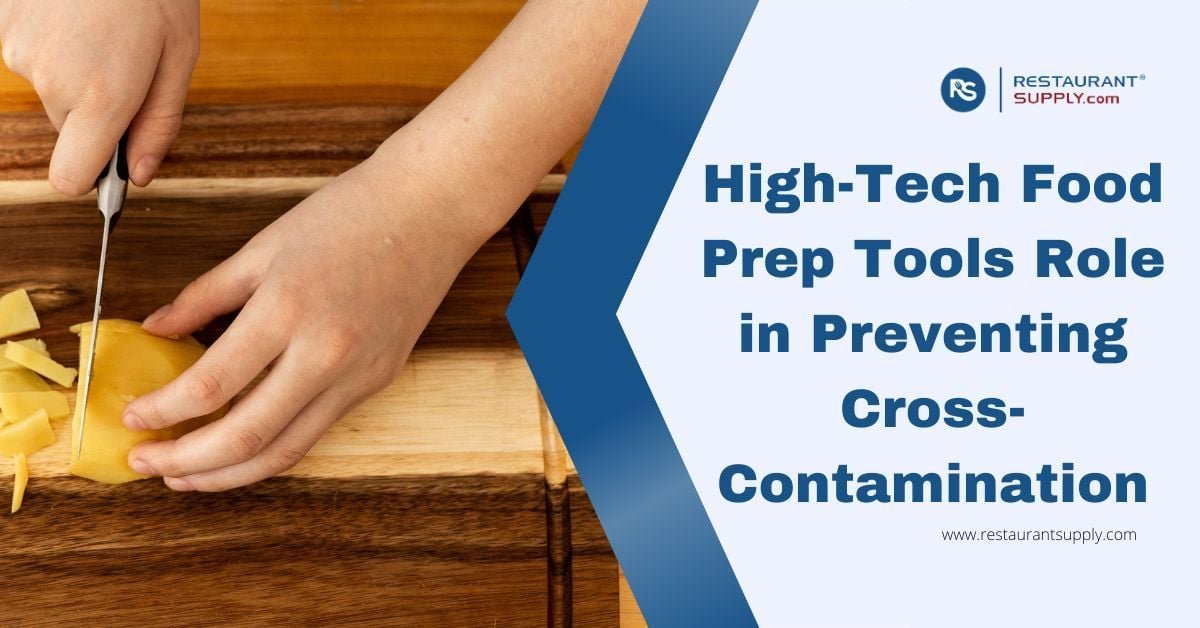
When you prepare meals, keeping your food safe is key. Cross-contamination can turn a healthy meal into a risk for illness without you even realizing it.
But don’t worry—by making a few simple changes in your kitchen routine, you can protect yourself and your loved ones. You’ll discover easy and effective ways to prevent cross-contamination during meal prep. Stick with me, and you’ll feel confident every time you cook, knowing your food stays clean and safe.
Let’s dive in!
:max_bytes(150000):strip_icc()/food-safety-mistakes-GettyImages-1443850463-77acd4c781ac41e2a4960443b295593b.jpg)
Credit: www.realsimple.com
Common Sources Of Cross-contamination
Cross-contamination occurs when harmful bacteria spread from one item to another. It is a common issue in meal prep areas.
Understanding its sources helps keep your meals safe and healthy. Let’s explore these sources.
Raw Meat And Poultry Risks
Raw meat and poultry often carry harmful bacteria. These bacteria can easily spread to other foods.
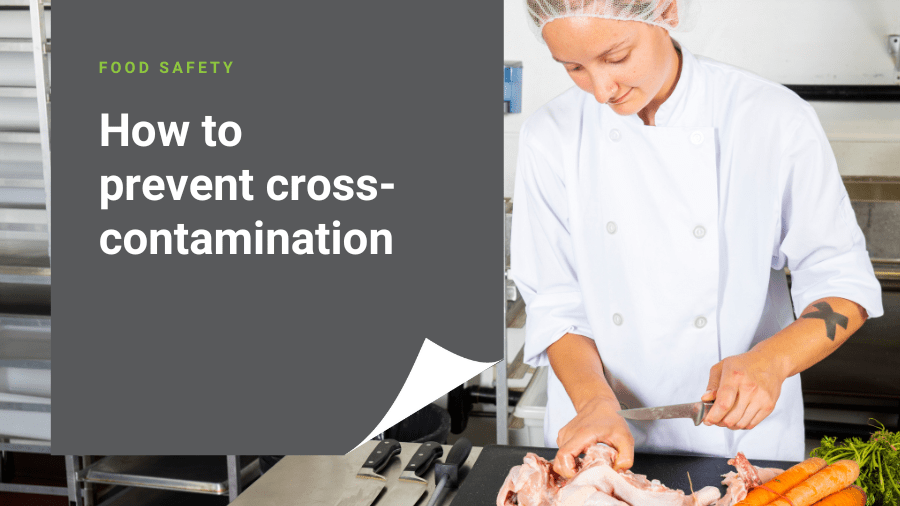
Always use separate cutting boards for raw meat. Wash hands after handling meat to prevent contamination.
- Keep meat and poultry in sealed containers
- Use a thermometer to check meat temperature
- Cook meat thoroughly to kill bacteria
Contaminated Utensils And Surfaces
Utensils and surfaces can spread bacteria if not cleaned. Use clean utensils for each type of food.
Disinfect cutting boards and countertops after use. This stops bacteria from spreading to other foods.
- Wash utensils in hot, soapy water
- Use separate sponges for dishes and surfaces
- Sanitize surfaces with a mild bleach solution
Improper Storage Practices
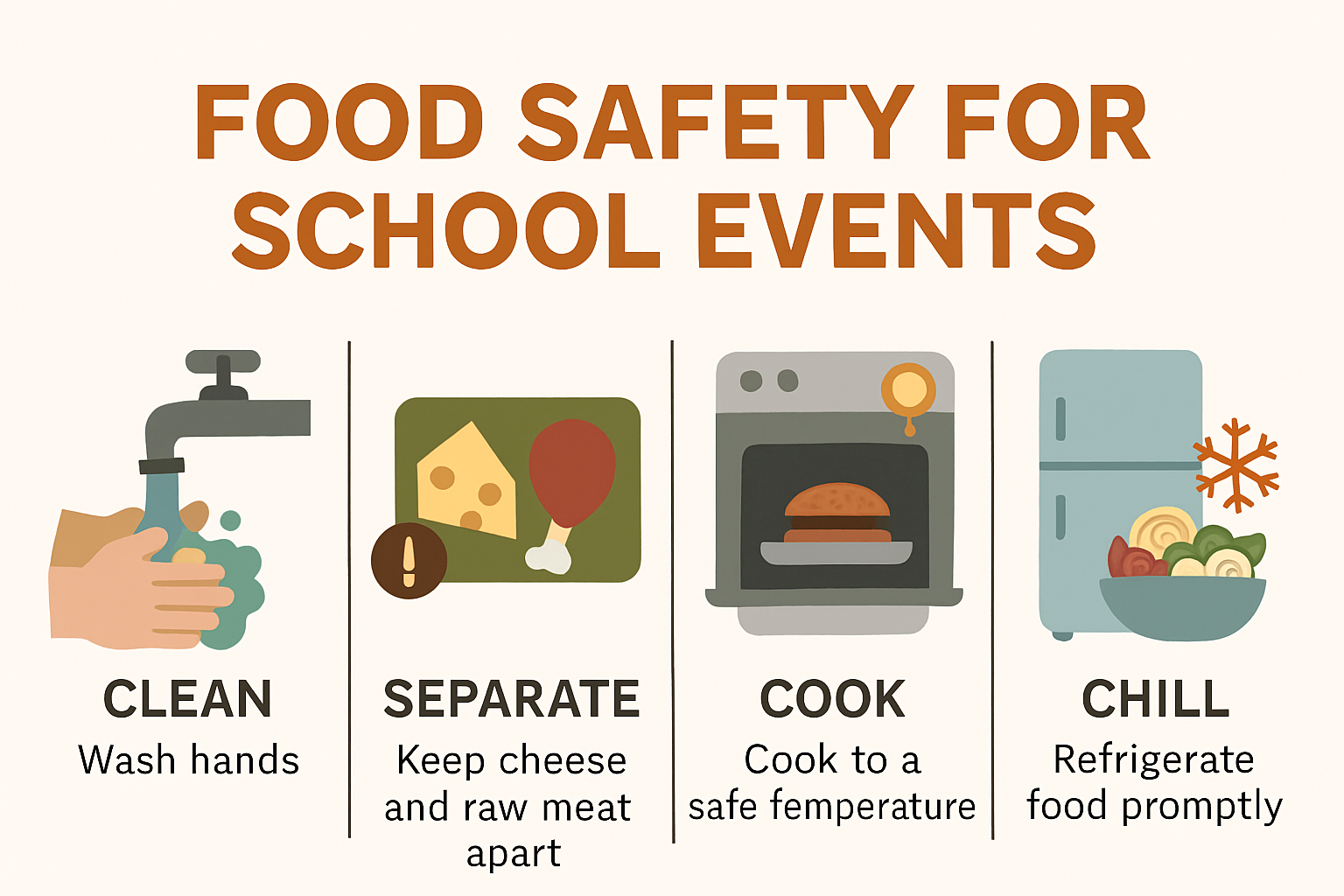
Incorrect storage can lead to cross-contamination. Store raw meat below ready-to-eat foods in the fridge.
Use airtight containers to keep foods separate. This prevents bacteria from spreading through the air.
- Label containers with the date
- Check fridge temperature is below 40°F
- Avoid overcrowding the fridge
Safe Food Handling Techniques
Cross-contamination can cause foodborne illnesses. It happens when germs spread from one food to another. Safe food handling helps keep your meals safe.
Simple habits in the kitchen reduce the risk. Use clean tools and proper methods to protect your food.
Washing Hands And Equipment
Clean hands stop germs from spreading to food. Always wash your hands before and after handling food.
Wash cutting boards, knives, and counters with hot soapy water. This removes bacteria and keeps your food safe.
- Use warm water and soap
- Scrub for at least 20 seconds
- Rinse and dry completely
- Wash hands after touching raw meat
- Clean equipment between tasks
Using Separate Cutting Boards
Use different cutting boards for raw meat and vegetables. This stops raw juices from touching ready-to-eat foods.
Color-coded boards help keep foods separate. Clean boards well after each use to avoid germs.
- Red board for raw meat
- Green board for vegetables
- Blue board for cooked foods
- Wash boards with hot soapy water after use
- Replace old or damaged boards
Proper Thawing Methods
Thaw food safely to stop bacteria growth. Never thaw food by leaving it out on the counter.
Use the refrigerator, cold water, or microwave to thaw food properly. Cook food right after thawing in cold water or microwave.
- Thaw in the refrigerator overnight
- Use cold water in a sealed bag, change water every 30 minutes
- Microwave thaw only if cooking immediately
- Do not refreeze food after thawing with cold water or microwave
Effective Cleaning And Sanitizing
Cross-contamination can cause foodborne illnesses. Cleaning and sanitizing are key to safe meal prep.
Proper cleaning removes dirt and germs. Sanitizing kills bacteria on surfaces and tools.
Choosing The Right Cleaning Agents
Pick cleaning agents that are safe and effective. Use products made for kitchen use.
Check labels to avoid harmful chemicals. Use detergents for removing grease and dirt.
- Use dish soap for dishes and utensils
- Choose surface cleaners for counters and tables
- Avoid cleaners with strong chemicals on food areas
Sanitizing Kitchen Tools
Sanitize knives, cutting boards, and utensils after each use. This stops bacteria spread.
Use a sanitizing solution or dishwasher with a sanitizing cycle. Let tools air dry.
- Prepare a bleach solution: 1 tablespoon bleach per 1 gallon water
- Soak tools for at least one minute
- Rinse with clean water before use
Maintaining Clean Workspaces
Keep counters and cutting areas clean during meal prep. Clean spills immediately.
Wipe surfaces with a cloth soaked in cleaning agent. Follow with a sanitizing wipe or spray.
- Clean before and after food prep
- Use separate cloths for different areas
- Replace sponges and cloths often
Credit: solpak.ca
Storage Strategies To Avoid Contamination
Proper storage helps keep your food safe and fresh. It stops germs from spreading between foods.
Using smart storage methods reduces the risk of cross-contamination in meal prep. This keeps your meals healthy.
Organizing The Refrigerator
Place raw meat, poultry, and fish on the bottom shelf. This prevents their juices from dripping on other foods.
Keep ready-to-eat foods on higher shelves. Store fruits and vegetables separately to avoid contact with raw items.
- Use separate shelves for raw and cooked foods
- Keep dairy products in the coldest part of the fridge
- Store fruits and vegetables in designated drawers
- Clean spills immediately to prevent bacteria growth
Using Airtight Containers
Airtight containers block air and germs from entering. They help keep food fresh longer.
Use clear containers to see what is inside without opening them. This reduces the chance of contamination.
- Choose containers with tight seals
- Use different containers for raw and cooked foods
- Wash containers well before reusing
- Do not overfill containers to allow proper sealing
Labeling And Dating Food Items
Label containers with the food name and date prepared. This helps track freshness and avoid spoiled food.
Use a marker or stickers that are easy to read. Throw away food that is past its safe storage time.
- Write the preparation date clearly
- Use a simple naming system for foods
- Check labels before using food
- Rotate older items to the front of the fridge
Temperature Control Tips
Keeping food at the right temperature stops germs from growing. This helps you avoid cross-contamination in meal prep.
Using proper temperature control keeps your meals safe to eat and tasty for longer.
Cooking To Safe Temperatures
Cooking food to the right temperature kills harmful bacteria. Each type of food needs a specific temperature.
Use a food thermometer to check if the food is cooked fully. Avoid guessing by color or texture.
- Chicken and turkey: 165°F (74°C)
- Ground beef and pork: 160°F (71°C)
- Fish: 145°F (63°C)
- Egg dishes: 160°F (71°C)
Cooling And Reheating Food Properly
Cool cooked food quickly to stop bacteria from growing. Do not leave food out for more than two hours.
Reheat food until it reaches 165°F (74°C) before eating. Heat food evenly to kill any germs.
- Divide large portions into smaller containers to cool faster
- Use shallow containers for quicker cooling
- Stir food while reheating to heat it evenly
Using Food Thermometers
Food thermometers help you measure the exact temperature of your food. This reduces the risk of undercooking or overcooking.
Clean your thermometer before and after use to avoid spreading germs. Use instant-read thermometers for fast checks.
- Insert thermometer into the thickest part of the food
- Wait for the reading to stabilize before checking
- Calibrate your thermometer regularly for accuracy
Personal Hygiene Practices
Keeping clean is very important when preparing food. Good hygiene stops germs from spreading.
Following simple hygiene rules helps keep meals safe to eat.
Handwashing Techniques
Washing your hands often removes dirt and germs. Use soap and warm water each time.
Rub your hands for at least 20 seconds. Clean under nails, between fingers, and wrists.
- Wet hands with clean water
- Apply soap and lather well
- Scrub all hand parts for 20 seconds
- Rinse hands thoroughly
- Dry with a clean towel or air dry
Avoiding Cross-contamination From Clothing
Clothes can carry germs from other places. Wear clean clothes before meal prep.
Use aprons or kitchen uniforms to protect your food from germs on clothes.
- Change into clean clothes before cooking
- Use aprons to cover your clothes
- Wash kitchen clothes regularly
- Avoid touching face or hair while cooking
Handling Food When Sick
Illness can spread to food and others. Avoid cooking if you feel sick.
If you must cook, wash hands often and avoid touching your face or mouth.
- Do not prepare food if you have a fever or diarrhea
- Cover coughs and sneezes with a tissue or elbow
- Wash hands after coughing or sneezing
- Wear a mask if possible when cooking
Credit: probeit.ca
Frequently Asked Questions
What Is Cross-contamination In Meal Prep?
Cross-contamination happens when harmful bacteria transfer between foods. It often occurs via raw meat touching ready-to-eat items. Preventing it keeps meals safe and reduces foodborne illness risks.
How Can I Avoid Cross-contamination With Cutting Boards?
Use separate cutting boards for raw meat and vegetables. Clean boards thoroughly with hot, soapy water after each use. This practice stops bacteria from spreading between foods.
Why Is Hand Washing Important During Meal Prep?
Washing hands removes germs and bacteria picked up from raw food. Clean hands prevent transferring contaminants to other ingredients. Always wash hands before and after handling raw meat.
Which Cleaning Products Effectively Prevent Cross-contamination?
Use hot water with soap or a food-safe disinfectant. These kill bacteria on surfaces and utensils. Avoid harsh chemicals that can leave harmful residues on food prep areas.
Conclusion
Preventing cross-contamination keeps your meals safe and healthy. Use separate cutting boards for raw and cooked foods. Always wash hands and utensils after handling raw meat. Store foods properly to avoid contact and bacteria spread. Clean surfaces often to stop germs from spreading.
These simple habits protect you and your family every day. Healthy meal prep starts with careful steps. Stay safe, eat well, and enjoy your food with peace of mind.