
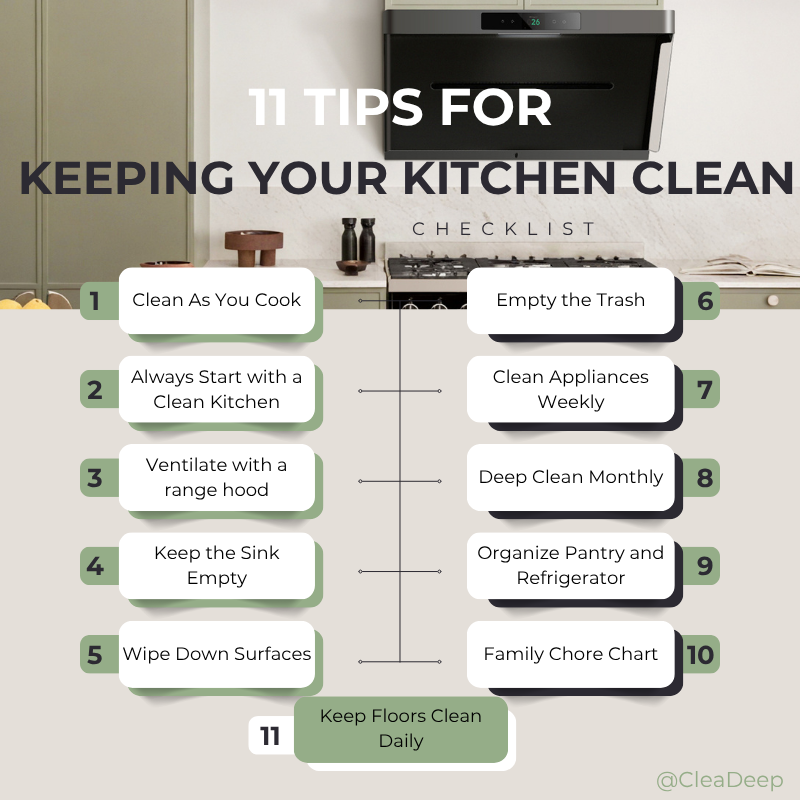
Keeping your utensils clean goes beyond just washing them with soap and water. If you want to protect your health and your family’s, disinfecting your utensils regularly is key.
But how do you do it effectively without spending too much time or effort? You’ll discover simple, practical tips that make disinfecting easy and quick. By the end, you’ll feel confident that your kitchen tools are not just clean, but truly safe to use every day.
Ready to learn how to keep your utensils germ-free with minimal hassle? Let’s dive in.
Choosing The Right Disinfectants
Keeping utensils clean is very important. Using the right disinfectants makes this easy and safe.
It’s key to pick disinfectants that are effective and safe for your family.
Safe Chemical Options
Chemicals are powerful against germs. You need to choose them carefully.
Look for disinfectants approved by health agencies. These are safe and effective.
- Chlorine bleach solutions are common and effective
- Hydrogen peroxide is a safe option for many surfaces
- Quaternary ammonium compounds are gentle on utensils
Natural Alternatives
Natural options are good for those avoiding chemicals. They are safe and eco-friendly.
These options can be effective when used properly. They are also less harsh.
- Vinegar is a natural disinfectant for many surfaces
- Lemon juice has natural antibacterial properties
- Essential oils like tea tree oil can kill some bacteria
Effectiveness Against Germs
Not all disinfectants work the same. It’s important to know their effectiveness.
Check labels for germ-killing claims. Some disinfectants target specific bacteria and viruses.
- Look for “kills 99.9% of germs” on labels
- Use products that list specific pathogens
- Follow instructions for best results
Proper Cleaning Before Disinfecting
Cleaning utensils well before disinfecting is very important. Dirt and food leftover can stop disinfectants from working right.
Follow simple cleaning steps to make sure utensils are safe and clean before you disinfect them.
Removing Food Residue
Remove all food bits from utensils before cleaning. Leftover food can hide germs and make cleaning hard.
Use a scraper or brush to get rid of stuck-on food. Rinse utensils under running water to clear loose pieces.
Using Hot Water And Soap
Hot water helps remove grease and kills some germs. Soap breaks down oils and dirt on utensils.
Wash utensils in hot soapy water for at least 20 seconds. Make sure to cover all surfaces for best cleaning.
Scrubbing Techniques
Scrub utensils carefully to remove all dirt and germs. Use a clean sponge or brush with firm strokes.
- Focus on corners and edges where dirt hides
- Use circular motions to clean better
- Change sponges or brushes often to avoid spreading germs
Effective Disinfection Methods
Keeping utensils clean is important to stop germs from spreading. Disinfecting regularly helps keep your kitchen safe and healthy.
Use easy and effective ways to disinfect your utensils. These methods kill bacteria and viruses well.
Soaking In Bleach Solution
Bleach is a strong disinfectant that kills many germs quickly. Make a solution with bleach and water to soak utensils.
Use one tablespoon of bleach per gallon of water. Soak utensils for at least one minute. Rinse well with clean water before use.
- Use gloves to protect your skin
- Prepare the solution fresh each time
- Do not mix bleach with other cleaners
- Keep the area ventilated
Using Vinegar And Baking Soda
Vinegar and baking soda are natural cleaners that help disinfect utensils. They remove dirt and kill some germs.
Sprinkle baking soda on utensils. Then spray vinegar and let it bubble. Scrub and rinse with warm water for clean utensils.
- Use white vinegar for best results
- Mix small batches to keep fresh
- Good for plastic and metal utensils
- Repeat weekly to maintain cleanliness
Dishwasher Sanitizing Cycles
Many dishwashers have a sanitizing cycle. This cycle uses very hot water to kill germs on utensils.
Load utensils properly and select the sanitize option. This method saves time and cleans deeply.
- Use dishwasher-safe utensils only
- Check your dishwasher manual for sanitize settings
- Use a good dishwasher detergent
- Keep the dishwasher clean to work well
Credit: www.lemon8-app.com
Frequency Of Disinfection
Disinfecting utensils regularly keeps your kitchen safe and clean. It helps stop the spread of germs and bacteria.
Knowing how often to disinfect is important. Different situations need different cleaning times.
Daily Practices
Utensils used every day need regular cleaning. Wash and disinfect them after each use to stay safe.
Use hot soapy water and a disinfectant spray or solution. This removes germs and food residue well.
- Clean utensils after each meal
- Disinfect cutting boards and knives daily
- Sanitize handles and grips often
After Handling Raw Foods
Raw foods like meat and fish carry harmful bacteria. Clean utensils right after using them with raw foods.
Disinfecting stops bacteria from spreading to other foods. Use hot water and strong disinfectants for best results.
- Wash knives and cutting boards immediately
- Use separate utensils for raw and cooked foods
- Disinfect sinks and work surfaces after contact
Special Situations
Some times need extra care. For example, during illness or food allergies, disinfect utensils more often.
Also, clean utensils after contact with pets or outdoor food items. This helps keep germs away.
- Disinfect after someone is sick in the home
- Clean utensils after handling pet food or treats
- Sanitize after outdoor cooking or picnics
Drying And Storage Tips
Keeping utensils clean is important for health. Drying and storing utensils properly helps stop germs.
Good drying and storage prevent bacteria from growing on your kitchen tools.
Air Drying Vs Towel Drying
Air drying lets utensils dry naturally. It uses no towels and avoids extra germs.
Towel drying is faster but can transfer germs from the cloth to utensils.
- Air drying reduces risk of contamination
- Towel drying needs clean, dry towels
- Air drying uses less effort and energy
- Towel drying is best if utensils must be used soon
Safe Utensil Storage
Store utensils in a clean, dry place. Avoid damp areas to stop mold and bacteria.
Use holders or drawers that keep utensils upright and separate. This keeps them clean and ready.
- Keep storage areas dry and well-ventilated
- Use utensil holders with good airflow
- Separate clean and used utensils
- Regularly clean storage spaces
Avoiding Cross-contamination
Use different utensils for raw and cooked food. This stops germs from spreading.
Clean utensils right after use. Store them separately to keep food safe.
- Label or color-code utensils for different foods
- Wash utensils thoroughly after each use
- Do not mix clean and dirty utensils
- Use separate drying racks if possible

Credit: www.yahoo.com
Maintaining Utensil Hygiene Habits
Keeping utensils clean is important for health. Regularly disinfecting them helps stop germs from spreading.
Good hygiene habits make your kitchen safer. This guide shares tips to maintain clean utensils every day.
Regular Inspection For Damage
Check utensils often for cracks, chips, or rust. Damaged tools can hide dirt and germs.
Replace or fix any utensil that looks worn out. This keeps your kitchen safe and clean.
Replacing Old Utensils
Old utensils lose their quality and can carry bacteria. Change them regularly to avoid health risks.
- Set a schedule to replace items every few years
- Discard utensils with stains that don’t wash off
- Use materials that are easy to clean and durable
Educating Household Members
Teach everyone how to clean and disinfect utensils properly. Shared knowledge keeps the kitchen safe.
- Show the right cleaning steps for each utensil
- Explain why disinfecting is important
- Encourage regular checking and replacing old tools
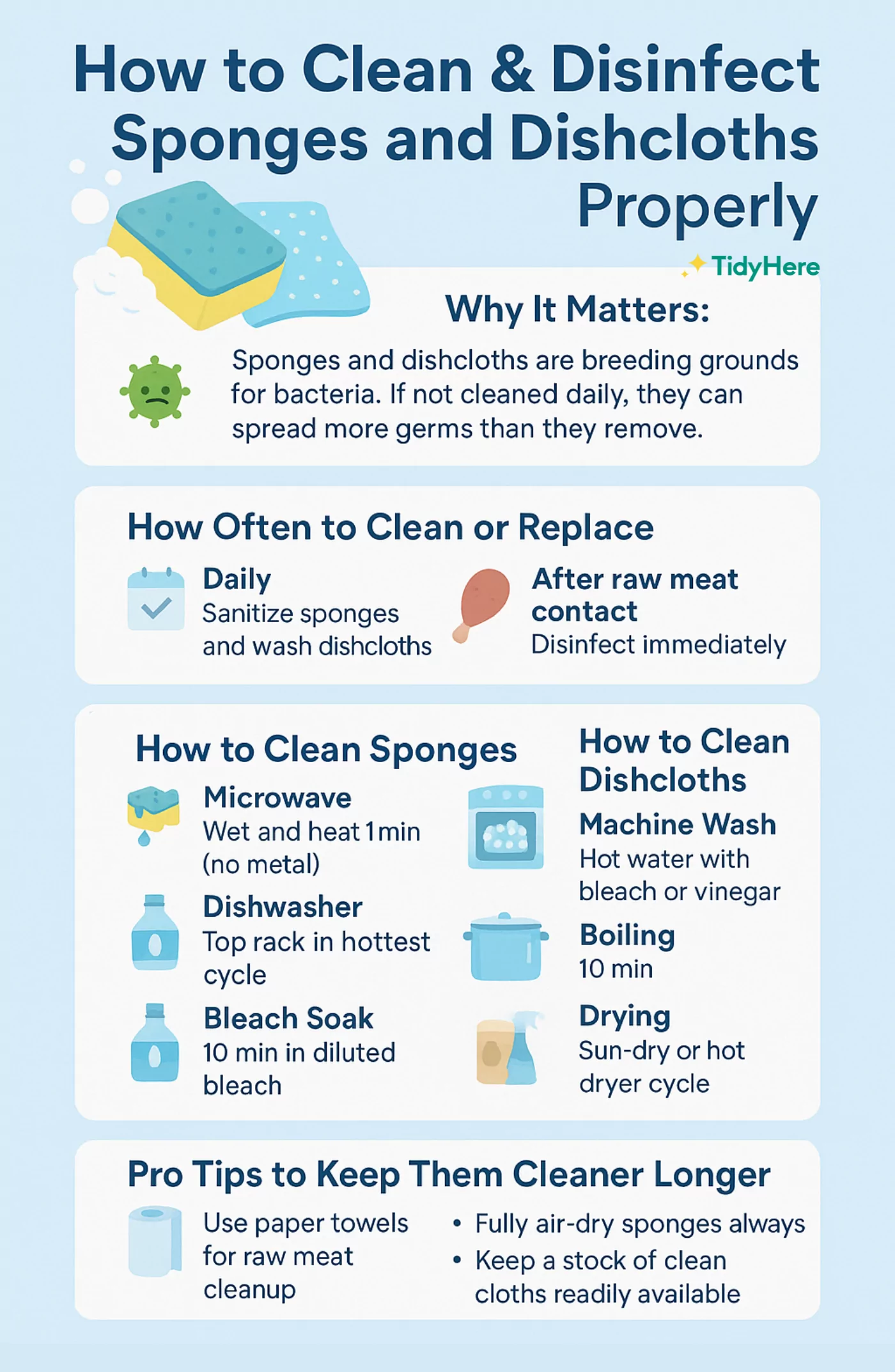
Credit: tidyhere.com
Frequently Asked Questions
How Often Should I Disinfect Kitchen Utensils?
Disinfect utensils after every use to prevent bacteria buildup. Regular cleaning reduces contamination risks and keeps your kitchen hygienic. For heavy use, disinfect multiple times daily. This practice ensures food safety and health protection.
What Are The Best Disinfectants For Utensils?
Use diluted bleach, vinegar, or commercial kitchen sanitizers. These effectively kill germs without harming utensils. Always follow product instructions for safe use. Avoid harsh chemicals that can damage utensil surfaces or leave harmful residues.
Can Dishwasher Sanitize Utensils Effectively?
Yes, dishwashers with a sanitize cycle kill most bacteria. High water temperatures and detergents ensure thorough cleaning. However, hand wash delicate utensils to prevent damage. Regular dishwasher use helps maintain utensil hygiene effortlessly.
Is Boiling Water Sufficient For Disinfecting Utensils?
Boiling water kills most germs on utensils effectively. Submerge utensils in boiling water for at least one minute. This method is chemical-free and safe for many materials. Use boiling for quick, natural disinfection when needed.
Conclusion
Regularly cleaning and disinfecting utensils keeps your kitchen safe. It stops germs from spreading and protects your health. Use simple steps like washing with hot water and using safe disinfectants. Dry utensils properly to avoid bacteria growth. Small habits make a big difference in hygiene.
Keep your cooking tools clean every day for peace of mind. Clean utensils mean safer meals for you and your family. Stay consistent and make cleanliness a routine. Good habits lead to a healthier home environment.