
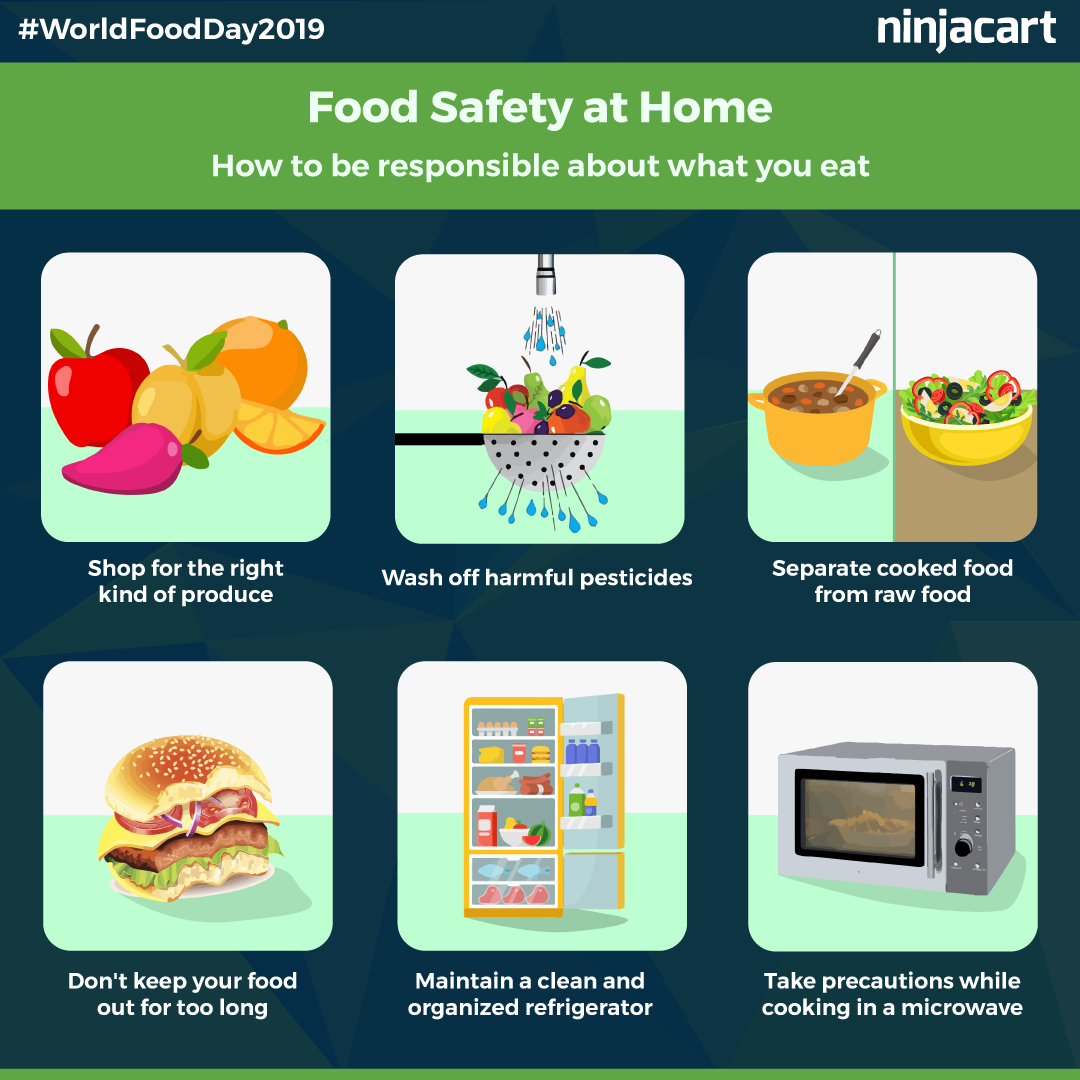
Imagine preparing a delicious meal only to find out later that harmful bacteria spoiled it. This can happen if raw and cooked foods mix, leading to cross-contamination.
You might not see the danger, but it’s there, waiting to cause foodborne illnesses. Protecting yourself and your loved ones starts with simple steps you can take right now. You’ll learn exactly how to keep raw and cooked food separate, safe, and fresh.
Keep reading—you’ll discover easy tips that could save your health and make your kitchen safer every day.
Causes Of Cross-contamination
Cross-contamination happens when harmful bacteria spread. It can occur between raw and cooked food. This is a common cause of foodborne illnesses.
Keeping raw and cooked foods separate is important. It helps prevent the spread of bacteria in the kitchen.
Common Sources In The Kitchen
Many items in the kitchen can cause cross-contamination. It’s important to be aware of these sources.
Raw meat, poultry, and seafood are common sources. They can spread bacteria to other foods and surfaces.
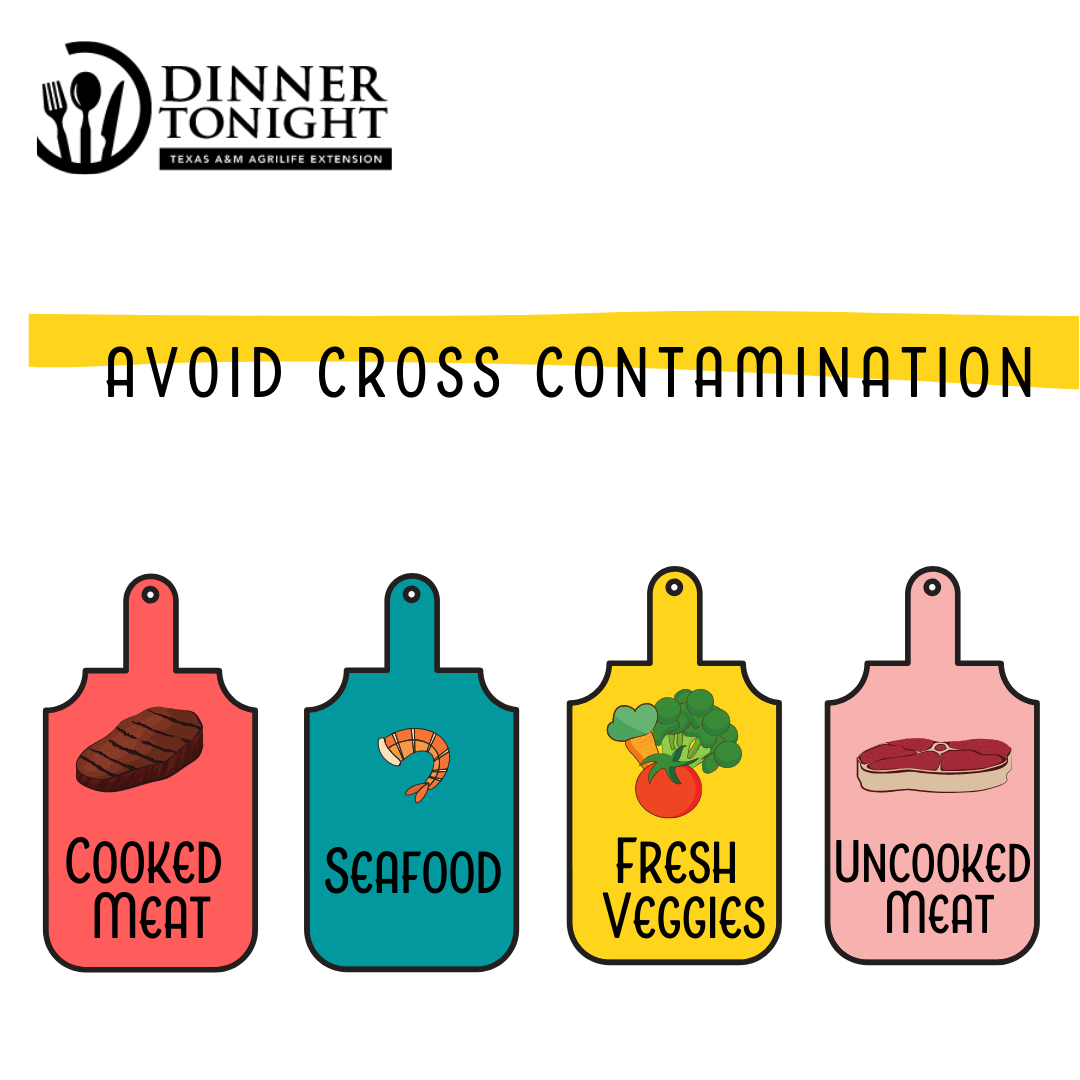
- Cutting boards used for raw meat
- Unwashed hands after handling raw food
- Shared containers for raw and cooked foods
Role Of Kitchen Tools And Surfaces
Kitchen tools can spread bacteria easily. Using the same tools for raw and cooked foods is risky.
Surfaces like countertops and sinks can also spread bacteria. Keeping them clean is essential to prevent contamination.
- Use separate utensils for raw and cooked foods
- Clean countertops regularly
- Sanitize sinks after washing raw food
Credit: dinnertonight.tamu.edu
Safe Food Handling Practices
Cross-contamination happens when germs move from raw food to cooked food. It can cause food poisoning.
Following safe food handling keeps food safe and healthy for eating.
Separate Storage Techniques
Store raw and cooked foods in different places to stop germs from spreading. Use separate containers and shelves.
Keep raw meat below cooked foods in the fridge. This stops juices from dripping onto ready-to-eat items.
- Use sealed containers for raw meat, poultry, and seafood
- Label containers clearly to avoid mix-ups
- Place raw foods on lower shelves in refrigerators
- Store cooked foods on upper shelves or separate areas
Proper Handwashing Methods
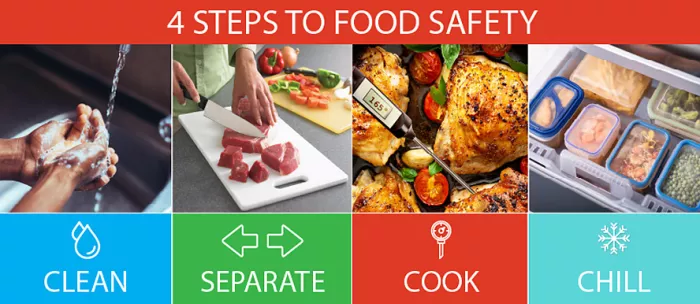
Wash your hands often to remove germs. Proper handwashing stops cross-contamination.
Use soap and clean water. Rub your hands for at least 20 seconds, then dry them well.
- Wet hands with clean water
- Apply soap and scrub all hand surfaces
- Clean between fingers and under nails
- Rinse hands thoroughly
- Dry hands with a clean towel or air dryer
- Wash hands before and after handling food
Cleaning And Sanitizing Tips
Cross-contamination happens when bacteria spread from raw to cooked food. Cleaning and sanitizing help stop this problem. Keeping your kitchen surfaces and tools clean is very important.
Use the right cleaning steps to make sure your food stays safe. Clean first, then sanitize to kill germs. This keeps your food healthy and tasty.
Effective Surface Cleaning
Clean surfaces before and after handling raw food. Use warm water and soap to remove dirt and germs. Do not forget counters, sinks, and stove tops.
Rinse surfaces well to get rid of soap. Dry with a clean towel or let air dry. Avoid using the same towel for raw and cooked food areas.
- Use separate cloths for raw and cooked food areas
- Wash cleaning cloths often in hot water
- Clean spills immediately to prevent germs
Disinfecting Cutting Boards And Utensils
Cutting boards and utensils can carry bacteria if not cleaned well. Wash them with hot soapy water after each use. This helps remove raw food germs.
Sanitize cutting boards and utensils to kill any left germs. Use a solution of one tablespoon of bleach in one gallon of water. Soak or spray, then rinse and dry.
- Use separate boards for raw and cooked foods
- Check for deep cuts where bacteria can hide
- Replace boards that are damaged or hard to clean

Credit: collectionisthotel.com.au
Cooking And Temperature Control
Cross-contamination happens when harmful bacteria spread from raw food to cooked food. Cooking and temperature control help stop this. Proper cooking kills bacteria that cause illness.
Using the right temperature keeps food safe. It also prevents bacteria growth. Learning safe cooking temperatures and how to check them is important.
Cooking Temperatures For Safety
Cook foods to the right temperature to kill germs. Different foods need different temperatures. This stops bacteria from spreading to cooked food.
- Chicken and turkey: cook to 165°F (74°C)
- Ground meats like beef: cook to 160°F (71°C)
- Beef, pork, lamb steaks: cook to 145°F (63°C) with rest time
- Fish and seafood: cook to 145°F (63°C)
- Egg dishes: cook to 160°F (71°C)
Use safe cooking temperatures to make food safe. Avoid eating undercooked food to reduce risk.
Using Food Thermometers Correctly
Food thermometers show if food is cooked enough. Insert the thermometer in the thickest part of the food. Avoid touching bone or fat.
Clean the thermometer before and after each use. This prevents cross-contamination between raw and cooked foods.
- Calibrate your thermometer regularly
- Wait for the temperature reading to stabilize
- Check several spots if food is uneven
- Use different thermometers for raw and cooked food
Safe Food Storage Guidelines
Keeping raw and cooked food separate is key to stop germs from spreading. Safe food storage helps keep your family healthy.
Use correct storage methods to avoid mixing raw and cooked foods. This lowers the risk of food poisoning.
Refrigeration Tips
Keep your refrigerator clean and set below 40°F (4°C). Cold temperatures slow bacteria growth on food.
Store raw meat, poultry, and seafood on the bottom shelf. This stops their juices from dripping onto other foods.
- Use sealed containers or plastic wrap to cover food.
- Label and date leftovers to use them quickly.
- Do not overload the fridge to allow air circulation.
Avoiding Cross-contact During Storage
Keep raw and cooked foods in separate containers to avoid contact. Use different shelves or areas in the fridge.
Store ready-to-eat foods above raw foods to prevent contamination. Raw foods can carry harmful bacteria.
- Use color-coded containers or labels for raw and cooked foods.
- Clean storage containers and shelves regularly.
- Avoid stacking raw food above cooked food.
Preventive Measures For Food Preparation
Cross-contamination happens when bacteria from raw food spread to cooked food. This can cause food poisoning.
Using proper steps during food prep helps keep food safe. It protects health and prevents illness.
Using Color-coded Tools
Color-coded tools help separate raw and cooked food. This stops germs from moving between foods.
Use different colors for cutting boards, knives, and cloths. For example, red for raw meat and green for vegetables.
- Red tools for raw meat and poultry
- Green tools for fresh vegetables
- Blue tools for raw fish and seafood
- Yellow tools for cooked food
Timing And Workflow Management
Prepare raw and cooked food at different times. This reduces the chance of cross-contamination.
Start with cooked or ready-to-eat foods first. Clean surfaces and wash hands before handling raw items.
- Cook or ready-to-eat foods first
- Clean all tools and surfaces after use
- Wash hands between tasks
- Keep raw food separate until ready to cook
Credit: www.cspi.org
Frequently Asked Questions
How Can I Avoid Cross-contamination In The Kitchen?
Always use separate cutting boards and utensils for raw and cooked foods. Wash hands and surfaces frequently. Store raw foods below cooked foods in the fridge to prevent drips. Proper cleaning and food handling reduce contamination risks effectively.
Why Is Cross-contamination Between Raw And Cooked Food Dangerous?
Cross-contamination spreads harmful bacteria from raw to cooked food. This can cause foodborne illnesses like salmonella or E. coli. Preventing it is essential for food safety and health. Proper hygiene and storage protect you and your family from these risks.
What Tools Help Prevent Cross-contamination?
Use color-coded cutting boards and separate utensils for raw and cooked items. Disposable gloves can also help when handling raw food. Regularly sanitize all tools and kitchen surfaces to ensure safe food preparation practices.
How Should I Store Raw And Cooked Foods Safely?
Store raw foods on the bottom shelf of the fridge to avoid drips. Keep cooked foods in sealed containers above raw items. This separation prevents bacteria transfer and maintains food safety until consumption.
Conclusion
Preventing cross-contamination keeps food safe and healthy. Separate raw and cooked foods always. Use different cutting boards and utensils for each. Wash your hands often while cooking. Clean surfaces well before and after use. Store raw food below cooked food in the fridge.
These small steps protect your family from illness. Keep food handling simple and careful every time. Safe cooking starts with good habits in the kitchen.