
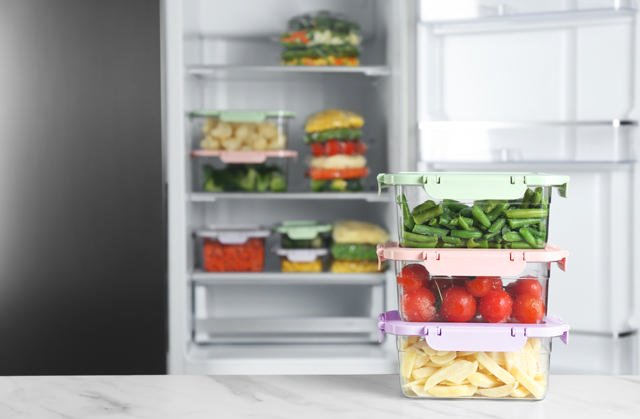
Are you tired of your fresh vegetables going bad too quickly? You’re not alone.
Knowing how to store your veggies safely can make a huge difference in keeping them fresh, tasty, and full of nutrients. Imagine opening your fridge to find crisp, vibrant vegetables every time—you can make that happen. You’ll discover simple, practical tips that anyone can use to extend the life of their vegetables.
Keep reading to learn easy ways to save money, reduce waste, and enjoy healthier meals with every bite.
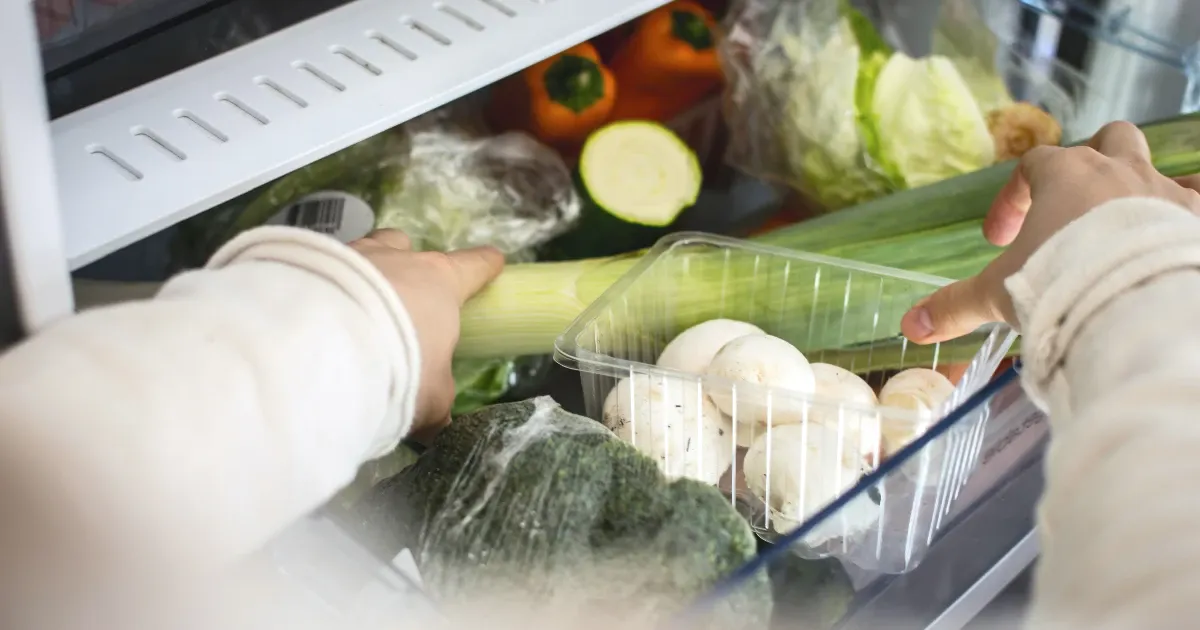
Credit: www.clubhouse.ca
Choose The Right Storage Spot
Storing vegetables safely helps keep them fresh longer. The right spot can make a big difference.
Let’s explore how to choose the best storage locations for your veggies.
Cool And Dark Areas
Many vegetables stay fresh in cool, dark places. Light and heat can make them spoil faster.
Basements or cellars are often good spots. They keep vegetables away from sunlight.
- Potatoes stay fresh in cool, dark areas
- Onions last longer without direct light
- Garlic keeps well in dark spots
Avoiding Humidity
Humidity can make vegetables rot. Dry spaces are better for storing them.
Ensure good air circulation. It helps reduce moisture build-up.
- Use mesh bags for better airflow
- Do not wash vegetables before storing
- Keep storage areas dry
Separate Ethylene Producers
Some vegetables produce ethylene gas. This can cause others to ripen too quickly.
Keep ethylene producers separate. This keeps other vegetables fresh longer.
- Apples release ethylene gas
- Bananas should not be stored with leafy greens
- Tomatoes can speed up ripening of nearby veggies
Prep Vegetables Before Storage
Preparing vegetables before storing them keeps them fresh longer. Proper prep stops spoilage and saves food.
Cleaning, drying, trimming, and peeling help keep vegetables healthy and ready to use.
Cleaning Techniques
Wash vegetables under cold running water to remove dirt and germs. Use a soft brush for tough skins like potatoes.
Do not soak vegetables for a long time. This can make them lose nutrients and flavor.
- Rinse each vegetable well before storage
- Use a vegetable brush for firm skins
- Avoid soaps or chemicals when cleaning
Drying Methods
Dry vegetables completely before storing. Moisture causes mold and rot inside storage.
Pat vegetables dry with a clean towel or use a salad spinner for leafy greens.
- Use a clean cloth or paper towel
- Air dry in a cool, clean area
- Remove excess water from leafy vegetables
Trimming And Peeling
Trim off damaged or wilted parts before storage. This stops decay from spreading.
Peel vegetables only if needed. Some skins protect vegetables and keep them fresh longer.
- Cut off bruised or soft spots
- Peel vegetables like carrots and potatoes if preferred
- Leave skins on for added freshness and nutrients
Use Proper Containers
Storing vegetables properly helps them stay fresh longer. Using the right containers is very important.
Different vegetables need different storage methods. Choosing the correct container keeps vegetables safe and tasty.
Breathable Bags And Wraps
Breathable bags let air flow around vegetables. This reduces moisture and stops mold from growing.
Natural wraps like paper or cloth also work well. They keep vegetables dry but let air in.
- Use perforated plastic bags for leafy greens
- Wrap root vegetables in paper towels
- Store herbs in cloth bags
Airtight Options
Airtight containers keep vegetables fresh by blocking air and moisture. They work well for cut or peeled vegetables.
Use containers with tight lids to avoid drying out or absorbing fridge odors. Check seals regularly.
- Choose glass or plastic containers with good seals
- Store sliced vegetables in airtight boxes
- Keep leftovers fresh and crisp
Reusable Storage Solutions
Reusable containers help reduce waste and keep vegetables safe. Use containers that are easy to clean and durable.
Silicone bags, glass jars, and sturdy plastic boxes work well. They save money and protect your vegetables.
- Choose containers that fit your fridge space
- Use washable bags and jars for fresh produce
- Label containers to track freshness
Optimize Refrigerator Settings
Storing vegetables safely keeps them fresh longer. Your refrigerator settings play a big role.
Adjusting temperature, humidity, and airflow helps prevent spoilage. Use these tips to improve storage.
Ideal Temperature Range
Vegetables stay fresh best between 32°F and 40°F (0°C and 4°C). Keep your fridge in this range.
Too cold can freeze veggies. Too warm makes them spoil faster. Use a fridge thermometer to check.
Humidity Drawers
Humidity drawers control moisture levels. Use high humidity for leafy greens and low for onions or garlic.
- High humidity keeps moisture in and prevents wilting.
- Low humidity stops mold on dry vegetables.
- Separate veggies by their humidity needs to keep them fresh.
Organizing For Airflow
Good airflow helps keep vegetables fresh by reducing moisture buildup. Avoid overcrowding your fridge.
- Leave space between vegetable containers.
- Use perforated bags or containers to allow air circulation.
- Keep vegetables away from strong-smelling foods to avoid flavor transfer.
Store Specific Vegetables Correctly
Storing vegetables the right way keeps them fresh longer. Different vegetables need different storage methods.
Understanding how to store leafy greens, root vegetables, and fruiting vegetables helps reduce waste and saves money.
Leafy Greens
Leafy greens like spinach and lettuce are delicate. They need moisture and cool temperatures to stay fresh.
Keep them dry by wrapping in paper towels. Store in a plastic bag or container in the fridge.
- Remove damaged leaves before storing
- Use breathable bags to avoid moisture build-up
- Keep away from fruits that release ethylene gas
Root Vegetables
Root vegetables like carrots, potatoes, and onions last longer in cool, dark places. Avoid storing them in the fridge if possible.
Keep them dry and separate from leafy vegetables. Store potatoes in a paper bag or a basket with air circulation.
- Do not wash before storing to prevent rot
- Separate onions and potatoes to avoid sprouting
- Use a cool pantry or cellar for best results
Fruiting Vegetables
Fruiting vegetables like tomatoes, peppers, and cucumbers need warm, dry conditions. Some do better at room temperature.
Store tomatoes stem side down on the counter. Peppers and cucumbers can be kept in the fridge but away from cold drafts.
- Keep tomatoes out of direct sunlight
- Wrap cucumbers in paper towels to reduce moisture
- Store peppers in the vegetable drawer of the fridge

Credit: www.fridgefriend.com
Extend Freshness With Freezing
Freezing vegetables helps keep them fresh longer. It slows down decay and stops bacteria growth.
Proper freezing keeps taste and nutrients. Follow simple steps to freeze vegetables safely.
Blanching Tips
Blanching vegetables before freezing helps keep color and texture. It also kills enzymes that cause spoilage.
To blanch, boil water and dip vegetables for 1 to 5 minutes. Then cool them quickly in ice water.
- Use boiling water or steam for blanching
- Time varies by vegetable type
- Cool vegetables fast to stop cooking
- Dry them well before freezing
Packaging For Freezing
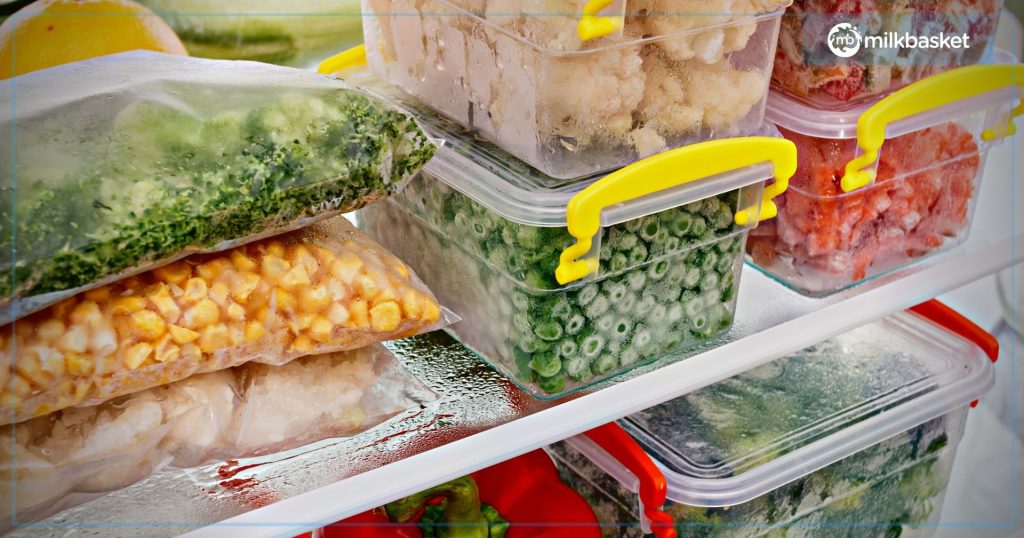
Use airtight packaging to keep vegetables fresh in the freezer. It stops freezer burn and moisture loss.
Choose freezer bags or containers made for freezing. Remove as much air as possible before sealing.
- Label packages with date and vegetable type
- Use small portions for easy thawing
- Fill containers but leave space for expansion
- Seal tightly to prevent air entry
Thawing Advice
Thaw vegetables safely to keep quality. Use the refrigerator or cook from frozen when possible.
Avoid thawing at room temperature. This can cause bacteria growth and spoil your vegetables.
- Thaw in the fridge overnight
- Cook frozen vegetables directly if possible
- Use thawed vegetables within a day or two
Common Mistakes To Avoid
Storing vegetables properly helps keep them fresh longer. Some mistakes can cause vegetables to spoil faster. Avoid these common errors to save food and money.
Knowing what not to do is as important as knowing the right way. Pay attention to storage habits to keep veggies safe and tasty.
Overcrowding Storage
Putting too many vegetables in one place blocks air flow. This can cause moisture to build up and make vegetables rot quickly.
Give each vegetable enough space to breathe. This helps keep them dry and fresh for a longer time.
- Use breathable containers or bags
- Keep leafy greens separate from heavy veggies
- Do not stack vegetables too tightly
Ignoring Spoilage Signs
Look closely at your vegetables before storing them. Spoiled parts can spread mold and bacteria to others.
Remove any soft spots, mold, or bad smells. Storing spoiled vegetables can ruin the whole batch.
- Check for dark spots or slimy texture
- Smell for sour or rotten odors
- Cut off damaged areas before storing
Mixing Different Veggies
Some vegetables release gases that speed up ripening. Keeping these veggies with others can cause faster spoilage.
Store vegetables that produce gases separately from those sensitive to it. This helps them last longer.
- Keep onions and potatoes apart
- Store ethylene producers like tomatoes away from leafy greens
- Use separate storage areas for different vegetable types
Credit: blog.milkbasket.com
Frequently Asked Questions
How To Store Vegetables To Keep Them Fresh Longer?
Store vegetables in a cool, dry place or refrigerator. Use perforated bags for airflow. Keep ethylene-sensitive veggies separate to avoid spoilage. Check regularly for signs of decay and remove damaged items promptly.
Which Vegetables Should Not Be Refrigerated?
Root vegetables like potatoes, onions, and garlic should not be refrigerated. Cold temperatures can alter their taste and texture. Store them in a cool, dark, and well-ventilated area instead.
What Is The Best Way To Wash Vegetables Before Storage?
Wash vegetables under cold running water to remove dirt and bacteria. Avoid soaking to prevent moisture buildup. Dry them thoroughly with a clean cloth or paper towel before storing.
Can Vegetables Be Stored Together Safely?
Some vegetables release ethylene gas, which speeds ripening. Store ethylene-producing veggies like tomatoes away from leafy greens and root vegetables to prevent spoilage. Group compatible vegetables together to maintain freshness.
Conclusion
Storing vegetables properly keeps them fresh and tasty longer. Cool, dry places work best for many types. Keep some vegetables separate to avoid quick spoilage. Use breathable bags or containers for good airflow. Check your veggies often and remove any that spoil.
These small steps save money and reduce waste. Healthy eating starts with fresh ingredients ready to use. Simple care makes a big difference in your kitchen. Try these tips for better vegetable storage today. Your meals will thank you.