
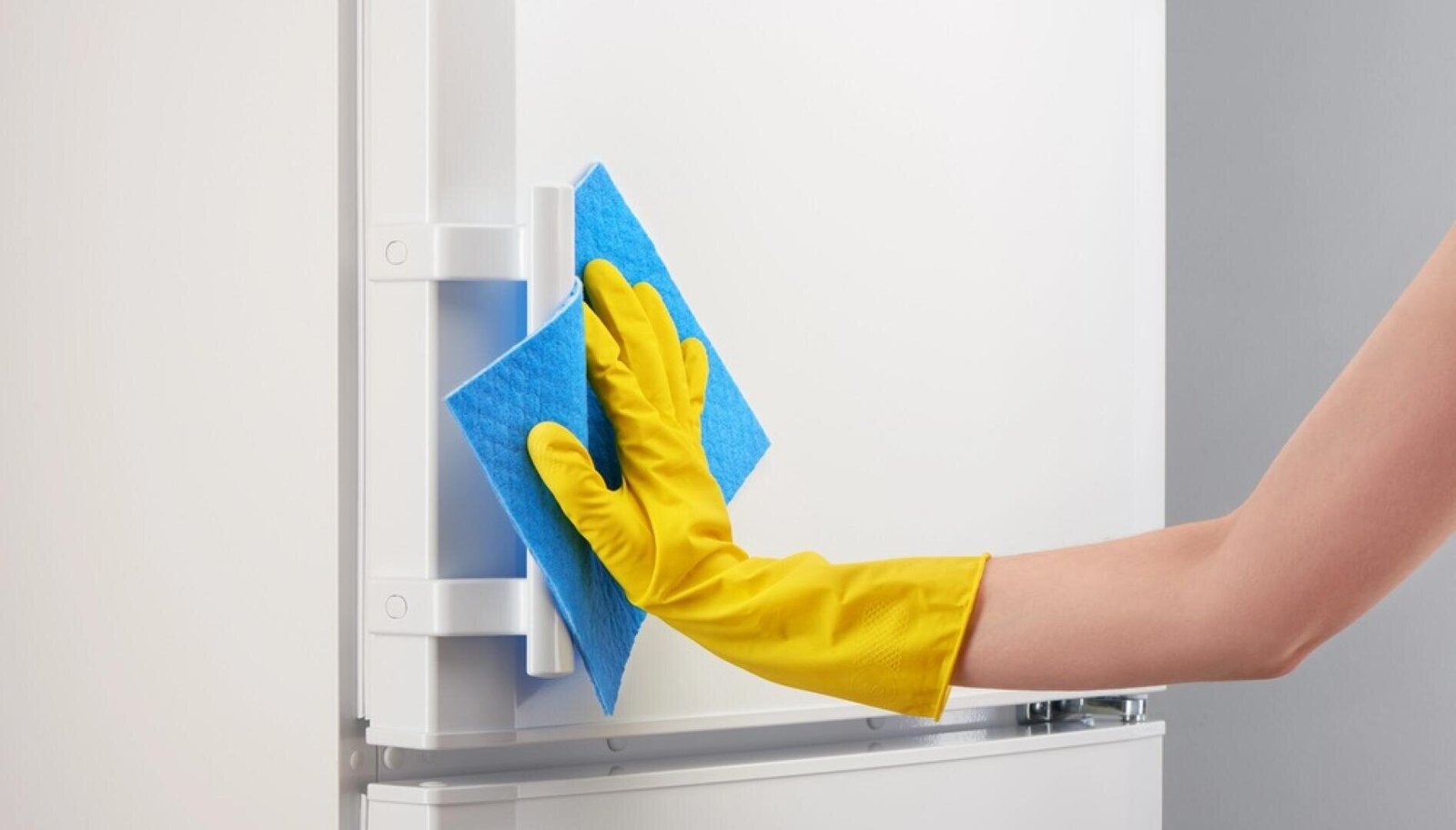
Your fridge is one of the busiest spots in your kitchen, and its handles and seals get touched and used countless times every day. But have you ever stopped to think about how dirty those areas can get?
Germs, food residue, and spills can build up quickly, making your fridge less clean and even affecting how well it keeps your food fresh. If you want to keep your fridge safe and working smoothly, learning how to maintain clean fridge handles and seals is a simple step you can’t afford to skip.
Keep reading, and you’ll discover easy, effective tips that fit right into your routine—so your fridge stays spotless and your food stays fresh.
Credit: www.angi.com
Why Clean Handles And Seals Matter
Keeping fridge handles and seals clean is important. It helps maintain a healthy kitchen environment. Dirty handles can spread germs and bacteria.
Seals that are not clean may affect the fridge’s efficiency. They can cause the fridge to work harder, using more energy. This can increase your electricity bill.
Germ Prevention
Fridge handles are touched often. This makes them a hotspot for germs. Cleaning them reduces the risk of spreading bacteria.
Use a disinfectant wipe or a cloth with soap and water. Clean the handles regularly to keep germs away.
Energy Efficiency
Dirty seals can cause cool air to escape from the fridge. This makes the fridge work harder to stay cold.
Clean seals ensure the fridge is energy efficient. This saves money on electricity bills.
Longer Appliance Life
Regular cleaning of handles and seals can extend the life of your fridge. It prevents damage and keeps the appliance running well.
Maintaining clean seals and handles is a simple task. It helps avoid costly repairs or early replacement of the fridge.
Improved Hygiene
A clean fridge looks better and feels more hygienic. It is important for storing food safely.
Regular cleaning can help avoid unpleasant odors. It ensures that the food stored is safe to eat.
- Clean handles weekly
- Check seals monthly
- Use mild soap and water
- Dry seals after cleaning
Common Germs On Fridge Handles And Seals
Fridge handles and seals are touched many times daily. Germs easily build up on these spots.
Cleaning these areas helps stop germs from spreading in your home.
Staphylococcus Aureus
Staphylococcus aureus is a common bacteria found on skin. It can cause infections if it enters cuts.
This germ lives on fridge handles because people touch them often with dirty hands.
Escherichia Coli (e. Coli)
E. coli bacteria come from raw meats and unclean foods. They cause stomach problems.
Fridge seals can hold E. coli if raw meat juices drip and are not cleaned well.
Salmonella
Salmonella spreads through raw eggs and poultry. It causes food poisoning symptoms.
This germ can stay on fridge handles if people handle raw food and do not wash hands.
Mold And Mildew
Mold grows in moist spots like fridge seals. It can cause allergies and breathing problems.
Cleaning seals regularly stops mold from spreading and keeps your fridge fresh.
Best Cleaning Supplies To Use
Keeping fridge handles and seals clean helps stop germs and bad smells. Choosing the right cleaning supplies makes this easy.
Use gentle products that clean well without harming the fridge parts. Here are the best supplies to use.
Mild Dish Soap
Mild dish soap works well to remove dirt and grease from handles and seals. It is safe and easy to use.
Mix a few drops of soap with warm water. Use a soft cloth or sponge to clean the surfaces. Rinse with clean water and dry.
White Vinegar
White vinegar kills bacteria and helps remove mold or mildew on fridge seals. It is a natural cleaner.
Mix equal parts white vinegar and water in a spray bottle. Spray the solution on the seals and handles. Wipe with a soft cloth and dry well.
Baking Soda
Baking soda removes stains and odors from fridge handles and seals. It also helps scrub without scratching.
Make a paste with baking soda and water. Apply the paste to the dirty areas with a soft brush or cloth. Rinse and dry thoroughly.
Microfiber Cloths
Microfiber cloths clean well and do not scratch surfaces. They help remove dirt and moisture from handles and seals.
Use a damp microfiber cloth with your cleaning solution. Wipe the fridge handles and seals gently. Dry with a dry cloth for best results.
Soft-bristled Brush
A soft-bristled brush helps clean small crevices on fridge seals. It reaches dirt that cloths cannot.
Use the brush with your chosen cleaning solution. Gently scrub the seals and handles. Wipe away loosened dirt with a cloth.

Credit: www.angi.com
Step-by-step Cleaning Process
Keeping your fridge handles and seals clean helps stop germs and bad smells. Clean them often to keep your fridge safe and fresh.
This guide shows easy steps to clean fridge handles and seals well. You only need simple tools and cleaning supplies.
Cleaning The Handles
Fridge handles get touched many times a day. Dirt and germs collect on them quickly. Clean them regularly to keep them fresh.
Use a soft cloth and mild cleaner to wipe the handles. Avoid harsh chemicals that can damage the finish.
- Mix warm water with a few drops of dish soap.
- Dip a soft cloth in the solution and wring it out well.
- Wipe all sides of the fridge handles carefully.
- Use a clean, damp cloth to remove soap residue.
- Dry the handles with a soft towel to prevent water spots.
- Repeat this cleaning once a week or more if needed.
Cleaning The Seals
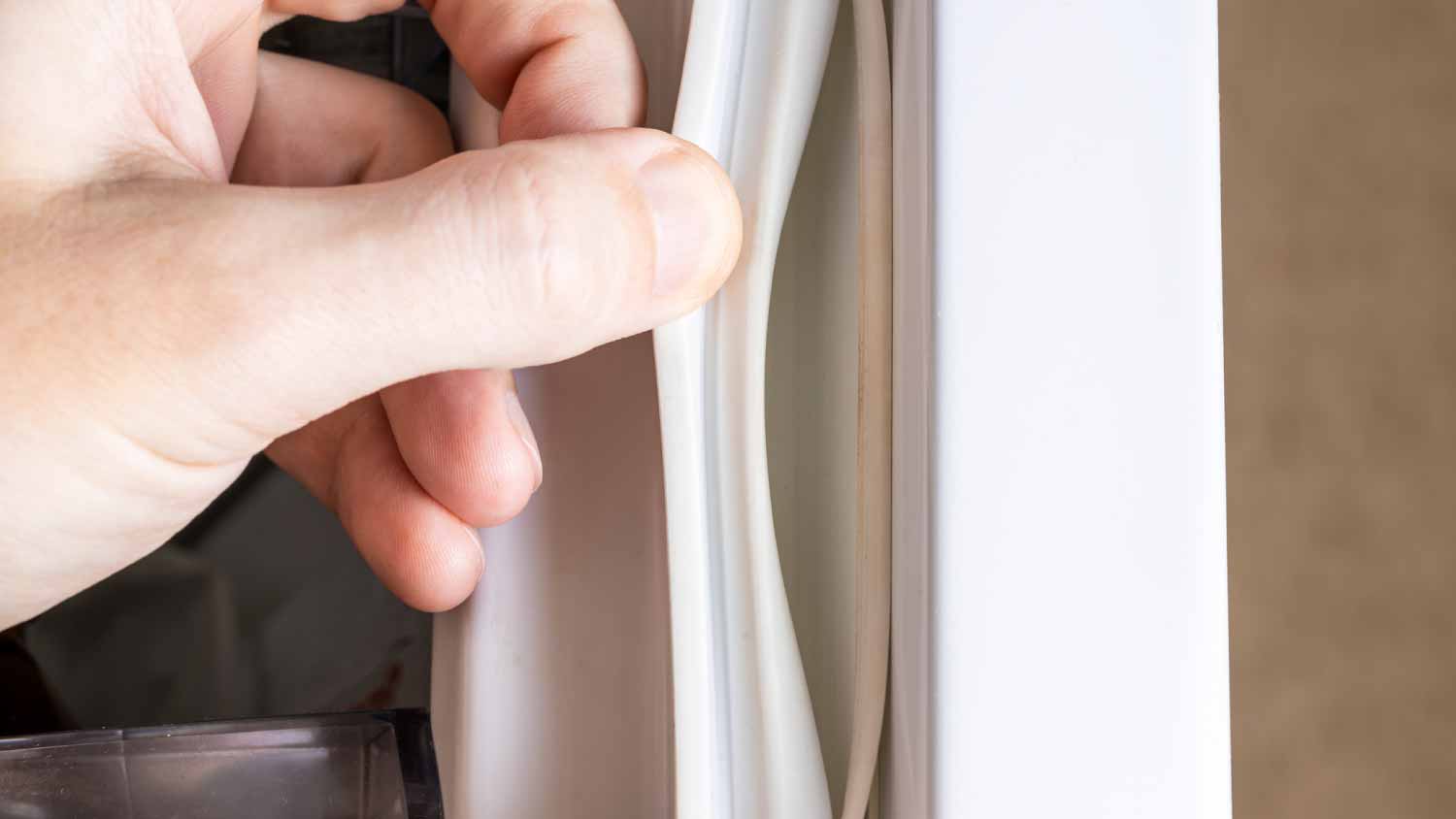
Fridge seals keep cold air inside and dirt outside. They can trap crumbs and spills, causing mold or bad smells.
Clean the seals gently so you do not damage them. Use a soft brush to reach cracks and folds.
- Mix equal parts water and white vinegar in a spray bottle.
- Spray the solution on the fridge seals.
- Use a soft toothbrush or cloth to scrub the seals gently.
- Wipe with a clean damp cloth to remove dirt and vinegar.
- Dry the seals thoroughly with a towel to avoid moisture build-up.
- Check and clean seals every two weeks for best results.
Tips For Regular Maintenance
Keeping fridge handles and seals clean helps your fridge work better. Dirt and germs can build up quickly.
Regular cleaning stops smells and keeps your kitchen healthy. Simple care saves time and effort later.
Daily Wipe-downs
Wipe fridge handles and seals every day to remove dirt and grease. Use a soft cloth and mild soap.
Clean handles often because many hands touch them. This reduces germs and sticky spots.
- Use warm water with a few drops of dish soap
- Wipe handles and door seals gently
- Dry with a clean cloth to avoid moisture
- Check for any cracks or damage while cleaning
Monthly Deep Cleaning
Once a month, clean fridge seals and handles more thoroughly. This removes hidden dirt and bacteria.
Use baking soda or vinegar for extra cleaning power. These natural cleaners break down grime safely.
- Mix baking soda with water to make a paste
- Apply paste to seals and scrub with a soft brush
- Wipe handles with vinegar on a cloth
- Rinse with a damp cloth and dry well
- Check seals for wear and replace if needed

Credit: sustainlifejournal.com
Preventing Mold And Mildew
Fridge handles and seals can get dirty easily. Mold and mildew grow in these damp areas.
Cleaning these parts often keeps your fridge fresh and safe. It also stops bad smells.
Regular Cleaning Routine
Clean fridge handles and seals at least once a week. Use a mild soap and warm water.
Wipe with a soft cloth or sponge. Dry the area well to stop moisture build-up.
- Use gentle soap, no harsh chemicals
- Focus on crevices and grooves
- Dry handles and seals completely
Use Vinegar To Kill Mold
White vinegar kills mold and mildew naturally. Spray it on handles and seals.
Let it sit for 10 minutes, then wipe clean. Vinegar also removes odors effectively.
- Spray undiluted white vinegar
- Wait 10 minutes before wiping
- Use a clean cloth to dry
Keep Fridge Door Dry
Moisture causes mold to grow fast. Always dry the fridge door edges after cleaning.
Check seals for water drops. Use a dry cloth to wipe off any dampness.
- Wipe seals after cleaning or spills
- Leave door open for a few minutes if wet
- Fix leaks or condensation quickly
Inspect And Replace Damaged Seals
Damaged seals trap moisture and dirt. Check seals regularly for cracks or tears.
Replace damaged seals to stop mold growth and keep cold air in.
- Look for cracks or soft spots
- Replace seals if damaged
- Clean new seals before use
When To Replace Fridge Seals
Fridge seals keep cold air inside and save energy. Over time, they wear out and stop working well.
Knowing when to replace seals helps keep your fridge clean and energy efficient.
Visible Cracks Or Tears
Look closely at the fridge seals for cracks or tears. Damaged seals let cold air escape.
Small cracks can grow bigger and cause more problems if not fixed on time.
Food Spoils Faster
If your food goes bad quickly, fridge seals might be faulty. Poor seals cause temperature changes.
Check seals if you notice frost buildup or warm spots inside the fridge.
Door Does Not Close Properly
When the fridge door does not close tightly, seals could be worn out or damaged.
Test by closing the door on a piece of paper. If you can pull the paper out easily, replace the seals.
Seal Is Sticky Or Dirty
Sticky or very dirty seals may lose their grip. Clean them first before deciding to replace.
If cleaning does not restore the seal’s flexibility, it is time to get a new one.
Energy Bills Rise
Higher electricity bills can mean the fridge is working harder. Worn seals cause energy loss.
Replacing old seals helps keep your fridge energy efficient and lowers bills.
Expert Hacks For Stubborn Stains
Fridge handles and seals collect dirt and stains quickly. Keeping them clean helps your fridge look fresh and stay hygienic.
Some stains are hard to remove with regular cleaning. Use these expert hacks to tackle tough marks easily.
Use Baking Soda Paste For Sticky Residue
Make a thick paste with baking soda and water. Apply it on sticky or greasy stains on handles and seals.
Let the paste sit for 10 minutes. Then, scrub gently with a soft brush or cloth. Baking soda breaks down grime without damage.
Try White Vinegar To Remove Mold And Mildew
Spray white vinegar directly on moldy or mildewed seals. Vinegar kills mold spores and cleans surfaces safely.
After 5 minutes, wipe with a damp cloth. Repeat if stains stay. Vinegar also helps stop mold from returning.
Use Toothbrush For Hard-to-reach Areas
Old toothbrushes are perfect for scrubbing small crevices on fridge seals and handle grooves. They reach spots cloths miss.
Dip the brush in soapy water or your cleaning paste. Gently scrub dirt away without harming rubber or plastic.
Apply Rubbing Alcohol For Grease Stains
Rubbing alcohol dissolves grease and removes stubborn marks. Use a cotton ball soaked in alcohol to rub the stained area.
Wipe clean with a damp cloth after. Alcohol evaporates fast and leaves no residue behind.
Keep Seals Soft With Mineral Oil
After cleaning, apply a small amount of mineral oil on rubber seals. This keeps them flexible and prevents cracking.
Use a clean cloth to rub the oil evenly. This trick extends the life of your fridge seals.
Frequently Asked Questions
How Often Should Fridge Handles And Seals Be Cleaned?
Clean fridge handles daily to remove germs and fingerprints. Clean seals weekly to prevent mold and maintain airtightness. Regular cleaning ensures hygiene and extends fridge lifespan.
What Is The Best Cleaner For Fridge Handles?
Use a mild detergent or a mixture of water and vinegar. Avoid harsh chemicals to prevent damage. A soft cloth or sponge works best for gentle cleaning.
How To Remove Mold From Fridge Seals Effectively?
Use a solution of baking soda and water or diluted vinegar. Apply with a soft brush, scrub gently, then wipe clean. Regular cleaning prevents mold buildup and keeps seals functional.
Can Cleaning Fridge Seals Improve Energy Efficiency?
Yes, clean seals ensure proper door closure. Tight seals prevent cold air leakage, saving energy. Regular maintenance lowers electricity bills and keeps food fresh longer.
Conclusion
Keeping fridge handles and seals clean helps protect your food and health. Regular wiping stops dirt and germs from building up. Use mild soap and warm water for best results. Don’t forget to dry handles and seals well to avoid mold.
Small daily habits make a big difference over time. Clean fridge parts keep your kitchen fresh and safe. Try these simple steps to keep your fridge in great shape. A clean fridge means a healthier home. Easy and quick care pays off every day.