
Are you tired of throwing away spoiled food and wasting money? Knowing how to store perishable foods properly can save you time, money, and keep your meals safe and fresh.
Imagine opening your fridge and finding your fruits, vegetables, dairy, and meats perfectly preserved, ready to enjoy whenever you want. You’ll discover simple, practical tips that anyone can follow to extend the life of your food. Keep reading to learn how small changes in storage can make a big difference in your kitchen and your wallet.

Credit: www.bostonglobe.com
Choosing The Right Storage Containers
Storing perishable foods properly is important for health. The right storage containers help keep food fresh.
Choosing the right container can extend the life of your food. Let’s explore the options available.
Benefits Of Airtight Containers
Airtight containers prevent air from entering. This helps keep food fresh longer and reduces spoilage.
These containers also protect against pests and odors. They are great for storing dry and wet foods.
- Keep food fresh longer
- Prevent spoilage and odors
- Protect against pests
Using Glass Vs Plastic
Glass containers are durable and do not stain. They are also microwave safe and easy to clean.
Plastic containers are lightweight and less likely to break. They are a budget-friendly option for many families.
| Glass | Plastic |
| Durable | Lightweight |
| Microwave safe | Budget-friendly |
Labeling And Date Marking
Labeling containers helps you know what is inside. Date marking shows how long the food has been stored.
Use labels and markers to write dates clearly. This helps you keep track and reduce food waste.
- Know what is inside
- Track storage time
- Reduce food waste
Credit: www.pubs.ext.vt.edu
Temperature Control Essentials
Proper temperature control is key to keeping perishable foods safe. It slows down bacteria growth and keeps food fresh longer.
Knowing the right temperatures helps you store food correctly. This guide covers fridge and freezer tips.
Ideal Refrigerator Settings
Set your refrigerator temperature between 34°F and 40°F (1°C to 4°C). This range keeps food cold but prevents freezing.
Check the temperature with a fridge thermometer. Adjust the dial if the fridge is too warm or cold.
- Keep fridge door closed as much as possible
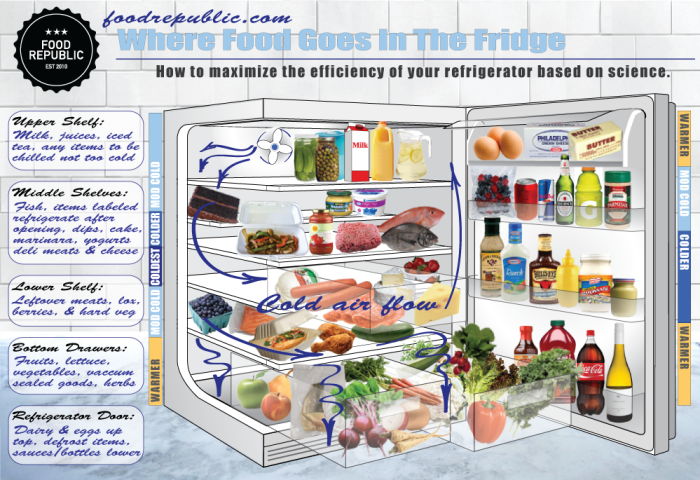
- Store raw meat on the bottom shelf to avoid drips
- Avoid overfilling to allow air circulation
Freezer Tips For Long-term Storage
Freezers should be at 0°F (-18°C) or lower. This temperature stops bacteria and keeps food fresh for months.
Wrap foods tightly to prevent freezer burn. Use airtight containers or freezer bags for best results.
- Label items with date before freezing
- Do not refreeze thawed food to keep quality
- Keep freezer full but not overcrowded for proper air flow
Avoiding Temperature Fluctuations
Temperature changes cause food to spoil faster. Keep fridge and freezer doors closed tightly.
Place appliances away from heat sources like ovens or direct sunlight. This keeps temperatures steady.
- Open doors only when needed and close quickly
- Check seals on fridge and freezer doors regularly
- Use appliance thermometers to monitor temperature changes
Storing Different Types Of Perishables
Perishable foods need the right care to stay fresh. Proper storage helps keep their taste and safety.
Different foods need different storage methods. Learn how to store fruits, dairy, meat, and seafood well.
Fruits And Vegetables
Keep fruits and vegetables cool and dry to stop them from spoiling fast. Some need fridge storage, others do not.
Store fruits like apples and berries in the fridge. Keep potatoes and onions in a dark, dry place outside the fridge.
- Wash only before eating to avoid mold growth
- Use perforated bags to keep air flow
- Separate ethylene-producing fruits like bananas from veggies
Dairy Products
Dairy items need cold storage to stay fresh and safe. Keep milk, cheese, and yogurt in the fridge at or below 40°F (4°C).
Store dairy in the main fridge area, not the door. The door temperature changes often and can spoil products faster.
- Keep dairy sealed to prevent odor absorption
- Check expiration dates regularly
- Use clean utensils to avoid contamination
Meat And Seafood
Meat and seafood spoil quickly without proper care. Store them in the coldest part of the fridge or freezer immediately.
Keep raw meat and seafood in sealed containers to stop leaks and cross-contamination with other foods.
- Use within 1-2 days if refrigerated
- Freeze if storing longer than 2 days
- Thaw in the fridge, not on the counter

Credit: www.aol.com
Preventing Cross-contamination
Cross-contamination happens when harmful germs spread from one food to another. This can cause food poisoning and illness. Proper food storage helps keep your food safe.
Learn simple ways to stop germs from moving between foods. This keeps your family healthy and your meals safe to eat.
Separating Raw And Cooked Foods
Raw foods like meat and poultry can have dangerous bacteria. Cooked foods are ready to eat and must stay clean. Always keep these foods apart to avoid cross-contamination.
Use separate containers or wrap raw foods tightly. Keep cooked foods in sealed containers to protect them from raw food juices.
- Store raw meat in leak-proof containers
- Keep cooked food covered and separate
- Use different cutting boards for raw and cooked items
Safe Placement In The Fridge
Place raw meat on the bottom shelf of your fridge. This stops juices from dripping onto other foods. Keep ready-to-eat foods higher up and away from raw items.
Organize your fridge to avoid spills and mix-ups. Use clear containers so you can see what is inside without opening them.
- Bottom shelf for raw meat, poultry, and fish
- Top shelves for cooked and ready-to-eat foods
- Use sealed containers to prevent leaks
Cleaning Practices
Clean your fridge regularly to remove spills and germs. Wash shelves, drawers, and containers with warm soapy water. Dry everything before putting food back.
Also, clean utensils and cutting boards after use. Use hot water and soap to kill bacteria. This helps keep your kitchen safe and food fresh.
- Wipe fridge shelves weekly
- Wash cutting boards after raw food use
- Sanitize knives and utensils
Extending Freshness With Additional Techniques
Keeping perishable foods fresh helps reduce waste and saves money. Using extra methods can keep food fresh longer.
These techniques work well with proper refrigeration and storage. They slow down spoilage and keep food tasty.
Using Vacuum Sealers
Vacuum sealers remove air from food packages. Air removal stops bacteria growth and slows spoilage.
Vacuum sealing works well for meats, cheese, and fruits. It keeps food fresh for weeks or months.
- Place food in a special bag
- Use the sealer to remove air
- Seal the bag tightly
- Store sealed food in fridge or freezer
Proper Wrapping Methods
Wrapping food correctly helps keep moisture in and air out. This stops food from drying out or spoiling fast.
Use materials like plastic wrap, aluminum foil, or beeswax wraps. Wrap food tightly without gaps.
- Wrap fruits and vegetables to keep moisture
- Cover meats with foil or plastic wrap
- Use airtight containers for leftovers
- Change wraps if they get wet or dirty
Utilizing Natural Preservatives
Natural preservatives slow down decay without chemicals. They keep food fresh and safe to eat.
Common natural preservatives include salt, vinegar, and lemon juice. They stop bacteria and mold from growing.
- Use salt to cure meats and fish
- Apply vinegar to pickles and vegetables
- Add lemon juice to fruits to prevent browning
- Store food in cool, dry places after using preservatives
Frequently Asked Questions
How Long Can Perishable Foods Be Stored Safely?
Perishable foods usually last 1 to 7 days in the refrigerator. Always check the specific food type and storage guidelines. Proper refrigeration slows bacterial growth, keeping food fresh and safe. Use airtight containers and keep your fridge at 40°F (4°C) or below for best results.
What Is The Best Temperature For Storing Perishable Foods?
Keep your refrigerator temperature at or below 40°F (4°C). This slows down bacterial growth and preserves freshness. Freezers should be at 0°F (-18°C) to keep foods safe longer. Regularly check temperatures with a thermometer to ensure safe food storage conditions.
How Should I Store Raw Meat To Avoid Contamination?
Store raw meat on the lowest refrigerator shelf in sealed containers. This prevents juices from dripping onto other foods. Use airtight packaging to avoid cross-contamination. Always thaw meat in the fridge, not on the counter, to reduce bacterial growth risks.
Can I Freeze Perishable Foods To Extend Shelf Life?
Yes, freezing perishable foods extends their shelf life significantly. Use airtight, freezer-safe containers or bags to prevent freezer burn. Label packages with dates for easy tracking. Most foods maintain quality for several months when properly frozen.
Conclusion
Storing perishable foods properly keeps them fresh longer. It helps prevent waste and saves money. Always check temperatures and use airtight containers. Keep raw and cooked foods separate to avoid germs. Remember to use foods before their expiration dates. Small changes in storage can make a big difference.
Stay safe and enjoy fresher, healthier meals every day.