
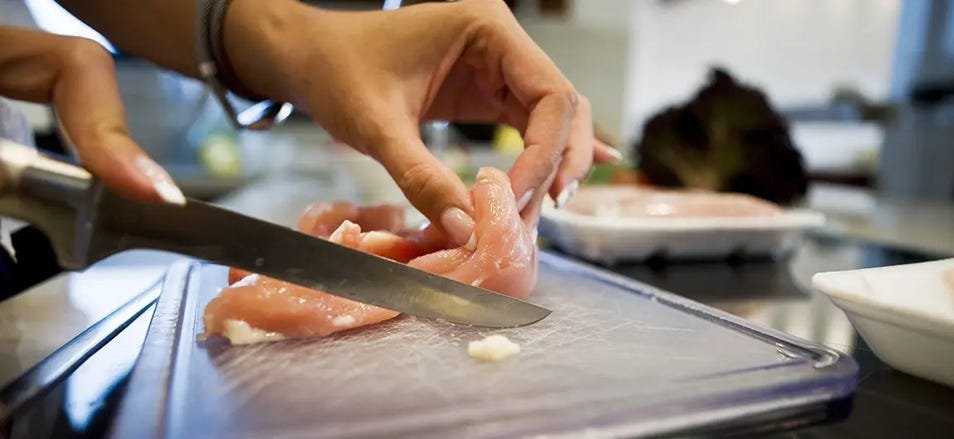
You’ve just finished preparing a delicious meat dish, but do you know how to properly clean your cutting board afterward? If not, you could be leaving harmful bacteria behind that might make you or your family sick.
Taking the right steps to disinfect your cutting board is easier than you think—and it can protect your health in a big way. Keep reading to discover simple, effective methods that will keep your kitchen safe and your meals worry-free.
Risks Of Contaminated Cutting Boards
Cutting boards can hold harmful germs after cutting meat. Disinfecting them is important for safety.
Failing to clean cutting boards may lead to sickness. It is crucial to know the risks and clean properly.
Cross-contamination Dangers
Cross-contamination happens when germs from meat spread. This can occur when using the same board for other foods.
Eating contaminated food can make you sick. Always clean cutting boards after using them for meat.
- Use separate boards for meat and vegetables
- Wash boards with hot, soapy water
- Sanitize with a bleach solution
Common Bacteria On Meat Residue
Meat residue can carry harmful bacteria. These germs can cause foodborne illnesses.
Knowing the common bacteria helps to understand the importance of disinfection. Proper cleaning prevents infections.
| Salmonella | Causes diarrhea and fever |
| E. coli | Leads to stomach cramps and vomiting |
| Listeria | Can be severe for pregnant women |

Credit: ca.style.yahoo.com
Essential Cleaning Tools
Cleaning cutting boards after using meat is very important. Using the right tools helps kill germs and keep the board safe.
Choosing good cleaning agents and tools makes the job easier and more effective. This guide covers the best options.
Types Of Cleaning Agents
Cleaning agents remove dirt and germs from cutting boards. Some agents work better for disinfecting after meat use.
Common cleaning agents include soap, bleach, vinegar, and hydrogen peroxide. Each has a special role in cleaning and disinfecting.
- Dish Soap:Removes grease and food particles well.
- Bleach Solution:Kills bacteria and viruses fast. Use diluted bleach safely.
- White Vinegar:Natural disinfectant. Works best with water for cleaning.
- Hydrogen Peroxide:Strong disinfectant that breaks down germs effectively.
Recommended Brushes And Sponges
Using the right brushes and sponges helps scrub cutting boards well. They reach cracks where germs hide.
Choose tools that are strong but safe for your cutting board material. Avoid tools that can damage the board.
- Scrub Brushes:Firm bristles clean grooves and cuts deeply.
- Non-Scratch Sponges:Soft on boards but good at removing food.
- Dish Cloths:Use clean cloths for wiping after scrubbing.
- Scouring Pads:Use gently on plastic boards, avoid on wood.
Step-by-step Disinfection Process
Cleaning cutting boards after using meat is very important. It helps stop germs from spreading. Follow these steps to clean and disinfect your cutting board safely.
Use the right process to make sure your board is clean and safe for next use. Each step has a clear purpose in killing bacteria.
Initial Rinse And Scrape
Start by scraping off large pieces of meat and food bits. Rinse the board under warm running water to remove loose particles.
This step removes dirt and makes washing easier. Avoid soaking the board for a long time to protect the material.
Washing With Soap And Water
Use hot water and dish soap to wash the cutting board. Scrub all surfaces with a sponge or brush to remove grease and germs.
Rinse the board thoroughly to remove soap. Dry it with a clean towel or let it air dry standing up.
Sanitizing Techniques
After washing, sanitize the board to kill remaining bacteria. Use a bleach solution or white vinegar for safe sanitizing.
- For bleach: mix 1 tablespoon bleach with 1 gallon of water.
- Apply the solution and let it sit for 5 minutes.
- Rinse the board with clean water after sanitizing.
- Vinegar can be sprayed directly and wiped after 5 minutes.
Credit: www.belarehome.com
Natural Disinfecting Alternatives
Cleaning cutting boards after using meat is very important. Natural disinfectants can kill germs without harsh chemicals.
These alternatives are safe and easy to find in your home. They help keep your kitchen clean and healthy.
Vinegar Solutions
White vinegar is a natural disinfectant. It can kill bacteria on cutting boards after meat use.
To use, spray or pour vinegar on the board. Let it sit for a few minutes before rinsing with water.
- Use plain white vinegar for best results
- Apply directly or dilute with water (50/50)
- Let the solution sit for 5 minutes
- Rinse well and dry completely
Hydrogen Peroxide Use
Hydrogen peroxide is safe and kills germs fast. It works well on wooden and plastic boards.
Pour 3% hydrogen peroxide over the surface. Wait for 5 minutes, then rinse with clean water.
- Use 3% hydrogen peroxide from the store
- Cover the entire cutting board surface
- Let it sit without wiping for 5 minutes
- Rinse thoroughly and air dry
Lemon And Salt Method
Lemon and salt make a natural scrub that cleans and disinfects. This method removes stains and germs.
Cut a lemon in half and sprinkle salt on the board. Use the lemon to scrub the surface well.
- Sprinkle coarse salt over the cutting board
- Use half a lemon as a scrub brush
- Rub the lemon and salt over the whole board
- Let it sit for 5 minutes before rinsing
- Rinse with warm water and dry fully
Maintenance Tips For Cutting Boards
Cutting boards need good care to keep them safe and clean. Cleaning after cutting meat stops germs from spreading.
Use the right steps to clean, dry, and store your cutting board. This helps it last longer and stay safe.
Regular Deep Cleaning
Wash your cutting board with hot, soapy water after each use. Scrub all surfaces well to remove meat juices.
Disinfect the board to kill bacteria. Use a solution of one tablespoon bleach in one gallon of water. Let it sit for a few minutes, then rinse with clean water.
- Use hot water and soap for daily cleaning
- Disinfect weekly or after cutting raw meat
- Use separate boards for meat and vegetables if possible
Proper Drying And Storage
Dry your cutting board fully before storing. Moisture can cause bacteria and mold to grow.
Store boards upright in a dry place. This lets air circulate and keeps them clean.
- Use a clean towel or air dry completely
- Keep boards away from damp areas
- Store upright to avoid trapping moisture
When To Replace Cutting Boards
Replace cutting boards if deep cuts or grooves form. These spots trap bacteria and are hard to clean.
Check your board often. If it smells bad or looks worn, it is time to get a new one.
- Replace boards with deep cracks or holes
- Change boards that have strong odors
- Use plastic boards for meat and replace them often
Credit: choppingboards.in
Special Care For Different Materials
Cutting boards need proper cleaning after cutting meat. Different materials need special care to stay safe and last longer.
Cleaning steps depend on the board’s material. Knowing how to disinfect each type helps keep your kitchen healthy.
Wooden Boards
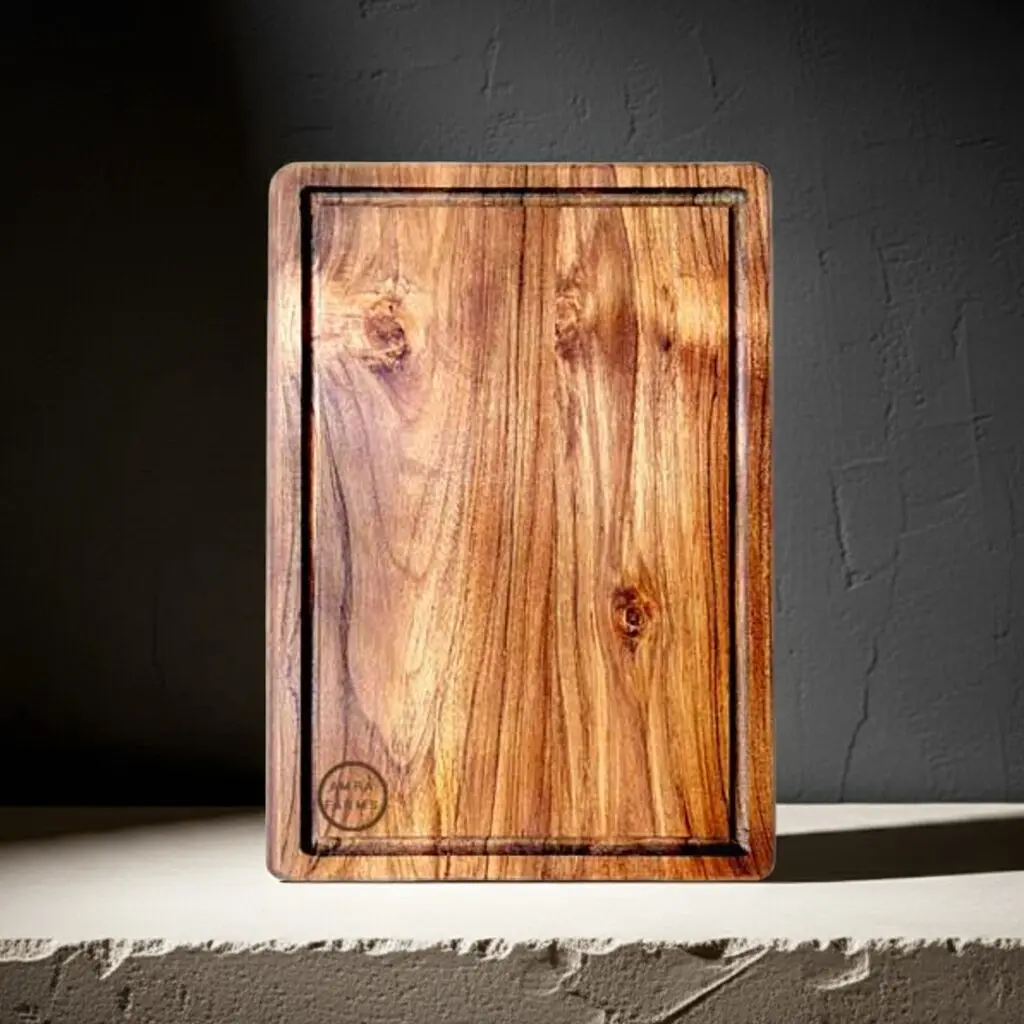
Wooden boards absorb juices from meat. Clean them quickly to stop bacteria growth. Avoid soaking wood in water to prevent warping.
Use hot soapy water right after use. Rinse well and dry with a clean towel. You can also use vinegar to disinfect naturally.
- Wash with hot, soapy water immediately
- Rinse and dry thoroughly
- Use white vinegar spray to kill germs
- Do not soak or put in dishwasher
Plastic Boards
Plastic boards can handle more water and heat than wood. They are dishwasher safe and easier to clean deeply.
Wash with hot water and soap. For better disinfection, use a mild bleach solution or run through the dishwasher.
- Wash with hot, soapy water
- Use a mild bleach solution to disinfect
- Dishwasher safe for deep cleaning
- Check for deep cuts and replace if needed
Bamboo And Composite Boards
Bamboo boards are hard and less porous than wood. Composite boards mix materials for durability. Both need gentle cleaning.
Wash with warm, soapy water and rinse well. Avoid soaking or harsh chemicals to protect the board’s surface.
- Clean with warm water and mild soap
- Rinse and dry quickly
- Avoid soaking to prevent damage
- Do not use strong chemicals or bleach
Frequently Asked Questions
How Do I Disinfect A Cutting Board After Using Meat?
Clean the board with hot soapy water first. Then, apply a solution of 1 tablespoon bleach per gallon of water. Let it sit for a few minutes, rinse thoroughly, and air dry to kill harmful bacteria effectively.
Can Vinegar Be Used To Disinfect Cutting Boards?
Yes, vinegar is a natural disinfectant. Spray white vinegar on the cutting board and let it sit for a few minutes. Rinse with water and dry. Vinegar helps reduce bacteria but bleach is more effective for thorough disinfection.
How Often Should Cutting Boards Be Disinfected After Meat Use?
Disinfect cutting boards after every use with raw meat. This prevents cross-contamination and foodborne illnesses. Regular cleaning and disinfecting maintain kitchen hygiene and keep your cutting boards safe for food preparation.
Is It Safe To Use Bleach On Wooden Cutting Boards?
Yes, but use diluted bleach carefully. Mix 1 tablespoon bleach with 1 gallon of water. Apply briefly and rinse thoroughly. Avoid soaking wood to prevent damage. Proper rinsing ensures safety and maintains the board’s quality.
Conclusion
Cleaning cutting boards after meat use keeps your kitchen safe. Use hot water and soap to remove meat juices. Then, apply a disinfectant like diluted bleach or vinegar. Let it sit for a few minutes before rinsing well. Dry the board completely to stop germs from growing.
Regular cleaning helps prevent foodborne illnesses. Keep your cutting boards fresh and safe with these easy steps. Safe food starts with a clean board. Simple habits protect your family every day.