
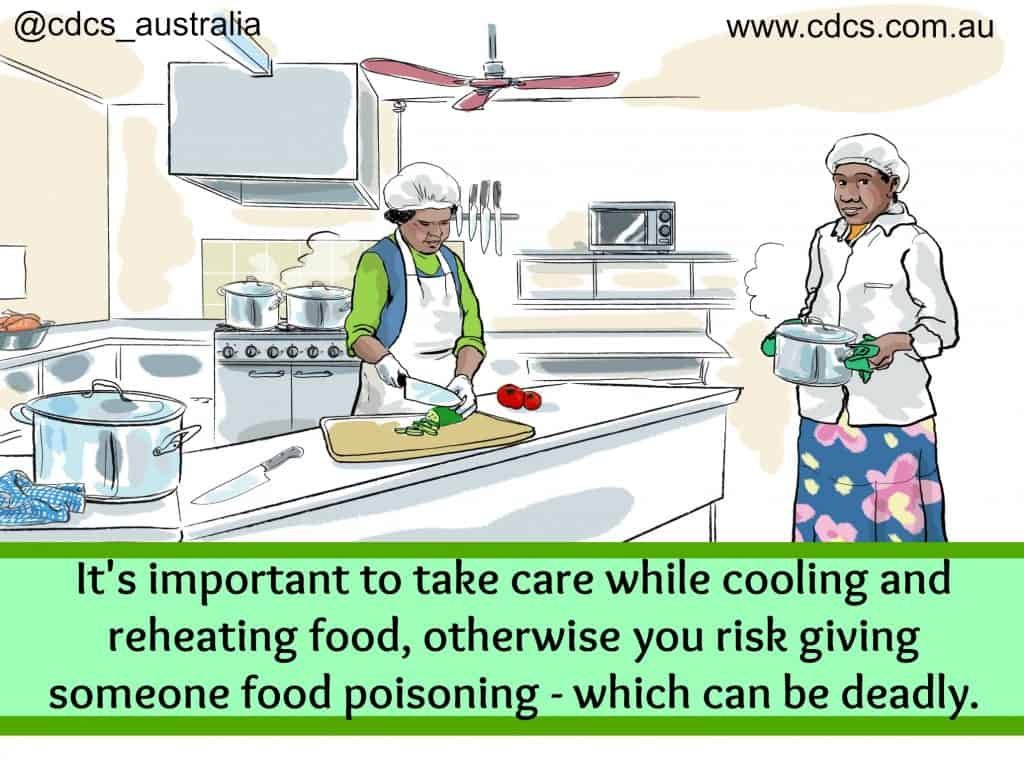
Baking is a joy, but keeping your kitchen clean while you work can be a real challenge. If you don’t maintain proper hygiene, your delicious treats could end up unsafe or less tasty.
Imagine mixing dough with sticky hands or working on a cluttered counter—doesn’t sound fun, right? This guide will show you simple, effective ways to keep your kitchen spotless while baking. By following these tips, you’ll protect your health and make the whole baking process smoother and more enjoyable.
Ready to transform your kitchen into a clean, organized space? Let’s dive in!
Keep Work Surfaces Clean
Maintaining kitchen hygiene is important while baking. Clean work surfaces help prevent contamination. A tidy workspace keeps your food safe and your kitchen organized.
Regular cleaning reduces the spread of germs. It ensures a safe baking environment for everyone. Here are some tips to help you keep your work surfaces clean.
Sanitize Before Starting
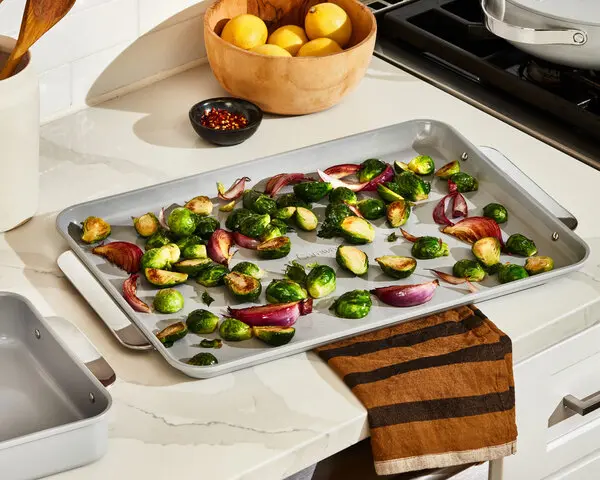
Before baking, sanitize your work surfaces. This step removes bacteria and dirt. Use a clean cloth and a suitable cleaning solution. Make sure the surface is dry before placing any ingredients on it.
Sanitizing is a simple yet crucial step. It keeps your baked goods safe and delicious. Always make it a part of your baking routine.
Wipe Spills Immediately
Spills happen often while baking. Wipe them immediately to prevent stains. Quick cleaning stops bacteria from spreading.
Keep a cloth or paper towel nearby. Clean up as you go. This habit keeps your kitchen tidy and safe.
- Keep cleaning supplies within reach
- Use separate cloths for raw and cooked ingredients
- Check surfaces regularly for spills
Credit: www.carawayhome.com
Wash Hands Frequently
Keeping your hands clean is very important while baking. Clean hands stop germs from getting into your food.
Washing hands often helps keep your kitchen safe and your baked goods healthy.
Proper Handwashing Technique
Wash your hands with soap and warm water. Rub all parts of your hands well for at least 20 seconds.
Make sure to clean under your nails and between your fingers. Rinse and dry your hands with a clean towel.
- Use clean, running water
- Apply enough soap to cover all hand surfaces
- Scrub palms, back of hands, and fingers
- Clean under fingernails
- Rinse thoroughly
- Dry with a clean towel or air dry
When To Wash During Baking
Wash your hands before you start baking to remove dirt and germs. Also wash after touching raw ingredients like eggs or flour.
Wash hands after using the bathroom, touching your face, or handling trash. Clean hands help keep your kitchen safe.
- Before starting to bake
- After handling raw eggs or flour
- After touching your face or hair
- After using the bathroom
- After handling garbage
- After sneezing or coughing
Use Clean Utensils And Equipment
Keeping your utensils and equipment clean is key to good kitchen hygiene. Clean tools help avoid germs and keep your baked goods safe.
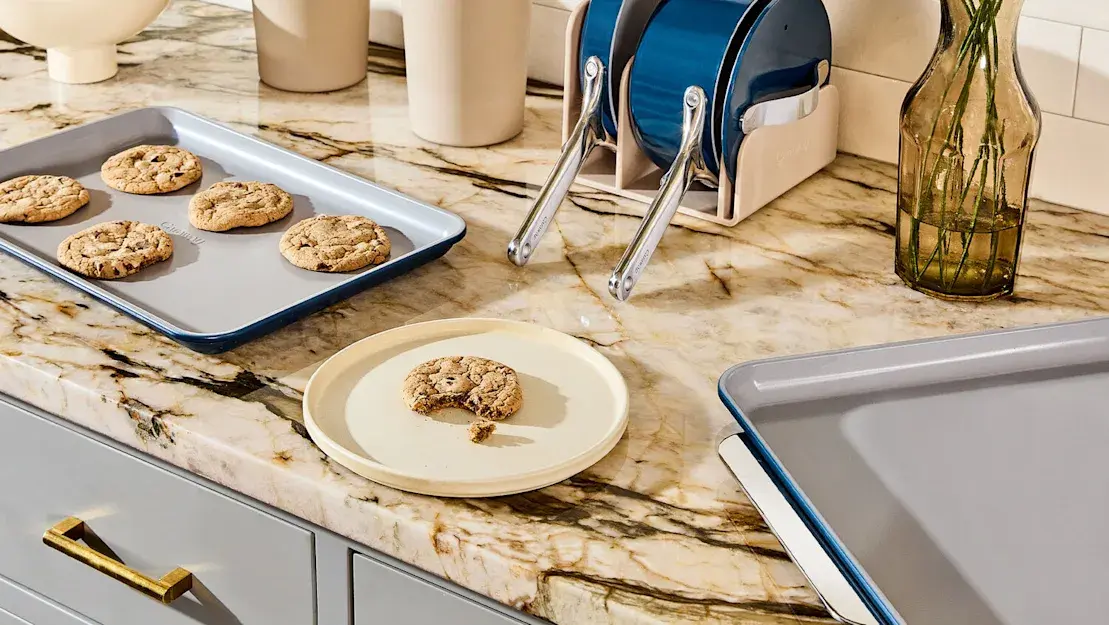
Always wash and dry your baking tools before use. This reduces the risk of contamination and keeps your kitchen tidy.
Regularly Clean Mixing Bowls
Mixing bowls hold your ingredients, so they must be clean every time. Wash them with hot, soapy water after each use.
Rinse well and dry with a clean towel or air dry. This stops bacteria from growing on the surface.
Sterilize Measuring Tools
Measuring spoons and cups touch many ingredients. Sterilize them often to kill germs and keep your food safe.
Use boiling water or a mild bleach solution to sterilize. Rinse well and let them dry before your next use.
Credit: www.carawayhome.com
Handle Ingredients Safely
Keeping your kitchen clean is key when baking. Handling ingredients safely helps stop germs.
Proper care of ingredients keeps food safe and tasty. It also protects your health.
Store Ingredients Properly
Store ingredients in cool, dry places. Keep them sealed to avoid moisture and bugs.
Check expiration dates often. Throw away any old or spoiled items to stay safe.
- Keep flour and sugar in airtight containers
- Store eggs in the refrigerator
- Keep butter and milk cold
- Place spices away from heat and light
Avoid Cross-contamination
Use clean tools and surfaces when baking. Wash hands before and after handling ingredients.
Keep raw and cooked ingredients separate. This stops germs from spreading.
- Wash cutting boards after use
- Use separate spoons for raw and cooked batter
- Clean spills immediately
- Sanitize countertops regularly
Maintain Oven And Appliances
Keeping your oven and appliances clean is key for kitchen hygiene while baking. Dirty ovens can affect food taste and safety.
Regular care of appliances helps prevent germs and keeps your kitchen safe. It also extends the life of your equipment.
Clean Oven Regularly
Remove food spills and crumbs after each use. This stops smoke and bad smells.
Use oven cleaner or a baking soda paste to clean the inside. Wipe down all surfaces well.
- Take out oven racks and wash separately.
- Spray cleaner and let it sit for 20 minutes.
- Scrub gently with a sponge or cloth.
- Rinse with a damp cloth until clean.
Check Appliance Hygiene
Clean all appliance surfaces often, including buttons and handles. Germs can hide there.
Unplug appliances before cleaning. Use mild soap and water or disinfectant wipes for best results.
- Wipe the toaster, mixer, and blender regularly.
- Remove crumbs from toasters to avoid mold.
- Check cords and plugs for dirt buildup.
- Dry appliances fully before use.
Dispose Of Waste Correctly
Keeping your kitchen clean while baking is important. Proper waste disposal helps prevent germs and bad smells.
Throwing away waste the right way keeps your kitchen safe and tidy.
Use Sealed Trash Bins
Sealed trash bins stop odors from spreading in your kitchen. They also keep bugs away from your waste.
Choose bins with tight-fitting lids. This helps keep your kitchen clean during baking.
- Prevent flies and insects
- Reduce bad smells
- Keep waste contained
Remove Waste Promptly
Throw out kitchen waste as soon as possible. Do not let trash pile up while baking.
Prompt removal stops germs from growing and keeps your kitchen fresh.
- Empty bins often
- Clean bins regularly
- Dispose of food scraps quickly
Organize Baking Space
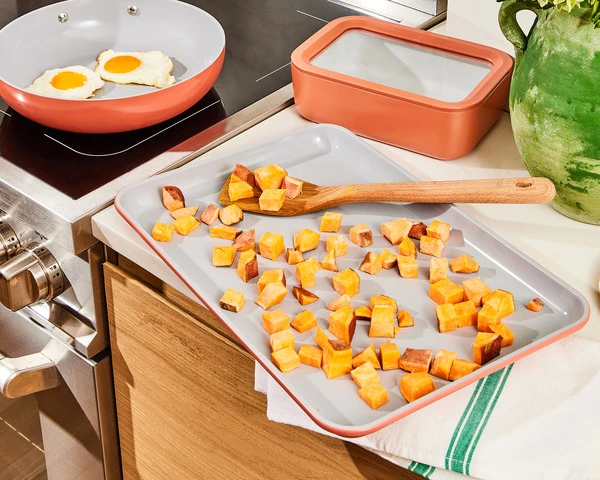
Keeping your baking area tidy helps maintain kitchen hygiene. An organized space makes baking safer and faster.
Planning your baking space reduces mess and avoids cross-contamination. It also keeps ingredients fresh and tools clean.
Keep Tools Within Reach
Place your baking tools close to your work area. This saves time and limits movement during baking.
Store frequently used items like measuring cups, spatulas, and mixing bowls near the counter.
- Use hooks or racks for hanging tools
- Keep containers for spoons and whisks on the counter
- Store knives and cutters in a safe but reachable spot
Avoid Clutter
Clear away items that you do not need for baking. Clutter can cause spills and attract pests.
Use shelves or drawers to store ingredients and equipment neatly. Keep only what you need on the countertop.
- Clean up spills immediately
- Put away unused items after each use
- Organize ingredients in labeled containers
Credit: www.carawayhome.com
Frequently Asked Questions
How Often Should I Clean Surfaces During Baking?
Clean surfaces before, during, and after baking to prevent contamination. Wipe spills immediately using a disinfectant. Regular cleaning maintains hygiene and avoids cross-contamination.
What Are The Best Tools For Maintaining Kitchen Hygiene?
Use separate cutting boards, clean utensils, and sanitized equipment. Microfiber cloths and food-safe disinfectants help keep surfaces germ-free during baking.
How Can I Avoid Cross-contamination While Baking?
Wash hands frequently and use separate utensils for raw and cooked ingredients. Clean surfaces and tools thoroughly between tasks to prevent bacteria spread.
Why Is Handwashing Important In Kitchen Hygiene?
Handwashing removes germs and bacteria that cause foodborne illnesses. Always wash hands before handling ingredients and after touching raw food for safe baking.
Conclusion
Keeping your kitchen clean while baking helps prevent germs and accidents. Wash your hands often and clean surfaces before and after use. Use separate tools for raw and cooked foods to avoid cross-contamination. Store ingredients properly to keep them fresh and safe.
Regularly take out trash and wipe spills quickly. Small steps make a big difference in kitchen hygiene. Enjoy baking with confidence and safety every time. Clean habits protect your health and make cooking fun. Simple care keeps your kitchen a safe place for all.