
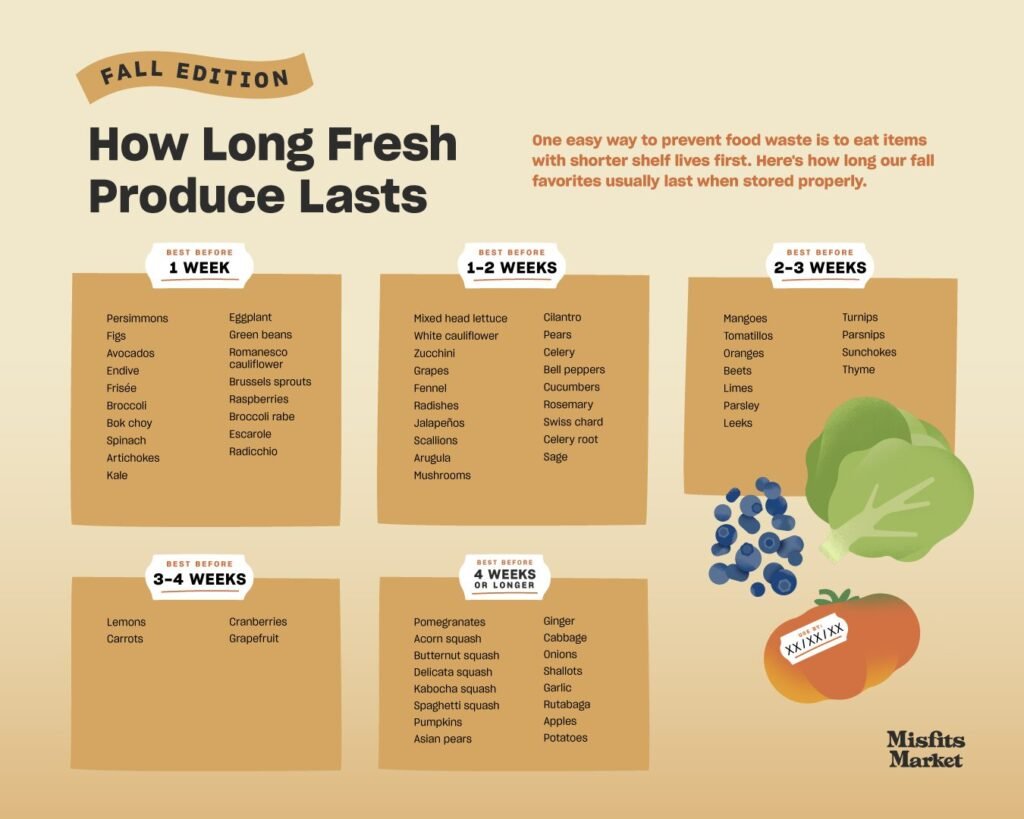
Are you tired of your fruits and vegetables going bad before you get a chance to enjoy them? Proper storage can make all the difference in keeping your produce fresh, tasty, and nutritious for longer.
Imagine opening your fridge and seeing crisp lettuce, juicy berries, and ripe tomatoes ready to eat anytime you want. You’ll discover simple, practical tips that can help you store your fruits and veggies the right way. Keep reading, and you’ll never waste food or money on spoiled produce again!
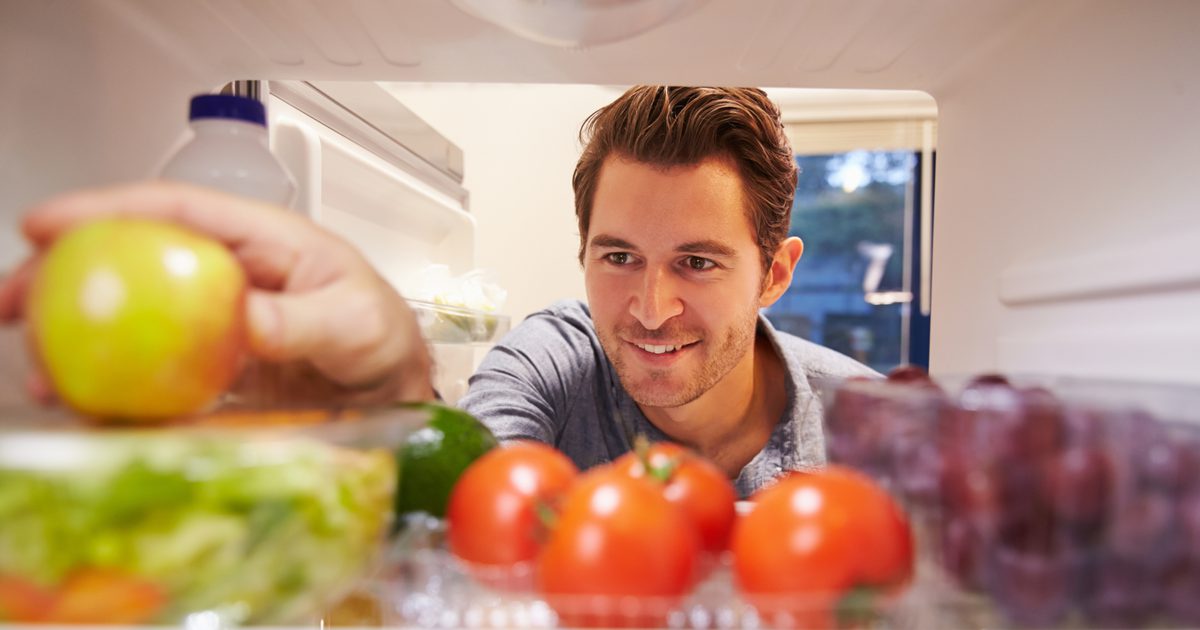
Credit: hubbub.org.uk
Choosing Fresh Produce
Picking the right fruits and vegetables ensures they stay fresh longer. Fresh produce also tastes better and keeps its nutrients.
Here are some tips to help you choose the freshest options available. Learn how to select ripe fruits and pick fresh vegetables.
Selecting Ripe Fruits
Ripe fruits are full of flavor and nutrients. Check their color and feel. Different fruits have unique signs of ripeness.
Smell can also help. Many ripe fruits have a sweet aroma. Avoid fruits with bruises or soft spots.
- Apples: Firm and crisp
- Bananas: Yellow with small brown spots
- Strawberries: Bright red and fragrant
Picking Fresh Vegetables
Fresh vegetables are key to tasty meals. Look for vibrant colors and firm textures. Avoid wilted or discolored veggies.
Check for any signs of decay. Fresh vegetables should not have brown spots or mold. Smell can also indicate freshness.
- Carrots: Bright orange and firm
- Broccoli: Dark green with tight florets
- Lettuce: Crisp and bright green leaves

Credit: www.produceretail.com
Proper Cleaning Techniques
Cleaning fruits and vegetables is important to remove dirt and germs. Proper cleaning helps keep your food safe to eat.
Using the right cleaning methods can also help fruits and vegetables last longer. This guide shows simple ways to clean them well.
Washing Fruits Safely
Rinse fruits under cold running water before eating or storing. Avoid using soap or detergents on fruits as they can leave harmful residues.
Use your hands or a soft brush to gently scrub fruits with firm skin, like apples or melons. This removes dirt and bacteria effectively.
- Hold fruit under cold water
- Use a soft brush for firm fruits
- Do not soak fruits in water for too long
- Dry fruits with a clean cloth or paper towel
Cleaning Vegetables Effectively
Vegetables need a thorough wash to remove soil and pesticides. Rinse them under cold water before cooking or eating.
For leafy greens, soak them in a bowl of cold water. Swirl gently to loosen dirt, then rinse again under running water.
- Rinse vegetables under cold water
- Soak leafy greens for a few minutes
- Use a vegetable brush for root vegetables
- Dry with a clean towel before storing
Ideal Storage Conditions
Proper storage helps keep fruits and vegetables fresh longer. It slows down spoilage and loss of nutrients.
Different produce needs different conditions. Pay attention to temperature and humidity for best results.
Temperature Tips
Most fruits and vegetables last longer in cool places. Keep them between 32°F and 50°F (0°C to 10°C) if possible.
Some produce like tomatoes and bananas do better at room temperature. Avoid putting them in the fridge.
- Keep leafy greens cold, around 32°F to 40°F (0°C to 4°C).
- Store root vegetables like carrots and potatoes in cool, dark areas.
- Do not mix cold-sensitive fruits with cold-tolerant vegetables.
Humidity Control
Humidity helps prevent fruits and vegetables from drying out. Use a humid environment for leafy and crisp produce.
Too much moisture causes mold and rot. Use ventilation or paper towels to absorb extra water.
- High humidity (85%-95%) suits lettuce, spinach, and broccoli.
- Lower humidity (50%-60%) is best for onions, garlic, and winter squash.
- Use perforated bags or containers to balance air and moisture.
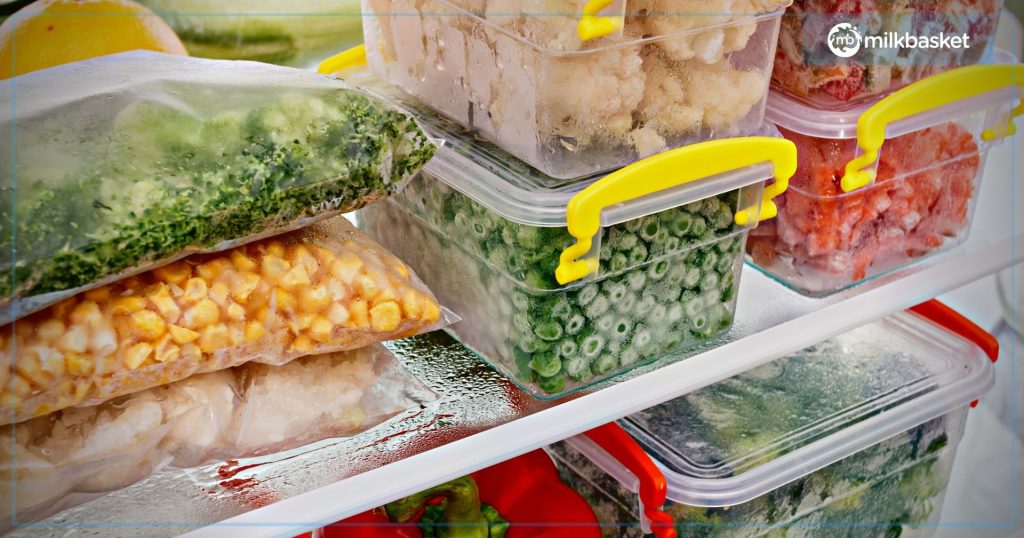
Credit: blog.milkbasket.com
Storage Methods For Fruits
Storing fruits correctly helps keep them fresh and tasty longer. Different fruits need different storage methods.
Choosing the right way to store fruits saves money and reduces waste.
Room Temperature Storage
Some fruits do best outside the fridge. They ripen well at room temperature and keep their flavor.
Examples include bananas, tomatoes, and peaches. Keep them away from sunlight and heat.
- Place fruits in a fruit bowl or on a counter
- Keep them in a single layer to avoid bruising
- Check daily for ripeness or spoilage
Refrigeration Guidelines
Cold storage slows down ripening and decay for many fruits. Use the fridge for berries, apples, and grapes.
Store fruits in perforated plastic bags or containers. This keeps moisture balanced and air flowing.
- Keep fridge temperature between 32-40°F (0-4°C)
- Separate ethylene-producing fruits like apples from others
- Wash fruits only before eating, not before storing
Freezing For Longevity
Freezing preserves fruits for months. It stops spoilage and keeps nutrients intact.
Prepare fruits by washing, cutting, and drying before freezing. Use airtight bags or containers.
- Freeze berries, mangoes, and pineapple in single layers first
- Label packages with date and fruit type
- Use frozen fruits for smoothies, baking, or cooking
Storage Methods For Vegetables
Storing vegetables properly keeps them fresh and tasty for longer. Different vegetables need different storage methods.
Using the right storage helps reduce waste and saves money. It also keeps the nutrients in vegetables intact.
Short-term Storage
Short-term storage means keeping vegetables fresh for a few days to a week. This works well for leafy greens and tender vegetables.
Keep vegetables in the fridge in breathable containers or bags. Avoid washing them before storage to prevent moisture buildup.
- Use perforated plastic bags or produce bags
- Wrap leafy greens in paper towels
- Store vegetables in the crisper drawer
- Keep herbs in water like flowers
Long-term Storage
Long-term storage keeps vegetables fresh for weeks or months. Some vegetables store well in cool, dry places or need special preparation.
Freezing, drying, or canning vegetables extends their shelf life. Blanch vegetables before freezing to keep texture and color.
- Freeze vegetables in airtight containers
- Dry vegetables using a dehydrator or oven
- Can vegetables using proper sterilization
- Store in cool, dark places if not freezing
Root Cellar Tips
Root cellars are cool, dark, and humid spaces perfect for storing root vegetables. They keep carrots, potatoes, and onions fresh for months.
Keep root vegetables loose and dry. Avoid washing before storing. Use bins with ventilation or layers of sand to reduce moisture loss.
- Store potatoes in a dark place to prevent greening
- Keep onions dry and away from potatoes
- Use sand or sawdust for carrots and beets
- Maintain temperature around 32-40°F (0-4°C)
Avoiding Common Storage Mistakes
Storing fruits and vegetables correctly keeps them fresh longer. Many people make simple mistakes that cause spoilage.
Learning how to store produce properly can reduce waste and save money. Here are tips to avoid common errors.
Preventing Moisture Damage
Too much moisture can cause fruits and vegetables to rot quickly. It creates a perfect environment for mold and bacteria.
Keep produce dry by using paper towels or cloth inside storage containers. Check and remove any water buildup often.
- Use perforated bags to allow air flow
- Store leafy greens wrapped in a dry cloth
- Keep moisture-sensitive items separate from wet produce
Separating Ethylene Producers
Some fruits release ethylene gas, which speeds up ripening. This gas can spoil other nearby fruits and vegetables.
Keep ethylene-producing items apart from ethylene-sensitive ones to slow spoilage and keep produce fresh longer.
- Ethylene producers: apples, bananas, tomatoes
- Ethylene sensitive: lettuce, carrots, potatoes
- Store these groups in different drawers or shelves
Using Proper Containers
Choosing the right containers helps control air flow and moisture. This protects fruits and vegetables from damage.
Use containers that fit your produce size. Avoid airtight containers for items that need air circulation.
- Use ventilated containers for fresh greens
- Plastic bags with holes work well for most vegetables
- Hard containers keep delicate fruits safe from bruising
Extending Freshness Naturally
Fresh fruits and vegetables can spoil quickly. Storing them properly keeps them fresh longer. Natural methods help avoid chemicals.
Simple tips can improve the life of your produce. These ideas work well in most kitchens.
Using Natural Preservatives
Natural preservatives slow down ripening and mold growth. They keep fruits and vegetables fresh without artificial additives.
Common natural preservatives include lemon juice and vinegar. These help reduce bacteria and keep produce crisp.
- Sprinkle lemon juice on cut fruits like apples and pears
- Use diluted vinegar to wash leafy greens before storing
- Store produce with fresh herbs like rosemary or thyme
- Place a slice of onion or garlic near stored vegetables to deter pests
Wrapping And Covering Techniques
Proper wrapping helps keep moisture and air at the right levels. This slows down spoilage and preserves taste.
Use breathable materials to avoid mold. Covering fruits and vegetables can reduce bruising and drying out.
- Wrap leafy greens in a damp cloth or paper towel before storing in a plastic bag
- Use perforated plastic bags to allow airflow for some vegetables
- Cover cut fruits with plastic wrap or beeswax wraps to keep moisture in
- Store mushrooms in paper bags instead of plastic to avoid sliminess
Frequently Asked Questions
How To Store Fruits To Keep Them Fresh Longer?
Store fruits in a cool, dry place away from direct sunlight. Use breathable bags or containers to prevent moisture buildup. Keep ethylene-producing fruits separate to avoid premature ripening and spoilage.
What Is The Best Way To Store Vegetables At Home?
Store vegetables in the refrigerator’s crisper drawer, wrapped in paper towels. Avoid washing before storage to reduce moisture. Use perforated bags for proper air circulation and freshness.
Can Fruits And Vegetables Be Stored Together Safely?
It’s best to store fruits and vegetables separately. Fruits emit ethylene gas that can cause vegetables to spoil faster. Keep them in different compartments or drawers to maintain freshness.
How To Prevent Fruits From Ripening Too Quickly?
Keep fruits like bananas and tomatoes away from heat and ethylene-sensitive produce. Refrigerate ripe fruits to slow ripening. Use ventilated storage to control moisture and gas levels effectively.
Conclusion
Proper storage keeps fruits and vegetables fresh longer. Store them in cool, dry places or the fridge as needed. Keep fruits and veggies separate to avoid quick spoilage. Use breathable containers or bags to maintain freshness. Check them often and remove spoiled items quickly.
These small steps save money and reduce waste. Enjoy fresh, tasty produce every day with simple care. Easy habits make a big difference in your kitchen.