
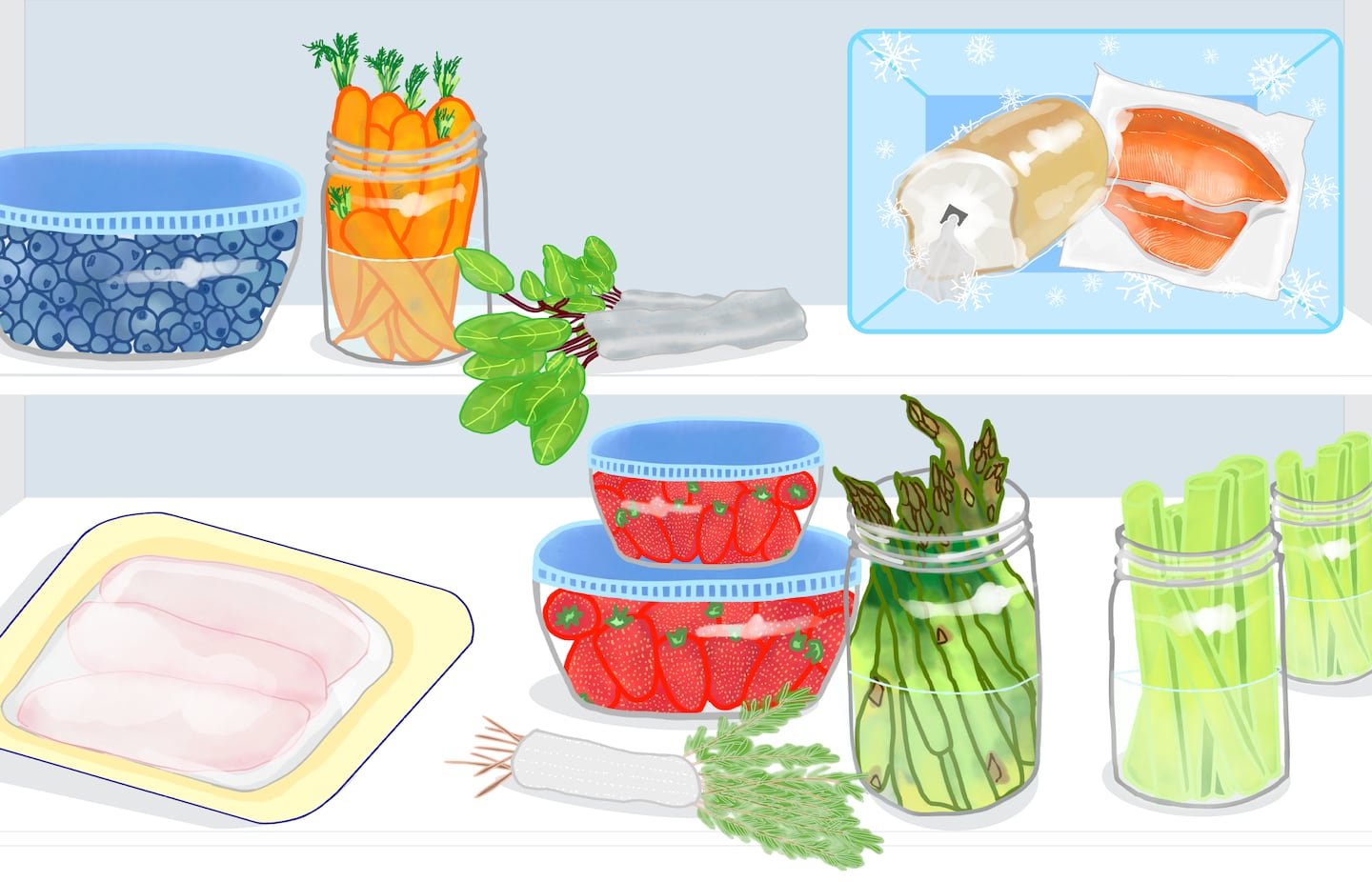
You’ve just finished a delicious meal, but what’s next? Storing your cooked food safely is more important than you might think.
If you don’t handle it the right way, your leftovers could spoil quickly or even make you sick. Imagine enjoying your favorite dish again without worry or waste. You’ll discover simple, practical tips that make storing cooked food easy and safe.
Keep reading—you’ll thank yourself later!

Credit: www.delish.com
Keep Food At Safe Temperatures
Storing cooked food safely is important to prevent foodborne illnesses. Keeping food at the right temperature helps stop bacteria from growing.
Learn how to store food safely by using ideal cooling methods, avoiding the danger zone, and reheating food properly.
Ideal Cooling Methods
Cooling food quickly is key to keeping it safe. Use shallow containers to cool food faster. Larger portions take longer to cool and can spoil.
Divide large amounts of food into smaller portions. This helps them cool more rapidly in the fridge.
- Use shallow containers for faster cooling
- Divide large portions into smaller ones
- Store food in the fridge within two hours
Avoiding The Danger Zone
Food should not stay between 40°F and 140°F. This is the danger zone where bacteria grow quickly.
Keep hot foods above 140°F and cold foods below 40°F. This reduces the risk of foodborne illnesses.
| Type of Food | Safe Temperature |
| Hot Foods | Above 140°F |
| Cold Foods | Below 40°F |
Proper Reheating Practices
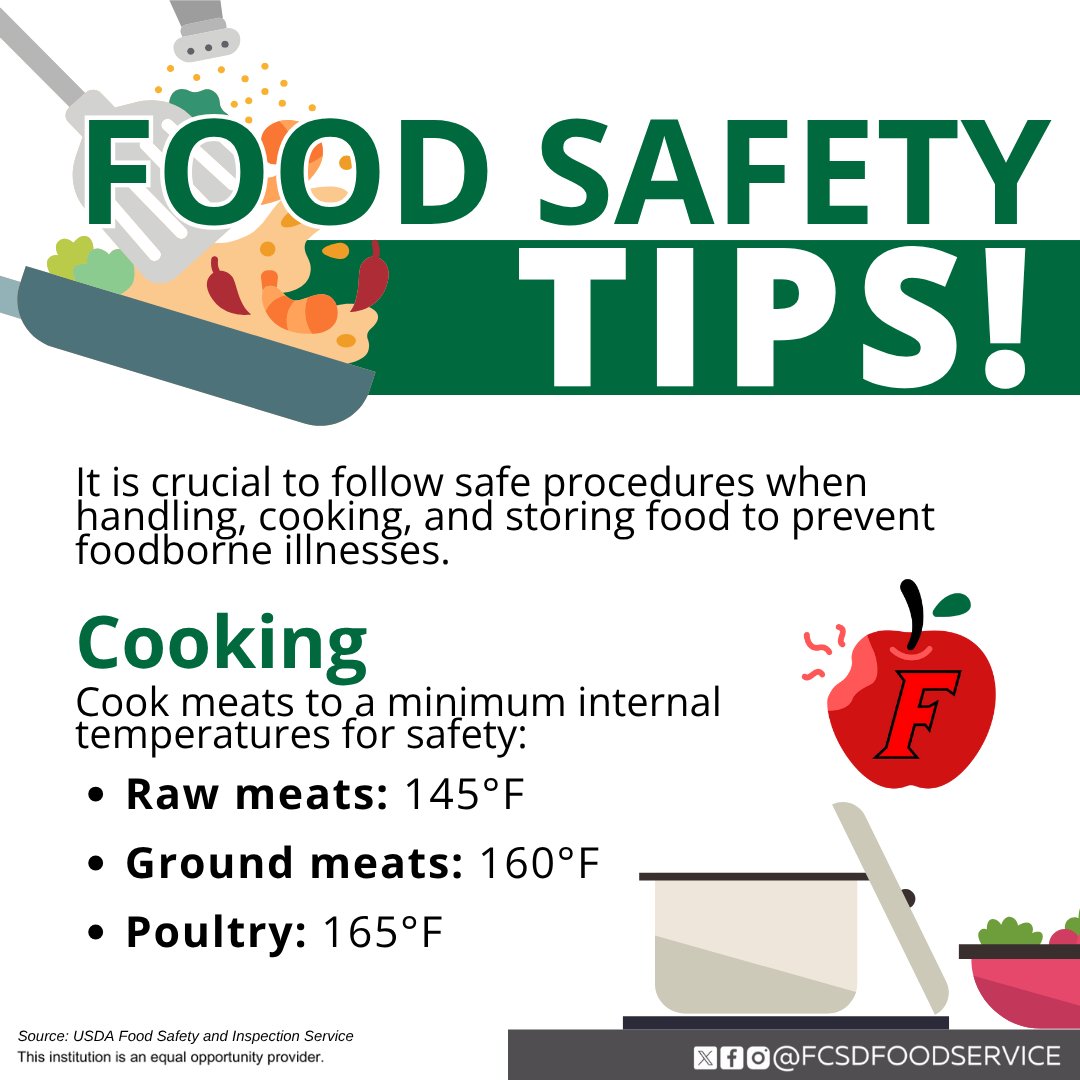
Reheat food to at least 165°F. This temperature kills most bacteria.
Use a food thermometer to check the temperature. Stir food to ensure even heating.
- Reheat to at least 165°F
- Use a food thermometer
- Stir food for even heating
Use Appropriate Containers
Storing cooked food properly keeps it fresh and safe. Using the right containers helps prevent spills and contamination.
Choosing containers that fit your food and storage needs makes a big difference. This guide covers important tips.
Material Choices
Containers come in many materials. Some keep food fresher and are safer for reheating.
Glass, plastic, and stainless steel are common options. Each has its pros and cons.
- Glass is good for reheating and does not stain.
- Plastic is lightweight but may absorb odors.
- Stainless steel is durable and easy to clean.
- Check that containers are food-safe and BPA-free.
Sealing Techniques
Sealing containers well keeps air out and stops spills. This helps food stay fresh longer.
Use lids that fit tightly or seals that lock. You can also wrap containers with plastic wrap for extra protection.
- Check lids for cracks or warping before use.
- Press lids firmly to avoid gaps.
- Wrap containers with plastic wrap if lids are loose.
- Use airtight containers for strong-smelling foods.
Portion Control
Store food in small portions. This helps cool food faster and reduces waste.
Using portion-sized containers also makes reheating easier and safer. Avoid overfilling containers to let heat circulate.
- Divide large meals into smaller containers.
- Leave space at the top for expansion.
- Label containers with date and contents.
- Freeze or refrigerate portions promptly.
Label And Date Stored Food
Storing cooked food safely helps prevent waste and illness. Labeling and dating food keeps track of how long it has been stored.
Clear labels and dates make it easy to know when food should be eaten or thrown away.
Tracking Freshness
Knowing how fresh your food is helps keep it safe to eat. Write the date when you store the food on the container.
Check the date before using the food. Eat or discard food based on how long it has been stored.
Using Clear Labels
Use labels that are easy to read and stick well. Write the name of the food and the date you stored it.
- Use waterproof markers or labels
- Place labels where you can see them
- Include the cooking date and food type
First In, First Out Method
Use older food before newer food to reduce waste. Arrange stored food so the oldest is in front.
- Place newly cooked food behind older items
- Always eat or use the oldest food first
- Check dates regularly to avoid spoiled food
Refrigeration And Freezing Tips
Storing cooked food safely helps prevent illness and keeps food fresh. Using the right methods in refrigeration and freezing is important.
This guide shares easy tips for organizing your fridge, freezing food properly, and thawing safely.
Optimal Fridge Organization
Keep cooked foods on higher shelves to avoid drips from raw items. Store them in airtight containers to maintain freshness.
Use clear containers so you can see contents easily. Label each container with the date you cooked the food.
- Place cooked food above raw meat and fish
- Use airtight containers or wrap food tightly
- Keep similar foods together for easy access
- Label containers with cooking or storage dates
Freezing Best Practices
Freeze cooked foods quickly to keep quality and safety. Use freezer-safe bags or containers to prevent freezer burn.
Remove as much air as possible before sealing to protect flavor. Portion food into small servings to help fast freezing and easy thawing.
- Cool food before freezing to avoid raising freezer temperature
- Use freezer-safe containers or heavy-duty bags
- Remove air to prevent freezer burn
- Freeze in small portions for quicker thawing
- Label with food type and freezing date
Thawing Safely
Thaw cooked food in the fridge to keep it at a safe temperature. Avoid leaving food out on the counter to stop bacteria growth.
You can also thaw food in cold water or microwave if you plan to cook it immediately after.
- Thaw food in the refrigerator overnight
- Use cold water in a sealed bag for faster thawing
- Microwave thaw only if cooking right away
- Never thaw food at room temperature
- Cook thawed food within 1-2 days for best safety
Avoid Cross-contamination
Cross-contamination can make cooked food unsafe to eat. It happens when harmful germs move from raw to cooked food. Storing cooked food safely stops these germs from spreading.
Keep your kitchen clean and organized. Follow simple tips to avoid cross-contamination and protect your health.
Separate Raw And Cooked Foods
Always keep raw foods away from cooked foods. Raw meat, fish, and eggs have germs that can spread to cooked meals. Use different containers and shelves for each.
Store cooked food on higher shelves. Put raw food below to stop drips from contaminating cooked items.
- Use sealed containers for cooked food
- Keep raw meat in leak-proof packaging
- Do not mix raw and cooked foods in the same container
Clean Storage Areas
Clean your fridge and pantry regularly. Remove spills and crumbs fast. Germs grow in dirty places and can infect your food.
Wipe shelves with warm, soapy water. Dry them before placing food back. Clean containers before reuse.
- Clean fridge shelves weekly
- Wash storage containers after each use
- Dispose of expired foods promptly
Proper Hand Hygiene
Wash your hands before and after handling food. Hands carry germs that can spoil cooked food. Use soap and water for at least 20 seconds.
Dry hands with a clean towel or air dry them. Avoid touching cooked food with bare hands.
- Wash hands before cooking
- Clean hands after touching raw food
- Use gloves if possible when handling cooked food
Credit: www.canr.msu.edu
Recognize Signs Of Spoilage
Storing cooked food safely is important to avoid illness. Knowing the signs of spoilage helps keep food safe to eat.
Look closely at your food before eating or storing it. Spoiled food often shows clear signs you can spot easily.
Visual Cues
Check the food’s color and appearance. Spoiled food may have mold, discoloration, or strange spots.
- Green, white, or black mold spots appear on the surface
- Food changes color from its normal shade
- Surface looks slimy or wet when it should not
- Unusual fuzz or growths form on the food
Smell And Texture Changes
Smell the food carefully. Spoiled food often smells sour, rotten, or bad. Trust your nose.
Touch the food to feel its texture. If it feels sticky, slimy, or mushy, it may be spoiled.
- Sour or foul odor
- Sticky or slimy surface
- Soft or mushy texture when it should be firm
When To Discard
Throw away cooked food if you see clear signs of spoilage. It is not safe to eat.
Do not taste food to check spoilage. Tasting can cause food poisoning if the food is bad.
- Discard food with mold or fuzz
- Throw away food with bad smell or texture
- When unsure, it is safer to discard the food
Credit: x.com
Frequently Asked Questions
How Long Can Cooked Food Be Stored Safely?
Cooked food is safe in the fridge for 3-4 days. For longer storage, freeze it within two hours of cooking. Always check for any signs of spoilage before eating.
What Is The Best Temperature To Store Cooked Food?
Store cooked food at or below 40°F (4°C) in the refrigerator. Freezing should be at 0°F (-18°C) or below. Proper temperature prevents bacterial growth and keeps food safe.
Should Cooked Food Be Cooled Before Refrigerating?
Yes, cool cooked food within two hours before refrigerating. Use shallow containers to speed cooling. Avoid leaving food at room temperature to reduce bacterial risk.
Can I Store Cooked Food In Any Container?
Use airtight, food-safe containers to store cooked food. Glass or BPA-free plastic containers work best. Proper sealing keeps food fresh and prevents contamination.
Conclusion
Storing cooked food safely keeps it fresh and tasty longer. Cool food quickly before putting it in the fridge. Use clean containers with tight lids to avoid spills. Label leftovers with dates to track freshness easily. Reheat food fully to kill any germs.
Eating safe food helps prevent sickness and keeps you healthy. Following these simple steps makes a big difference in your kitchen. Safe storage protects your family and saves money. Remember, a little care goes a long way.