
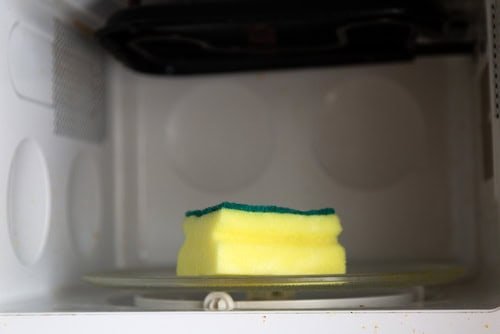
Your kitchen sponge is one of the most used tools in your home, but it can also be a hidden hotspot for germs. If you’re not sanitizing it regularly, you might be spreading bacteria every time you clean.
Imagine wiping down your counters with a sponge that’s full of harmful microbes—sounds unpleasant, right? The good news is, keeping your sponge clean is easier than you think. You’ll discover simple, effective ways to sanitize your kitchen sponges and keep your kitchen safe and fresh.
Keep reading to protect your family and make your cleaning routine smarter.

Credit: www.aol.com
Why Sanitize Kitchen Sponges
Kitchen sponges are used daily for cleaning. They can collect bacteria and germs quickly. Regular sanitization is important to keep them safe.
Cleaning sponges helps prevent health risks. It ensures your kitchen is a safe place for food preparation.
Health Risks Of Dirty Sponges
Dirty sponges can spread germs and bacteria. This increases the risk of illness. It’s important to keep them clean.
Diseases like salmonella and E. coli can be transferred. This happens easily through unclean sponges.
Bacteria And Germ Growth
Sponges are often wet and warm. This makes them the perfect place for bacteria to grow.
The germs multiply quickly if not sanitized. This can lead to contamination in your kitchen.
Impact On Food Safety
Using dirty sponges can affect food safety. They can transfer bacteria to dishes and surfaces.
Keeping sponges clean helps ensure food is safe to eat. It reduces the risk of spreading harmful bacteria.
- Sanitize sponges in the microwave for one minute
- Wash them in hot, soapy water
- Replace sponges regularly to maintain cleanliness

Credit: sqwishful.com
Signs Your Sponge Needs Cleaning
Kitchen sponges are used daily and can hold many germs. Cleaning them regularly keeps your kitchen safe.
Knowing when to clean your sponge helps stop bad smells and bacteria growth.
Unpleasant Odor
If your sponge smells bad or sour, it needs cleaning. A strong odor means bacteria are growing inside.
Cleaning your sponge stops the smell and keeps your kitchen fresh.
Visible Stains And Mold
Look for dark stains or mold spots on your sponge. These signs show that dirt and germs have built up.
Sponges with mold can spread harmful bacteria and should be cleaned or replaced quickly.
Decreased Cleaning Efficiency
If your sponge no longer cleans well, it is time to sanitize it. A dirty sponge does not remove dirt properly.
Cleaning your sponge helps it work better and lasts longer.
Simple Daily Cleaning Methods
Kitchen sponges can hold many germs if not cleaned well. Cleaning them daily helps keep your kitchen safe. It is easy to do with simple steps.
Regular cleaning stops bad smells and bacteria build-up. Here are easy ways to clean your sponge every day.
Rinsing And Squeezing
Start by rinsing your sponge with hot water after each use. This washes away food particles and soap.
Squeeze the sponge well to remove extra water. A dry sponge slows down germ growth.
Using Dish Soap
Apply dish soap to the sponge and work it in with your hands. This breaks down oils and kills some bacteria.
Rinse the sponge fully to remove soap and dirt. Clean soap helps keep the sponge fresh longer.
Air Drying Properly
Place the sponge in a well-ventilated spot to dry. Air drying stops germs from growing in moist areas.
- Use a sponge holder that allows air flow
- Avoid leaving the sponge in the sink
- Turn the sponge over to dry both sides

Credit: www.yahoo.com
Effective Deep Cleaning Techniques
Kitchen sponges can hold many germs and bacteria. Cleaning them regularly helps keep your kitchen safe.
Use deep cleaning methods to remove dirt and kill germs in your sponges. These methods are easy and effective.
Microwave Method
Wet the sponge and place it in the microwave. Heat it on high for two minutes to kill bacteria.
Be careful when removing the sponge. It will be hot and may steam. Let it cool before use.
Dishwasher Cleaning
Put the sponge in the dishwasher’s top rack. Run a regular hot water cycle with the drying option.
This method cleans and sanitizes the sponge using high heat and detergent. It is easy and hands-free.
Bleach Soak
Mix one tablespoon of bleach in one gallon of water. Soak the sponge for five minutes in the solution.
Rinse the sponge well with water after soaking. This method kills most bacteria and germs effectively.
- Use gloves for safety
- Never mix bleach with other cleaners
- Keep the room ventilated
Vinegar And Baking Soda
Sprinkle baking soda on the sponge. Pour vinegar over it and wait for fizzing to stop.
Soak the sponge in hot water for 10 minutes. This natural method helps remove odors and bacteria.
Preventive Tips To Keep Sponges Clean
Kitchen sponges often hold germs because they stay wet and dirty. Cleaning them regularly helps keep your kitchen safe. Simple habits can stop bacteria from growing on your sponges.
Follow these easy tips to keep your sponges fresh and healthy. They help prevent bad smells and stop cross-contamination in your kitchen.
Regular Replacement Schedule
Change your sponges often to avoid germs building up. A sponge used daily should be replaced every one to two weeks. Old sponges can spread bacteria and make your kitchen unsafe.
Keep track of when you start using a new sponge. Replace it sooner if it smells bad or falls apart.
Separate Sponges For Different Tasks
Use different sponges for washing dishes, cleaning counters, and wiping fruits. This stops germs from one area spreading to another. Label or color code sponges to remember their use.
- One sponge for dishes
- One sponge for counters
- One sponge for cleaning fruits and vegetables
Avoiding Cross-contamination
Rinse sponges well after use and squeeze out all water. Store them in a dry place to stop germs from growing. Do not use the same sponge for raw meat juices and other foods.
- Rinse and dry sponges after every use
- Do not share sponges between raw meat and other surfaces
- Sanitize sponges often by microwaving or soaking in bleach solution
Eco-friendly Alternatives To Traditional Sponges
Kitchen sponges can hold many germs if not cleaned often. Using eco-friendly options helps reduce waste and keeps your kitchen safe. These alternatives last longer and are gentle on the environment.
Below are some common eco-friendly choices to replace regular sponges. Each option has its benefits for cleaning and sanitizing.
Natural Fiber Sponges
Natural fiber sponges are made from materials like cellulose, cotton, or loofah. They break down easily and do not harm the environment.
These sponges absorb water well and clean dishes without harsh chemicals. They can be sanitized by boiling or microwaving when wet.
- Made from renewable plant fibers
- Biodegradable and compostable
- Can be cleaned with heat or vinegar
- Gentle on surfaces
Reusable Cloths
Reusable cloths are soft cleaning cloths that you can wash many times. They reduce waste by replacing disposable sponges.
These cloths dry faster than sponges, helping to stop bacteria growth. Wash them in hot water or the washing machine to keep them clean.
- Made from cotton or bamboo fabrics
- Machine washable for easy cleaning
- Dry quickly to avoid germs
- Suitable for many kitchen tasks
Silicone Scrubbers
Silicone scrubbers are flexible and do not absorb water. They dry fast and resist bacteria buildup better than sponges.
You can clean silicone scrubbers by boiling or placing them in the dishwasher. They last a long time and do not break down easily.
- Made from durable food-grade silicone
- Non-porous and easy to clean
- Dishwasher safe for sanitizing
- Resistant to odors and stains
Frequently Asked Questions
How Often Should I Sanitize Kitchen Sponges?
Sanitize kitchen sponges at least once a week. Frequent cleaning prevents bacteria buildup and keeps your kitchen safe. If heavily used, sanitize every few days to maintain hygiene and reduce odors effectively.
What Is The Best Method To Sanitize Sponges?
Microwaving damp sponges for 1-2 minutes effectively kills most bacteria. Alternatively, soak sponges in a bleach solution for 5 minutes. Both methods are quick, safe, and highly effective at disinfecting sponges regularly.
Can I Sanitize Kitchen Sponges In The Dishwasher?
Yes, place sponges on the top rack of the dishwasher. Run a hot water cycle with detergent. This method sanitizes sponges by killing germs and removing food residues safely and conveniently.
Why Is Sanitizing Kitchen Sponges Important?
Sponges harbor bacteria and germs from food and surfaces. Sanitizing prevents cross-contamination and foodborne illnesses. Regular cleaning prolongs sponge life and keeps your kitchen environment healthy.
Conclusion
Sanitizing kitchen sponges keeps your home safe and clean. Regular cleaning stops germs from spreading. Use simple methods like microwaving or soaking in vinegar. These steps take just minutes but make a big difference. Clean sponges help your dishes look better and last longer.
Make sponge care a regular habit in your kitchen. A small effort today protects your family tomorrow. Keep your kitchen fresh and healthy every day. Easy, quick, and effective—sanitizing sponges really works.