
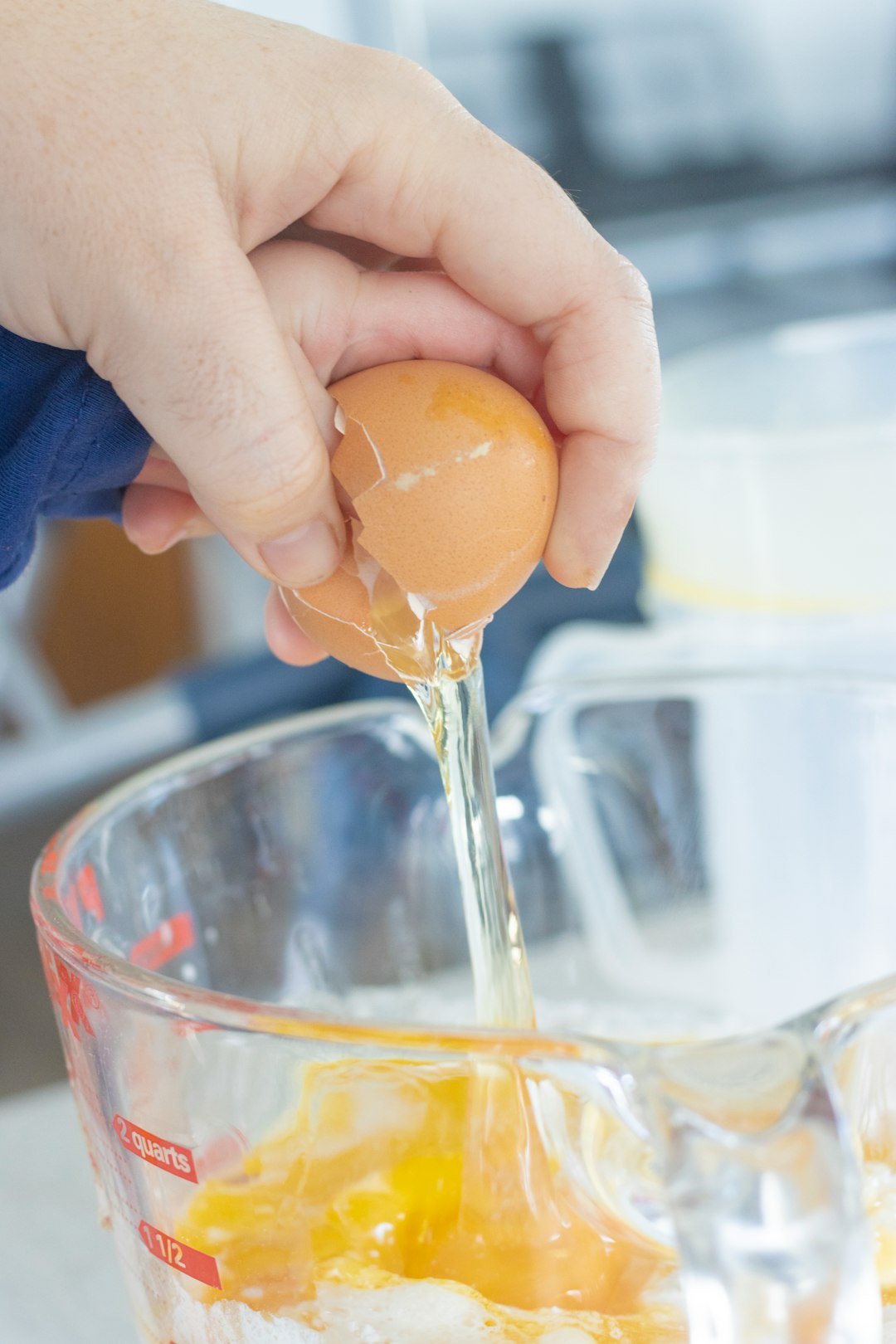
Handling raw eggs safely is more important than you might think. If you’ve ever cracked an egg and worried about germs or food poisoning, you’re not alone.
You want to enjoy your meals without risking your health. You’ll discover simple, practical steps to keep you and your family safe every time you use raw eggs. By the end, you’ll feel confident and in control when cooking with eggs, avoiding common mistakes that could lead to illness.
Keep reading to protect yourself with easy tips you can start using right now.

Credit: www.australianeggs.org.au
Risks Of Raw Eggs
Raw eggs are often used in recipes like salad dressings and desserts. They can be risky if not handled safely. Understanding these risks helps keep you healthy.
Raw eggs can contain harmful bacteria. Knowing about these bacteria is important for safe food handling.
Common Contaminants
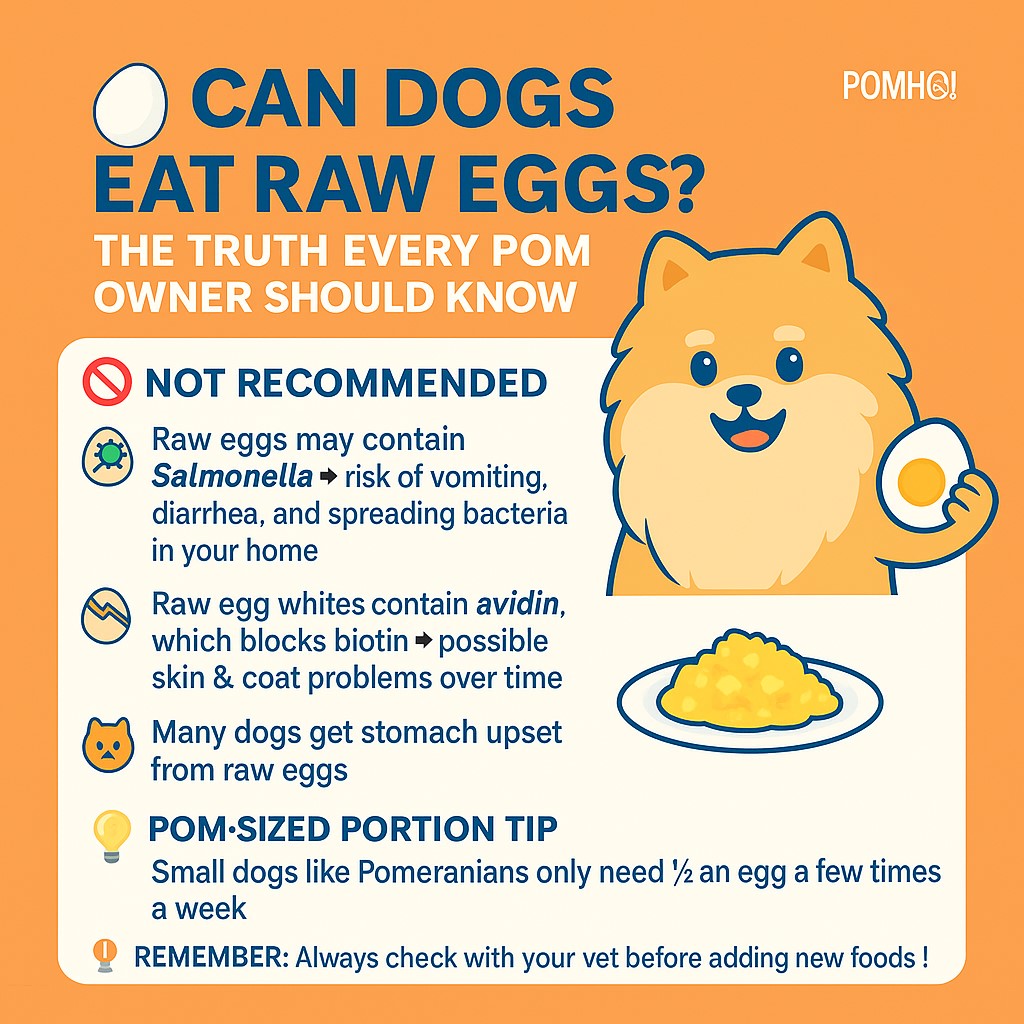
Raw eggs can carry Salmonella. This is a common bacteria found in eggs. It can cause food poisoning.
Eggs may get contaminated when hens carry Salmonella. This happens even if eggs look clean and fresh.
- Salmonella can be on the shell
- It can also be inside the egg
- Cooking eggs kills the bacteria
Health Implications
Eating contaminated raw eggs can make you sick. Symptoms include stomach pain and diarrhea. It’s important to be aware of the risks.
Young children, elderly, and those with weak immune systems are at higher risk. They should avoid raw eggs completely.
| Age Group | Risk Level |
| Children | High |
| Adults | Moderate |
| Elderly | High |
| Immune-compromised | High |
Credit: pomeranian.org
Selecting Safe Eggs
Handling raw eggs safely starts with choosing the right eggs. Picking safe eggs lowers the risk of foodborne illness.
It is important to know how to select fresh eggs and check their packaging carefully before buying or using them.
Choosing Fresh Eggs
Fresh eggs have a clean, uncracked shell. Avoid eggs with dirt or cracks on the shell.
Look for eggs that feel heavy for their size. Heavy eggs usually mean they are fresh.
- Check for cracks or damage on the shell
- Choose eggs with a smooth, clean surface
- Heavier eggs are often fresher
Checking Packaging And Labels
Always check the egg carton for important information like the expiration date. Do not buy eggs past this date.
Look for labels that show how the eggs were handled. Terms like “pasteurized” mean safer eggs for raw use.
- Check the expiration or sell-by date on the carton
- Look for “pasteurized” eggs for safer raw consumption
- Choose cartons that are clean and not damaged
Proper Storage Techniques
Storing raw eggs safely helps prevent foodborne illness. Proper storage keeps eggs fresh and safe to eat.
Using the right storage techniques reduces the risk of bacteria growth on eggs.
Ideal Temperature Settings
Keep eggs refrigerated at a steady, cold temperature. This slows bacterial growth and keeps eggs fresh longer.
Store eggs at or below 40°F (4°C). Avoid storing them near the fridge door where temperature changes often.
- Set fridge temperature between 33°F and 40°F (0.5°C to 4°C)
- Keep eggs in their original carton to protect them
- Place eggs on a middle or lower shelf, not the door
Avoiding Cross-contamination
Keep raw eggs away from foods that will not be cooked. This stops bacteria from spreading to other foods.
Always wash hands and surfaces after handling raw eggs to keep your kitchen safe.
- Store eggs separate from raw meat and seafood
- Use clean containers for eggs and egg products
- Wash hands with soap after touching raw eggs
- Clean countertops and utensils after contact with raw eggs
Credit: ucanr.edu
Safe Handling Practices
Raw eggs can carry bacteria that cause illness. Handling them safely helps prevent food poisoning.
Following simple rules in the kitchen keeps you and your family safe from germs.
Washing Hands And Surfaces
Always wash your hands with soap before and after touching raw eggs. This stops germs from spreading.
Clean all surfaces and tools that touched raw eggs. Use hot, soapy water to kill bacteria.
- Wash hands for at least 20 seconds
- Use separate cloths or paper towels
- Disinfect countertops and cutting boards
- Rinse utensils well after washing
Using Separate Utensils
Use different utensils for raw eggs and cooked food. This avoids cross-contamination.
Never reuse a fork, spoon, or bowl that held raw eggs without washing it first.
- Keep one set of utensils for raw eggs
- Use clean plates for cooked food
- Wash all utensils right after use
- Store raw eggs separately from ready-to-eat food
Cooking Tips For Safety
Raw eggs can carry bacteria that cause illness. Cooking eggs properly kills harmful germs.
Knowing the right cooking temperatures helps keep your food safe and healthy to eat.
Recommended Cooking Temperatures
Cook eggs until both the yolk and white are firm. This ensures bacteria are destroyed.
Use a food thermometer to check cooked dishes that contain eggs.
- Eggs cooked on the stove: cook until firm yolk and white
- Egg dishes like casseroles: cook to 160°F (71°C)
- Egg-based sauces: heat until thickened and hot
Avoiding Raw Egg Consumption
Do not eat raw or undercooked eggs. Raw eggs may carry harmful bacteria.
Choose pasteurized eggs for recipes that use raw eggs, such as homemade mayo.
- Use pasteurized eggs for raw or lightly cooked dishes
- Do not taste raw batter or dough with eggs
- Keep eggs refrigerated to reduce bacteria growth
- Wash hands and surfaces after handling raw eggs
Cleaning Up After Use
Cleaning up after using raw eggs is very important. This helps stop the spread of germs and keeps your kitchen safe.
Make sure to clean all surfaces and tools that touched the eggs. This keeps your cooking area healthy for your next meal.
Sanitizing Equipment
Wash all bowls, utensils, and cutting boards that had raw egg on them. Use hot, soapy water to clean them well.
After washing, sanitize the equipment to kill any leftover bacteria. You can use a mild bleach solution or a kitchen sanitizer.
- Rinse items with hot water after washing
- Prepare a sanitizer using 1 tablespoon of bleach per gallon of water
- Soak or spray items with the sanitizer for a few minutes
- Let items air dry completely before using again
Disposing Of Shells Safely
Eggshells can carry bacteria, so throw them away carefully. Do not leave shells on counters or in the sink.
Use a sealed trash bag to stop germs from spreading. If possible, compost the shells in a safe way.
- Collect eggshells immediately after cracking eggs
- Place shells in a plastic bag or covered trash bin
- Wash hands after handling eggshells
- Consider composting shells only if your compost is hot enough to kill bacteria
Special Considerations
Raw eggs can carry harmful bacteria. It is important to handle them with care. Knowing special safety tips helps reduce risks.
This guide explains how to safely use raw eggs. It focuses on groups that need extra caution and when to avoid raw egg recipes.
Handling Eggs For Vulnerable Groups
Some people are more likely to get sick from raw eggs. These include young children, elderly adults, pregnant women, and those with weak immune systems.
To protect these groups, use pasteurized eggs or cook eggs until firm. Avoid using raw eggs in recipes for these individuals.
- Use only pasteurized eggs for raw dishes
- Cook eggs fully for vulnerable people
- Clean hands and surfaces after handling eggs
- Keep eggs refrigerated at all times
When To Avoid Raw Egg Recipes
Raw egg recipes can be risky in certain situations. Avoid these recipes if eggs are old or cracked. Also, do not serve raw eggs at large gatherings.
Choose cooked alternatives for recipes like mayonnaise or dressings if safety is a concern. This lowers the chance of foodborne illness.
- Do not use raw eggs if eggshells are cracked
- Skip raw egg dishes if eggs are past the expiration date
- Avoid raw eggs at parties or buffets
- Pick cooked substitutes for vulnerable guests
Frequently Asked Questions
How Can I Safely Store Raw Eggs At Home?
Store raw eggs in the refrigerator at 40°F (4°C) or below. Keep them in their original carton. Avoid storing eggs on the fridge door to maintain consistent temperature and prevent contamination.
What Is The Best Way To Clean Raw Eggs?
Do not wash raw eggs before storing. Washing can remove the protective coating. Clean eggs just before use with a dry or slightly damp cloth to avoid bacteria spread.
Can Consuming Raw Eggs Cause Food Poisoning?
Yes, raw eggs may contain Salmonella bacteria. Cooking eggs properly kills bacteria. Avoid eating raw or undercooked eggs to reduce the risk of foodborne illness.
How Long Do Raw Eggs Last In The Refrigerator?
Raw eggs typically last 3 to 5 weeks when refrigerated. Check the expiration date on the carton. Discard eggs if they develop an off smell or unusual appearance.
Conclusion
Handling raw eggs with care keeps you and your family safe. Always wash your hands and surfaces after touching eggs. Store eggs properly in the fridge at the right temperature. Avoid eating raw or undercooked eggs to reduce health risks.
Use fresh eggs and check expiration dates regularly. Simple steps make a big difference in food safety. Stay cautious, and enjoy your meals without worry. Safe habits create a healthy kitchen environment for everyone. Keep these tips in mind every time you cook with eggs.