
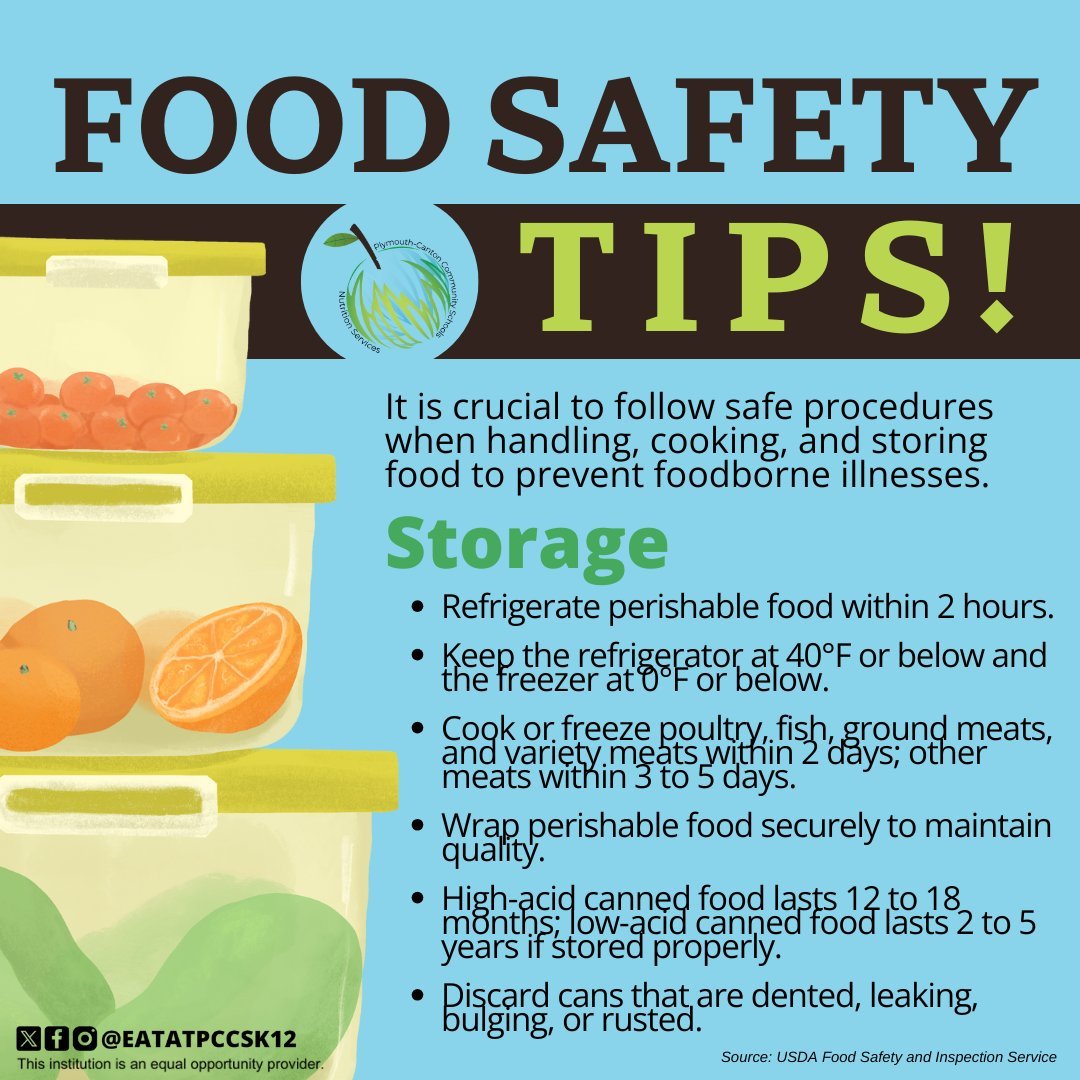
Have you ever worried about whether your leftover meals are stored safely? Knowing how to properly store cooked food can protect you and your loved ones from foodborne illnesses.
If you’re unsure about the best ways to keep your meals fresh and safe, this article is just for you. Keep reading, and you’ll discover simple, effective tips that will help you store your cooked food the right way every time.
Your health and peace of mind are worth it.
Choose The Right Containers
Storing cooked food safely is important to keep it fresh. The right containers help keep food safe and tasty.
Let’s look at some tips to choose the best containers for storing cooked food.
Use Airtight Containers
Airtight containers keep air out. This helps food stay fresh longer. They also stop bad odors from spreading.
Choose containers with tight seals. This will help in keeping the food safe and delicious.
Select Bpa-free Materials
BPA is a chemical found in some plastics. It can be harmful to health. Choose BPA-free containers to keep food safe.
Look for labels that say “BPA-free”. These containers are safer for storing your cooked food.
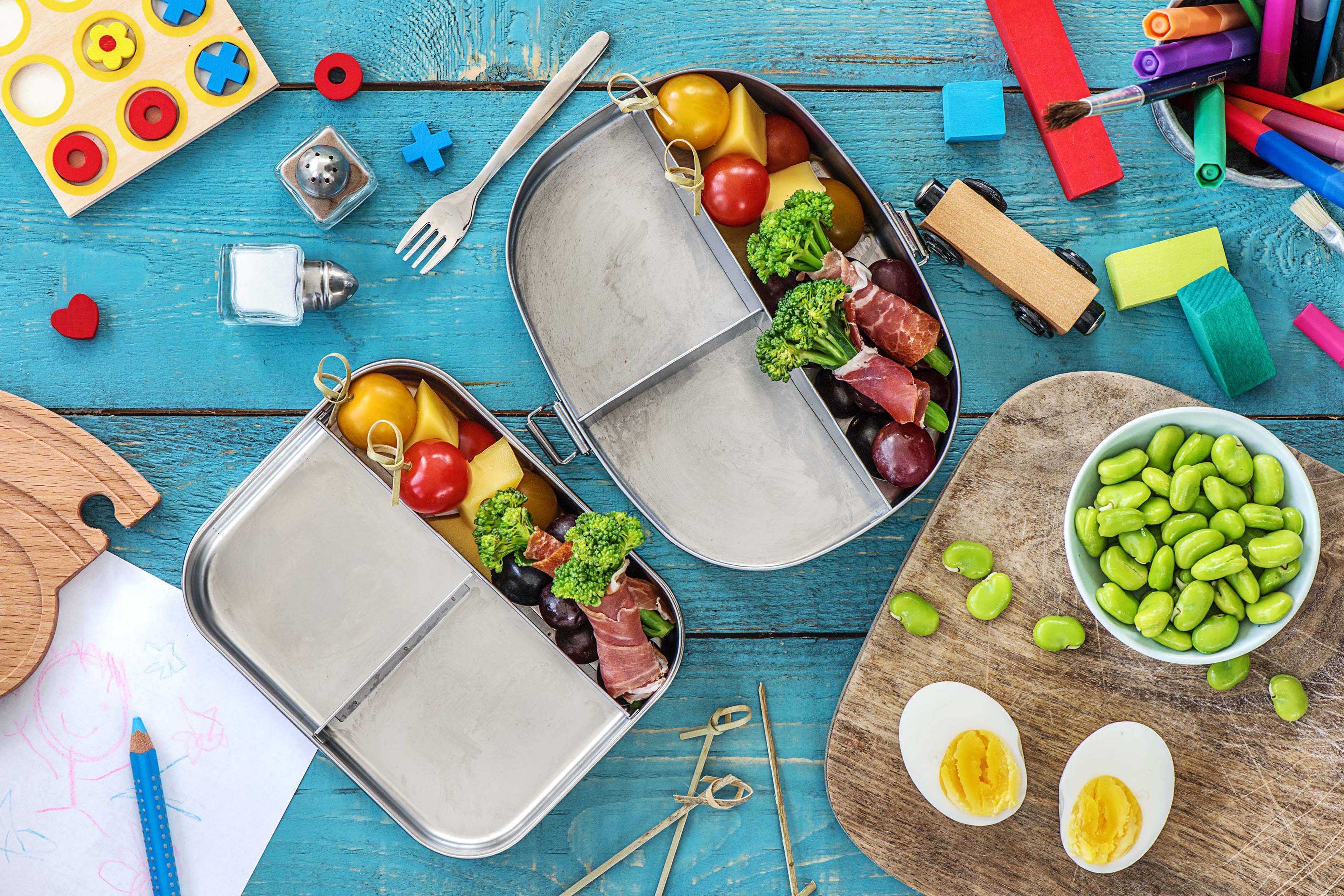
Avoid Overfilling
Do not fill containers to the top. Food needs space for air to circulate. This helps to keep it fresh.
Leave some space at the top. This prevents spills and keeps food in good condition.
- Use containers that fit the amount of food
- Leave one inch of space from the top
- Check for spills before closing the lid
Credit: www.chefsplate.com
Cool Food Quickly
Cooling cooked food fast is important to keep it safe. It stops harmful bacteria from growing.
Use smart cooling steps to keep your food fresh and healthy.
Divide Into Smaller Portions
Cut large amounts of food into small portions. Small portions cool faster than big ones.
Put the smaller portions in shallow containers. This helps the heat leave the food quickly.
Use Ice Baths
Place hot food containers in a bigger bowl filled with ice and cold water. Stir the food to cool it evenly.
This method lowers the temperature quickly. It keeps food safe and ready to store.
- Fill a large bowl with ice and cold water
- Put the smaller food container into the bowl
- Stir food gently to cool faster
- Remove when food reaches safe temperature
Avoid Room Temperature Storage
Do not leave cooked food out on the counter for long. Bacteria grow fast at room temperature.
Put food in the fridge or freezer within two hours after cooking. This keeps it safe to eat later.
Label And Date
Storing cooked food safely helps prevent illness. Labeling and dating your food is an easy way to keep it fresh.
Clear labels tell you what is inside and when it was cooked. This helps you use food before it goes bad.
Mark Storage Dates
Write the date on each container when you store cooked food. This shows when you cooked or packed the food.
Use a permanent marker or label stickers to write the date. Place the label where it is easy to see.
- Write the full date (day/month/year)
- Use clear handwriting
- Label all leftovers and cooked meals
Track Expiration Times
Know how long each cooked food can stay safe in the fridge or freezer. This helps avoid eating spoiled food.
Use your labels to check if the food is still good. Throw away food that passed its safe storage time.
- Cooked meat: 3-4 days in the fridge
- Cooked rice or pasta: 3-5 days in the fridge
- Frozen cooked food: up to 3 months
Rotate Older Food First
Place newer cooked food behind older food in the fridge or freezer. This helps you use older food first.
Follow the “first in, first out” rule to reduce waste. Eat older food before it expires for safety.
- Put new meals at the back
- Move older meals to the front
- Check labels before eating

Credit: www.youtube.com
Refrigerate And Freeze Properly
Storing cooked food safely keeps it fresh and prevents illness. Proper refrigeration and freezing slow bacteria growth.
Follow simple tips to store food the right way. This helps keep food tasty and safe to eat.
Set Correct Temperatures
Keep your fridge at 40°F (4°C) or below. The freezer should be at 0°F (-18°C) or colder.
These temperatures slow down bacteria and keep food fresh longer.
- Check fridge temperature with a thermometer
- Adjust settings if the temperature is too high
- Keep the freezer well below freezing point
Store Food In Shallow Containers
Use shallow containers to cool cooked food faster. This helps stop bacteria from growing.
Shallow containers let cold air reach the food quickly and evenly.
- Divide large portions into smaller containers
- Keep food less than 2 inches deep in containers
- Use airtight containers to keep food fresh
Avoid Overcrowding
Do not pack too much food in the fridge or freezer. Overcrowding stops cold air from circulating.
Good air flow keeps food at safe temperatures and prevents spoilage.
- Leave space between containers
- Organize food for easy access
- Remove old food to make room for new items
Reheat Safely
Reheating cooked food properly helps keep it safe to eat. It stops germs from growing and keeps the food tasty.
Follow simple steps to heat food the right way. This protects your health and reduces food waste.
Heat To Proper Temperatures
Always heat food until it is very hot all the way through. The center should reach at least 165°F (74°C).
Use a food thermometer to check the temperature. This helps kill harmful bacteria in the food.
- Heat soups and sauces until they boil
- Reheat meats until steaming hot
- Stir food while heating to spread heat evenly
Avoid Reheating Multiple Times
Only reheat the food once. Each time you heat and cool food, bacteria can grow faster.
Take out only the portion you want to eat. Leave the rest in the fridge to stay fresh.
- Divide large portions into small servings
- Reheat small amounts quickly
- Do not leave food out at room temperature too long
Use Microwave Covers
Cover food with a microwave-safe lid or wrap when reheating. It traps steam and heats food evenly.
This prevents dry spots and helps kill germs by keeping moisture inside.
- Use microwave-safe plastic covers or lids
- Leave a small gap to let steam escape
- Avoid using metal or foil in the microwave

Credit: www.delish.com
Handle Leftovers Wisely
Storing cooked food safely keeps it fresh and prevents illness. Proper handling of leftovers saves money and reduces waste.
Knowing how to store and check leftovers helps keep your meals safe to eat. Follow simple tips to avoid food spoilage.
Consume Within Safe Timeframes
Eat leftovers within a few days to avoid bacteria growth. Most cooked foods last about 3 to 4 days in the fridge.
Freeze food if you want to keep it longer. Use airtight containers to protect the food quality.
- Store cooked food in the fridge within 2 hours
- Consume refrigerated leftovers within 3-4 days
- Freeze leftovers to keep them safe for 2-3 months
Check For Signs Of Spoilage
Look closely at leftovers before eating. Spoiled food can have bad smells, colors, or textures.
Trust your senses. If food looks or smells strange, do not eat it.
- Discoloration or mold spots
- Sour or off smells
- Slimy or sticky texture
Discard When In Doubt
Do not take risks with food safety. Throw away leftovers if you are unsure about their condition.
It is better to waste a little food than get sick. Always choose safety over saving questionable leftovers.
Frequently Asked Questions
How Long Can Cooked Food Be Safely Stored?
Cooked food is safe in the refrigerator for 3 to 4 days. Freeze it to extend storage beyond that. Always cool food quickly before refrigerating to prevent bacteria growth.
What Is The Best Container For Storing Cooked Food?
Use airtight containers made of glass or BPA-free plastic. These containers keep food fresh and prevent contamination. Avoid using thin plastic wraps that allow air exposure.
Should Cooked Food Be Cooled Before Refrigeration?
Yes, cool cooked food within two hours to prevent bacteria growth. Divide large portions into smaller containers to speed up cooling. Never leave food at room temperature for over two hours.
Can I Refreeze Cooked Food Safely?
You can refreeze cooked food only if it was thawed in the refrigerator. Avoid refreezing if the food was left out at room temperature. Each freeze-thaw cycle reduces food quality.
Conclusion
Safe storage of cooked food keeps your meals fresh and healthy. Cool food quickly before placing it in the fridge. Use airtight containers to stop germs and odors. Label containers with dates to avoid eating old food. Reheat food thoroughly to kill any bacteria.
Clean your storage areas often to prevent contamination. Following these simple steps protects your family’s health. Keep food safe, tasty, and ready for your next meal. Small actions make a big difference in food safety. Stay mindful and enjoy your meals without worry.