
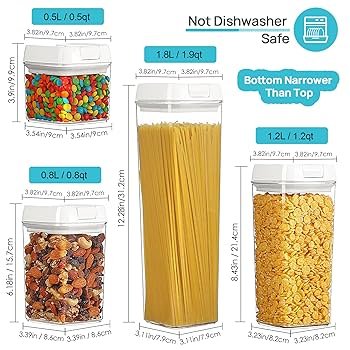
Are you tired of dealing with stale snacks, messy cupboards, or cluttered storage spaces? Using airtight containers can be a game-changer for your home organization and food freshness.
Imagine opening your pantry and finding everything neatly stored, fresh, and easy to access. You’ll discover simple, practical tips on how to use airtight containers to keep your items safe, fresh, and well-organized. Keep reading, and you’ll learn how a small change can make a big difference in your daily life.

Credit: www.youtube.com
Benefits Of Airtight Containers
Airtight containers are great for keeping items fresh. They help in storing food and other essentials safely.
These containers seal tightly, stopping air from getting in. This keeps the contents from spoiling or getting stale.
Preserving Food Freshness
Airtight containers keep food fresh for longer. They stop air from spoiling the food.
When food stays fresh, it tastes better. This is important for fruits, vegetables, and baked goods.
- Prevents staleness in bread and crackers
- Keeps fruits juicy and crisp
- Preserves the flavor of spices
Preventing Contamination
These containers help avoid contamination. They keep germs and pests out.
This is crucial for storing flour, grains, and sugar. Clean storage means safe food.
- Protects from bugs and insects
- Reduces risk of mold growth
- Keeps food safe from dust and dirt
Reducing Waste
Using airtight containers can cut down on waste. They help keep food fresh, so less is thrown away.
This saves money and helps the environment. It is good for storing leftovers and bulk items.
- Extends the shelf life of food
- Minimizes food spoilage
- Less food waste means more savings

Credit: homeessentials.in
Choosing The Right Container
Using airtight containers helps keep food fresh and safe. Picking the right container is key for good storage.
Consider the container’s material, size, shape, and seal to fit your needs. These factors affect how well it protects your items.
Material Options
Airtight containers come in many materials. Each has benefits and limits for storage use.
- Plastic:Lightweight and affordable. Look for BPA-free options for safety.
- Glass:Durable and does not absorb smells. Good for pantry or fridge.
- Metal:Often stainless steel. Strong and great for dry goods.
- Silicone:Flexible and easy to store. Often used for lids or collapsible containers.
Size And Shape Considerations
Choose containers that fit your space and storage needs. Size and shape affect how much you can store.
- Small containers work well for snacks or spices.
- Large containers hold bulk items like flour or rice.
- Square or rectangular shapes use shelf space better than round ones.
- Stackable containers save room and keep storage neat.
Seal Types
The seal keeps air out to preserve freshness. Different seals offer varied protection levels.
- Snap-lock lids:Easy to open and close but may wear out over time.
- Silicone gasket seals:Provide a strong airtight seal, great for liquids.
- Vacuum seals:Remove air inside for longer storage life.
- Screw-top lids:Secure but can be harder to open.
Preparing Items For Storage
Using airtight containers helps keep your items fresh and safe. Proper preparation before storage is important.
Preparing your items well can prevent damage and make them easier to find later. Clean and dry items first, then portion and label them clearly.
Cleaning And Drying
Cleaning your items removes dirt and germs. Drying them stops moisture that causes mold or spoilage.
Always wash items with mild soap and water. Let them air dry completely before storing in airtight containers.
- Rinse food items to remove dust or dirt
- Wipe non-food items with a dry cloth
- Use a clean towel for faster drying
- Ensure no moisture remains before sealing
Portioning And Labeling
Divide items into smaller portions for easy use. Portioning helps keep the rest fresh and reduces waste.
Label each container with the item name and date. This helps you identify contents quickly and track freshness.
- Use clear containers to see contents
- Write labels with permanent marker
- Include the storage date on the label
- Group similar items together
Effective Storage Techniques
Using airtight containers helps keep your items fresh and safe. Proper storage saves space and reduces waste.
Good techniques make it easy to find and use what you need quickly. Let’s look at ways to store with airtight containers.
Stacking And Organizing
Stack airtight containers to use your storage space well. Place heavier containers at the bottom for safety.
Group similar items together. Use labels to know what is inside each container without opening it.
- Put dry goods like rice and beans in clear containers
- Keep snacks in small, easy-to-reach containers
- Label containers with contents and dates
Utilizing Vertical Space
Use tall containers to save room on shelves. Place containers on top of each other carefully to avoid spills.
Consider shelf risers or stackable racks to add more levels. This way, you can store more without clutter.
- Choose containers that fit shelf height
- Use stackable containers for easy access
- Add small racks to create extra layers
Rotating Stock
Use older items first to avoid waste. Place new containers behind older ones on shelves.
Check your containers regularly for expiration dates. Rotate stock often to keep everything fresh.
- Label containers with purchase or packing dates
- Put older containers at the front
- Use a first-in, first-out system
Maintaining Airtight Containers
Airtight containers keep food fresh and safe from moisture. Proper care helps them last longer and work better.
Regular maintenance prevents air leaks and contamination. Simple steps make a big difference in storage quality.
Cleaning Tips
Clean airtight containers after each use. Use warm water and mild soap for best results.
Avoid harsh chemicals that can damage seals or plastic. Dry containers completely before storing them.
- Wash lids and seals gently
- Remove food residue inside containers
- Use a soft cloth or sponge
- Air dry containers upside down
Checking Seals
Check seals regularly to ensure airtightness. Look for cracks, tears, or dirt on the rubber or silicone parts.
A damaged seal lets air in and spoils food. Clean seals often to keep them flexible and tight.
- Inspect seals for damage every month
- Clean seals with warm, soapy water
- Replace seals if they are cracked or hard
- Test seal by closing container and pressing gently
Replacing Worn Containers
Replace containers that have cracks or broken lids. Worn containers do not keep air out properly.
Choose containers made from durable materials. This helps maintain freshness and avoid spills.
- Check containers for cracks or warping
- Replace lids that do not fit tightly
- Use containers designed for airtight storage
- Recycle old containers properly
:max_bytes(150000):strip_icc()/rubbermaid-brilliance-pantry-10-piece-set-035c801dc5e24f7faf5a700dccafd8ba.jpg)
Credit: www.allrecipes.com
Common Storage Mistakes To Avoid
Using airtight containers can keep your food fresh longer. But some mistakes can spoil your storage efforts.
Learn about common errors to avoid when using airtight containers. This will help your food stay safe and tasty.
Overfilling Containers
Putting too much food in a container can cause problems. It stops the lid from sealing tightly.
If the container is not sealed well, air and moisture can enter. This will make the food spoil faster.
- Leave some space at the top of the container
- Do not force the lid shut if it feels tight
- Use larger containers for bigger amounts of food
Ignoring Expiry Dates
Storing food without checking expiry dates can be risky. Old food may taste bad or cause illness.
Always check the expiry date before storing food. Use the oldest food first to avoid waste.
- Label containers with the storage date
- Place newer items behind older ones
- Regularly check stored food for freshness
Mixing Different Foods
Storing different foods together can cause flavor transfer. Some foods also release gases that spoil others.
Keep foods separated in airtight containers. This keeps flavors pure and food fresh longer.
- Use separate containers for strong-smelling foods
- Store fruits and vegetables apart
- Keep raw and cooked foods in different containers
Special Uses For Airtight Containers
Airtight containers keep items safe from air and moisture. They work well for food storage and many other uses.
These containers help organize and protect things in your home and on the go. They are useful beyond just storing food.
Storing Non-food Items
Airtight containers keep non-food items dry and dust-free. They protect small objects from damage and loss.
You can store craft supplies, jewelry, and office items safely. The container’s seal prevents moisture from ruining these goods.
- Keep beads and buttons organized
- Store batteries to avoid corrosion
- Protect important documents from moisture
- Save makeup and skincare items fresh
Travel And On-the-go Storage
Airtight containers are great for packing small items during travel. They keep things secure and prevent spills.
Use them to carry snacks, toiletries, or medication. The tight seal stops leaks and keeps contents fresh or safe.
- Pack snacks without crumbs spilling
- Store travel-size liquids without leaks
- Keep first aid items clean and dry
- Organize chargers and cables neatly
Frequently Asked Questions
What Are Airtight Containers Used For In Storage?
Airtight containers keep food fresh by blocking air and moisture. They prevent spoilage, odors, and pests. Use them for dry goods, leftovers, or bulk items to extend shelf life and maintain quality.
How Do Airtight Containers Preserve Food Freshness?
They seal tightly, stopping air and humidity from entering. This reduces oxidation and bacterial growth. As a result, food stays fresher longer, retaining taste and texture.
Can Airtight Containers Prevent Pest Infestations?
Yes, airtight containers block insects and rodents from accessing stored items. Their secure lids create a barrier, protecting food from contamination and spoilage caused by pests.
What Materials Are Best For Airtight Storage Containers?
Plastic, glass, and stainless steel are popular choices. Look for BPA-free plastic or food-grade glass for safety. Each material offers durability and effective sealing for different storage needs.
Conclusion
Airtight containers keep your items fresh and safe. They stop air and moisture from spoiling food. Using them saves space and keeps things organized. Choose the right size for your needs. Clean containers regularly to avoid bad smells. Store dry goods, leftovers, or small items easily.
This simple step helps reduce waste and mess. Try using airtight containers to improve your storage today. Simple, smart, and effective.