
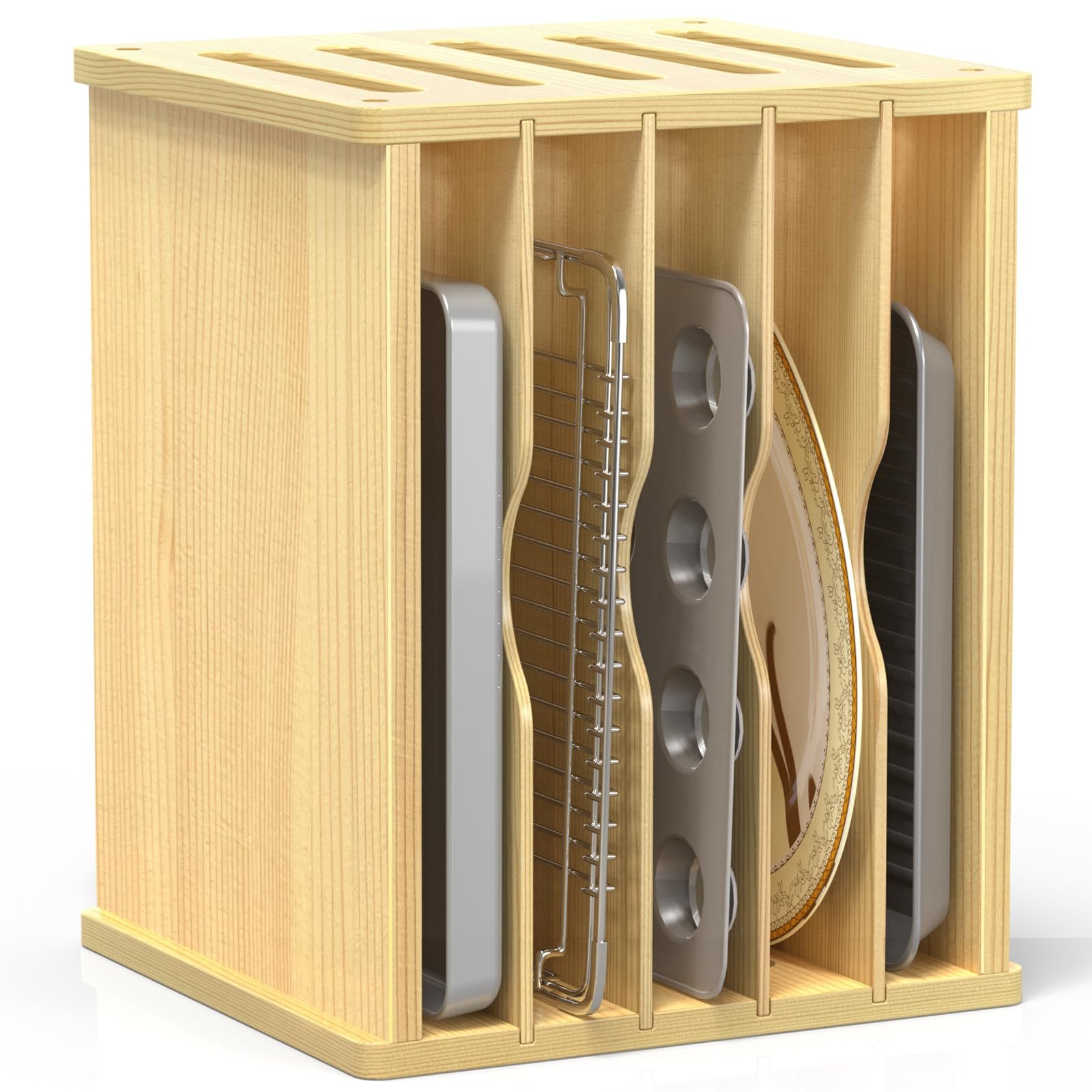
Are your cutting boards cluttering up your kitchen counters or cabinets? Storing them the right way can save you space and keep your kitchen organized.
When you store cutting boards vertically, you make them easier to grab and help them dry faster, preventing bacteria buildup. If you want a simple, effective way to keep your cutting boards neat and clean, this guide will show you exactly how to do it.
Keep reading to discover smart tips that will transform your kitchen storage and make your cooking routine smoother.

Credit: www.amazon.com
Benefits Of Vertical Storage
Storing cutting boards vertically can save space in your kitchen. It also helps in keeping them dry and organized.
Vertical storage offers several advantages that enhance the functionality of your kitchen. Here’s how it helps.
Maximizing Kitchen Space
Vertical storage uses less space on your kitchen counter. This leaves more room for other kitchen tools.
Storing boards upright frees up drawer and cabinet space. This is especially useful in small kitchens.
- More counter space for cooking
- Free up drawers for other items
- Easy to fit in small kitchens
Improved Airflow And Drying
Vertical storage allows air to circulate around the boards. This helps them dry faster and prevents mold.
Keeping boards upright ensures they dry completely after washing. This keeps them clean and safe to use.
- Better airflow around boards
- Faster drying time
- Reduces mold and bacteria growth
Easy Access And Organization
Vertical storage makes it easy to see and grab the board you need. This saves time during cooking.
Organizing boards by size or type is simpler with vertical storage. This keeps your kitchen tidy and efficient.
- Quick access to cutting boards
- Easy to organize by size or use
- Keeps kitchen neat and efficient

Credit: www.amazon.com
Choosing The Right Spot
Storing cutting boards vertically helps save space and keeps them dry. Picking the right spot makes your kitchen neat and organized.
Think about convenience and airflow when choosing where to store your boards. This prevents damage and keeps them clean.
Cabinets Vs Countertops
Cabinets keep cutting boards hidden and protected from dust. They also keep your counters clear for cooking.
Countertops offer easy access but can get cluttered. Use a vertical rack to keep boards upright and dry on counters.
- Cabinets protect boards from dirt and damage
- Countertops allow quick reach while cooking
- Vertical racks work well in both spots
Wall-mounted Options
Wall-mounted racks save counter and cabinet space. They keep cutting boards visible and easy to grab.
Choose a sturdy rack that holds boards securely. Make sure it is installed where boards can dry properly.
- Keep boards off counters and cabinets
- Allow airflow for faster drying
- Easy to install near prep areas
Inside Pantry Or Drawers
Storing cutting boards in a pantry or drawer keeps them out of sight. Use dividers to keep boards upright and organized.
Make sure the area is dry and clean. Avoid stacking boards flat to prevent moisture buildup.
- Use dividers to store boards vertically
- Keep pantry or drawer dry and clean
- Prevent stacking to avoid moisture damage
Diy Vertical Storage Ideas
Storing cutting boards vertically saves space and keeps them easy to reach. Vertical storage also helps cutting boards dry faster. You can create your own storage with simple materials.
Below are three easy ideas to store cutting boards vertically. These ideas use common items you might already have at home.
Using Tension Rods
Tension rods fit between two walls or inside cabinets. You can use them to hold cutting boards upright. Place the rods close together so boards do not fall over.
Adjust the rods to fit the space. This way, your cutting boards will stand vertically without tipping.
- Measure the space between walls or cabinet sides
- Buy tension rods that fit the measured space
- Install rods vertically or horizontally to hold boards
- Place cutting boards between rods to keep them standing
Repurposing Magazine Holders
Magazine holders are great for storing cutting boards vertically. They keep boards separated and easy to grab. Use plastic or metal holders for durability.
Place holders on your countertop or inside cabinets. You can also paint or decorate them to match your kitchen style.
- Find sturdy magazine holders in your home or store
- Set holders on flat surfaces or shelves
- Insert cutting boards vertically into the holders
- Use multiple holders if you have many boards
Installing Slotted Racks
Slotted racks are designed to hold items vertically. You can buy or build racks with slots wide enough for cutting boards. These racks keep boards organized and upright.
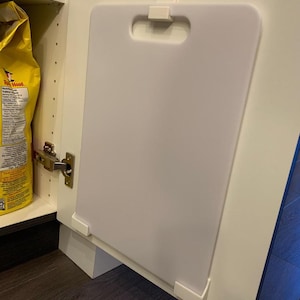
Mount the rack on a wall or inside a cabinet door. This saves counter space and makes cutting boards easy to access.
- Choose a rack with slots wide enough for your boards
- Install the rack where you want to store cutting boards
- Place cutting boards vertically into the slots
- Make sure the rack is secure to hold the weight
Buying Ready-made Solutions
Storing cutting boards vertically saves space and keeps them dry. Buying ready-made solutions makes organizing easy and neat. These products fit most kitchens and help protect your boards.
Choose the right product based on your kitchen size and the number of boards you have. Ready-made racks and holders come in many styles to suit different needs.
Vertical Cutting Board Racks
Vertical cutting board racks hold boards upright and separate. They keep boards from touching each other, which helps them dry faster. These racks fit inside cabinets or sit on counters.
Most racks are made from wood, metal, or plastic. Choose one with sturdy dividers that fit your board sizes. Some racks can hold other kitchen tools too.
Adjustable Dividers
Adjustable dividers let you customize the space between boards. You can move them to fit thick or thin boards. This flexibility helps keep your boards stable and organized.
These dividers often come as inserts for drawers or shelves. They help keep boards upright and easy to reach. You can also use them for other flat items like baking sheets.
- Customizable spacing for different board sizes
- Easy to install in drawers or shelves
- Keeps boards upright and separated
Multi-purpose Storage Caddies
Multi-purpose storage caddies hold cutting boards and other kitchen items. They often have compartments for knives, utensils, or lids. This makes them great for small kitchens.
These caddies can sit on counters or fit inside cabinets. Look for ones with good drainage to keep boards dry. They combine storage and organization in one compact unit.
Maintaining Cutting Board Hygiene
Storing cutting boards vertically helps keep them clean and dry. It stops bacteria from growing on wet surfaces.
Good storage habits protect your cutting boards and keep your kitchen safe. Follow simple steps to maintain hygiene.
Cleaning And Drying Tips
Wash cutting boards with hot, soapy water after each use. Rinse well to remove all soap.
Dry boards completely before storing them vertically. Use a clean towel or air dry in a rack.
- Clean boards right after use
- Use hot water and soap
- Dry boards fully to prevent moisture
- Store boards upright to air out
Material-specific Care
Wood cutting boards need gentle care. Avoid soaking them in water for long times.
Plastic boards can be cleaned in a dishwasher. Check manufacturer guidelines for best results.
- Wood boards: hand wash and dry fast
- Plastic boards: dishwasher safe if allowed
- Bamboo boards: treat like wood, avoid soaking
Avoiding Mold And Warping
Keep cutting boards dry to stop mold. Store them in a place with good air flow.
Do not stack boards flat when wet. Vertical storage helps keep boards straight and dry.
- Store boards upright to air both sides
- Keep boards away from damp areas
- Dry boards fully before putting away
- Check boards regularly for mold or damage
Credit: www.etsy.com
Creative Space-saving Hacks
Cutting boards take up a lot of space in kitchens. Storing them vertically saves room.
Try creative ways to keep boards neat and easy to reach. Here are some smart ideas.
Stacking With Spacers
Use spacers between cutting boards to store them vertically in a stack. This keeps them from sticking together.
Spacers can be thin pieces of wood, silicone pads, or rubber strips. They create small gaps for air flow.
- Place spacers evenly between each board
- Stack boards upright on a shelf or inside a cabinet
- Keep boards dry to avoid mold or warping
Magnetic Strip Storage
Magnetic strips hold cutting boards vertically on walls or cabinet sides. This saves drawer space.
Choose strong magnets that can hold the board’s weight. Attach the strip at a convenient height for easy access.
- Mount magnetic strip away from water sources
- Use magnets with a protective cover to avoid scratches
- Ideal for wooden or plastic boards with metal parts
Using Under-shelf Hooks
Under-shelf hooks hang cutting boards vertically under cabinets or shelves. This uses unused space well.
Hooks can be adhesive or screwed in. Choose strong hooks that fit your board handles or edges.
- Place hooks so boards do not touch the wall
- Use enough hooks to hold boards securely
- Good for kitchens with limited countertop and drawer space
Frequently Asked Questions
How Do I Store Cutting Boards Vertically Safely?
Use a sturdy rack or divider to keep boards upright. Ensure enough space between boards to avoid moisture buildup. Store boards in a dry area to prevent warping and bacteria growth.
What Materials Are Best For Vertical Cutting Board Storage?
Wood, bamboo, or plastic racks work well for vertical storage. Choose materials resistant to moisture and easy to clean. Avoid metal racks that may rust or damage boards over time.
Can Vertical Storage Prevent Cutting Board Damage?
Yes, vertical storage minimizes surface contact and reduces warping risk. It allows better air circulation, preventing mold and bacteria growth. Proper vertical storage extends cutting board life effectively.
How Much Space Is Needed For Vertical Cutting Board Storage?
Allow at least 1-2 inches between boards for airflow. The rack size depends on the number and size of your boards. Ensure the storage space is dry and well-ventilated.
Conclusion
Storing cutting boards vertically saves space and keeps them dry. It helps prevent mold and damage. Use a rack or stand to keep them upright. Make sure boards are clean and dry before storing. This method keeps your kitchen organized and boards easy to reach.
Try vertical storage for a neat kitchen look. It’s simple and effective. Your cutting boards will last longer and stay safe. Small changes like this make a big difference in kitchen care. Give it a try today.