
Are you tired of your fresh vegetables going bad too quickly? Proper storage can make all the difference in keeping your veggies crisp, tasty, and nutritious for longer.
Imagine opening your fridge to find vibrant, ready-to-eat vegetables every time you cook. You’ll discover simple, effective tips that help you store your vegetables safely and extend their shelf life. Keep reading to transform how you handle your greens and reduce food waste effortlessly!

Credit: www.foodunfolded.com
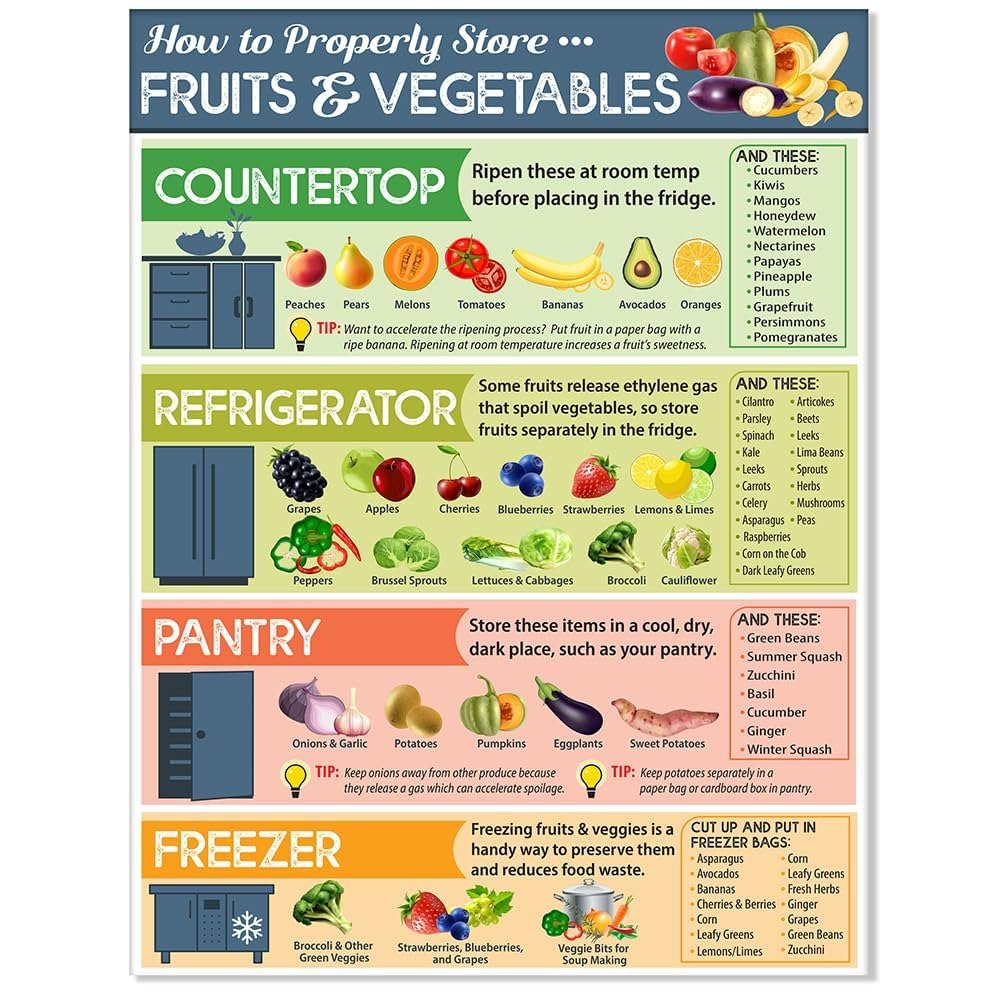
Choose The Right Storage Spots
Storing vegetables properly keeps them fresh longer. It also prevents waste. Choose the right spot to store each type of vegetable.
Different vegetables need different conditions. Picking the right storage spot is key.
Cool And Dark Places
Some vegetables last longer in cool, dark places. Potatoes and onions do well in these spots. Light and heat make them spoil faster.
Basements or cellars are perfect. Keep them away from sunlight and heat sources.
Humidity Control
Humidity affects how long vegetables stay fresh. Leafy greens need high humidity. Carrots and beets prefer less humidity.
Use the crisper drawer in your fridge. Adjust the humidity settings for different vegetables.
Separate Ethylene Producers
Some vegetables produce ethylene gas. This gas makes other vegetables ripen faster. Tomatoes and bananas are examples.
- Keep ethylene producers away from leafy greens
- Store apples with potatoes to prevent sprouting
- Use separate storage bags or containers

Credit: www.halfyourplate.ca
Prep Vegetables Before Storing
Storing vegetables properly helps them last longer and stay fresh. Preparing them before storage is key to keeping their quality.
Simple steps like cleaning and trimming make a big difference. These steps reduce spoilage and keep your vegetables tasty.
Clean And Dry
Remove dirt and debris from vegetables before storing. Use a soft brush or cloth to clean them gently.
After cleaning, dry the vegetables well. Moisture can cause mold and rot during storage.
- Clean off soil with a brush or cloth
- Pat dry with a clean towel
- Air dry if possible before storing
Trim Leaves And Stems
Cut off wilted or yellow leaves before storing. Remove excess stems to save space and reduce spoilage.
Trimming helps vegetables stay fresh and stops them from affecting others nearby.
- Remove damaged or dry leaves
- Cut long stems close to the vegetable
- Do not remove leaves that protect the vegetable
Avoid Washing Too Early
Do not wash vegetables before storing unless needed. Water speeds up spoilage and mold growth.
Wash vegetables just before cooking or eating to keep them fresh longer.
- Only wash before use, not before storing
- Store dry vegetables in breathable containers
- Use plastic bags with holes or paper towels to absorb moisture
Use Proper Containers
Storing vegetables properly helps keep them fresh longer. Using the right containers prevents spoilage and waste.
Choosing containers that allow air flow and control moisture is important. This helps vegetables stay crisp and tasty.
Breathable Bags And Wraps
Breathable bags let air move around vegetables. This stops moisture build-up that causes mold and rot.
Use cloth or mesh bags instead of plastic ones. Wrap leafy vegetables in paper towels inside these bags.
- Keep vegetables dry but allow air flow
- Use paper towels to absorb extra moisture
- Store in cloth or mesh bags for best results
Ventilated Storage Bins
Ventilated bins have holes or slots for air to circulate. This helps vegetables stay fresh by reducing humidity.
Use these bins in your refrigerator or on the counter. They work well for root vegetables and fruits that need air.
- Choose bins with good air circulation
- Keep vegetables separated to avoid bruising
- Check bins regularly for spoiled items
Avoid Airtight Containers
Airtight containers trap moisture and gases inside. This can cause vegetables to spoil faster.
Avoid using sealed plastic containers or bags without holes. These stop air flow and make vegetables go bad quickly.
- Do not seal vegetables tightly in plastic
- Use containers that allow some air exchange
- Keep humidity low to prevent mold
Store Different Vegetables Correctly
Storing vegetables properly helps keep them fresh longer. Different types of vegetables need different storage methods.
Knowing how to store each kind can prevent spoilage and waste. This guide covers root vegetables, leafy greens, tomatoes, and peppers.
Root Vegetables
Root vegetables like carrots, potatoes, and beets last best in cool, dark places. Avoid storing them near onions because they spoil faster.
Keep root vegetables dry and in a well-ventilated container. Do not wash them before storage; wash only before use.
- Store in a cool, dark spot like a pantry or cellar
- Use perforated bags or baskets for air flow
- Keep away from onions to prevent early spoilage
- Do not wash before storing to avoid moisture buildup
Leafy Greens
Leafy greens such as lettuce, spinach, and kale are delicate. Store them in the fridge to keep them fresh and crisp.
Wrap greens in a damp paper towel inside a plastic bag. This keeps moisture balanced and prevents wilting.
- Refrigerate in the vegetable drawer
- Wrap with a damp paper towel for moisture
- Use breathable plastic bags or containers
- Wash only before eating to avoid spoilage
Tomatoes And Peppers
Tomatoes and peppers do best stored at room temperature. Keep them out of direct sunlight and away from heat.
If tomatoes become very ripe, place them in the fridge for a short time. This slows down overripening but may affect flavor.
- Store on the countertop, away from sunlight
- Keep peppers at room temperature or in the fridge
- Refrigerate very ripe tomatoes to extend life
- Do not store tomatoes and peppers together with root vegetables
Monitor And Maintain Storage Conditions
Keeping vegetables fresh needs careful attention to storage conditions. Proper monitoring helps extend their shelf life.
Small changes in temperature or humidity can cause vegetables to spoil faster. Regular checks keep them safe and tasty.
Check For Spoilage Regularly
Look at your vegetables often to spot signs of spoilage. Remove any damaged items quickly to stop spread.
Check for mold, soft spots, or bad smells. These signs mean vegetables are no longer good to eat.
Adjust Temperature And Humidity
Keep vegetables in cool places with stable humidity. This slows down ripening and prevents mold growth.
- Leafy greens like 32-36°F and high humidity
- Root vegetables prefer 40-50°F and moderate humidity
- Tomatoes store best at room temperature, away from cold
Use a thermometer and hygrometer to track conditions. Adjust settings as needed to keep vegetables fresh.
Rotate Stock Often
Use the oldest vegetables first. This reduces waste and keeps your stock fresh.
- Place new vegetables behind older ones
- Check dates or harvest times if possible
- Regularly move stock to avoid forgotten produce
Credit: www.abt.com
Extend Freshness With Simple Hacks
Storing vegetables properly helps keep them fresh longer. Simple changes in storage can save money and reduce waste.
These easy tips use common household items to keep vegetables crisp and tasty.
Use Paper Towels To Absorb Moisture
Vegetables release moisture that can cause spoilage. Placing paper towels in storage containers helps soak up this moisture.
This keeps vegetables dry and prevents them from getting slimy or rotten too fast.
- Line the bottom of containers or bags with paper towels
- Change paper towels every few days to keep them dry
- Works well for leafy greens, broccoli, and mushrooms
Wrap In Aluminum Foil
Wrapping vegetables like broccoli or asparagus in aluminum foil keeps air out. This slows down the loss of moisture.
It helps vegetables stay crisp and fresh for a longer time in the fridge.
- Wrap vegetables tightly but do not crush them
- Store wrapped vegetables in the fridge drawer
- Check wrapped vegetables every few days for freshness
Store With Fresh Herbs
Fresh herbs like parsley or cilantro release natural gases that can slow down vegetable spoilage. Store vegetables near fresh herbs to keep them fresh.
This trick works especially well with leafy vegetables and carrots.
- Place fresh herbs in a small container or wrap in damp paper towels
- Keep herbs and vegetables together in the fridge
- Replace herbs every few days for best effect
Frequently Asked Questions
How Do I Store Vegetables To Keep Them Fresh Longer?
Store vegetables in a cool, dry place or refrigerator. Use perforated bags or containers to allow airflow. Keep ethylene-sensitive vegetables away from ethylene producers to avoid spoilage.
Which Vegetables Should Not Be Refrigerated?
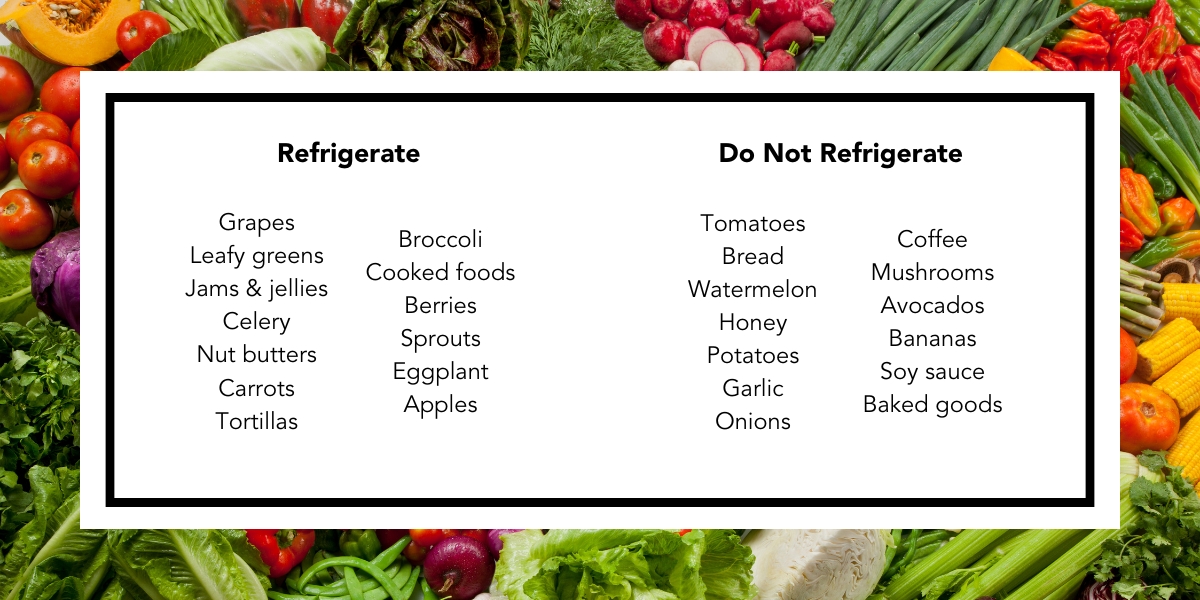
Avoid refrigerating potatoes, onions, garlic, and tomatoes. These vegetables last longer in a cool, dark, and dry environment. Refrigeration can alter their texture and flavor.
How Can I Prevent Vegetables From Spoiling Quickly?
Keep vegetables dry and avoid washing before storage. Use breathable containers and check regularly for spoilage. Separate ethylene-producing and sensitive vegetables to extend freshness.
What Is The Best Way To Store Leafy Greens Safely?
Wrap leafy greens in a damp paper towel and place them in a perforated bag. Store in the crisper drawer of the refrigerator to maintain moisture and freshness.
Conclusion
Safe storage keeps vegetables fresh and tasty longer. Store each vegetable in the right place. Use cool, dry spots for most kinds. Keep leafy greens in moisture-controlled bags. Check your vegetables often for signs of spoilage. Remove any spoiled pieces quickly to save others.
Proper storage helps reduce food waste at home. Enjoy healthy, fresh vegetables every day with simple habits. Small efforts make a big difference in your kitchen. Stay mindful and your veggies will stay fresh.