
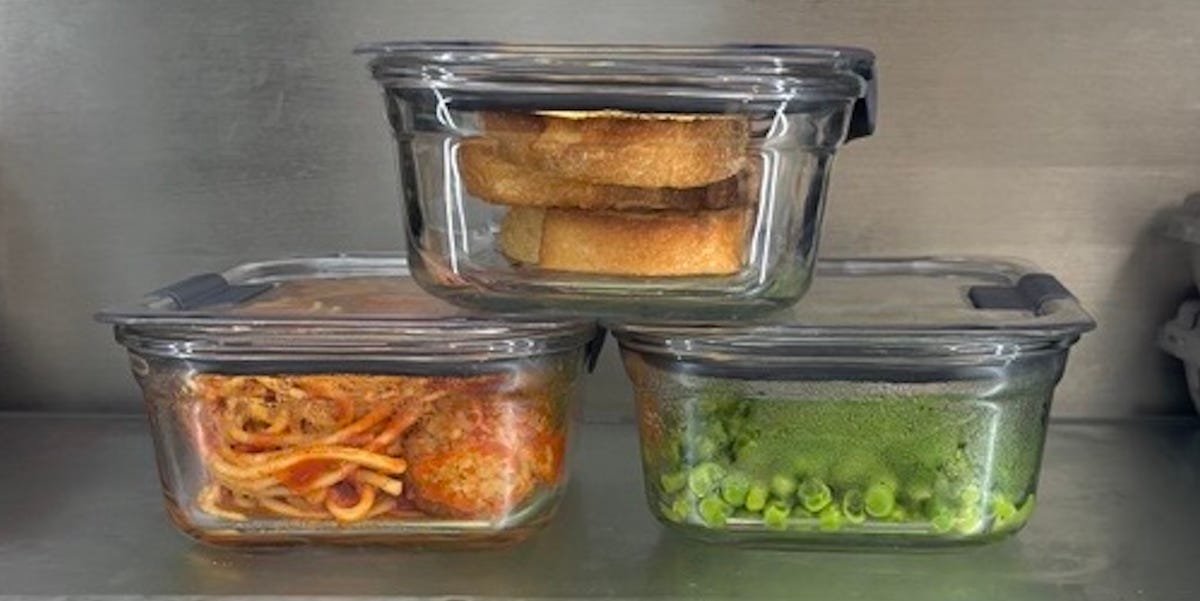
You’ve just finished cooking a delicious meal, and now it’s time to save the leftovers. But do you know the best way to store cooked food safely?
If not, you could be risking your health without even realizing it. Storing food the right way keeps it fresh longer and protects you from harmful bacteria. You’ll discover simple, effective tips to keep your cooked meals safe and tasty.
Keep reading—you’ll learn how small changes in your storage routine can make a big difference for you and your family.

Credit: www.aol.com
Choosing The Right Containers
Storing cooked food safely is important. The right container can keep food fresh and safe. Choose containers that fit your needs.
Consider materials, size, shape, and sealing options. These factors help maintain food quality and safety.
Materials That Preserve Freshness
Different materials affect how long food stays fresh. Some materials are better for keeping food safe.
- Glass: Does not stain or absorb odors.
- Plastic: Lightweight and affordable, but may stain.
- Stainless Steel: Durable and does not rust.
Size And Shape Considerations
Choose containers that match the amount of food you have. This helps save space and maintain freshness.
Shapes can also affect how well food is stored. Round containers are great for liquids, while square ones stack easily.
Sealing And Airtight Options
A good seal keeps air out and locks freshness in. Airtight containers are essential for food safety.
- Snap-on lids: Easy to use and secure.
- Screw-top lids: Provide a tight seal.
- Vacuum-sealed lids: Remove air to preserve freshness.

Credit: www.delish.com
Cooling Cooked Food Properly
Cooling cooked food correctly helps keep it safe to eat. It stops harmful bacteria from growing.
Let’s learn how to cool cooked food the right way to avoid food poisoning.
Avoiding The Danger Zone
The danger zone is between 40°F and 140°F. Bacteria grow fast in this range. Keep food out of this zone.
Do not leave cooked food at room temperature for more than two hours. Cool it quickly.
- Keep hot food above 140°F until cooling starts
- Move food to cooler temperatures quickly
- Store food in shallow containers to cool faster
Methods To Speed Up Cooling
Cool food faster to stop bacteria from growing. Use simple ways to lower the temperature quickly.
- Divide large portions into smaller containers
- Use an ice bath to cool pots or bowls
- Stir food often to release heat
- Leave lids off or loose to let heat escape
- Use a fan to blow air over the food
When To Refrigerate Or Freeze
Put cooked food in the fridge or freezer as soon as it cools. Do this within two hours.
If the room is very warm, cool food even faster. Freeze leftovers you won’t eat soon.
- Refrigerate food below 40°F within two hours
- Freeze food if you want to keep it longer than 3-4 days
- Label containers with dates for easy tracking
- Thaw frozen food safely in the fridge or microwave
Refrigeration Best Practices
Storing cooked food safely is important to avoid sickness. Using your refrigerator properly helps keep food fresh and safe to eat.
Follow simple rules to make sure your food stays good longer. Proper refrigeration slows down bacteria growth.
Optimal Temperature Settings
Keep your refrigerator at or below 40°F (4°C). This temperature stops bacteria from growing fast.
Use a fridge thermometer to check the temperature often. Adjust the settings if it gets too warm or cold.
- Ideal fridge temperature: 35°F to 38°F (1.7°C to 3.3°C)
- Freezer temperature: 0°F (-18°C) or lower
- Keep the thermometer in the middle shelf for accuracy
Organizing Your Fridge
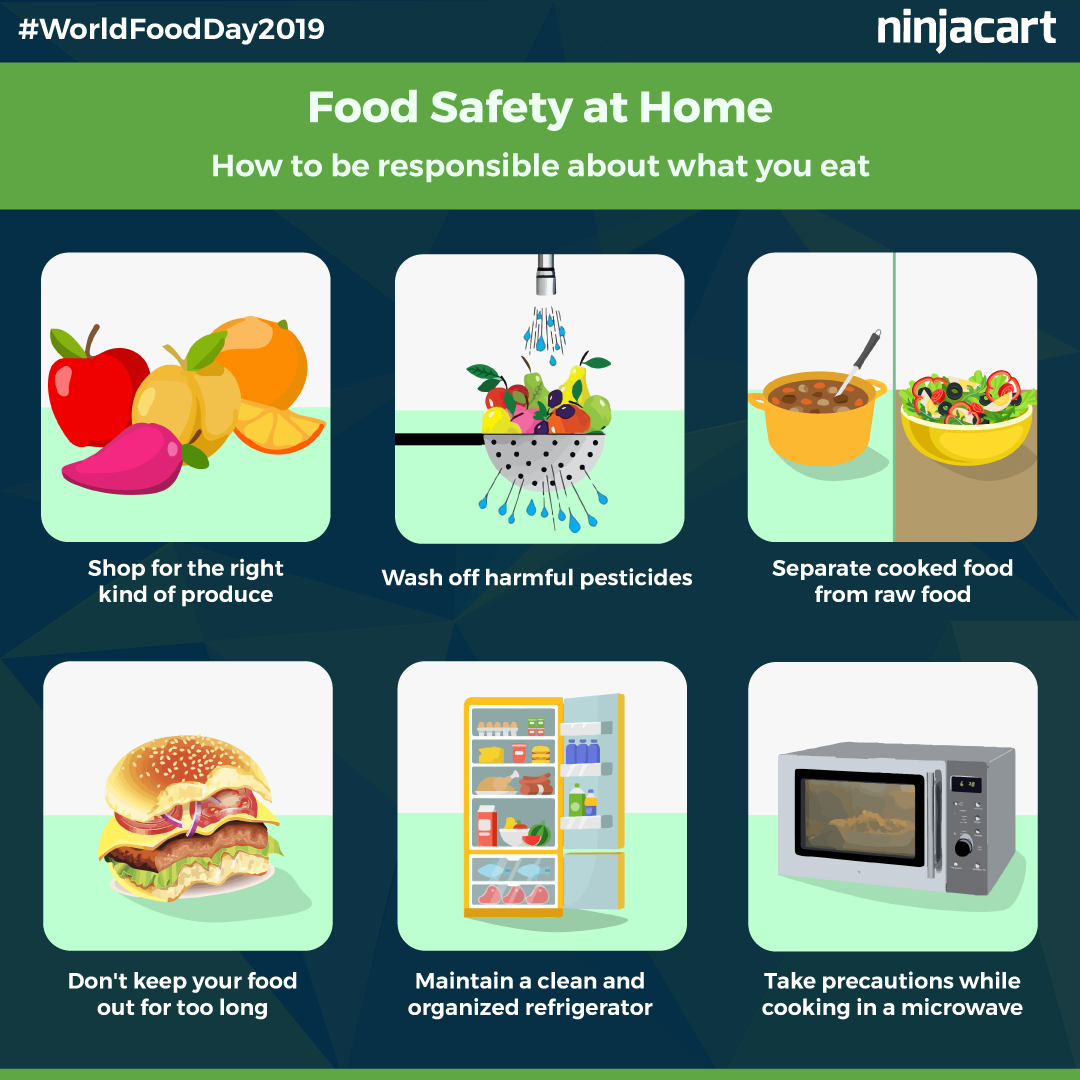
Store cooked food on the top shelves. Keep raw meat and fish on the bottom shelves to stop drips.
Use clear containers to see what is inside. Label food with the date you cooked it to track freshness.
- Keep leftovers in airtight containers
- Do not overcrowd the fridge to allow air flow
- Store dairy and eggs in the main fridge area, not the door
Storage Duration Guidelines
Eat or freeze cooked food within safe time limits. This stops harmful bacteria from growing.
| Cooked Food Type | Refrigerator Storage Time |
|---|---|
| Cooked meat and poultry | 3 to 4 days |
| Cooked fish and seafood | 2 to 3 days |
| Soups and stews | 3 to 4 days |
| Cooked pasta and rice | 3 to 5 days |
| Cooked vegetables | 3 to 4 days |
Throw away any food that smells bad or looks strange. Do not taste food to check if it is safe.
Credit: medium.com
Freezing Cooked Food
Freezing cooked food is a smart way to keep meals fresh for longer. It helps reduce waste and saves time on busy days.
To freeze food safely, you need to prepare it correctly, label it, and thaw it the right way. This guide shows you how.
Preparing Food For Freezing
Cool cooked food before freezing to stop bacteria growth. Avoid freezing food that is still hot.
Divide food into small portions. Use airtight containers or freezer bags to keep food fresh and prevent freezer burn.
- Let food cool to room temperature within two hours
- Use containers that seal tightly
- Leave space for food to expand when frozen
- Remove as much air as possible from bags
Labeling And Dating Tips
Label all frozen food with the name and date before storing it. This helps you know what is inside and how long it has been frozen.
Use waterproof markers or labels that stick well in the freezer. Keep track of the oldest food to use it first.
- Write the food name clearly
- Add the freezing date
- Use a first-in, first-out system
- Check labels before cooking or thawing
Thawing Safely
Thaw frozen cooked food in the refrigerator, microwave, or under cold water. Do not leave food out at room temperature.
Use thawed food within a few days. Reheat it to the right temperature to kill any bacteria that might have grown.
- Plan ahead and thaw in the fridge overnight
- Use microwave thawing for quick defrosting
- Place food in a sealed bag under cold running water
- Never refreeze thawed food unless cooked again
Reheating Cooked Food Safely
Reheating cooked food is common in many homes. Doing it safely helps prevent food poisoning.
Follow safe steps to keep your food tasty and healthy after heating it again.
Safe Temperature Targets
Heat cooked food to the right temperature to kill bacteria. The safe target is 165°F (74°C).
Use a food thermometer to check the temperature in the thickest part of the food.
- Heat leftovers to at least 165°F (74°C)
- Check temperature in several spots
- Reheat soups and sauces until boiling hot
Microwave And Oven Techniques
Microwaves heat food unevenly. Stir food halfway through to spread heat.
Ovens heat food slowly and evenly. Cover food with foil to keep moisture.
- Microwave on high and stir often
- Use oven at 350°F (175°C) for even heating
- Cover food to avoid drying out
Avoiding Multiple Reheats
Reheating food many times increases bacteria risk. Only reheat once after cooking.
Cool leftovers quickly and store them in small portions for easy reheating.
- Reheat food only one time
- Cool leftovers within 2 hours
- Store in small containers for faster reheating
Common Mistakes To Avoid
Storing cooked food safely helps prevent food poisoning. Many people make simple errors that cause food to spoil faster.
Knowing what mistakes to avoid can keep your food fresh and safe to eat for longer.
Leaving Food Out Too Long
Leaving cooked food at room temperature for more than two hours is unsafe. Bacteria grow quickly in this range.
Always cool and store food in the fridge or freezer quickly after cooking. This prevents harmful bacteria from multiplying.
Overpacking Containers
Filling containers too full stops food from cooling evenly. Warm spots let bacteria grow inside the food.
Use smaller containers or leave space at the top. This helps the food cool faster and stay safe.
- Use shallow containers for quicker cooling
- Leave some air space in containers
- Avoid stacking full containers until food is cold
Ignoring Food Spoilage Signs
Do not eat cooked food if it smells bad or looks strange. Spoiled food can cause illness even if reheated.
Check for mold, slimy texture, or sour smell before eating leftovers. When in doubt, throw it out.
- Look for color changes or mold spots
- Smell food for sour or off odors
- Notice slimy or sticky texture
- Discard food stored too long in the fridge
Frequently Asked Questions
How Long Can Cooked Food Stay Out Safely?
Cooked food should not stay out more than 2 hours. Bacteria grow rapidly between 40°F and 140°F. Refrigerate leftovers promptly to avoid foodborne illnesses. If the room temperature is above 90°F, reduce this time to 1 hour.
What Is The Best Container For Storing Cooked Food?
Use airtight containers made of glass or BPA-free plastic. These containers prevent contamination and maintain freshness. Avoid using aluminum foil or plastic wrap alone as they don’t seal completely. Label containers with dates to track storage time easily.
Should Cooked Food Be Cooled Before Refrigerating?
Yes, cool cooked food to room temperature before refrigerating. Hot food raises fridge temperature, risking other food safety. Divide large portions into smaller containers to cool faster. Aim to refrigerate within 2 hours after cooking.
Can Cooked Food Be Frozen For Long-term Storage?
Cooked food can be frozen safely for 2 to 6 months. Use airtight, freezer-safe containers or heavy-duty freezer bags. Label with date and contents for easy identification. Thaw frozen food in the fridge, not at room temperature.
Conclusion
Storing cooked food safely keeps you and your family healthy. Cool food quickly before placing it in the fridge. Use clean containers with tight lids to avoid spills. Always label containers with dates to track freshness. Reheat food thoroughly before eating to kill germs.
Avoid leaving cooked food out too long at room temperature. Following these simple steps helps prevent foodborne illness. Safe food storage saves money by reducing waste. Remember, good habits in the kitchen protect your health every day. Keep these tips in mind for safer meals.