
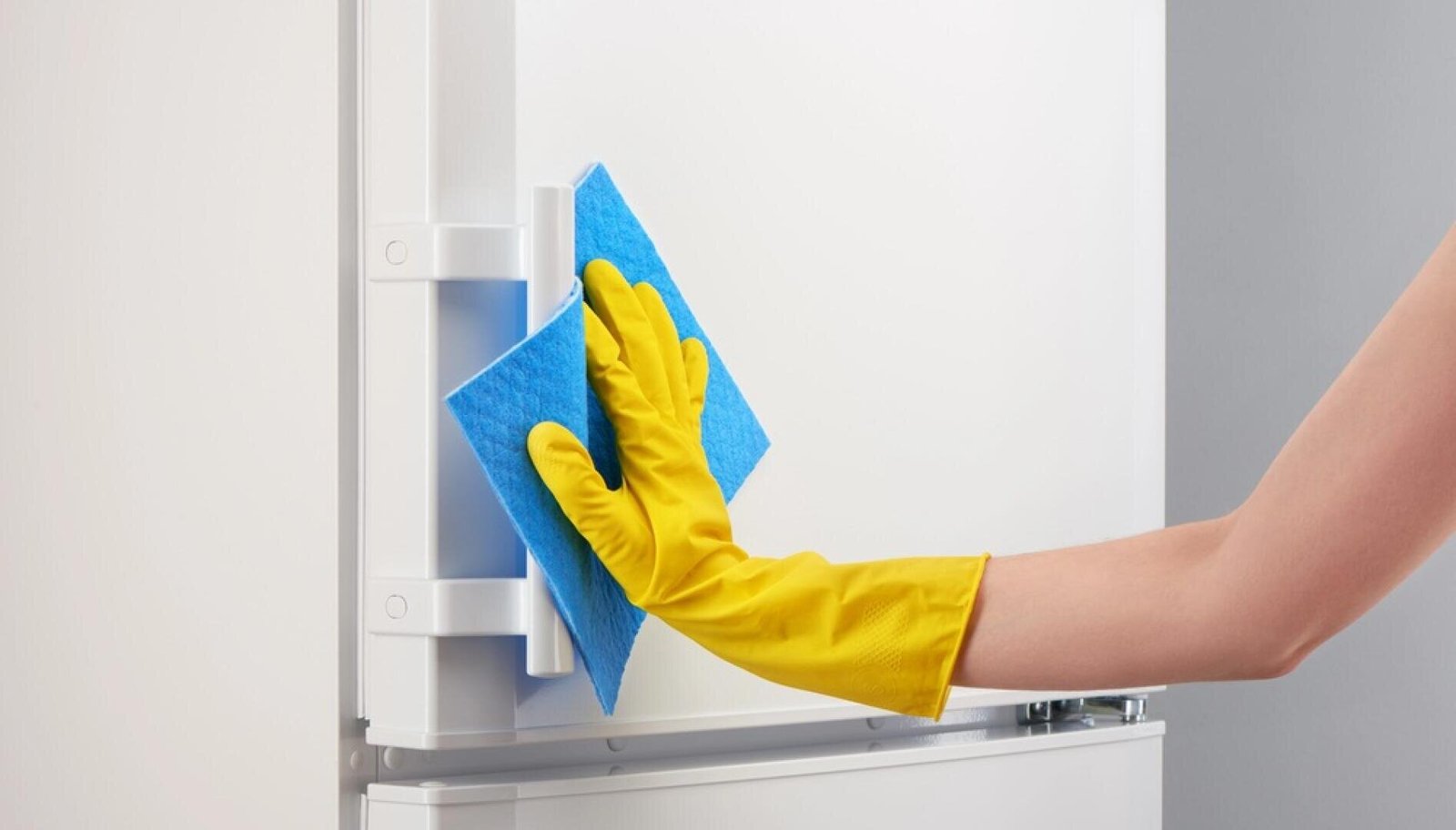
Your fridge is one of the busiest spots in your kitchen. Every time you open it, your hands touch the handles and seals.
But have you ever stopped to think about how clean these parts really are? Dirty fridge handles and seals can hide germs that affect your health and the freshness of your food. You’ll discover simple and effective ways to keep these often-overlooked areas spotless.
By following these easy tips, you’ll protect your family and extend the life of your fridge. Ready to make your fridge a cleaner, safer place? Let’s get started!
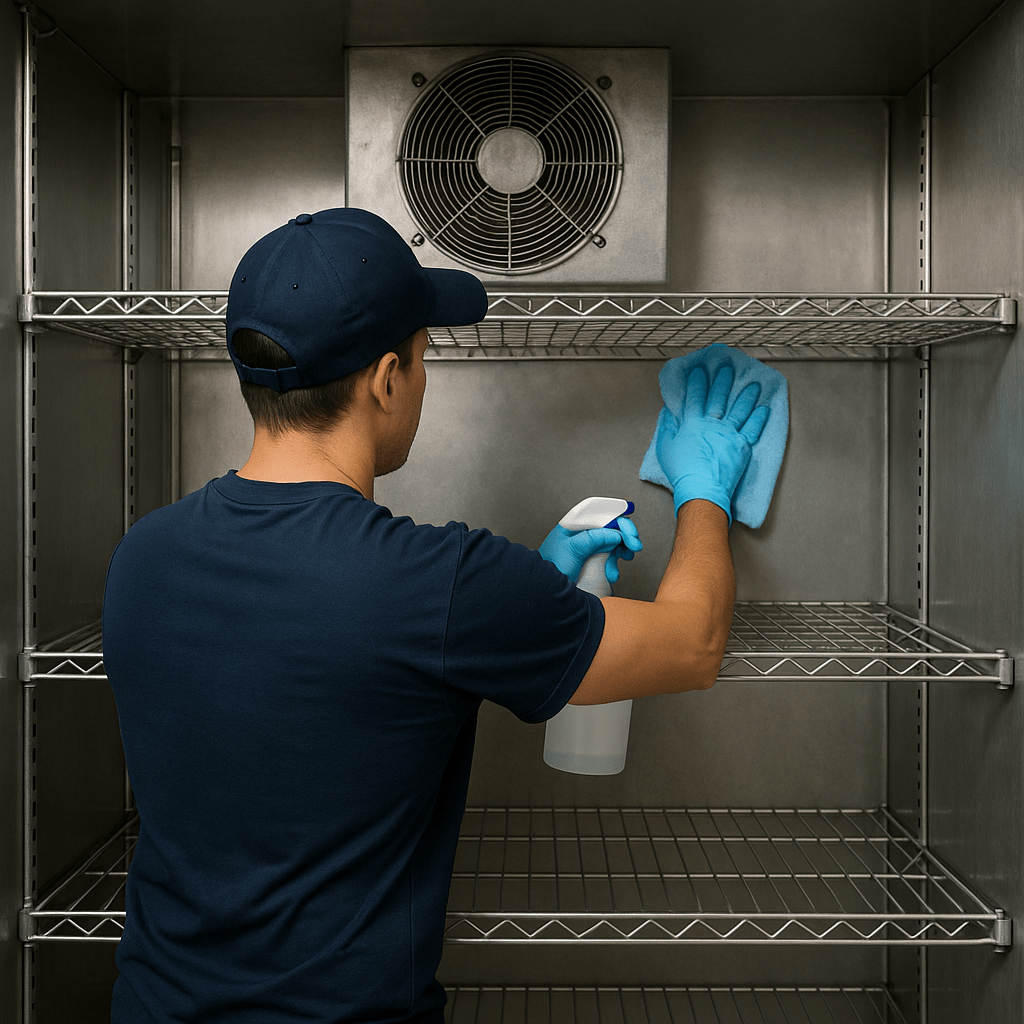
Credit: boh.ai
Why Clean Fridge Handles Matter
The fridge is a place where we store our food. Keeping it clean ensures our food stays safe. Fridge handles are touched often, so germs can spread easily.
Cleaning fridge handles keeps germs away. This helps prevent sickness in your home. Clean handles also make your fridge look nice.
Common Germ Hotspots
Fridge handles are touched by many hands. This makes them common germ hotspots. Germs can live on handles for hours or even days.
Germs from raw food or unclean hands can stay on handles. These germs can spread to other surfaces or food.
- Handles touched often
- Seals where food spills
- Buttons and touchscreens
Health Risks Of Dirty Handles
Dirty fridge handles can make you sick. Germs can transfer to your hands and then to your mouth.
Illnesses like colds, flu, or stomach bugs can spread this way. Regular cleaning helps keep these risks low.
- Increased risk of colds
- Stomach problems
- Spread of harmful bacteria
Credit: www.lemon8-app.com
Effective Cleaning Tools
Keeping fridge handles and seals clean stops germs from spreading. Using the right tools makes cleaning easier and more effective.
Choose tools that reach tight spots and remove dirt without damage. This helps keep your fridge fresh and safe.
Recommended Cleaning Agents
Use gentle cleaning agents that kill bacteria and do not harm fridge materials. Avoid harsh chemicals that can cause damage or leave strong smells.
- Mild dish soap mixed with warm water
- White vinegar diluted with water
- Baking soda paste for tough stains
- Isopropyl alcohol for disinfecting handles
Always test cleaning agents on a small area first. This prevents any damage to seals or handles.
Best Tools For Tight Spaces
Tight areas like fridge seals need small, flexible tools. These help remove dirt and mold effectively.
- Soft-bristle toothbrushes for scrubbing seals
- Microfiber cloths for gentle wiping
- Cotton swabs for narrow gaps
- Small silicone brushes for deep cleaning
- Spray bottles for even cleaning agent application
Use these tools carefully to avoid damaging seals. Regular cleaning keeps your fridge fresh and safe to use.
Step-by-step Cleaning Process
Keeping your fridge handles and seals clean is important for hygiene. Dirt and germs can build up quickly on these surfaces.
Follow these simple steps to clean your fridge handles and seals safely and effectively.
Preparing Your Cleaning Solution
Use a mild cleaning solution to avoid damage. Mix warm water with a small amount of dish soap.
This solution will help remove dirt and germs without hurting the fridge parts.
- Use 1 cup of warm water
- Add 1 teaspoon of gentle dish soap
- Mix well in a spray bottle or bowl
Cleaning Handles Thoroughly
Spray or dip a soft cloth in your cleaning solution. Wipe the handles carefully on all sides.
Pay special attention to corners and edges where dirt can hide. Use a soft brush if needed.
- Remove all visible dirt and grime
- Use a soft cloth or sponge
- Rinse with a clean damp cloth
- Dry handles with a clean towel
Wiping Down Seals Safely
Use a soft cloth dipped in the cleaning solution to wipe fridge seals. Avoid harsh scrubbing to protect the rubber.
Make sure to clean inside the folds and grooves. Dry the seals well to prevent mold growth.
- Clean seals gently with a soft cloth
- Reach into all folds and creases
- Rinse with a damp cloth to remove soap
- Dry completely with a soft towel

Credit: en.brilio.net
Maintaining Hygiene Between Deep Cleans
Keeping fridge handles and seals clean stops germs from building up. Regular care helps avoid bad smells and stains.
Simple steps done daily keep your fridge fresh and safe. These small habits reduce the need for tough deep cleans.
Daily Quick Wipes
Wipe fridge handles and seals every day using a damp cloth. This removes dirt and germs before they spread.
Use mild soap or a gentle cleaner to avoid damage. Dry the area well to stop mold from growing.
- Use a soft cloth or sponge
- Apply a mild soap solution
- Wipe all handle surfaces and seals
- Dry with a clean towel
- Do this once daily
Regular Inspection Tips
Check fridge handles and seals for dirt, cracks, or mold at least twice a week. Spotting issues early keeps your fridge safe.
Look inside the seals for trapped food or moisture. Clean any buildup quickly to prevent bacteria growth.
- Inspect seals for tears or cracks
- Look for mold or sticky spots
- Check handles for grime or smudges
- Clean problem areas right away
- Keep a small brush handy for tight spots
Preventing Mold And Mildew On Seals
Fridge handles and seals can grow mold and mildew if not cleaned and dried well. These areas stay damp and dark, which helps mold grow.
Keeping these parts clean and dry is important to stop mold. This guide shows simple ways to keep seals fresh and safe.
Keeping Seals Dry
Moisture is the main cause of mold on fridge seals. Dry seals well after cleaning or spills to stop mold growth.
Check seals often for wet spots or spills. Use a dry cloth to wipe seals and handles every few days.
- Open the fridge door carefully to avoid spills on seals
- Wipe seals after cleaning or if you see water
- Keep the fridge door closed to keep moisture out
- Use paper towels or cloth to dry seals completely
Using Natural Remedies
Natural cleaners help remove mold without harsh chemicals. Vinegar and baking soda are safe and easy to use on seals.
These remedies kill mold and keep the seals fresh. Use them regularly to prevent mold from coming back.
- Mix equal parts white vinegar and water in a spray bottle
- Spray the solution on seals and wipe with a clean cloth
- Make a paste with baking soda and water to scrub stubborn spots
- Rinse seals with a damp cloth and dry fully after cleaning
When To Replace Fridge Seals
Fridge seals keep cold air inside and stop warm air from entering. Over time, seals wear out and lose their strength.
Replacing seals at the right time helps save energy and keeps food fresh longer.
Signs Of Wear And Tear
Look for cracks, tears, or gaps in the seal. These show that the seal is damaged.
If you notice frost buildup or your fridge is warmer than usual, the seal might be failing.
- Visible cracks or holes
- Seal feels brittle or stiff
- Door does not close tightly
- Frost or moisture near the seal
- Increased electricity bills
Choosing Replacement Seals
Find seals made for your fridge model. A good fit ensures the door closes well.
Choose seals made of durable materials like rubber or silicone for long use.
- Check your fridge brand and model number
- Buy seals designed for your fridge type
- Pick flexible and strong materials
- Consider seals that are easy to install
- Compare prices and reviews before buying
Frequently Asked Questions
How Often Should Fridge Handles Be Cleaned?
Fridge handles should be cleaned at least once a week. Frequent cleaning prevents bacteria buildup and cross-contamination. Use a mild detergent or disinfectant for effective cleaning. Regular maintenance ensures hygiene and safety in your kitchen environment.
What Is The Best Way To Clean Fridge Seals?
Clean fridge seals gently with warm soapy water and a soft cloth. Avoid harsh chemicals that may damage the rubber. Wipe seals dry to prevent mold growth. Regular cleaning keeps seals flexible and maintains fridge efficiency.
Can Vinegar Help In Cleaning Fridge Handles And Seals?
Yes, vinegar is an effective natural cleaner for fridge handles and seals. It disinfects, removes odors, and prevents mold growth. Dilute vinegar with water before applying. Use a soft cloth to avoid damaging surfaces.
Why Is Maintaining Fridge Handle Hygiene Important?
Fridge handles are high-touch areas prone to germs and bacteria. Maintaining hygiene reduces the risk of food contamination and illness. Clean handles protect your family’s health and promote overall kitchen cleanliness.
Conclusion
Keeping fridge handles and seals clean protects your food and health. Wipe handles daily with a mild cleaner or soap. Clean seals gently to avoid damage and remove dirt. Regular care stops germs from spreading in your kitchen. Small habits make a big difference over time.
Stay consistent and your fridge stays fresh and safe. Simple steps ensure a cleaner, healthier home for your family.