
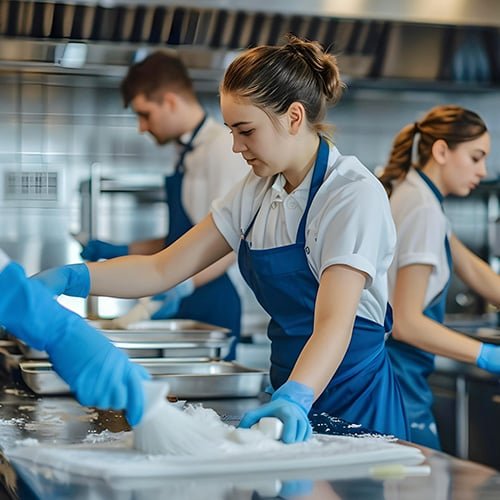
Keeping your food prep areas clean isn’t just about looking tidy—it’s about protecting your health and the health of everyone who eats what you make. Imagine preparing a delicious meal, only to worry about harmful germs lurking on your cutting board or countertops.
You don’t want that stress. By learning simple, effective ways to maintain hygiene in your food prep spaces, you can cook with confidence and keep your kitchen safe. Ready to discover easy habits that make a big difference? Let’s dive in and transform your food prep routine for good.
Clean Surfaces Regularly
Keeping food prep areas clean is important for food safety. Regular cleaning of surfaces helps prevent germs and bacteria.
Cleaning should be a routine task in all food preparation areas. This ensures a safe environment for preparing meals.
Use Food-safe Cleaners
It’s important to choose the right cleaners. Food-safe cleaners are safe for surfaces that touch food.
These cleaners remove dirt and bacteria without leaving harmful residues. Always read labels to ensure they are food-safe.
- Check for food-safe labels
- Follow instructions on the cleaner
- Store cleaners away from food
Sanitize After Each Use
Sanitizing surfaces after each use is crucial. This step kills any remaining bacteria after cleaning.
Use a sanitizer suitable for food contact surfaces. Make sure it is applied correctly for effective results.
- Apply sanitizer evenly
- Allow it to air dry
- Use as directed on the label
Avoid Cross-contamination
Cross-contamination happens when bacteria spread from one surface to another. Separate raw and cooked foods to prevent this.
Use different cutting boards for meats and vegetables. This simple practice reduces the risk of spreading germs.
- Label cutting boards for specific uses
- Wash hands between handling different foods
- Keep raw and cooked foods apart
Proper Hand Hygiene
Keeping hands clean is very important in food preparation areas. Clean hands stop germs from spreading.
Good hand hygiene helps keep food safe and prevents illness.
Wash Hands Frequently
Wash your hands often with soap and warm water. Do this for at least 20 seconds.
Wash hands before and after touching food, after using the bathroom, and after coughing or sneezing.
- Use soap and warm water
- Scrub all parts of your hands
- Rinse well and dry with a clean towel
Use Gloves When Necessary
Wear gloves when handling ready-to-eat foods. Gloves protect food from germs on hands.
Change gloves after touching raw meat or other contaminated surfaces. Never reuse gloves.
- Choose gloves that fit well
- Replace gloves if torn or dirty
- Wash hands before putting on gloves
Avoid Touching Face
Do not touch your face while preparing food. Germs from your face can spread to food.
If you touch your face, wash your hands before handling food again.
Safe Food Storage
Keeping food safe is very important in the kitchen. Proper storage helps stop germs from spreading.
Good storage keeps food fresh and stops it from spoiling too fast. Follow simple rules to keep food safe.
Separate Raw And Cooked Foods
Raw foods can have bacteria that harm cooked foods. Always keep them apart to avoid cross-contamination.
Store raw meat, fish, and eggs on lower shelves. Keep cooked foods on higher shelves or in separate containers.
- Use different cutting boards for raw and cooked foods
- Wrap raw foods tightly to stop drips
- Clean hands and surfaces after handling raw foods
Maintain Correct Temperatures
Temperature controls bacteria growth. Keep cold food below 40°F (4°C) and hot food above 140°F (60°C).
Use refrigerators and freezers properly. Check temperatures often with a thermometer to keep food safe.
- Store perishable foods in the fridge or freezer
- Do not leave food out for more than 2 hours
- Cool cooked foods quickly before refrigerating
Use Airtight Containers
Airtight containers keep food fresh longer. They stop air and moisture from spoiling food.
Use clean containers that seal well. Label containers with dates to track how long food is stored.
- Choose containers made for food storage
- Seal lids tightly every time
- Store leftovers in small portions for quick cooling
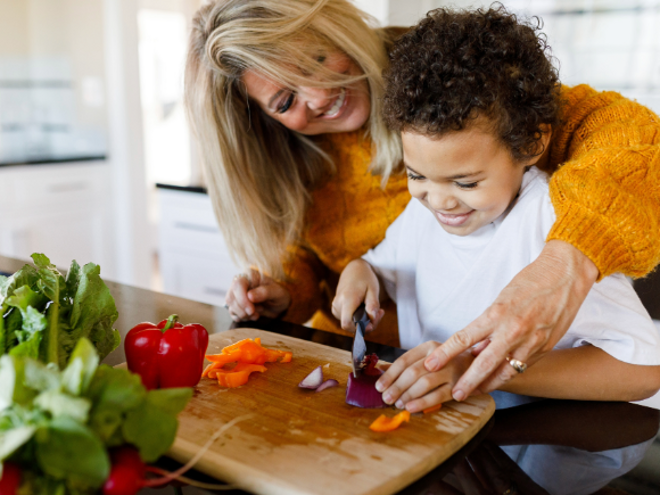
Credit: www.nestlefamilynes.com.au
Equipment Maintenance
Keeping food preparation equipment clean and well-maintained is key to hygiene. Proper care prevents contamination and ensures safe food handling.
Regular maintenance helps avoid equipment breakdowns and keeps the workspace safe. Follow simple steps to maintain your kitchen tools.
Clean Utensils Thoroughly
Wash all utensils after use with hot water and soap. Cleaning removes food particles and germs that cause illness.
Sanitize utensils to kill bacteria. Use food-safe sanitizers and let items air dry before storing them.
- Use separate brushes for different utensils
- Clean cutting boards and knives after every use
- Dry utensils completely before storage
Inspect Tools Regularly
Check your kitchen tools often to find any signs of dirt or damage. Early detection stops problems before they get worse.
Look for cracks, rust, or loose parts on equipment. These issues can harbor bacteria and cause accidents.
- Set a weekly schedule for inspection
- Note any issues and fix them quickly
- Keep records of inspections and repairs
Replace Damaged Items
Throw away utensils that are broken or worn out. Damaged tools can spread germs and cause injuries.
Use new equipment to keep your kitchen safe and clean. Replace items like cracked cutting boards or rusted knives right away.
- Do not use tools with cracks or chips
- Replace items that cannot be cleaned properly
- Invest in durable, easy-to-clean equipment
Pest Control Measures
Pests can spread germs and cause food contamination. Keeping food prep areas clean and pest-free is important for health and safety.
Good pest control stops pests from entering and living in food areas. This helps keep food safe to eat.
Seal Entry Points
Close all cracks and holes where pests can enter. Check doors, windows, and walls often.
Use weather stripping and door sweeps to block gaps under doors. Keep vents covered with screens.
- Seal cracks in walls and floors
- Fix gaps around pipes and cables
- Keep doors and windows shut when not in use
Keep Areas Dry
Pests like wet and damp places. Clean spills and leaks quickly to stop moisture build-up.
Use dehumidifiers or fans to reduce humidity. Dry floors and counters after cleaning.
- Fix plumbing leaks fast
- Do not leave water standing in sinks
- Clean drains regularly to avoid blockages
Use Approved Pest Deterrents
Choose pest control products that are safe for food areas. Follow all instructions for use.
Use traps and baits to control pests without chemicals. Avoid sprays near food surfaces.
- Use sticky traps for monitoring pests
- Place bait stations away from food
- Hire professionals for regular pest inspections
Personal Cleanliness
Keeping clean is very important in food preparation areas. It helps stop germs from spreading and keeps food safe.
Good personal hygiene protects both the food and the people eating it. Everyone must follow simple rules every day.
Wear Clean Clothing
Always wear clean clothes before working with food. Dirty clothes can carry germs and dirt into the food area.
Change clothes daily and after any spills. Use aprons to keep your clothes clean while cooking.
Tie Back Hair
Long hair must be tied back to stop it from falling into food. Loose hair can carry germs and cause contamination.
Use hair ties, clips, or hairnets to keep hair neat and away from your face and food.
- Tie hair in a bun or ponytail
- Wear hairnets if required
- Keep hair clean and brushed
Avoid Jewelry
Do not wear jewelry like rings, bracelets, or watches while preparing food. Jewelry can trap dirt and germs.
Jewelry can also fall into food and cause harm. It is safer to remove all jewelry before starting work.
Waste Management
Keeping food preparation areas clean is very important. Proper waste management helps stop germs and pests.
Good waste handling keeps the kitchen safe and hygienic. It also makes cleaning easier.
Dispose Of Waste Promptly
Throw away food scraps and trash right after use. Do not let waste sit around the kitchen.
Prompt disposal reduces bad smells and stops bugs from coming near the food area.
Use Covered Bins
Covered bins keep waste out of sight and block pests. Always choose bins with tight lids.
Covered bins also stop spills and help keep the kitchen clean and safe.
Clean Waste Areas Often
Clean trash bins and waste corners every day. Use soap and water to remove germs and smells.
Regular cleaning stops bacteria growth and keeps the kitchen fresh and healthy.
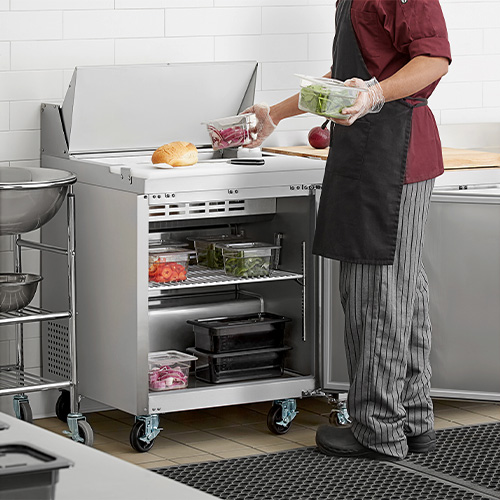
Credit: www.webstaurantstore.com
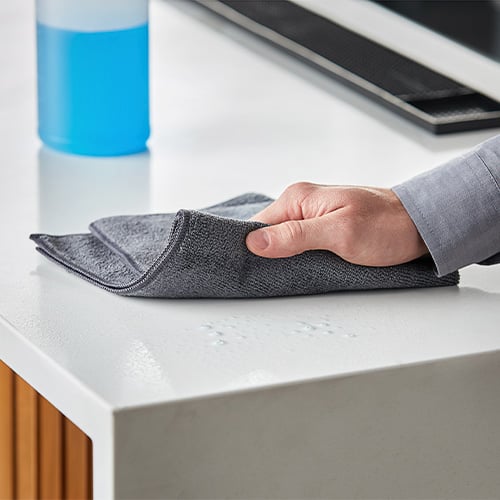
Credit: www.webstaurantstore.com
Frequently Asked Questions
How Often Should Food Prep Areas Be Cleaned?
Food prep areas should be cleaned before and after each use. Regular cleaning prevents cross-contamination and bacteria buildup. Wipe surfaces with disinfectant and wash utensils thoroughly. Daily deep cleaning ensures a hygienic environment and food safety.
What Are The Best Cleaning Agents For Food Prep Areas?
Use food-safe disinfectants like diluted bleach or commercial kitchen cleaners. Avoid harsh chemicals that leave toxic residues. Always follow manufacturer instructions for safe and effective cleaning. Proper agents kill germs without compromising food safety.
How Can Cross-contamination Be Prevented In Food Prep Zones?
Separate raw and cooked foods using different cutting boards and utensils. Clean surfaces and hands frequently during prep. Store foods properly to avoid contact. These steps reduce the risk of harmful bacteria spreading.
Why Is Hand Hygiene Crucial In Food Preparation?
Hands carry bacteria that can contaminate food easily. Regular handwashing with soap for at least 20 seconds removes germs. Use gloves when necessary and change them often. Good hand hygiene protects both food and consumers.
Conclusion
Keeping food prep areas clean protects everyone from germs and sickness. Wash hands often and clean surfaces after each use. Use separate tools for raw and cooked foods to avoid mixing germs. Store food properly and check expiration dates regularly.
Small habits make a big difference in safety and taste. Clean spaces help you cook with confidence and care. Follow these simple steps every day. Safe food starts with good hygiene.