
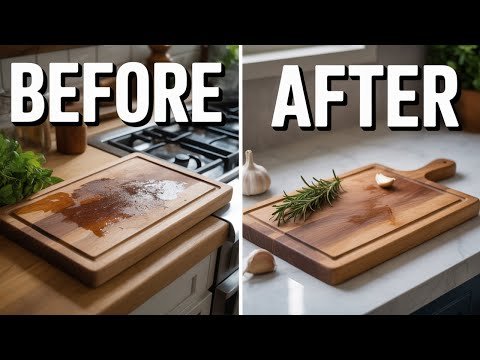
Your cutting board is one of the busiest tools in your kitchen, handling everything from raw meat to fresh veggies. But do you know the right way to disinfect it after use?
If not cleaned properly, harmful bacteria can linger and put your health at risk. You’ll learn simple, effective steps to keep your cutting boards safe and spotless. By following these tips, you’ll protect yourself and your family from foodborne illnesses without any extra hassle.
Keep reading to discover how easy it is to make your kitchen a safer place.

Credit: homewithgraceandjoy.com
Choosing The Right Cutting Board
Cutting boards are important in every kitchen. Picking the right one helps with hygiene and ease of cleaning.
Understanding the materials of cutting boards helps in making the right choice. It also affects how you disinfect them after use.
Wood Vs Plastic Boards
Wooden boards are often chosen for their natural look. They are gentle on knife edges and are sturdy.
Plastic boards are lightweight and come in many colors. They are usually cheaper and dishwasher safe.
- Wood boards are durable but need regular oiling.
- Plastic boards are easy to clean but may scar easily.
Pros And Cons For Cleaning
Wooden boards need gentle cleaning. They cannot be submerged in water for long. This prevents warping.
Plastic boards can go in the dishwasher. They can handle hot water and strong cleaners better than wood.
- Wood may absorb smells, needing extra care.
- Plastic is less porous, making it less likely to harbor bacteria.
Credit: shynihome.com
Basic Cleaning Steps
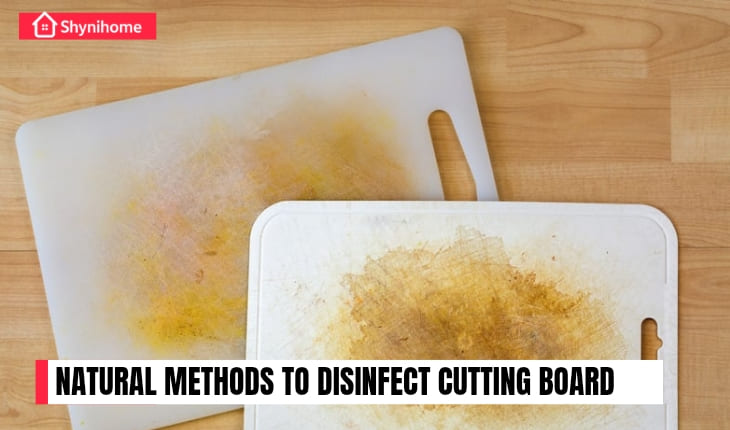
Cleaning your cutting board after use is important to keep it safe. Dirt and germs can hide on the surface. You should clean your board properly every time you use it.
This guide explains simple steps to remove food residue and wash the board with soap and water. Follow these steps to keep your kitchen clean and healthy.
Removing Food Residue
First, remove all leftover food pieces from the board. Use a spatula or a scraper to push scraps into the trash. This helps stop bacteria from growing.
Make sure to check all corners and edges. Food bits can hide in cracks or grooves on the board.
Washing With Soap And Water
After removing food residue, wash the board with warm water and dish soap. Use a sponge or brush to scrub every part well.
Rinse the board with clean water to remove all soap. Dry it with a clean towel or let it air dry standing up to avoid moisture buildup.
Disinfection Methods
Cutting boards can hold germs after use. Cleaning alone does not remove all bacteria. Disinfecting keeps your kitchen safe.
Use different ways to disinfect cutting boards. Some methods work better for certain materials. Here are easy ways to disinfect.
Using Bleach Solutions
Bleach is strong and kills most germs on cutting boards. Use a diluted bleach solution to avoid damage. Mix 1 tablespoon of bleach with 1 gallon of water.
Soak or wipe the board with the solution. Let it sit for a few minutes. Rinse well with clean water. Air dry the board before use.
- Mix 1 tablespoon bleach with 1 gallon water
- Apply solution to the board
- Let it sit 2-3 minutes
- Rinse thoroughly with water
- Air dry completely
Vinegar And Hydrogen Peroxide
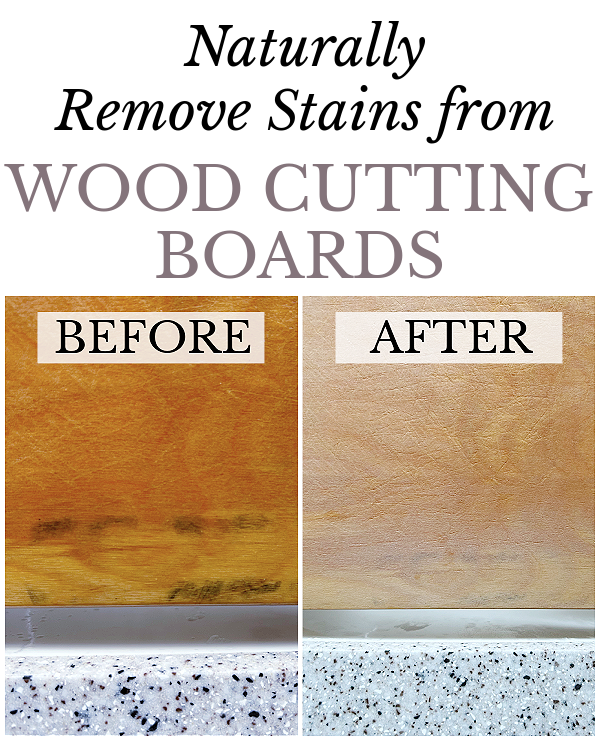
White vinegar and hydrogen peroxide are natural disinfectants. Vinegar kills some bacteria and cleans stains. Hydrogen peroxide removes more germs when used after vinegar.
Spray vinegar on the board first. Wait a few minutes. Then spray hydrogen peroxide. Let it sit before rinsing. This method is safe for wood and plastic boards.
- Spray white vinegar on the board
- Wait 5 minutes
- Spray hydrogen peroxide over vinegar
- Wait 5 minutes again
- Rinse with water and dry
Boiling And Dishwasher Use
Boiling water kills germs on small cutting boards. Pour boiling water over the board or soak it carefully. Use caution to avoid burns.
Dishwashers with hot water clean and disinfect plastic boards well. Use the hottest setting. Avoid putting wooden boards in the dishwasher to prevent damage.
- Boil water and pour on small boards
- Soak boards briefly in boiling water
- Use dishwasher hot cycle for plastic boards
- Do not put wood boards in dishwasher
Credit: www.lemonslavenderandlaundry.com
Drying And Storage Tips
After cleaning your cutting boards, drying and storing them properly is key. This helps stop bacteria from growing. Good drying and storage keep your kitchen safe and clean.
Using the right drying and storage methods can extend the life of your cutting boards. It also keeps them ready for your next use.
Air Drying Techniques
Air drying is a simple way to remove moisture from cutting boards. Avoid putting boards away when they are still wet. This stops mold and bacteria from growing.
Place cutting boards in a spot with good air flow. Standing them upright helps air reach all sides. Using a drying rack works well.
- Stand boards on their edges to dry faster
- Keep cutting boards in a well-ventilated area
- Do not stack boards while drying
- Use a drying rack if possible
Preventing Bacterial Growth
Bacteria grow in warm, damp places. Keep cutting boards dry and clean to stop this. Clean boards thoroughly after each use before drying.
Store cutting boards in a dry place. Avoid sealed containers or dark drawers. Let air circulate to keep boards fresh and safe.
- Wash boards with hot, soapy water after use
- Dry completely before storing
- Store in an open area with good airflow
- Use separate boards for raw meat and vegetables
Maintenance For Longevity
Cutting boards need proper care to last a long time. Cleaning and disinfecting keep them safe and strong.
Good maintenance stops bacteria growth and prevents damage to the board.
Regular Deep Cleaning
After each use, wash your cutting board with hot, soapy water. Rinse well and dry it fully.
Once a week, disinfect the board to kill germs. Use a solution of one tablespoon bleach in one gallon of water.
- Apply the bleach solution and let it sit for a few minutes
- Rinse thoroughly with clean water
- Dry the board completely before storing
For wooden boards, use food-safe mineral oil monthly. This stops cracks and keeps wood strong.
When To Replace Your Cutting Board
Check your cutting board often for deep cuts or cracks. These can hide bacteria and make cleaning hard.
Replace the board if it has many deep grooves or if it smells bad even after cleaning.
- Boards with lots of knife marks
- Cracked or warped boards
- Persistent bad smells
- Boards that no longer clean well
Frequently Asked Questions
How Often Should I Disinfect Cutting Boards?
Disinfect cutting boards after each use, especially when handling raw meat. Frequent cleaning prevents bacteria buildup and cross-contamination. Regular disinfection keeps your kitchen safe and hygienic.
What Is The Best Disinfectant For Cutting Boards?
A solution of one tablespoon of bleach mixed with one gallon of water works best. Vinegar and hydrogen peroxide are also effective natural alternatives. Always rinse thoroughly after disinfecting to remove any residue.
Can I Use The Dishwasher To Disinfect Cutting Boards?
Yes, hard plastic cutting boards can be safely disinfected in the dishwasher. Use the hottest cycle for best results. Wooden boards should be hand-washed and disinfected to avoid warping or cracking.
How Do I Disinfect Wooden Cutting Boards Safely?
Use a mixture of vinegar and water or diluted bleach for wooden boards. Avoid soaking them to prevent damage. Wipe thoroughly and air dry to maintain wood integrity and hygiene.
Conclusion
Cleaning cutting boards well keeps your kitchen safe and healthy. Use soap and hot water first to remove food bits. Then, disinfect with vinegar or a bleach solution. Let the board dry completely before storing it. Regular care stops germs from spreading to your food.
Small steps make a big difference in food safety. Keep these habits in your routine for cleaner cutting boards every time. Safe cooking starts with simple, smart cleaning.