
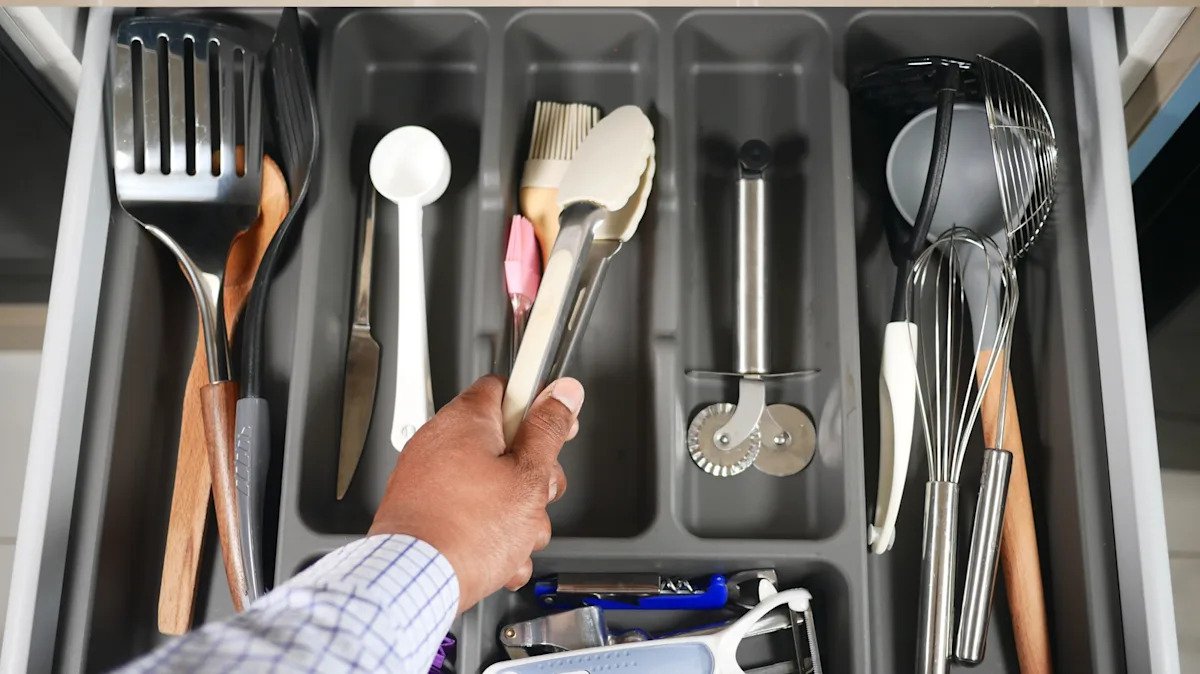
Your kitchen utensils come into contact with food every day, making them a hotspot for germs and bacteria. If you don’t disinfect them properly, you risk contaminating your meals and harming your health.
But how do you make sure your knives, spoons, and cutting boards are truly clean and safe to use? You’ll discover simple, effective ways to disinfect your kitchen utensils quickly and easily. Keep reading to protect yourself and your loved ones from hidden dangers lurking on your everyday tools.
Choosing The Right Cleaning Agents
Disinfecting kitchen utensils is important for keeping germs away. Choosing the right cleaning agents can make this task easier.
Different cleaning agents have different strengths. It’s important to know which one to use for safe and effective disinfection.
Common Household Disinfectants
Household disinfectants are often found in homes. They are good for cleaning kitchen utensils.
- Alcohol-based disinfectants kill most germs.
- Hydrogen peroxide is effective against bacteria and viruses.
- Commercial disinfectant sprays work well for quick clean-ups.
Natural Alternatives For Disinfection
Some people prefer natural cleaning agents. These can disinfect without harsh chemicals.
- Vinegar is good for removing bacteria.
- Lemon juice has antibacterial properties.
- Baking soda helps with scrubbing and cleaning.
Safe Use Of Bleach Solutions
Bleach solutions are powerful for disinfecting. They must be used safely.
Always dilute bleach with water. Use one part bleach to ten parts water for effective disinfection. Wear gloves to protect your skin.
Preparing Utensils For Disinfection
Cleaning kitchen utensils properly is important before disinfecting them. Preparing utensils well helps remove germs and dirt effectively.
This guide explains how to get utensils ready by removing food residue, sorting by material, and using pre-rinsing techniques.
Removing Food Residue
Start by scraping off leftover food from the utensils. Use a brush or sponge to clean stuck-on bits.
Removing food residue helps disinfectants reach all surfaces. It also stops bacteria from hiding under food particles.
Sorting Utensils By Material
Group utensils based on their material type. Metals, plastics, and wood need different care during disinfection.
Sorting prevents damage and ensures the right cleaning method is used for each item.
- Metal utensils can usually handle hot water and strong disinfectants.
- Plastic utensils may melt with high heat, so use mild methods.
- Wooden utensils need gentle cleaning to avoid cracking.
Pre-rinsing Techniques
Rinse utensils with warm water before disinfecting. This removes loose dirt and food particles.
Use running water or a clean basin to rinse. Avoid soaking for too long to protect some materials.
Disinfection Methods
Keeping kitchen utensils clean is important for food safety. Disinfecting kills germs that cause illness.
There are several ways to disinfect utensils. Choose a method that fits your tools and time.
Soaking In Disinfectant Solutions
Soaking utensils in disinfectant solutions helps remove bacteria and viruses. Use a safe and approved disinfectant for kitchen use.
Make sure to follow the instructions for dilution and soaking time. After soaking, rinse utensils with clean water.
- Prepare the disinfectant solution as directed
- Submerge utensils completely in the solution
- Soak for the recommended time, usually 5-10 minutes
- Rinse thoroughly with clean water
- Dry utensils before storing
Using Heat For Sanitizing
Heat kills most germs on kitchen tools. Boiling water or using a dishwasher with a hot cycle works well.
Make sure utensils can handle the heat to avoid damage. Heat sanitizing is fast and chemical-free.
- Boil utensils in water for at least 5 minutes
- Use a dishwasher with a sanitize setting
- Dry utensils with a clean towel or air dry
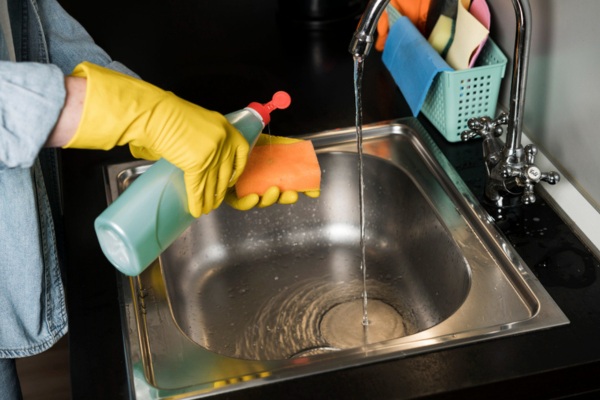
Wiping With Disinfectant Wipes
Disinfectant wipes are easy to use for quick cleaning. They remove germs from utensil surfaces quickly.
Use wipes that are safe for kitchen tools. Wipe all surfaces and let them air dry for best results.
- Choose wipes labeled safe for kitchen use
- Wipe all sides of the utensil thoroughly
- Allow utensils to air dry without rinsing
- Dispose of wipes properly after use
Credit: modern-maids.com
Drying And Storage
Cleaning kitchen utensils is only part of keeping your kitchen safe. Drying and storing them correctly stops germs from growing.
Proper drying and storage help keep your utensils clean and ready for use.
Air Drying Vs Towel Drying
Air drying lets water evaporate naturally from utensils. It avoids adding germs from towels.
Towel drying is faster but can spread bacteria if towels are not clean. Use a clean, dry towel if you choose this way.
- Air drying takes longer but is safer for hygiene
- Towel drying is quick but needs clean towels
- Use a drying rack for air drying
- Change towels often to avoid contamination
Proper Storage To Prevent Contamination
Store utensils in a clean, dry place to stop germs from growing. Avoid damp or dirty areas.
Separate clean utensils from dirty ones. Use closed containers or drawers to keep dust and bugs away.
- Store utensils upright to let air circulate
- Keep storage areas clean and dry
- Use utensil holders or drawers with lids
- Do not mix clean and used utensils
Maintaining A Germ-free Kitchen
Keeping your kitchen clean helps stop germs from spreading. Disinfecting utensils is key to a healthy cooking space.
Following simple cleaning habits protects your family from illness caused by bacteria and viruses.
Regular Cleaning Schedules
Set a daily routine to wash and disinfect kitchen utensils. This prevents germs from building up.
Use hot, soapy water to clean all utensils after use. Then rinse and dry them well.
- Wash utensils after every meal
- Disinfect with a mild bleach solution once a week
- Replace sponges and scrubbers regularly
- Keep dishcloths clean and dry
Handling Utensils Safely
Always handle utensils with clean hands. Avoid touching clean utensils with dirty hands.
Use separate utensils for raw and cooked foods to stop germs from spreading.
- Wash hands before and after handling utensils
- Use different cutting boards and knives for meat and vegetables
- Store clean utensils in a dry, covered place
Tips For Preventing Cross-contamination
Cross-contamination spreads germs from one food to another. Avoid it by using clean tools and surfaces.
Always clean utensils and surfaces after contact with raw foods.
- Use color-coded utensils for different food types
- Sanitize cutting boards after each use
- Keep raw meat separate from other foods
- Do not reuse plates that held raw food without washing
Credit: www.lemon8-app.com

Credit: www.goodhousekeeping.com
Frequently Asked Questions
How Often Should I Disinfect Kitchen Utensils?
Disinfect kitchen utensils after every use, especially when handling raw meat or fish. Regular cleaning prevents bacterial buildup and food contamination, ensuring kitchen hygiene and safety.
What Is The Best Disinfectant For Kitchen Utensils?
A solution of diluted bleach or white vinegar works well. Use one tablespoon of bleach per gallon of water for effective disinfection without damaging utensils.
Can I Disinfect Utensils In A Dishwasher?
Yes, most dishwashers have a high-temperature setting that kills germs. Use the sanitize cycle for thorough disinfection of kitchen utensils and cookware.
Is Boiling Water Effective For Disinfecting Utensils?
Boiling water kills most bacteria and viruses. Immerse utensils in boiling water for at least five minutes for safe and natural disinfection.
Conclusion
Cleaning kitchen utensils well keeps your family safe from germs. Use warm water and soap first to remove food bits. Then, apply a disinfectant like bleach or vinegar to kill bacteria. Let utensils dry completely before storing them. Regularly disinfecting stops illness and keeps your kitchen fresh.
Simple steps make a big difference in hygiene. Keep these habits daily for a healthy cooking space. Clean tools, healthy meals, happy home.