
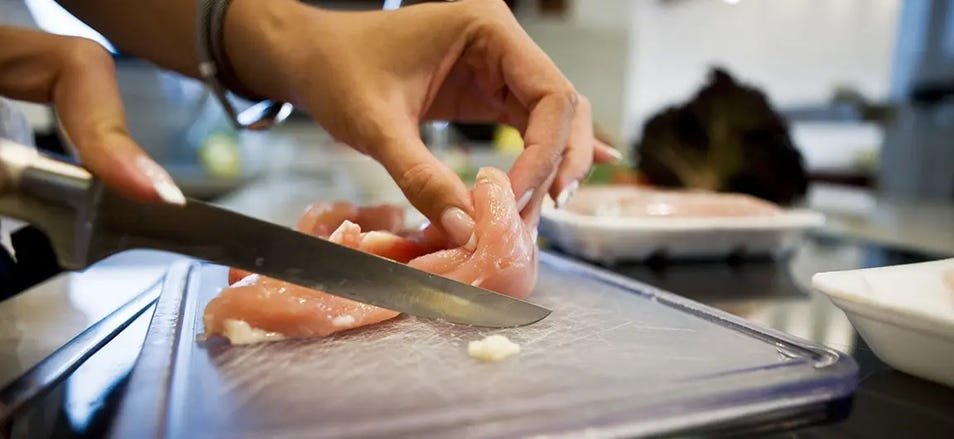
You’ve just finished preparing a juicy steak or some fresh chicken, but do you know the best way to clean your cutting board afterward? If not cleaned properly, your cutting board can become a breeding ground for harmful bacteria that could make you and your family sick.
You might think a quick rinse is enough, but there’s more to it than that. You’ll discover simple, effective steps to keep your cutting board safe and spotless every time you handle meat. Keep reading to protect your health and make your kitchen safer with easy cleaning tips you can trust.
Choosing The Right Cutting Board
Choosing the right cutting board is important for kitchen safety. It helps prevent cross-contamination, especially after cutting meat.
Different materials have their own benefits and drawbacks. Understanding these can help you make a better choice.
Wood Vs Plastic Boards
Wood boards are gentle on knife edges. They can also look nicer on your kitchen counter.
Plastic boards are easier to clean in a dishwasher. They are often cheaper and lighter than wood boards.
- Wood is more durable but needs more care.
- Plastic can be sanitized with hot water.
- Choose based on your cleaning habits.
Boards Resistant To Bacteria
Bacteria can live on cutting boards if not cleaned properly. Some materials resist bacteria better than others.
Plastic boards can hide cuts where bacteria grow. Wood has natural antibacterial properties, making it a safer choice for some.
| Material | Bacterial Resistance |
| Wood | High, due to natural properties |
| Plastic | Moderate, requires thorough cleaning |
Initial Cleaning Steps
Cleaning cutting boards after using meat is important. It helps stop bacteria from spreading.
Start with simple cleaning steps to keep your board safe and ready for next use.
Removing Meat Residue
Remove any meat pieces left on the board. Use a scraper or paper towel to clear the surface.
Make sure to remove all visible bits. This helps with better cleaning later.
Rinsing With Hot Water
Rinse the cutting board with hot water. Hot water helps wash away grease and bacteria.
Use running water and make sure the whole surface is rinsed well.
Deep Cleaning Techniques
Cleaning cutting boards after using meat is very important. It helps stop bacteria from spreading.
Deep cleaning removes germs and keeps your kitchen safe. Use these easy methods to clean well.
Using Soap And Scrubbing
Start by washing the board with hot water and soap. Use a scrub brush or sponge to clean all surfaces.
Scrub hard to reach areas and any cuts or grooves on the board. Rinse with hot water after scrubbing.
Applying Vinegar Or Lemon Juice
Vinegar and lemon juice help kill bacteria naturally. Pour or spray them on the board after washing.
Let the vinegar or lemon juice sit for a few minutes. Then rinse well with water and dry the board.
Disinfecting With Bleach Solution
Use a mild bleach solution to disinfect the board. Mix one tablespoon of bleach with one gallon of water.
Apply the solution to the board and let it sit for a few minutes. Rinse thoroughly with water and dry.
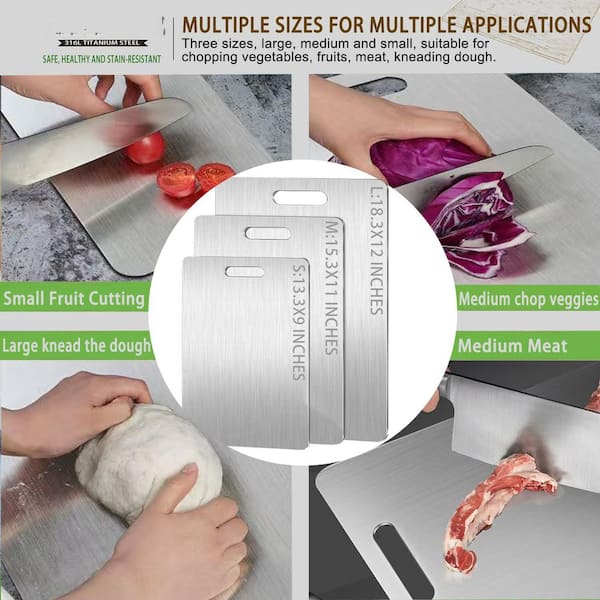
Credit: www.homedepot.com
Drying And Storing
Cleaning cutting boards after meat use is important to stop germs. Drying and storing the boards properly keeps them safe for next use.
Wet cutting boards can grow bacteria fast. Store boards in a dry place to keep them clean and fresh.
Proper Air Drying Methods
After washing, dry cutting boards with a clean towel first. Then, let them air dry completely before storing.
Place boards upright or on their side. This helps air flow on all sides and stops moisture buildup.
- Use a dish rack to keep boards upright
- Avoid stacking boards while wet
- Dry both sides of the board
- Keep boards in a well-ventilated area
Safe Storage Practices
Store cutting boards in a clean, dry cabinet or shelf. Keep them away from raw meat and other foods to avoid cross-contamination.
Separate boards by type if possible. Use different boards for meat and vegetables to stay safe.
- Store boards vertically to prevent moisture
- Keep boards separate from knives and utensils
- Use labeled storage spots for different boards
- Check boards regularly for cracks or damage
Maintenance Tips For Longevity
Cleaning cutting boards after using them with meat is very important. Proper care helps keep boards safe and lasting longer.
Good maintenance stops bacteria buildup and prevents damage. This guide shares key tips for long-lasting cutting boards.
Regular Oiling For Wood Boards
Wood boards need oil to stay strong and dry. Oiling stops cracks and warping caused by water.
Use food-safe mineral oil and apply it once a month. Let the oil soak in for hours before using the board again.
- Clean board with hot soapy water first
- Dry board completely before oiling
- Apply oil evenly using a soft cloth
- Let oil soak for 4 hours or overnight
- Wipe off extra oil before use
Replacing Boards When Needed
Cutting boards wear out over time. Deep cuts and stains can hide germs and cause cross-contamination.
Replace boards that have many deep grooves or cracks. Using old boards can risk food safety and damage knives.
- Check boards regularly for deep cuts
- Replace boards with cracks or warping
- Use separate boards for meat and vegetables
- Buy new boards to keep food safe
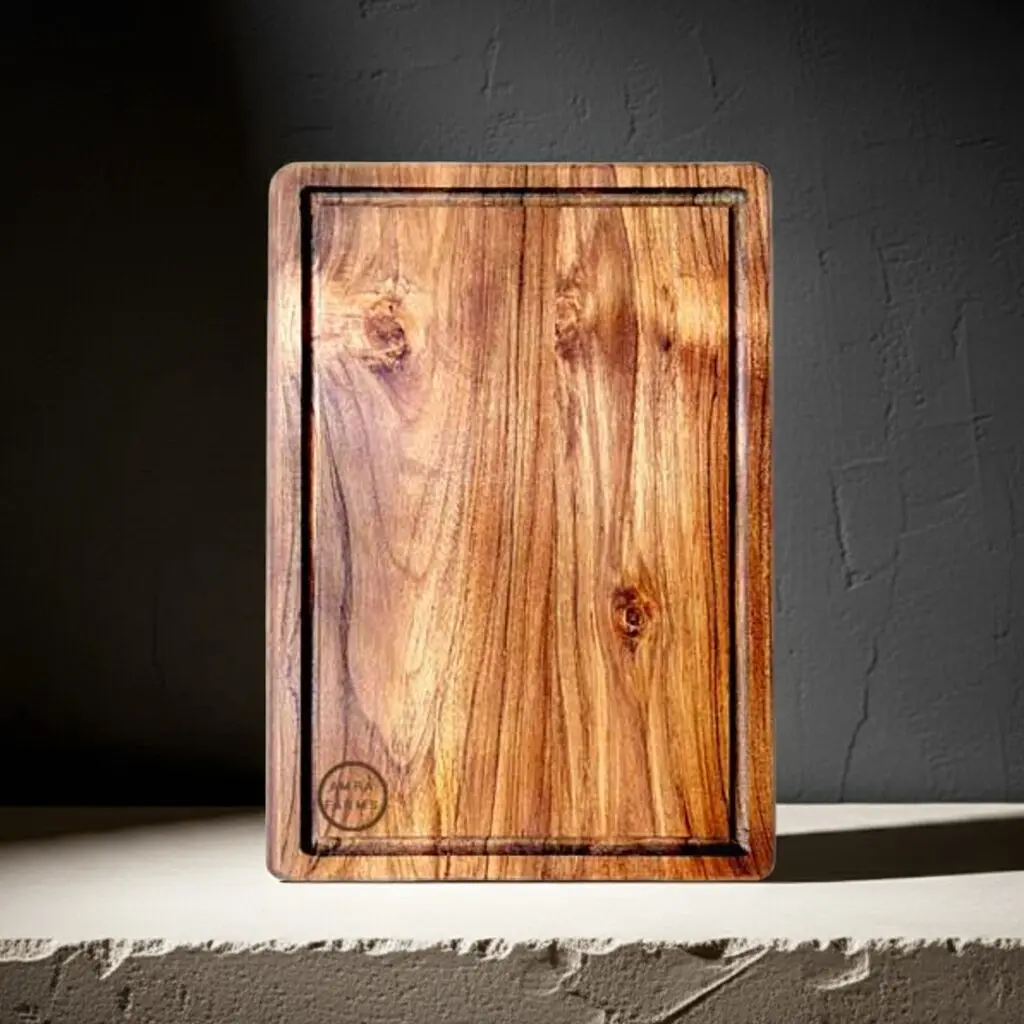
Credit: choppingboards.in
Avoiding Cross-contamination
Cleaning cutting boards after meat use is very important to stop germs from spreading. Cross-contamination can make food unsafe to eat.
Proper cleaning and using the right tools help keep your kitchen safe and healthy for everyone.
Using Separate Boards For Meat And Produce
Use one cutting board for raw meat and another for fruits and vegetables. This stops bacteria from raw meat getting on fresh food.
Separate boards reduce the risk of food poisoning and keep your meals safe.
- Raw meat board: use only for meat, poultry, and fish
- Produce board: use only for fruits and vegetables
- Clean each board well after use
Color-coding Systems
Color-coding cutting boards makes it easy to know which board is for what food. This helps avoid mixing raw meat with other foods.
Colors should stay the same in your kitchen so everyone knows the rules and follows them.
- Red board: for raw meat
- Green board: for fruits and vegetables
- Yellow board: for cooked meat
- Blue board: for fish and seafood
Credit: www.belarehome.com
Frequently Asked Questions
How Do You Sanitize A Cutting Board After Meat Use?
To sanitize, wash the board with hot, soapy water first. Then, apply a solution of 1 tablespoon bleach per gallon of water. Let it sit for a few minutes and rinse thoroughly with clean water. Air dry completely.
What Is The Best Cleaning Method For Wooden Cutting Boards?
For wooden boards, scrub with hot, soapy water after use. Avoid soaking to prevent warping. Disinfect with white vinegar or diluted bleach. Rinse well and dry upright to ensure no moisture remains.
Can I Use The Dishwasher To Clean Cutting Boards?
Dishwashers can damage wooden boards by causing cracks and warping. Plastic boards are generally dishwasher safe, but check manufacturer guidelines. Hand washing is safest for all cutting boards after meat use.
How Often Should Cutting Boards Be Replaced After Meat Use?
Replace cutting boards if deep grooves or cracks appear. These can harbor harmful bacteria. Regularly inspect your boards and replace every 1-2 years or when damage is visible.
Conclusion
Cleaning cutting boards after meat use keeps your kitchen safe. Always wash boards with hot, soapy water right after cutting meat. Use a brush to scrub deeply and remove germs. Rinse well and dry completely to stop bacteria growth. For extra safety, wipe boards with vinegar or a mild bleach solution.
Regular cleaning helps avoid cross-contamination and food poisoning risks. Clean boards mean healthier meals and peace of mind. Simple steps make a big difference in kitchen hygiene. Keep your cutting boards clean and your family safe.