
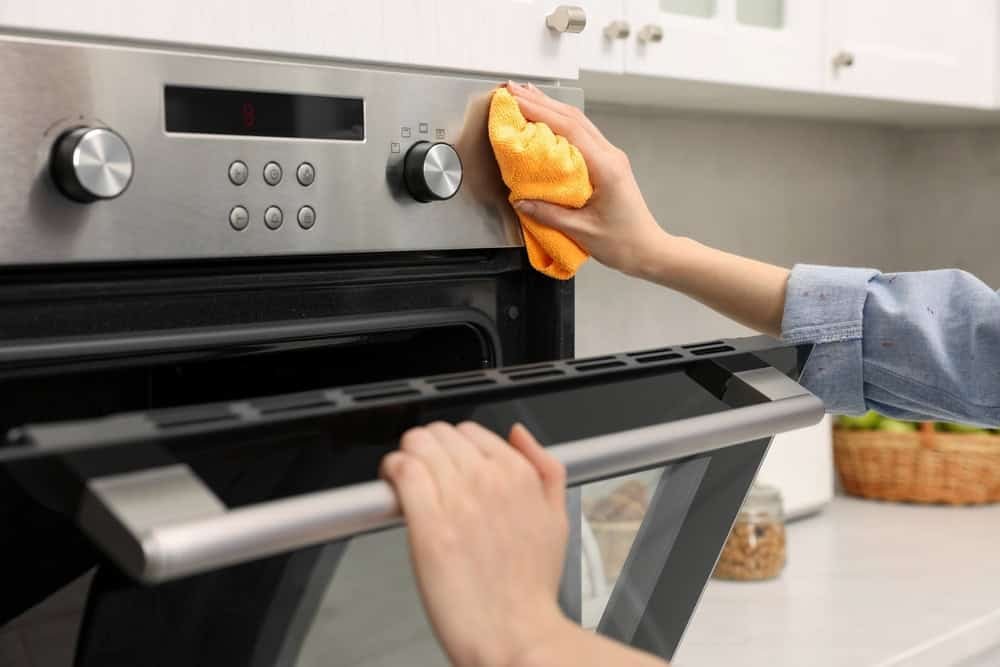
Your kitchen appliances work hard every day to make your meals delicious and your life easier. But have you ever stopped to think about how clean they really are?
Keeping your appliances spotless isn’t just about appearances—it directly affects your health and the taste of your food. Imagine avoiding stubborn stains, lingering odors, and even harmful bacteria with a few simple steps. You’ll discover easy and effective tips to maintain hygiene in your kitchen appliances, ensuring they stay safe, fresh, and long-lasting.
Ready to transform your kitchen routine and protect your family’s well-being? Let’s dive in!

Credit: www.amazon.ae
Cleaning Frequency For Appliances
Keeping kitchen appliances clean is important for hygiene. Regular cleaning prevents germs and keeps appliances working well.
Different appliances need cleaning at different times. This guide helps you know when to clean each type.
Daily Wipe Downs
Daily wipe downs remove spills and crumbs. They prevent bacteria from growing on surfaces.
- Wipe the stove after cooking
- Clean the microwave inside and out
- Sanitize kitchen counters
Weekly Deep Cleans
Weekly deep cleans keep appliances in top condition. They involve more thorough cleaning than daily tasks.
- Defrost and clean the freezer
- Run a vinegar cycle in the dishwasher
- Scrub the inside of the oven
Monthly Maintenance Tasks
Monthly maintenance tasks extend the life of appliances. They also ensure everything runs efficiently.
- Check and clean refrigerator coils
- Inspect and clean washing machine filters
- Clean the range hood filter

Credit: www.sparklymaidmiami.com
Safe Cleaning Products
Keeping kitchen appliances clean is important for health. Using safe cleaning products protects your family and appliances.
Choose products that do not harm surfaces or leave harmful residues. This helps keep your kitchen safe and fresh.
Non-toxic Solutions
Non-toxic cleaning products do not contain harmful chemicals. They are safer for your health and the environment.
Look for labels that say “non-toxic” or “safe for food contact.” These products clean well without risk.
- Use non-toxic sprays for microwave and refrigerator surfaces
- Choose gentle cleaners for coffee makers and blenders
- Avoid products with strong fumes or allergens
Avoiding Harsh Chemicals
Harsh chemicals can damage appliances and harm your skin or lungs. They may leave dangerous residues too.
Do not use bleach or ammonia on sensitive surfaces. These chemicals can cause rust or discoloration.
- Skip abrasive powders that scratch appliances
- Do not mix different chemical cleaners
- Wear gloves when using strong cleaning agents
Natural Alternatives
Natural products like vinegar and baking soda clean well without chemicals. They are safe and easy to find.
These alternatives remove stains and odors gently. They also help keep kitchen appliances fresh.
- Use a mix of vinegar and water to wipe surfaces
- Sprinkle baking soda to clean tough spots
- Lemon juice works well to remove grease and smells
Appliance-specific Tips
Keeping kitchen appliances clean helps stop germs and keeps food safe. Each appliance needs special care.
Follow simple tips to clean and maintain your appliances well. This saves money and keeps your kitchen healthy.
Refrigerators
Clean your refrigerator regularly to avoid bad smells and bacteria. Remove old food and wipe shelves with soap.
Check door seals for cracks. A good seal keeps cold air inside and saves energy.
- Clean shelves and drawers with warm soapy water
- Use baking soda to remove odors
- Check and clean door seals monthly
- Keep temperature between 35°F and 38°F (1.7°C – 3.3°C)
Microwaves
Microwaves can get food splatters inside. Clean spills right away to stop smells and germs.
Use a bowl of water with lemon juice or vinegar. Heat it for a few minutes to loosen grime.
- Wipe inside with a soft cloth after heating lemon water
- Clean the door and buttons regularly
- Remove and wash the turntable plate weekly
Ovens And Stoves
Ovens and stoves get greasy fast. Clean spills and crumbs after cooking to avoid buildup.
Use baking soda and water paste for tough stains. Avoid harsh chemicals that can damage surfaces.
- Wipe stove tops and knobs after each use
- Remove oven racks and soak them in warm soapy water
- Use a scraper carefully to remove burnt food
- Clean oven door glass with a mild cleaner
Coffee Makers
Coffee makers need regular cleaning to avoid old coffee oils and mold. Clean after every few uses.
Run a mixture of vinegar and water through the machine to remove buildup. Then run plain water to rinse.
- Wash removable parts with warm soapy water
- Use vinegar solution to descale every month
- Wipe the machine exterior with a damp cloth
Preventing Cross-contamination
Keeping kitchen appliances clean helps stop germs from spreading. Cross-contamination happens when harmful bacteria move from one food item to another.
Following simple steps can keep your kitchen safe and healthy for cooking.
Separate Cleaning Tools
Use different cleaning tools for each appliance. This stops germs from spreading between appliances.
For example, use one cloth for the microwave and another for the toaster.
- Label cleaning cloths by appliance
- Keep sponges separate and clean
- Use brushes with different colors
Proper Food Storage
Store raw and cooked foods separately in your kitchen appliances. This avoids juices from raw food touching ready-to-eat food.
Keep food in sealed containers and place raw meat at the bottom of the fridge.
- Use airtight containers for all foods
- Keep raw meats separate from vegetables
- Label food with dates to track freshness
Sanitizing Handles And Buttons
Clean handles and buttons on appliances often. These parts get touched a lot and can carry germs.
Use disinfectant wipes or sprays safe for kitchen use to keep these areas clean.
- Sanitize before and after cooking
- Focus on high-touch spots like buttons
- Use soft cloths to avoid damage
Maintaining Appliance Lifespan
Keeping your kitchen appliances clean helps them last longer. Dirt and grime can cause damage over time.
Regular care prevents breakdowns and saves money on repairs. Follow simple tips to protect your appliances.
Regular Inspections
Check your appliances often for signs of wear or damage. Early fixes keep them working well.
Look at cords, plugs, and buttons. Clean any dust or food crumbs that build up.
- Inspect power cords for frays or cracks
- Clean vents and filters regularly
- Check seals and gaskets for damage
- Ensure buttons and knobs work smoothly
Avoiding Moisture Damage
Moisture can cause rust and electrical problems. Keep appliances dry to avoid damage.
Wipe spills quickly and avoid using too much water when cleaning. Allow appliances to air dry fully.
- Dry appliances after cleaning or use
- Do not let water enter electrical parts
- Store appliances in dry places
- Use covers to protect from humidity
Proper Usage Guidelines
Use appliances as the manual says. Misuse can cause early wear or breakage.
Do not overload or force parts. Follow temperature and time limits for cooking or cleaning.
- Read and follow the instruction manual
- Do not overload machines
- Use correct settings for each task
- Turn off appliances when not in use
Credit: www.fooddocs.com
Expert Hacks For Tough Stains
Kitchen appliances often get dirty with grease, odors, and mold. Cleaning them well keeps your kitchen safe and fresh.
These expert hacks help remove tough stains and keep your appliances in top shape.
Removing Grease Build-up
Grease can stick to surfaces and cause stains. Use warm water and dish soap to start cleaning.
For heavy grease, try baking soda. It breaks down grease without damage.
- Mix baking soda with water to form a paste.
- Apply the paste on greasy spots.
- Let it sit for 15 minutes.
- Scrub gently with a soft brush or cloth.
- Rinse with warm water and dry.
Eliminating Odors
Appliances can hold bad smells from food and moisture. Clean them regularly to stop odors.
White vinegar is a natural deodorizer. It removes smells without harsh chemicals.
- Fill a spray bottle with equal parts water and white vinegar.
- Spray inside appliances like microwaves or refrigerators.
- Wipe with a clean cloth after 10 minutes.
- Leave the door open to air out completely.
Handling Mold And Mildew
Mold and mildew grow in damp places inside appliances. Clean them fast to stop damage.
Use a mixture of water and bleach to kill mold spores safely.
- Mix one tablespoon of bleach with one cup of water.
- Use gloves to protect your hands.
- Apply the solution on mold spots with a cloth.
- Let it sit for 5 minutes, then wipe clean.
- Dry the area well to prevent mold return.
Frequently Asked Questions
How Often Should I Clean Kitchen Appliances?
Clean kitchen appliances weekly to prevent bacteria buildup. Wipe surfaces and remove food debris regularly. Deep clean monthly for thorough hygiene.
What Are The Best Cleaning Agents For Appliances?
Use mild detergents or vinegar solutions for safe cleaning. Avoid harsh chemicals that damage surfaces. Always check manufacturer guidelines before cleaning.
How Can I Prevent Mold In Kitchen Appliances?
Keep appliances dry after use. Wipe spills immediately and leave doors open to air out. Regular cleaning stops mold growth effectively.
Is It Necessary To Unplug Appliances Before Cleaning?
Yes, always unplug appliances before cleaning. It ensures safety and prevents electrical hazards during the cleaning process.
Conclusion
Keeping kitchen appliances clean helps protect your health and food safety. Regular washing stops germs from spreading. Wiping spills right away makes cleaning easier later. Using mild soap and warm water works well. Small steps make a big difference over time.
Clean appliances last longer and work better. Simple habits keep your kitchen fresh and safe. Start today to enjoy a cleaner cooking space. Your efforts matter for a healthy home.