
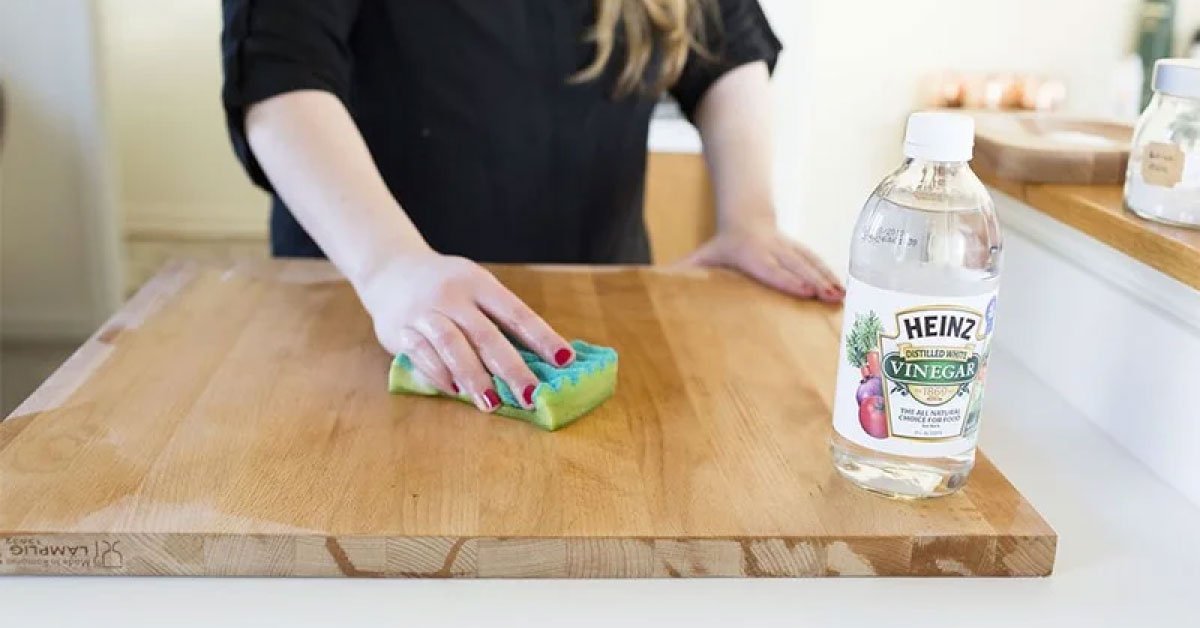
Mold on your cutting boards isn’t just unpleasant—it can be harmful to your health and ruin your kitchen tools. If you’ve ever spotted those pesky black or green spots, you know how frustrating they can be.
But here’s the good news: with a few simple habits, you can keep your cutting boards clean and mold-free. You’ll discover easy, practical tips that protect your boards and help you prepare food safely every time. Keep reading to learn how to make mold a thing of the past in your kitchen!
Choose The Right Material
Mold on cutting boards can be a real problem in the kitchen. Choosing the right material helps keep your boards clean and safe.
Different materials have unique features. It’s important to know what each type offers before making a choice.
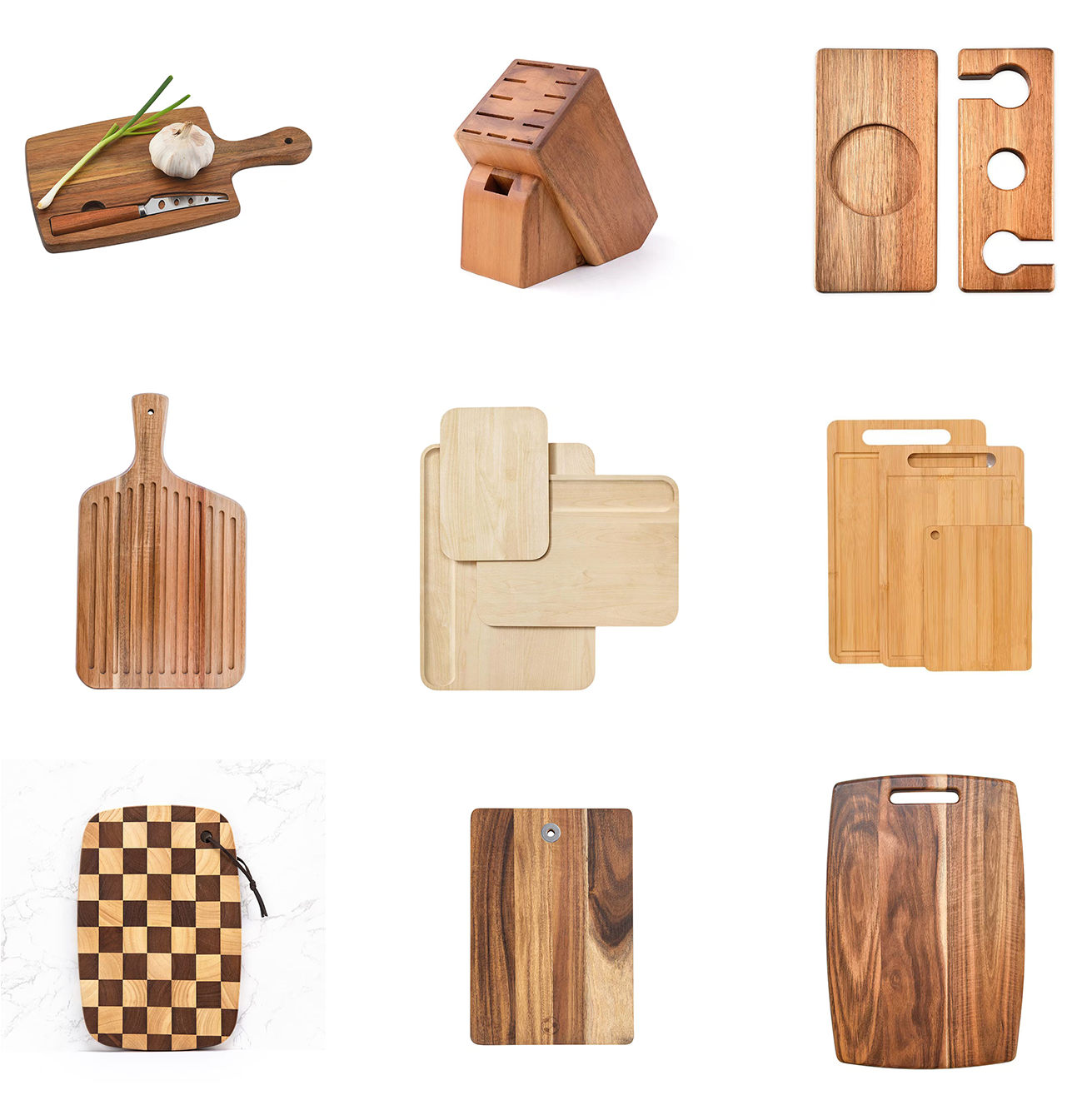
Wood Vs Plastic Boards
Wood boards are popular for their natural beauty. They are gentle on knives and can last a long time with care.
Plastic boards are easy to clean and often dishwasher safe. They are less prone to cracking, reducing mold risk.
- Wood is durable but needs regular oiling
- Plastic is low-maintenance and affordable
- Both types have pros and cons
Benefits Of Bamboo
Bamboo boards are eco-friendly and lightweight. They are less porous than other woods, which helps prevent mold.
Bamboo is also known for its strength. It provides a sturdy surface for chopping and slicing.
- Bamboo is sustainable and fast-growing
- It resists knife scars better than plastic
- Bamboo requires less maintenance than traditional wood
Credit: www.justwoodencuttingboard.com
Clean Boards Thoroughly
Cutting boards can grow mold if not cleaned well. Keeping them clean stops mold from growing.
Use good cleaning habits to keep your boards safe and fresh. Clean after every use.
Hot Water And Soap
Wash your cutting board with hot water and soap. This removes food and germs.
Scrub all surfaces well. Hot water helps kill mold spores and bacteria.
- Rinse board with hot water first
- Apply dish soap and scrub with a brush
- Rinse again with hot water
- Dry board completely before storing
Using Vinegar And Baking Soda
Vinegar and baking soda help clean boards naturally. They fight mold and odors.
Sprinkle baking soda on the board. Then spray or pour vinegar on top.
- Let the mixture fizz for a few minutes
- Scrub the board with a brush
- Rinse well with warm water
- Dry the board fully before use
Dry Boards Properly
Keeping cutting boards dry is important to stop mold growth. Wet boards hold moisture, which helps mold grow quickly.
Drying your cutting boards well after washing keeps them clean and safe to use for food preparation.
Air Drying Techniques
Air drying lets moisture evaporate from the board naturally. Place boards in open spaces with good airflow.
Stand boards upright or on their edges. This helps both sides dry evenly and stops water from pooling.
- Use a dish rack to hold boards upright
- Avoid stacking boards while drying
- Keep boards away from damp areas
Avoiding Moisture Traps
Moisture traps form when water collects in one spot on the board. This creates a perfect place for mold to grow.
Check your board for cracks or grooves that hold water. Clean and dry these areas well after use.
- Do not leave boards on wet surfaces
- Wipe boards dry after washing
- Store boards in dry, well-ventilated spots
Credit: www.justwoodencuttingboard.com
Store Boards Correctly
Proper storage helps keep cutting boards clean and mold-free. How you store them affects their lifespan.
Storing boards right stops moisture buildup. This stops mold from growing on the surface.
Upright Storage
Store cutting boards upright to let air flow around them. This helps them dry faster after washing.
Upright storage keeps boards from touching each other. This lowers the chance of mold spreading.
- Use a rack or stand to hold boards upright
- Keep boards spaced apart for good airflow
- Dry boards completely before storing upright
Avoiding Humid Areas
Store cutting boards in dry places away from humidity. Moist air helps mold grow fast.
Keep boards out of damp spots like near sinks or dishwashers. Choose well-ventilated cabinets or shelves.
- Pick a cool, dry storage area
- Keep boards away from steam and water sources
- Use a fan or dehumidifier if needed
Regular Maintenance Tips
Keeping cutting boards clean helps stop mold from growing. Regular care keeps boards safe and long-lasting.
Simple steps like oiling and sanding can protect your wooden boards. These actions keep moisture away and smooth the surface.
Oiling Wooden Boards
Oiling wooden boards stops water from soaking in. This reduces mold growth and keeps the wood strong.
Use food-safe mineral oil or beeswax. Apply oil after cleaning and drying the board fully.
- Pour a small amount of oil on the board
- Rub oil evenly using a clean cloth
- Let the oil soak for a few hours or overnight
- Wipe off any extra oil before use
Sanding Rough Surfaces
Rough surfaces trap food and moisture. Sanding smooths the board and removes spots where mold can grow.
Use fine-grit sandpaper to gently sand the board. Sand with the grain of the wood to avoid damage.
- Clean the board before sanding
- Sand the entire surface evenly
- Remove dust with a damp cloth
- Dry the board completely before oiling
Disinfecting Methods
Keeping cutting boards clean helps stop mold from growing. Disinfecting removes germs and mold spores.
Using natural and safe disinfectants is easy and effective. Here are some good options to try.
Using Hydrogen Peroxide
Hydrogen peroxide kills mold and bacteria well. It works without harsh chemicals.
Pour 3% hydrogen peroxide on the board. Let it sit for 5 to 10 minutes. Then rinse with water and dry.
- Use only 3% hydrogen peroxide for safety
- Apply enough to cover the board surface
- Let it sit to kill mold spores
- Rinse well to remove residue
- Dry the board completely before use
Applying Lemon Juice
Lemon juice is a natural disinfectant. Its acidity helps remove mold and odors.
Rub fresh lemon juice onto the cutting board. Leave it for 5 minutes, then rinse with warm water. Dry the board well.
- Use fresh lemons for best results
- Cover the entire board with juice
- Allow time for acid to work
- Rinse to clear mold and juice
- Dry board fully to prevent new mold

Credit: branchbasics.com
Frequently Asked Questions
How Can I Stop Mold Growth On Wooden Cutting Boards?
Keep your wooden cutting board dry and clean after use. Wash it with hot, soapy water, then dry thoroughly. Regularly oil the board to prevent cracks where mold can grow.
What Is The Best Way To Clean Moldy Cutting Boards?
Use a mixture of white vinegar and water to clean moldy boards. Scrub gently, rinse well, and dry completely in sunlight to kill mold spores effectively.
How Often Should I Sanitize My Cutting Board?
Sanitize your cutting board after each use, especially after cutting raw meat. Regular sanitizing prevents bacteria and mold buildup, ensuring food safety and board longevity.
Can Cutting Board Materials Affect Mold Growth?
Yes, plastic boards can harbor mold in scratches. Wooden boards resist mold better if maintained well with oil and proper cleaning. Choose materials wisely for easier maintenance.
Conclusion
Preventing mold on cutting boards keeps your kitchen safe and clean. Regular cleaning and drying stop mold from growing. Use vinegar or baking soda to remove stubborn spots. Store boards in a dry place with good air flow. Replace old, cracked boards to avoid hidden mold.
Small steps make a big difference in hygiene. Keep your cutting boards fresh and healthy for every meal. Simple care helps your kitchen stay mold-free and safe to use.