
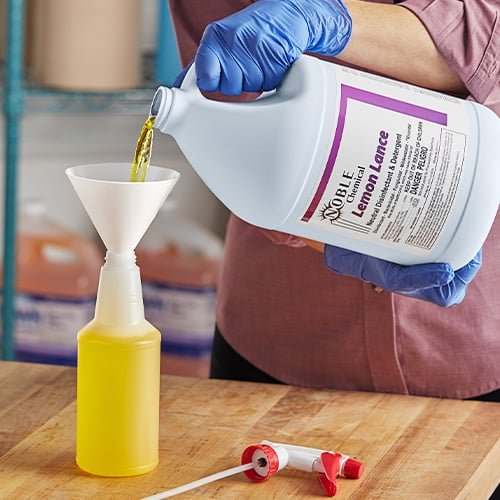
When you prepare meals, keeping everything clean isn’t just about looks—it’s about your health. Imagine serving a delicious dish, only to worry if it’s safe to eat.
That’s a feeling no one wants. You can avoid this easily by following simple hygiene steps during meal prep. You’ll discover practical tips that protect you and your loved ones from harmful bacteria. Ready to make your kitchen a safer place?
Let’s dive in and learn how small changes can make a big difference in your food safety.
Clean Hands And Surfaces
Maintaining hygiene during meal prep is crucial for health. Clean hands and surfaces prevent germs from spreading.
Start by ensuring your hands and kitchen areas are germ-free. This helps keep your food safe to eat.
Proper Handwashing Techniques
Washing hands properly is the first step in kitchen hygiene. Use soap and water to remove dirt and bacteria.
- Wet hands with clean water.
- Apply soap and lather well.
- Scrub hands for 20 seconds.
- Rinse thoroughly under running water.
- Dry with a clean towel.
Sanitizing Kitchen Counters
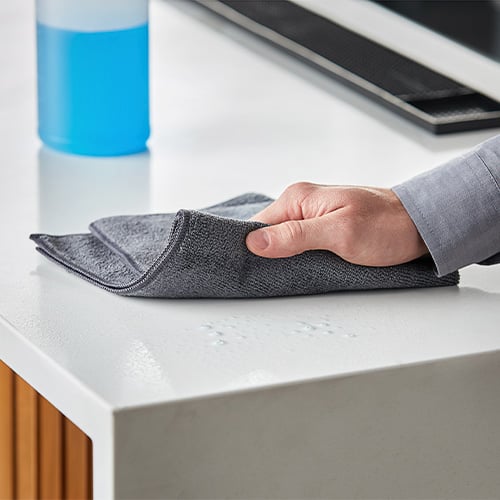
Kitchen counters must be sanitized to reduce bacteria. This keeps food preparation areas clean and safe.
Use a disinfectant spray or wipes after cooking. This ensures that all germs are removed.
Cleaning Utensils And Equipment
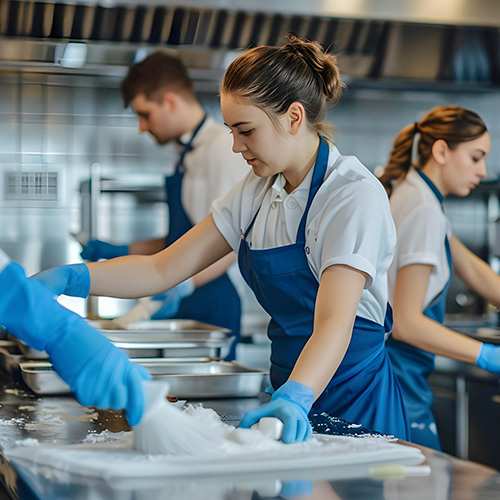
Utensils and equipment must be cleaned after each use. This prevents cross-contamination in your kitchen.
- Wash items with hot soapy water.
- Rinse well to remove soap.
- Dry with a clean towel or air dry.
Safe Food Handling
Keeping food safe during meal prep is very important. It helps stop germs from making food unsafe.
Good hygiene means handling food in a clean and careful way. This protects your health and the health of others.
Separating Raw And Cooked Foods
Raw foods can have bacteria that harm us. Cooked foods are safe if handled right. Keep raw and cooked foods apart.
Store raw meats below cooked foods in the fridge. This stops raw juices from dripping on cooked food.
- Use separate containers for raw and cooked foods
- Do not place cooked food on plates used for raw meat
- Keep raw and cooked foods in different fridge areas
Using Different Cutting Boards
Cutting boards can spread germs from raw food to other foods. Use different boards for raw meat and ready-to-eat foods.
Clean cutting boards with hot soapy water after each use. Replace boards that have deep cuts or cracks.
- Use one board for raw meat and fish
- Use another board for vegetables and fruits
- Wash boards carefully after use
Avoiding Cross-contamination
Cross-contamination happens when germs move from one food to another. This can make food unsafe to eat.
Use clean utensils for different foods. Wash hands often, especially after handling raw foods.
- Wash hands with soap before and after food prep
- Use clean knives and spoons for different foods
- Keep kitchen surfaces clean and dry
Proper Food Storage
Keeping food safe during meal prep is very important. Proper food storage helps stop germs and bacteria from growing.
Storing food correctly keeps meals fresh and healthy for eating later.
Correct Temperature Settings
Food must be stored at the right temperature to stay safe. Cold foods should be kept below 40°F (4°C).
Hot foods need to stay above 140°F (60°C) to stop bacteria from growing fast.
- Refrigerator temperature: 35-38°F (2-3°C)
- Freezer temperature: 0°F (-18°C) or below
- Keep hot foods warm until serving
Storing Leftovers Safely
Leftovers should be cooled quickly before storing. Put food in small containers to help it cool faster.
Use airtight containers to keep food fresh and stop spills. Store leftovers in the fridge within two hours after cooking.
- Divide large amounts into smaller portions
- Seal containers tightly
- Reheat leftovers to 165°F (74°C) before eating
Labeling And Dating Meals
Label food containers with the date they were cooked or stored. This helps you use food before it goes bad.
Write the meal name on the label to find it easily. Proper labeling reduces food waste and keeps your fridge organized.
- Use waterproof labels or masking tape
- Include date cooked and meal name
- Check labels before eating or reheating
Credit: www.webstaurantstore.com
Cooking And Reheating
Keeping food safe during cooking and reheating is important to avoid illness. Proper hygiene helps prevent bacteria growth.
This guide covers how to cook foods safely and reheat them properly to maintain hygiene.
Cooking To Safe Temperatures
Cooking food to the right temperature kills harmful germs. Different foods need different temperatures.
Use a food thermometer to check if food is done. This helps ensure safety and taste.
- Cook poultry to at least 165°F (74°C)
- Cook ground meats to 160°F (71°C)
- Cook fish to 145°F (63°C)
- Cook leftovers to 165°F (74°C)
Using Food Thermometers
Food thermometers help check if food reaches safe temperatures. They reduce guesswork.
Clean the thermometer before and after use. Insert it in the thickest part of the food.
- Use digital or dial thermometers
- Avoid touching bones or fat when measuring
- Wait a few seconds for a steady reading
- Clean with hot soapy water after each use
Reheating Foods Properly
Reheat food evenly to kill any bacteria that may have grown. Heat food until steaming hot.
Do not reheat food more than once. Store leftovers in small portions for faster heating.
- Heat leftovers to at least 165°F (74°C)
- Stir food during reheating for even heat
- Use microwave-safe covers to keep moisture
- Check temperature before serving
Personal Hygiene Tips
Keeping clean is very important when preparing food. Good personal hygiene helps stop germs from spreading.
Following simple hygiene habits protects you and others from getting sick.
Wearing Clean Clothing
Always wear clean clothes before starting meal prep. Dirty clothes can carry germs and dirt.
Change your clothes if they get dirty or sweaty while cooking.
- Use fresh aprons or kitchen uniforms
- Wash clothes regularly with hot water
- Avoid wearing outdoor clothes in the kitchen
Avoiding Touching Face
Do not touch your face while cooking. Your hands can carry germs from your face to the food.
If you touch your face, wash your hands before touching food again.
- Keep hands away from eyes, nose, and mouth
- Use a clean towel to wipe sweat instead of hands
- Wash hands often with soap and water
Managing Hair And Accessories
Keep hair tied back or covered to stop hair from falling into food. Loose hair can carry dirt and germs.
Remove jewelry like rings and bracelets before cooking. These items can trap bacteria and food particles.
- Wear a hairnet or cap if possible
- Tie long hair in a bun or ponytail
- Take off watches and rings before meal prep

Credit: www.wikihow.com
Choosing Safe Ingredients
Keeping ingredients safe is important during meal prep. It helps stop sickness and keeps food fresh.
Always pick safe ingredients to protect your health and enjoy tasty meals.
Checking Expiration Dates
Look at the expiration dates on all food packages. Expired food can cause illness.
Do not use products past their date. Fresh ingredients make meals safer and better.
- Check dates before buying
- Use older products first
- Throw away expired items
Washing Fruits And Vegetables
Wash all fruits and vegetables well before using. Dirt and germs can stick to them.
Use clean water and rub items gently. This cleans away harmful bacteria and chemicals.
- Rinse under cold running water
- Use a brush for firm produce
- Dry with a clean towel or air dry
Selecting Quality Products
Choose fresh, high-quality ingredients. Good products look and smell fresh.
Avoid items with bruises, mold, or bad odors. Freshness means better taste and safety.
- Pick firm fruits and vegetables
- Check meat for color and texture
- Buy dairy products stored at correct temperatures
Credit: www.webstaurantstore.com
Frequently Asked Questions
How Can I Keep My Hands Clean During Meal Prep?
Wash your hands thoroughly with soap and warm water for at least 20 seconds. Dry them with a clean towel. Use hand sanitizer if soap isn’t available. Clean hands prevent the spread of harmful bacteria during cooking.
What Is The Best Way To Sanitize Kitchen Surfaces?
Use a mixture of water and disinfectant or a bleach solution to wipe surfaces. Clean before and after meal prep. This kills germs and prevents cross-contamination. Always follow product instructions for safe use.
How Should I Store Food To Maintain Hygiene?
Store raw and cooked foods separately in airtight containers. Keep perishables refrigerated below 40°F (4°C). Proper storage slows bacterial growth and keeps food safe to eat. Label containers with dates for freshness.
Why Is Using Separate Cutting Boards Important?
Separate boards prevent cross-contamination between raw meats and other foods. Use color-coded boards for meats, vegetables, and fruits. This simple step reduces the risk of foodborne illness during meal prep.
Conclusion
Keeping your hands and surfaces clean matters most during meal prep. Wash fruits, vegetables, and utensils well before use. Separate raw and cooked foods to avoid germs spreading. Use fresh towels and clean cutting boards often. Staying careful helps keep your food safe and tasty.
Small steps make a big difference for health. Always take time to clean up as you cook. Safe habits protect you and your family every day.