
Are you tired of your fresh vegetables wilting or spoiling too quickly in the fridge? You’re not alone.
Storing vegetables the right way can make a huge difference in keeping them crisp, tasty, and nutritious for longer. Imagine opening your fridge to find your greens still vibrant and full of life days after you bought them. You’ll discover simple, effective tips to store your vegetables safely and extend their freshness.
Keep reading, and you’ll never waste food or money on spoiled veggies again!
Choose The Right Temperature
Storing vegetables safely is important for freshness. The right fridge temperature helps keep them crisp and tasty.
Learn how to set your fridge to the best temperature. This will help you avoid spoilage and freezing damage.
Optimal Fridge Settings
The fridge should be set between 35°F and 40°F. This range keeps vegetables fresh and safe to eat.
A thermometer can help you check the temperature. Adjust the fridge dial if needed.
- 35°F to 40°F is ideal for most vegetables
- Use a fridge thermometer for accuracy
- Adjust settings if temperature fluctuates
Avoiding Freezing Damage
Freezing can harm vegetables. They become mushy and lose nutrients.
Avoid placing vegetables near the back of the fridge. This area is usually colder and can cause freezing.
- Keep vegetables away from the fridge’s back wall
- Store leafy greens in the crisper drawer
- Avoid overcrowding to ensure proper air flow
Sort Vegetables By Type
Storing vegetables properly keeps them fresh longer. Sorting vegetables by type helps you store them the right way.
Different vegetables need different storage conditions. Grouping them makes fridge organization easier.
Leafy Greens
Leafy greens like lettuce, spinach, and kale spoil fast. They need cool and moist conditions to stay fresh.
Wrap leafy greens in a damp paper towel. Place them in a perforated plastic bag or container with airflow.
- Keep away from ethylene-producing fruits
- Store in the crisper drawer if possible
- Use within a few days for best taste
Root Vegetables
Root vegetables include carrots, potatoes, and beets. They last longer in cooler, darker spots.
Store root vegetables in a breathable bag or basket. Avoid washing them before storing to prevent mold.
- Keep potatoes away from onions
- Store carrots in a container with some moisture
- Check regularly for soft spots or sprouting
Fruiting Vegetables
Fruiting vegetables are tomatoes, peppers, and cucumbers. They like cool but not too cold temperatures.
Keep these vegetables in the fridge’s main compartment. Use breathable bags to avoid moisture buildup.
- Do not store tomatoes in the coldest part
- Peppers should be dry before storing
- Use cucumbers quickly for best flavor
Use Proper Storage Containers
Keeping vegetables fresh in the fridge is easier with the right containers. Proper storage stops vegetables from spoiling fast.
Using containers made for vegetables helps keep moisture in or out. It also protects vegetables from fridge odors.
Airtight Vs. Ventilated
Airtight containers seal completely to keep air out. They stop vegetables from drying out. These work well for leafy greens and herbs.
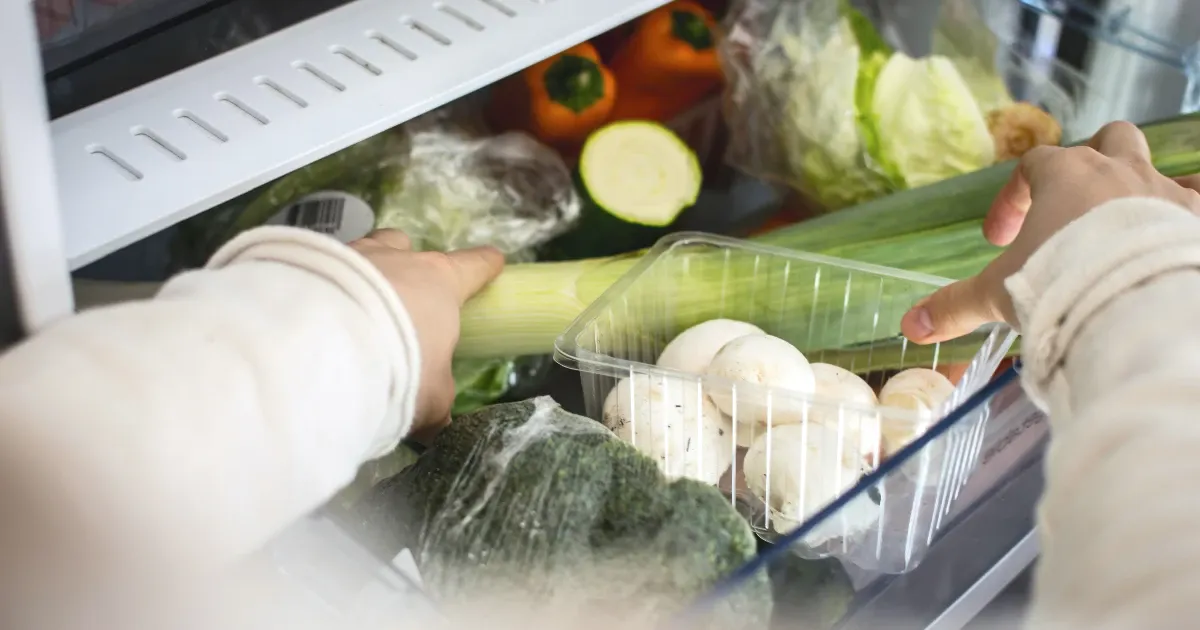
Ventilated containers have small holes to allow air flow. This helps prevent moisture buildup. Use them for vegetables that need breathing space like mushrooms and peppers.
- Airtight containers keep moisture and smell in
- Ventilated containers stop mold by letting air flow
- Choose container type based on vegetable needs
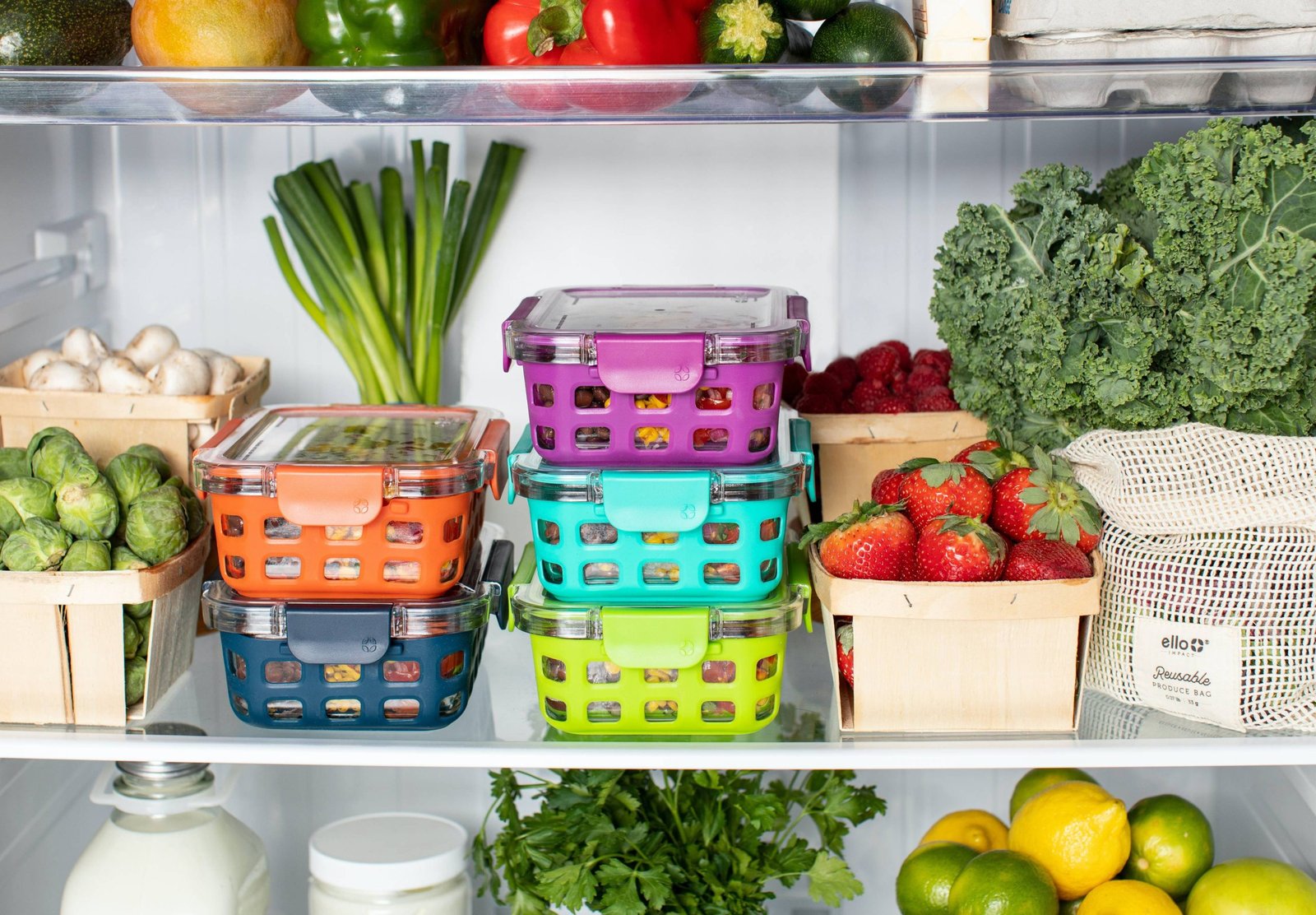
Reusable Storage Options
Reusable containers save money and reduce waste. They come in plastic, glass, and silicone. Each type has benefits.
Plastic containers are light and affordable. Glass containers do not absorb smells and last longer. Silicone bags are flexible and easy to clean.
- Plastic: lightweight and budget-friendly
- Glass: sturdy and odor-resistant
- Silicone: flexible and easy to store
Credit: www.clubhouse.ca
Keep Vegetables Dry
Storing vegetables in the fridge can keep them fresh longer. Keeping them dry helps prevent rotting and mold.
Moisture causes vegetables to spoil faster. Learn how to dry them well before storage.
Drying Techniques
Dry vegetables gently after washing. Use a clean cloth or paper towel to remove water.
Air drying works well for leafy greens. Spread them on a rack or clean towel to dry.
- Pat vegetables dry with a soft towel
- Use a salad spinner for leafy greens
- Allow air drying on a clean surface
Preventing Moisture Buildup
Store vegetables in containers that allow air flow. Avoid sealing them in airtight bags when wet.
Place paper towels inside storage bags or containers. They absorb extra moisture and keep vegetables dry.
- Use perforated plastic bags or vented containers
- Line containers with dry paper towels
- Check and replace paper towels if damp
Separate Ethylene Producers
Storing vegetables safely in the fridge helps keep them fresh longer. Some vegetables produce ethylene gas, which affects others nearby.
Separating ethylene-producing vegetables from sensitive ones stops early spoilage. This simple step improves storage life.
Identifying Ethylene Emitters
Ethylene is a natural gas made by some fruits and vegetables. It speeds up ripening and aging.
Common ethylene producers include:
- Tomatoes
- Avocados
- Bananas
- Peppers
- Apples
- Melons
Impact On Storage Life
Ethylene gas causes some vegetables to spoil faster. Sensitive vegetables near ethylene emitters will turn soft or rot quickly.
Vegetables harmed by ethylene include:
- Leafy greens like lettuce and spinach
- Broccoli
- Carrots
- Cucumbers
- Green beans
Keep ethylene producers and sensitive vegetables apart. This helps keep your veggies fresh and tasty longer.
Clean And Prepare Before Storing
Storing vegetables properly keeps them fresh and tasty. Cleaning and preparing them is important before putting them in the fridge.
Good preparation helps stop bacteria and slows spoilage. Follow simple steps to get your vegetables ready.
Washing Guidelines
Wash vegetables under cold running water before storing. This removes dirt and germs.
Do not soak vegetables too long. It can make them soggy and spoil faster.
- Use a clean colander or bowl to rinse vegetables.
- Gently rub the surface to remove soil.
- For leafy greens, wash leaves one by one.
- Dry vegetables well with a clean towel or paper towel.
Trimming And Peeling Tips
Remove damaged or bruised parts before storing. These can cause other parts to spoil quickly.
Peel vegetables only if needed. Some keep longer with the skin on.
- Cut off stems and leaves that wilt easily.
- Peel root vegetables like carrots and potatoes if dirty.
- Keep skin on firm vegetables like cucumbers and bell peppers.
- Store trimmed vegetables in breathable containers or bags.
Use Crisper Drawers Effectively
Storing vegetables in the fridge can keep them fresh longer. Using crisper drawers helps control moisture and temperature.
Knowing how to use crisper drawers properly protects your vegetables from spoiling fast.
Humidity Settings
Crisper drawers often have humidity controls. These settings help keep vegetables fresh by controlling moisture levels.
High humidity is good for leafy greens. It stops them from drying out. Low humidity suits vegetables like peppers and carrots. It prevents mold growth.
- Use high humidity for lettuce, spinach, and broccoli
- Use low humidity for onions, peppers, and cucumbers
- Adjust drawer settings based on your vegetables
Organizing Inside Drawers
Keep vegetables separated inside the drawers. This stops them from touching and spoiling each other.
Use small containers or dividers if needed. Group vegetables by type and moisture needs. Avoid overfilling the drawers to allow air flow.
- Place leafy greens in one section
- Keep root vegetables like carrots separate
- Avoid mixing ethylene-producing veggies like tomatoes with sensitive ones
- Do not pack drawers too tightly

Credit: www.chyka.com
Regularly Check And Rotate Stock
Keeping your vegetables fresh in the fridge needs regular checks. You should look at your stock often. This helps you use vegetables before they go bad.
Rotating your vegetables means moving older ones to the front. This way, you use them first. It prevents waste and keeps your fridge tidy.
Spotting Spoilage Early
Check vegetables for signs of spoilage every few days. Look for soft spots, bad smells, or mold. These signs mean the vegetable is going bad.
Removing spoiled vegetables quickly stops them from affecting others. This keeps your fridge fresh and your vegetables safe to eat.
- Look for dark or soft spots
- Smell for sour or rotten odors
- Check for any mold growth
- Remove spoiled items immediately
First In, First Out Method
Use the first in, first out method to manage your vegetables. Place new vegetables behind older ones. This helps you use the oldest vegetables first.
This method reduces waste and keeps your vegetables fresh longer. It also helps you keep track of what to use next.
- Put new vegetables at the back
- Use older vegetables before new ones
- Label vegetables with the date if possible
- Check stock weekly and rotate as needed
Avoid Overcrowding The Fridge
Storing vegetables safely in your fridge helps them stay fresh longer. Overcrowding the fridge can cause problems.
When the fridge is too full, cold air cannot move well. This affects vegetable quality and safety.
Airflow Importance
Good airflow inside the fridge keeps vegetables cool evenly. It stops moisture build-up that causes rot.
Blocked air vents or packed shelves reduce air movement. This makes some vegetables spoil faster.
- Keep space around air vents clear
- Do not stack vegetables tightly
- Use baskets or bins with holes for airflow
Space Management Tips
Organize your fridge to avoid crowding. Store vegetables in separate drawers or containers.
Remove old or spoiled items to free up space. Only keep what you will use soon.
- Use clear containers to see vegetables easily
- Label containers with dates to track freshness
- Group similar vegetables together
- Do not overfill drawers or shelves

Credit: www.bbcgoodfood.com
Frequently Asked Questions
How Do I Prepare Vegetables Before Storing In Fridge?
Wash vegetables thoroughly and dry them completely. Remove damaged parts and trim leaves. This prevents spoilage and keeps veggies fresh longer in the fridge.
Which Vegetables Should Be Stored In The Fridge?
Leafy greens, broccoli, carrots, and bell peppers store well in the fridge. Avoid storing potatoes and onions inside the fridge as they lose flavor and texture.
How To Organize Vegetables For Safe Storage In Fridge?
Use separate drawers or containers to avoid cross-contamination. Keep ethylene-sensitive veggies away from ethylene-producing ones to prevent premature spoilage.
What Is The Ideal Fridge Temperature For Storing Vegetables?
Set your fridge between 32°F to 40°F (0°C to 4°C). This range keeps vegetables fresh and slows bacterial growth effectively.
Conclusion
Storing vegetables properly keeps them fresh and tasty longer. Use clean containers or bags to avoid moisture. Keep different veggies separate to stop bad smells and rotting. Check the fridge temperature often to stay cool enough. Remember to wash vegetables just before eating, not before storing.
Small steps make a big difference in food safety. Enjoy fresh veggies every day with simple fridge habits. Your kitchen stays cleaner, and food waste goes down. Safe storage protects your health and saves money too.