
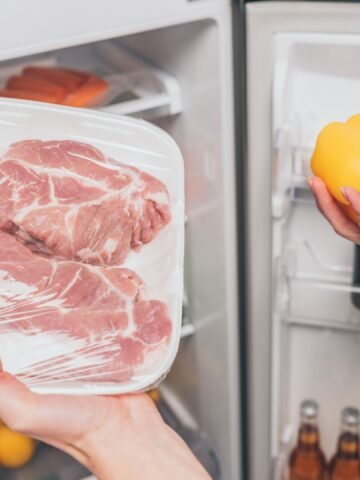
Storing raw meat safely in your fridge is more important than you might think. If not handled properly, it can lead to harmful bacteria and spoil your food quickly.
You want to keep your family healthy and your meals fresh, right? You’ll discover simple, effective tips to store raw meat the right way. By following these easy steps, you can avoid contamination, reduce waste, and enjoy peace of mind every time you open your fridge.
Keep reading to learn how to protect your food and your loved ones with smart storage habits.
Choosing The Right Packaging
Storing raw meat in the fridge requires careful packaging. Proper packaging keeps the meat fresh and safe.
Using the right materials prevents contamination. It also reduces the risk of spoilage.
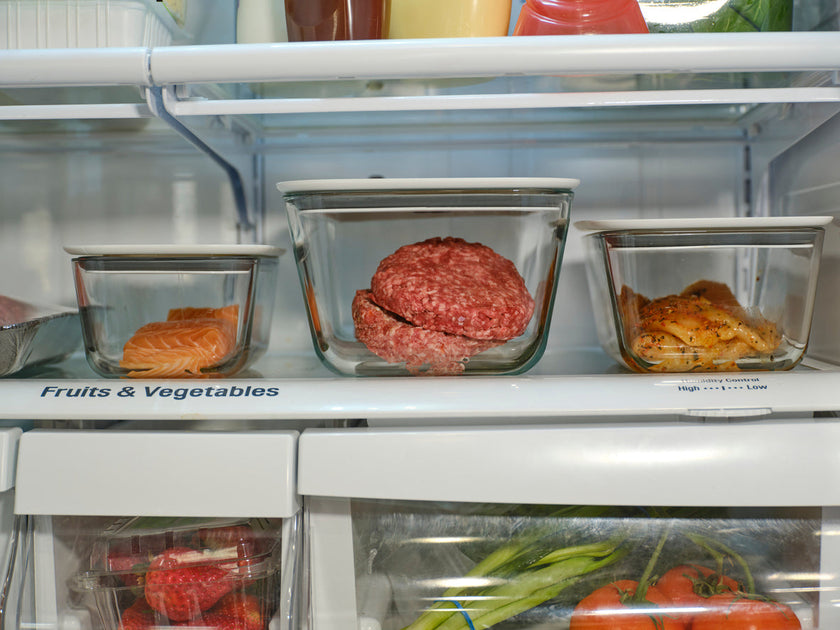
Use Airtight Containers
Airtight containers are great for storing raw meat. They keep out air and moisture.
These containers prevent bacteria from spreading. Choose containers that fit well in your fridge.
- Glass containers with tight lids
- BPA-free plastic containers
- Reusable silicone bags
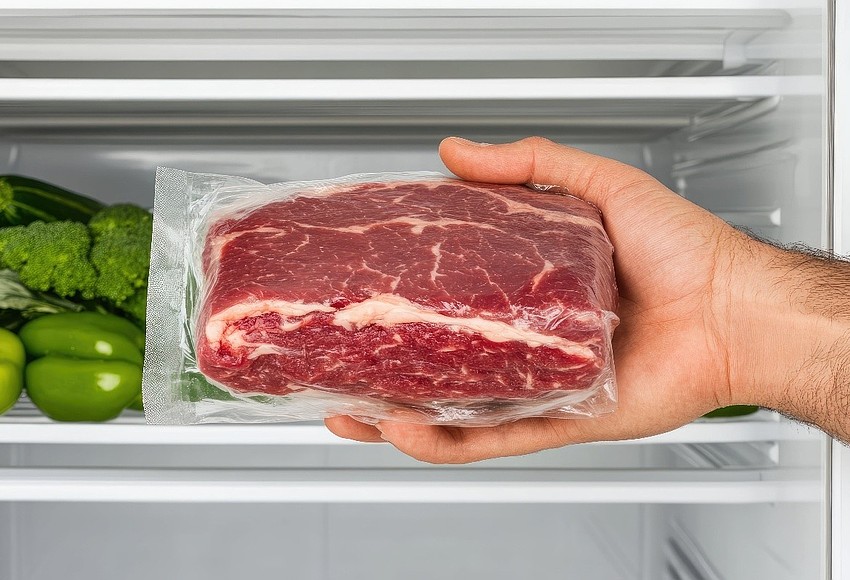
Wrap With Plastic Or Foil
Wrapping meat tightly helps preserve it. Use plastic wrap or aluminum foil for this task.
Make sure there are no gaps in the wrap. This keeps the meat from drying out.
- Plastic wrap for short-term storage
- Foil for longer periods
- Double wrap for extra protection
Label And Date Packages
Labeling packages helps you keep track of storage times. Write the date on each package.
Use a permanent marker that is easy to read. This helps you use the oldest meat first.
- Include the type of meat
- Write the packaging date
- Use clear labels
Credit: northpennnow.com
Optimal Fridge Temperature
Keeping raw meat safe in your fridge depends on the right temperature. Cold temperatures stop bacteria from growing.
Setting the fridge temperature correctly helps keep meat fresh and safe to eat.
Set Temperature Below 40°f
Keep your fridge temperature below 40°F to slow bacteria growth on raw meat. This temperature keeps meat safe for longer.
If the fridge is warmer, bacteria can multiply quickly and cause food poisoning.
- Set your fridge thermostat between 34°F and 40°F
- Check temperature often during hot weather
- Do not overload the fridge to allow cold air circulation
Use A Thermometer For Accuracy
Use a fridge thermometer to check the exact temperature. Fridge dials are not always accurate.
Place the thermometer where you store raw meat for the best reading.
- Check the thermometer daily
- Adjust the fridge settings if the temperature rises above 40°F
- Replace batteries in digital thermometers regularly
Proper Placement In Fridge
Storing raw meat safely in the fridge helps keep it fresh and prevent germs. Proper placement reduces the risk of cross-contamination.
Knowing where to put raw meat in your fridge keeps your food safe to eat. It also helps stop juices from dripping on other foods.
Store Meat On Lowest Shelf
Always place raw meat on the lowest shelf in your fridge. This keeps meat juices from dripping onto other foods below.
The bottom shelf is the coldest part of the fridge. It helps keep meat fresh and slows down bacteria growth.
Separate From Ready-to-eat Foods
Keep raw meat away from ready-to-eat foods like salads or bread. This stops germs from spreading and keeps food safe.
Use separate containers or sealed bags for raw meat. This extra step helps protect other foods in your fridge.
Avoid Cross-contamination
Storing raw meat safely in the fridge helps stop bacteria from spreading. Cross-contamination happens when germs move from raw meat to other foods.
Keeping raw meat separate and clean lowers the risk of food poisoning. Follow these tips to keep your fridge safe.
Use Separate Cutting Boards
Use different cutting boards for raw meat and other foods like vegetables. This prevents germs from raw meat spreading to ready-to-eat items.
Choose cutting boards with different colors or labels to avoid confusion. Clean them well after each use.
- Use a red board for raw meat only
- Use a green board for fruits and vegetables
- Wash boards with hot, soapy water after use
Clean Surfaces And Utensils
Clean all kitchen surfaces and utensils after handling raw meat. This stops germs from spreading to other foods or your hands.
Use hot water and soap to wash knives, countertops, and sinks. Sanitize surfaces regularly to keep your kitchen safe.
- Wash knives and utensils right after use
- Use separate cloths for cleaning raw meat areas
- Sanitize cutting boards and counters often
Storage Duration Limits
Storing raw meat safely in your fridge is important to avoid foodborne illness. Knowing how long meat lasts can help keep your family safe.
Different types of raw meat have different storage limits. Keep meat cold and use it before it spoils.
Fresh Meat Shelf Life
Fresh meat lasts only a few days in the fridge. Use it quickly for the best quality and safety.
- Beef and pork: 3 to 5 days
- Ground meat: 1 to 2 days
- Poultry: 1 to 2 days
- Lamb: 3 to 5 days
Store meat in its original packaging or a sealed container. Keep it on the bottom shelf to prevent drips.
When To Freeze Instead
Freeze meat if you cannot use it within the fridge limits. Freezing stops bacteria growth and keeps meat safe longer.
- Freeze beef and pork if not used in 3 days
- Freeze ground meat after 1 day
- Freeze poultry after 1 day
- Freeze lamb if not used in 3 days
Wrap meat tightly in freezer bags or foil. Label packages with the date to track storage time.
Credit: grassrootscoop.com
Thawing And Handling Safely
Storing raw meat safely in the fridge is important to keep it fresh and safe to eat. Proper thawing and handling reduce the risk of harmful bacteria.
Always follow safe steps when thawing and handling meat. This helps avoid food poisoning and keeps your family healthy.
Thaw In Refrigerator
Thaw raw meat in the refrigerator to keep it at a safe temperature. This method slows bacteria growth and keeps the meat fresh.
Place the meat on a plate or tray to catch any drips. Keep it on the bottom shelf to avoid contaminating other foods.
- Keep fridge temperature at or below 40°F (4°C)
- Allow enough time; large cuts may take 24 hours or more
- Use thawed meat within 1-2 days for best quality
Avoid Room Temperature Thawing
Do not thaw raw meat on the counter or at room temperature. This lets bacteria grow quickly on the surface.
Thawing at room temperature can cause foodborne illness. Always use safe methods like the refrigerator or cold water thawing.
- Never leave raw meat out for more than 2 hours
- Do not rinse raw meat under running water
- Use sealed packaging if using cold water thawing

Credit: aaes.uada.edu
Frequently Asked Questions
How Long Can Raw Meat Stay In The Fridge?
Raw meat can stay in the fridge for 1-2 days. Keep it at or below 40°F (4°C). Use or freeze it before this time for safety and freshness.
What Is The Best Temperature To Store Raw Meat?
Store raw meat at 40°F (4°C) or below. This temperature slows bacterial growth. Always check your fridge’s settings regularly.
Should Raw Meat Be Wrapped Before Refrigeration?
Yes, wrap raw meat tightly in plastic wrap or airtight containers. This prevents contamination and keeps juices from leaking onto other foods.
Where In The Fridge Should Raw Meat Be Stored?
Place raw meat on the lowest shelf. This prevents juices from dripping onto other foods and reduces cross-contamination risks.
Conclusion
Storing raw meat safely keeps your family healthy and avoids waste. Always use clean containers and place meat on the bottom shelf. Keep the fridge temperature below 40°F (4°C) to stop bacteria growth. Separate raw meat from other foods to prevent cross-contamination.
Check expiry dates and use or freeze meat quickly. These small steps protect your food and save money. Safe storage is simple but very important. Follow these tips to enjoy fresh, safe meals every time.