
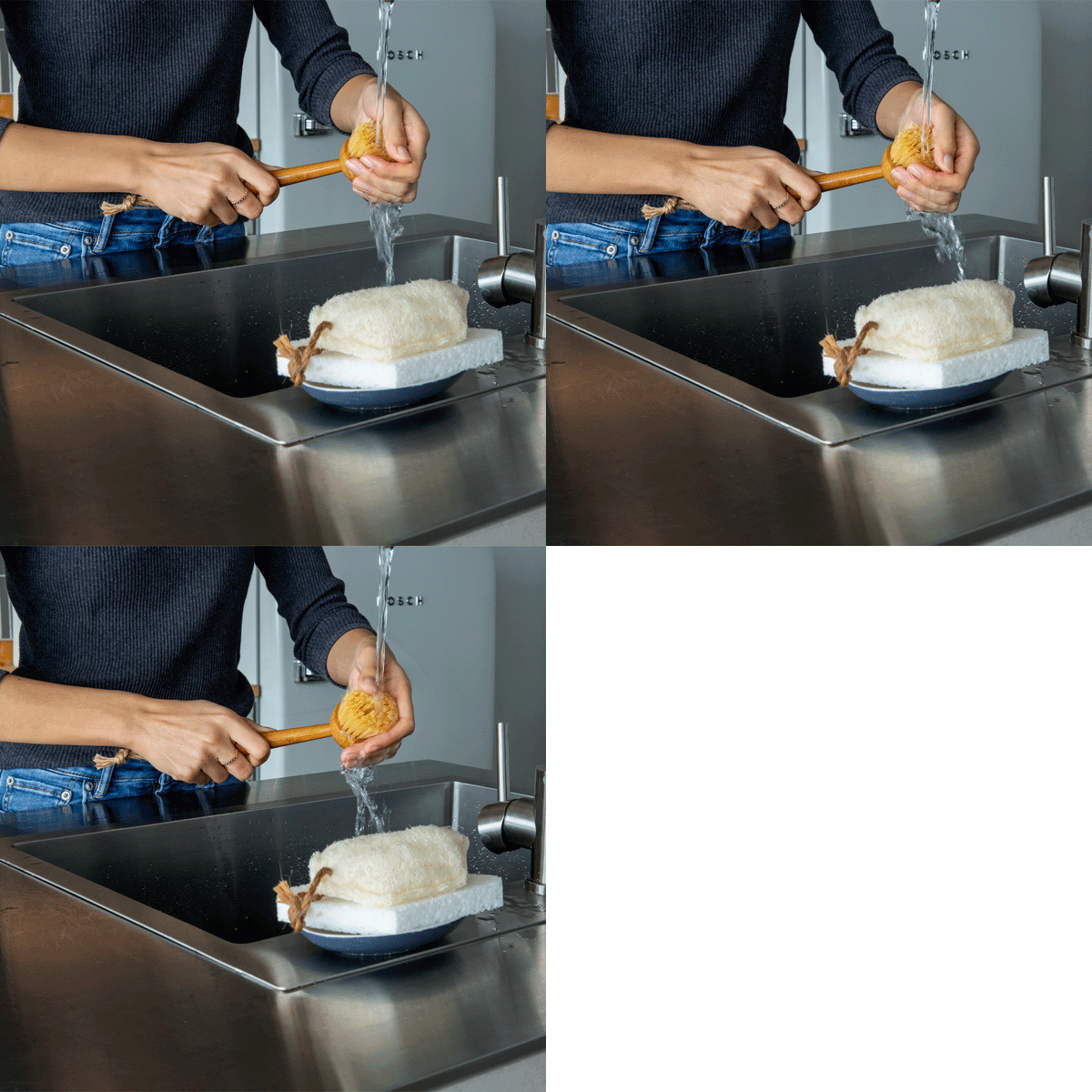
Your kitchen sponge and brushes work hard every day, but did you know they could be full of harmful germs? If you’re like most people, you probably don’t clean them as often as you should.
That’s a problem because dirty sponges and brushes can spread bacteria and make your kitchen less safe. You’ll discover simple, effective ways to clean your kitchen sponges and brushes so they last longer and keep your kitchen truly clean. Ready to learn the easy steps that can protect your health and improve your cooking space?
Keep reading!

Credit: www.aol.com
Why Clean Kitchen Sponges And Brushes
Kitchen sponges and brushes help clean dishes and surfaces. They collect food particles and moisture. This makes them a breeding ground for germs. Cleaning them keeps your kitchen safe and healthy.
Regular cleaning of these tools prevents bad smells. It also stops the spread of bacteria. A clean kitchen is important for your family’s health.
Risks Of Dirty Sponges
Dirty sponges spread germs around your kitchen. They can cause foodborne illnesses. This is why it is important to clean them often.
Germs from dirty sponges can transfer to clean dishes and surfaces. This can make you and your family sick. Cleaning sponges reduces this risk.
- Increased risk of infections
- Spread of bacteria to clean dishes
- Bad odors in the kitchen
Common Germs Found
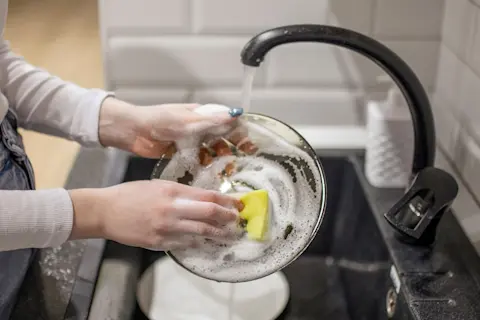
Kitchen sponges can host many types of germs. These include E. coli and Salmonella. These germs can cause stomach aches and other health issues.
Keeping sponges clean reduces these germs. It ensures your kitchen stays a safe place to prepare food.
- E. coli
- Salmonella
- Staphylococcus
Credit: www.discovermagazine.com
When To Replace Sponges And Brushes
Kitchen sponges and brushes get dirty fast. Cleaning them helps, but they still wear out. Knowing when to replace them keeps your kitchen clean and safe.
Old sponges and brushes can hold germs. This can cause bad smells and spread bacteria. Watch for signs that say it is time for a new one.
Signs Of Wear And Tear
Sponges and brushes show clear signs when they need replacing. Look for changes in texture, smell, and appearance. These signs tell you they are no longer effective or clean.
- Sponges become slimy or fall apart easily.
- Brush bristles break, bend, or spread out.
- Foul or sour smells do not go away after cleaning.
- Sponges get stained and look dirty even after washing.
- Brush handles crack or become loose.
Recommended Replacement Frequency
Replace sponges and brushes regularly to avoid germs. The frequency depends on how often you use them and what tasks they do. Using them too long can spread bacteria in your kitchen.
- Kitchen sponges: Replace every 1 to 2 weeks.
- Cleaning brushes: Replace every 1 to 3 months.
- Sponges used for heavy cleaning or raw meat should be replaced sooner.
- If you see any wear or bad smell, replace immediately.
Simple Sponge Cleaning Methods
Kitchen sponges and brushes get dirty fast. They hold germs and food bits. Cleaning them often helps keep your kitchen safe.
Use easy ways to clean sponges. These methods kill germs and make sponges last longer.
Microwave Sanitizing
Microwaving sponges kills many germs. Wet the sponge well before microwaving. Dry sponges can catch fire.
Place the wet sponge in the microwave. Heat it on high for one to two minutes. Let it cool before taking it out.
Dishwasher Cleaning
Put sponges and brushes in the dishwasher. Use the hottest setting available. The dishwasher cleans and dries them well.
This method works well for brushes with handles and sponges that fit in the dishwasher basket.
Soaking In Vinegar Or Bleach
Soak sponges in vinegar or bleach to kill bacteria. Use one cup of vinegar or bleach in a bowl of water.
Let the sponge soak for five to ten minutes. Rinse well with water after soaking to remove the chemicals.
- Use white vinegar for a natural clean
- Use bleach for stronger disinfecting power
- Always rinse sponges well after soaking

Credit: sqwishful.com
Effective Brush Cleaning Techniques
Kitchen brushes and sponges get dirty fast. Cleaning them well helps keep your kitchen safe.
Using simple tools and materials, you can clean and disinfect brushes easily.
Hot Soapy Water Wash
Fill a bowl with hot water and add dish soap. Stir to make bubbles.
Soak the brush or sponge for 10 to 15 minutes. Scrub gently to remove dirt.
- Use water as hot as you can safely handle
- Choose a dish soap that cuts grease well
- Rinse thoroughly after soaking
Using Baking Soda Paste
Mix baking soda with a little water to make a thick paste. Apply it on the brush bristles.
Let the paste sit for 10 minutes. Then scrub the brush and rinse well with water.
- Baking soda helps remove odors and stains
- It also acts as a mild abrasive for scrubbing
- Use this paste once a week for best results
Disinfecting With Hydrogen Peroxide
Pour 3% hydrogen peroxide over the brush or sponge. Make sure it covers all surfaces.
Let it sit for 5 to 10 minutes to kill germs. Rinse the item with water and let dry.
- Use only 3% hydrogen peroxide, found in most stores
- Store brushes in a dry place after disinfecting
- Repeat this process weekly to reduce bacteria
Drying And Storing Tips
Keeping kitchen sponges and brushes dry helps stop germs from growing. Proper drying and storage extend their life.
Learn easy ways to dry and store your cleaning tools safely and neatly.
Air Drying Best Practices
Let sponges and brushes dry completely after use. Air drying is the best way to keep them clean.
Place them in a well-ventilated area. Avoid closed containers until they are dry.
- Set sponges flat or stand brushes upright
- Use a dish rack or drying mat
- Keep away from sinks to avoid splashes
- Change drying spots often to prevent mold
Avoiding Damp Storage
Do not store sponges or brushes while wet. Dampness causes bacteria and bad smells.
Use holders that drain water well. Keep tools separate from other kitchen items.
- Choose holders with holes or slots for air flow
- Replace storage containers if they trap water
- Keep tools away from damp sinks and counters
- Regularly clean storage areas to avoid buildup
Alternative Cleaning Tools
Cleaning kitchen sponges and brushes often requires extra care to keep them fresh and safe. Alternative cleaning tools can help reduce bacteria and last longer. These tools are easy to clean and often more durable.
Using different cleaning tools can save money and reduce waste. Below are two popular options that many people find useful in the kitchen.
Silicone Scrubbers
Silicone scrubbers are made from flexible, non-porous material. They do not absorb water or food particles like regular sponges. This makes them less likely to grow bacteria.
They are easy to clean by rinsing with soap or putting them in the dishwasher. Silicone scrubbers also last longer than traditional sponges.
- Non-porous surface resists bacteria
- Can be cleaned in dishwasher or boiling water
- Durable and lasts many months
- Safe for most dishes and surfaces
Reusable Cloths
Reusable cloths are made from fabric like cotton or microfiber. They can be washed and reused many times. This reduces waste compared to disposable sponges.
You can clean reusable cloths by machine washing or boiling them. They dry quickly and stay fresh if washed often.
- Machine washable for easy cleaning
- Dries fast to prevent bacteria growth
- Can be used on many kitchen surfaces
- Eco-friendly and cost-effective
Frequently Asked Questions
How Often Should I Clean Kitchen Sponges?
Clean kitchen sponges at least once a week to prevent bacteria buildup. Regular cleaning extends sponge life and maintains hygiene. Use microwave, dishwasher, or bleach soak methods for effective cleaning. Replace sponges every two to four weeks for best results.
What Is The Best Way To Sanitize Kitchen Brushes?
To sanitize kitchen brushes, soak them in hot soapy water or a bleach solution for 10 minutes. Rinse thoroughly and air dry. Regular sanitizing removes bacteria and food residue, keeping your brushes clean and safe for use.
Can I Use A Microwave To Clean Kitchen Sponges?
Yes, microwaving damp sponges for 1-2 minutes kills most bacteria. Ensure the sponge is wet to avoid fire risks. Let it cool before handling. This method is quick, effective, and safe when done properly.
How Do I Remove Odors From Kitchen Sponges?
Soak sponges in a mixture of vinegar and water or lemon juice for 5-10 minutes. Rinse well and air dry. This natural method neutralizes odors and refreshes your sponge without harsh chemicals.
Conclusion
Keeping kitchen sponges and brushes clean helps stop germs from spreading. Regular washing keeps them fresh and safe to use. Replace sponges often to avoid bad smells and bacteria build-up. Using simple methods like soaking or microwaving works well. Clean tools make cooking and cleaning easier and healthier.
Remember, small steps make a big difference in kitchen hygiene. Stay consistent to keep your kitchen tools in good shape. Clean sponges and brushes mean a cleaner, safer kitchen every day.