
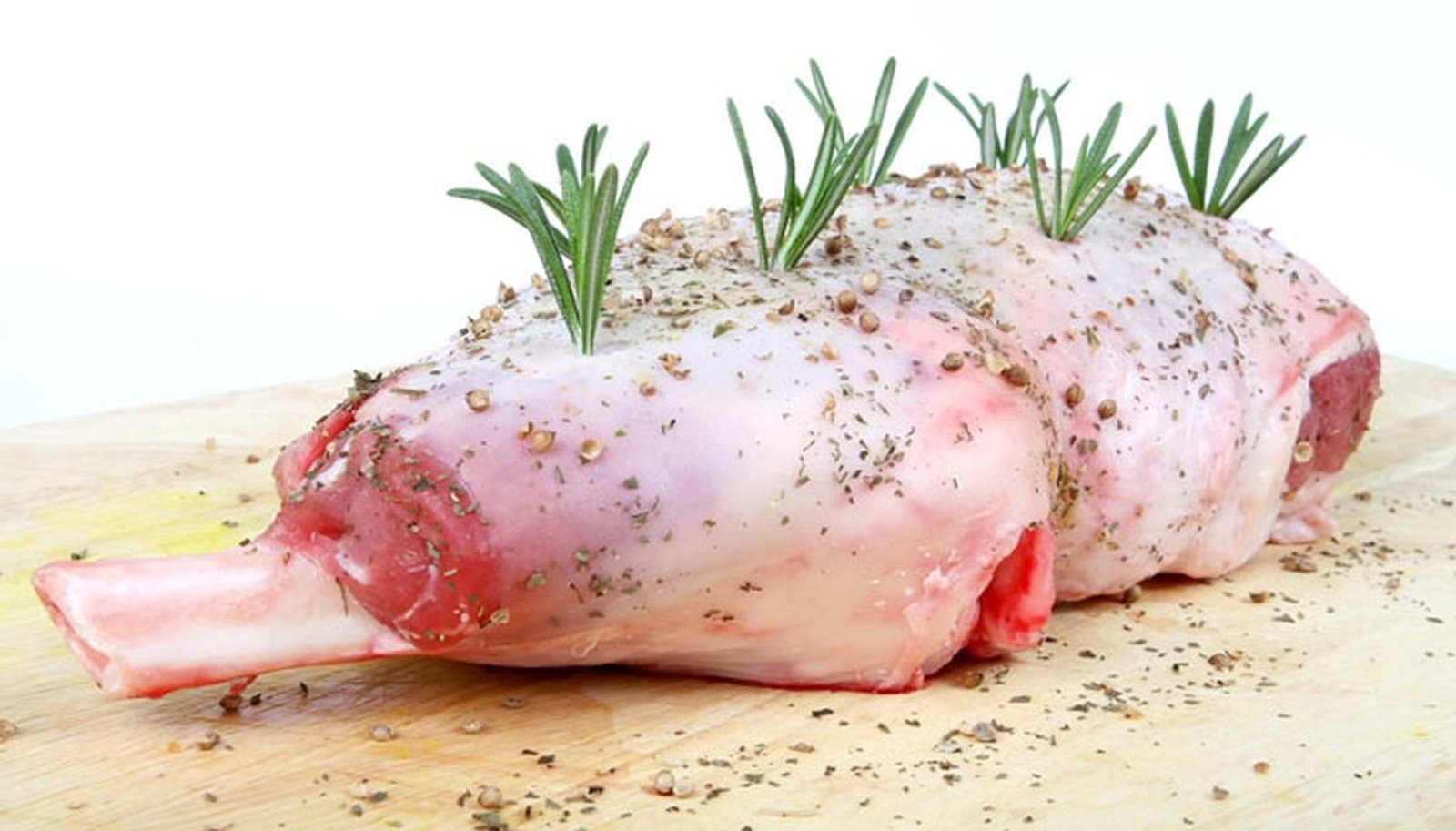
Handling raw meat safely is crucial for protecting yourself and your loved ones from harmful bacteria. If you’re not careful, even a small mistake can lead to food poisoning or serious illness.
But don’t worry—this guide will show you simple, practical steps to keep your kitchen clean and your meals safe. By following these easy tips, you’ll gain confidence in handling raw meat without stress or fear. Ready to learn how to protect your health and enjoy delicious food safely?
Keep reading!
Choosing Fresh Meat
Handling raw meat safely is important for your health. Choosing fresh meat is the first step to ensure safety.
Learn how to select the freshest meat by checking expiry dates, color, and smell.
Check Expiry Dates
Always look at the expiry date on the meat package. Fresh meat should have a future date.
Do not buy meat that is close to or past its expiry date. This ensures you get the best quality.
- Check the “use by” date
- Look for clear packaging
- Avoid dented or damaged packaging
Inspect Color And Smell
Fresh meat has a bright color. Beef is red, chicken is pink, and pork is pale pink.
Smell the meat if possible. Fresh meat should have little to no odor. If it smells bad, avoid it.
- Check for bright, consistent color
- Ensure there’s no gray or brown spots
- Smell for freshness

Credit: steakrevolution.com
Safe Storage Practices
Storing raw meat safely helps stop bacteria from growing. Proper storage keeps meat fresh and reduces the risk of food poisoning.
Follow simple rules to handle raw meat the right way. This guide covers refrigeration, freezing, and avoiding cross-contamination.
Refrigeration Tips
Keep raw meat in the coldest part of the fridge. This stops bacteria from multiplying quickly.
Store meat on a plate or in a sealed container. This prevents juices from dripping on other foods.
- Set fridge temperature to 40°F (4°C) or below
- Place meat on the bottom shelf
- Use airtight packaging or containers
- Do not leave meat out at room temperature
Freezing Guidelines
Freeze raw meat if you won’t use it within a few days. Freezing keeps it safe for months.
Wrap meat tightly to avoid freezer burn. Label packages with the date to track freshness.
- Freeze meat at 0°F (-18°C) or below
- Use freezer bags or heavy-duty foil
- Remove excess air before sealing
- Keep meat frozen until ready to use
Avoid Cross-contamination
Keep raw meat away from ready-to-eat foods. Cross-contamination spreads harmful germs.
Use separate cutting boards and utensils for meat. Clean all surfaces and hands after handling raw meat.
- Store raw meat below other foods in fridge
- Wash hands with soap before and after handling meat
- Use different knives for meat and vegetables
- Clean counters and cutting boards with hot soapy water
Preparing Meat Safely
Handling raw meat carefully helps stop germs from spreading. It keeps food safe to eat.
Follow simple rules to prepare meat in a clean and safe way. This lowers the risk of sickness.
Clean Work Surfaces
Always clean your kitchen surfaces before and after touching raw meat. Use hot, soapy water.
Disinfect surfaces to kill bacteria. Use a kitchen sanitizer or a bleach solution for safety.
- Wash counters and cutting boards thoroughly
- Dry surfaces with a clean towel
- Clean spills immediately to avoid cross-contamination
Use Separate Utensils
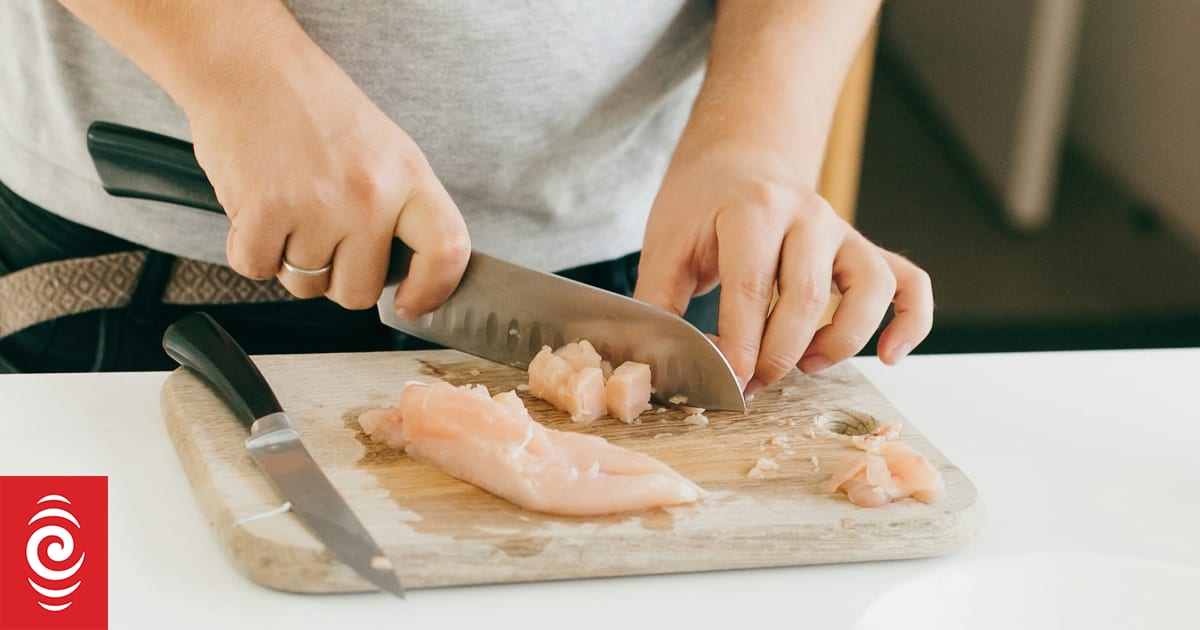
Use different knives and cutting boards for raw meat and other foods. This stops germs from spreading.
Do not reuse plates or utensils that touched raw meat unless washed well with hot water and soap.
- Label utensils for raw meat use only
- Wash tools in hot, soapy water after each use
- Keep raw meat away from ready-to-eat foods
Thawing Methods
Thaw meat safely to keep it out of the danger zone where bacteria grow fast. Use cold or controlled methods.
Never leave meat to thaw on the counter. This can cause bacteria to multiply quickly.
- Thaw in the refrigerator overnight
- Use a microwave on the defrost setting
- Place meat in a sealed bag and submerge in cold water, changing water often
Credit: www.rnz.co.nz
Cooking Meat Properly
Cooking meat properly is key to staying healthy. It kills harmful germs that cause illness.
Using the right temperature and time helps keep meat safe and tasty.
Recommended Internal Temperatures
Check meat with a food thermometer to see if it is fully cooked. Different meats need different temperatures.
- Chicken and turkey: 165°F (74°C)
- Ground beef, pork, lamb: 160°F (71°C)
- Beef, pork, lamb steaks or roasts: 145°F (63°C) plus 3 minutes rest
- Fish: 145°F (63°C)
These temperatures kill bacteria like Salmonella and E. coli.
Avoiding Undercooking
Undercooked meat can make you sick. Always cook meat until it reaches the safe temperature.
Use a clean thermometer and check the thickest part of the meat. Do not guess by color or texture alone.
- Do not eat pink or raw parts in ground meat.
- Let meat rest after cooking to finish heating inside.
- Keep cooked meat hot until served.
Cleaning Up After Handling
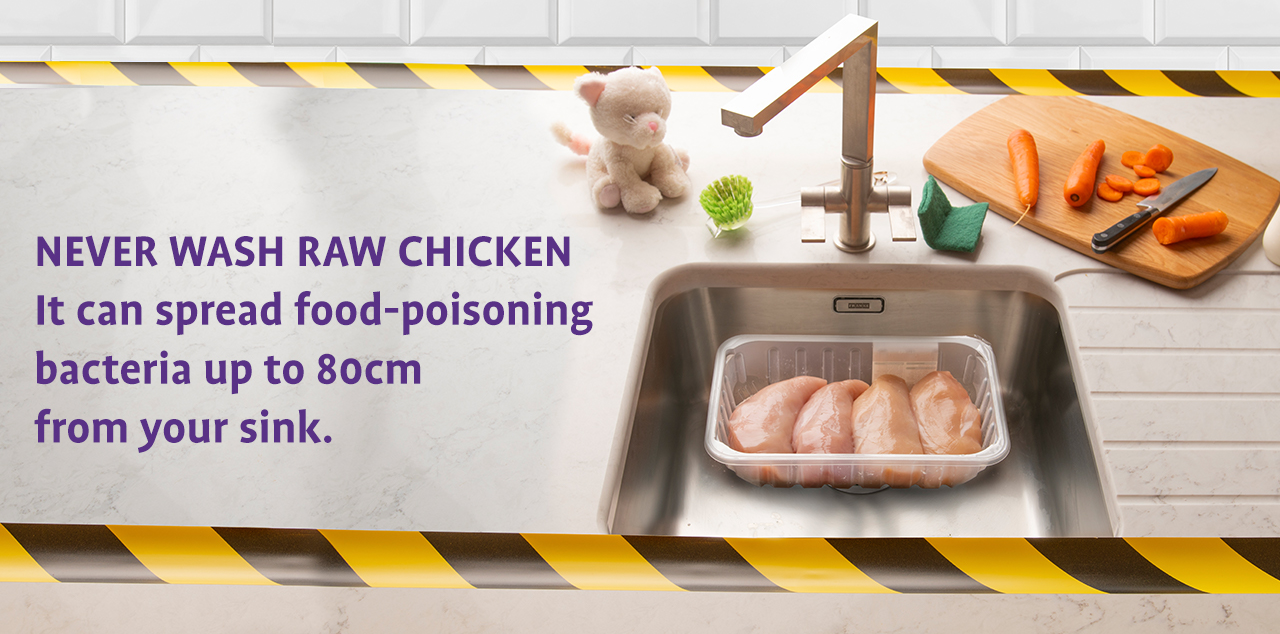
Handling raw meat can spread harmful bacteria. Cleaning up carefully keeps your kitchen safe.
Always clean tools and surfaces right after use. Proper handwashing stops germs from spreading.
Sanitizing Tools And Surfaces
Use hot, soapy water to wash knives, cutting boards, and countertops. This removes meat juices and germs.
After washing, apply a sanitizer like diluted bleach or a food-safe spray. Let it sit to kill bacteria.
- Wash tools with soap and hot water
- Rinse and dry them completely
- Spray or wipe surfaces with sanitizer
- Allow sanitizer to air dry
Safe Handwashing Techniques
Wash hands after touching raw meat to stop cross-contamination. Use warm water and soap.
Rub hands together for at least 20 seconds. Clean under nails and between fingers.
- Wet hands with warm water
- Apply enough soap to cover all surfaces
- Scrub hands and fingers for 20 seconds
- Rinse well under running water
- Dry with a clean towel or air dryer
Credit: www.safefood.net
Frequently Asked Questions
How Should I Store Raw Meat Safely At Home?
Store raw meat in the coldest part of your fridge at 40°F or below. Use sealed containers to avoid cross-contamination. Keep meat on the bottom shelf to prevent drips onto other foods. Use within recommended dates or freeze for longer storage.
What Is The Best Way To Clean Utensils After Raw Meat?
Wash knives, cutting boards, and utensils with hot soapy water immediately after use. Sanitize with a solution of one tablespoon bleach per gallon of water. Avoid using the same utensils for cooked food without thorough cleaning.
How Long Can Raw Meat Stay Out Safely?
Raw meat should not be left out longer than 2 hours at room temperature. If ambient temperature is above 90°F, reduce time to 1 hour. Bacteria grow quickly at room temperature, increasing the risk of foodborne illness.
Can I Reuse Marinades Used On Raw Meat?
Do not reuse raw meat marinades unless boiled first. Boiling kills harmful bacteria transferred from raw meat. Using unboiled marinade can cause food poisoning. Always prepare fresh marinade or cook used marinade thoroughly before serving.
Conclusion
Handling raw meat safely protects your health and your family’s. Always wash your hands and clean surfaces well. Use separate tools for raw meat and other foods. Cook meat to the right temperature to kill germs. Store meat properly to avoid spoilage and contamination.
These simple steps reduce the risk of food poisoning. Keep these habits in your daily routine. Safe meat handling is easy and important. Stay careful and enjoy your meals with peace of mind.