
Storing raw meat in your fridge might seem simple, but a small mistake can turn your fresh ingredients into a health risk. You want to keep your meat safe, fresh, and ready to cook without worrying about contamination or spoilage.
What if you could learn easy tips that protect your food and your family’s health every time you open the fridge? Keep reading, because these practical storage tips will help you handle raw meat like a pro—saving you time, money, and stress in the kitchen.

Credit: argentineasado.com
Choosing The Right Storage Containers
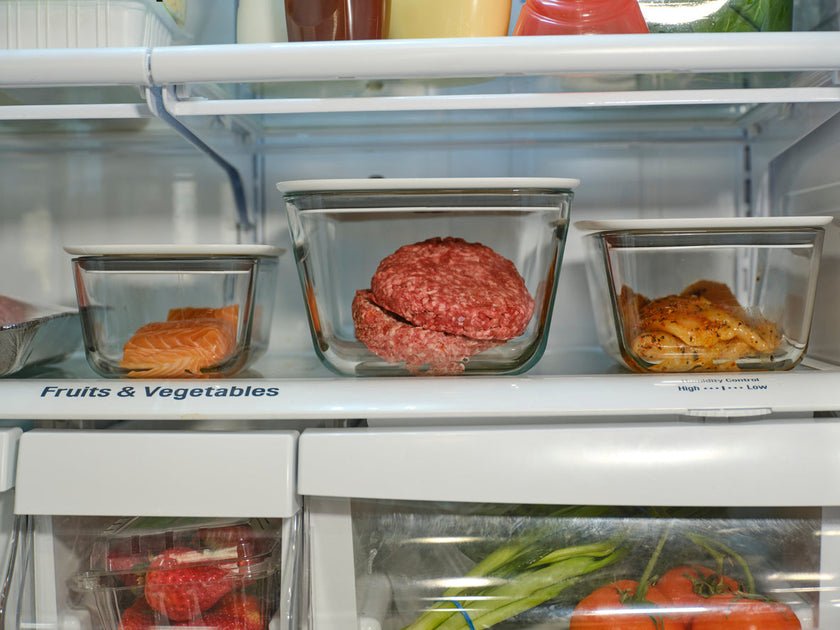
Proper storage of raw meat in the fridge is crucial for safety. Choosing the right containers helps keep meat fresh and prevents contamination.
Using the correct storage containers can also prevent odors from spreading in your fridge.
Benefits Of Airtight Containers
Airtight containers are excellent for storing raw meat. They seal tightly, keeping air out and moisture in.
This prevents bacteria growth and keeps the meat fresh longer.
- Prevents odors from escaping
- Reduces risk of spills
- Maintains meat’s original flavor
Using Plastic Wrap And Foil Safely
Plastic wrap and foil are handy for covering meat. They help protect the meat from air exposure.
Use them tightly to keep the meat safe from bacteria.
- Wrap tightly to avoid leaks
- Do not reuse wraps or foil
- Ensure full coverage of the meat
Glass Vs Plastic Options
Glass and plastic containers both have their uses. Glass is more durable but heavier. Plastic is lightweight but can stain.
Choose based on your needs and available storage space.
| Glass Containers | Plastic Containers |
| Does not stain easily | Lightweight and versatile |
| Environmentally friendly | Budget-friendly options |
Credit: medium.com
Optimal Fridge Temperature
Storing raw meat at the right temperature keeps it fresh and safe. The fridge must be cold enough to slow bacteria growth.
Setting your fridge temperature correctly helps prevent foodborne illness. It also keeps meat quality high for longer.
Ideal Temperature Range For Raw Meat
Raw meat needs to be stored at a temperature that stops bacteria from growing. The best range is between 32°F and 40°F (0°C to 4°C).
Keeping meat below 40°F slows down spoilage. Meat stored above this temperature can become unsafe quickly.
- Keep fridge temperature at or below 40°F (4°C)
- Ideal range is 32°F to 40°F (0°C to 4°C)
- Do not freeze meat in the fridge; use the freezer for freezing
How To Monitor Fridge Temperature
Use a fridge thermometer to check the temperature regularly. This tool gives an accurate reading inside the fridge.
Place the thermometer in the middle shelf, where raw meat is usually stored. Check it daily to ensure the fridge stays cold enough.
- Buy a reliable fridge thermometer
- Place it on the middle shelf near raw meat
- Check the temperature daily
- Adjust fridge settings if temperature rises above 40°F
Proper Placement In The Fridge
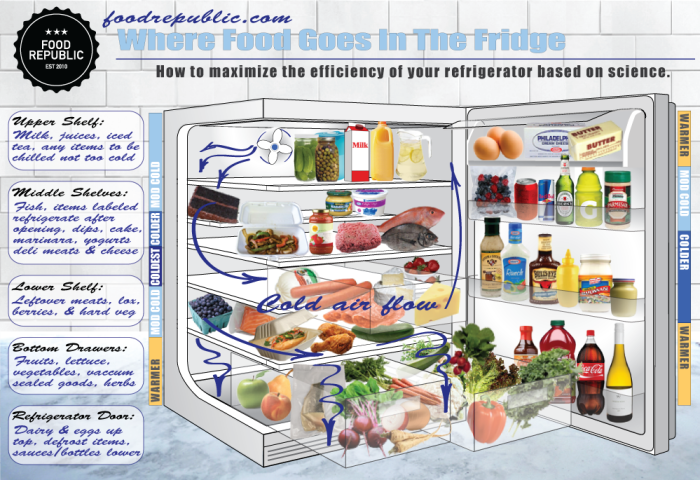
Storing raw meat correctly in the fridge keeps it fresh and safe. Placement matters to avoid foodborne illnesses.
Organize your fridge so raw meat does not touch other foods. This prevents bacteria from spreading.
Bottom Shelf Storage Benefits
Put raw meat on the bottom shelf of the fridge. This stops juices from dripping onto other foods.
The bottom shelf is usually the coldest part. It helps keep meat fresh longer and slows bacteria growth.
Avoiding Cross-contamination
Raw meat can carry harmful bacteria. Keep it away from ready-to-eat foods to stop germs from spreading.
Use sealed containers or plates to catch any drips. Clean spills immediately to keep the fridge safe.
- Store meat in leak-proof packaging
- Keep raw meat separate from fruits and vegetables
- Clean fridge shelves regularly
Separating Different Meat Types
Keep different raw meats apart in the fridge. This avoids mixing bacteria between types like chicken and beef.
Use separate containers or trays for each type. Label them if needed to prevent confusion.
- Place poultry on the lowest shelf
- Keep beef and pork on middle shelves
- Store seafood separately from other meats
Packaging Tips To Extend Freshness
Storing raw meat properly in the fridge helps keep it fresh longer. Good packaging reduces air and moisture that cause spoilage.
Use the right wrapping techniques to protect meat from bacteria and freezer burn. This saves money and keeps meat safe to eat.
Removing Excess Air
Air around raw meat causes it to dry out and spoil faster. Removing air slows down this process and keeps meat juicy.
Press the packaging tightly around the meat. Use plastic wrap or airtight containers to reduce air exposure.
- Wrap meat in plastic wrap or butcher paper.
- Use zip-top bags and squeeze out air before sealing.
- Store wrapped meat on the bottom shelf to avoid leaks.
Using Vacuum Sealing
Vacuum sealing removes almost all air around the meat. This method extends freshness much longer than regular wrapping.
Vacuum-sealed meat stays moist and safe from freezer burn. It also keeps smells from spreading inside the fridge.
- Use a vacuum sealer for best results.
- Seal each portion separately to avoid waste.
- Label vacuum bags before sealing.
Labeling And Dating Packages
Labeling meat packages helps track storage time. This prevents keeping meat too long and risking food safety.
Write the date and type of meat on each package. Use a permanent marker or labels that stick well in the fridge.
- Include the packaging date to know freshness.
- Write the type of meat to avoid confusion.
- Check and use older packages first.
Handling And Preparation Before Storage
Storing raw meat properly helps keep it fresh and safe to eat. Handling and preparing the meat well before storage is very important.
Follow simple steps to clean, cool, and portion your meat. This makes storage easier and reduces the risk of bacteria growth.
Cleaning Meat Surfaces
Clean the outside of raw meat before storing it. This removes dirt and bacteria that can spread in your fridge.
Use clean hands or gloves and rinse the meat gently with cold water. Pat it dry with paper towels to remove extra moisture.
Avoiding Temperature Abuse
Keep raw meat cold to stop bacteria from growing. Store it in the fridge as soon as you buy it.
- Keep fridge temperature at or below 40°F (4°C)
- Do not leave meat out at room temperature for more than 2 hours
- Place meat on the lowest shelf to avoid drips on other foods
Portioning For Convenience
Divide raw meat into small portions before storing. This helps you use only what you need later.
Wrap each portion tightly in plastic wrap or use airtight containers. Label them with the date to keep track.
- Portion by meal size to reduce waste
- Use freezer bags for easy storage and thawing
- Flatten packages to save space in the fridge
Credit: www.industrykitchens.com.au
Signs Meat Has Gone Bad
Raw meat can spoil quickly if not stored properly. It is important to check for signs that meat has gone bad before using it.
Knowing these signs helps keep you safe from food poisoning and ensures your meals taste good.
Visual Indicators
Look closely at the meat’s color and surface. Fresh meat has a bright, consistent color. Spoiled meat often looks dull or grayish.
Check for any unusual spots or slime on the meat. These are clear signs the meat is no longer safe to eat.
- Color changes from red or pink to brown or gray
- Surface appears sticky or slimy
- Presence of mold or dark spots
Smell And Texture Changes
Smell is a strong sign of spoilage. Fresh meat has a mild, neutral smell. Bad meat smells sour, rotten, or like ammonia.
Texture changes are also important. Spoiled meat feels sticky, slimy, or unusually soft. Fresh meat is firm and moist.
- Strong sour or rotten odor
- Sticky or slimy surface
- Soft or mushy texture instead of firm
Freezing Vs Refrigerating Raw Meat
Raw meat needs proper storage to stay fresh and safe. You can freeze or refrigerate it, but each way works best in different situations.
Refrigeration keeps meat fresh for a short time. Freezing stores meat longer but changes its texture a bit.
When To Freeze Meat
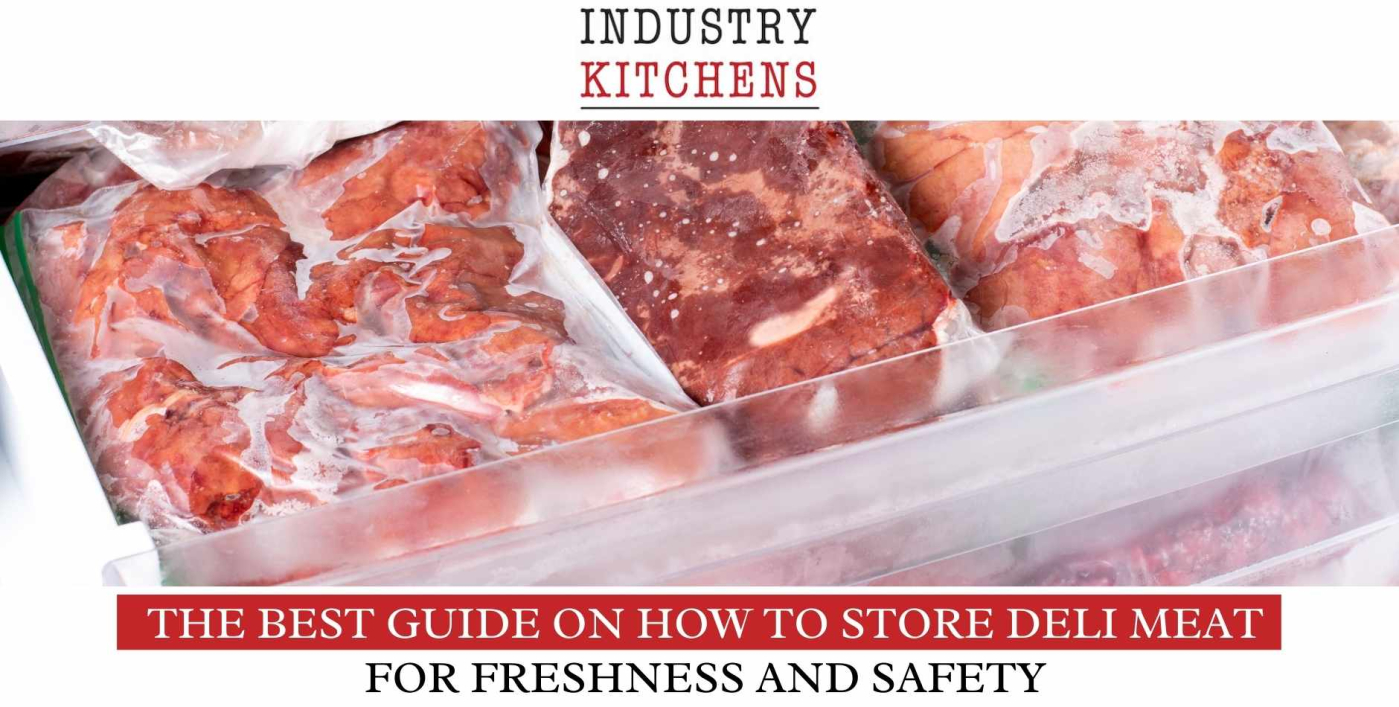
Freeze meat if you won’t use it within a few days. Freezing stops bacteria from growing and keeps meat safe.
It is best to freeze meat right after buying it. This keeps its flavor and quality for months.
- Freeze ground meat if not used in 1-2 days
- Freeze steaks or chops if not used in 3-5 days
- Freeze poultry within 1-2 days of purchase
- Freeze large cuts before their expiration date
Thawing Tips For Safety
Thaw meat safely to avoid bacteria growth. Never thaw meat at room temperature.
Use the fridge, cold water, or microwave to thaw meat quickly and safely.
- Thaw meat in the fridge for 24 hours or more
- Use cold water in a sealed bag, changing water every 30 minutes
- Cook meat immediately after microwave thawing
- Do not refreeze meat after thawing unless cooked first
Frequently Asked Questions
How Long Can Raw Meat Stay In The Fridge?
Raw meat can safely stay in the fridge for 1-2 days. Ground meat lasts about one day. Store it at 40°F (4°C) or below to prevent bacteria growth and spoilage.
What’s The Best Fridge Temperature For Raw Meat?
Keep your fridge temperature at or below 40°F (4°C). This slows bacterial growth and keeps raw meat fresh longer. Use a fridge thermometer to ensure the correct temperature.
Should Raw Meat Be Stored On The Bottom Shelf?
Yes, always store raw meat on the bottom shelf. This prevents juices from dripping onto other foods, avoiding cross-contamination and ensuring food safety.
How Should Raw Meat Be Wrapped For Fridge Storage?
Wrap raw meat tightly in plastic wrap or aluminum foil. Use airtight containers or resealable bags to prevent exposure to air and reduce spoilage.
Conclusion
Storing raw meat safely keeps your food fresh and healthy. Always use clean containers or wraps to avoid spills. Place meat on the bottom shelf to stop drips on other foods. Check your fridge temperature; it should stay below 40°F (4°C).
Use meat within a few days or freeze it for longer storage. These small steps protect your family from foodborne illness. Safe storage is simple and worth the effort. Keep these tips in mind for better kitchen safety every day.