
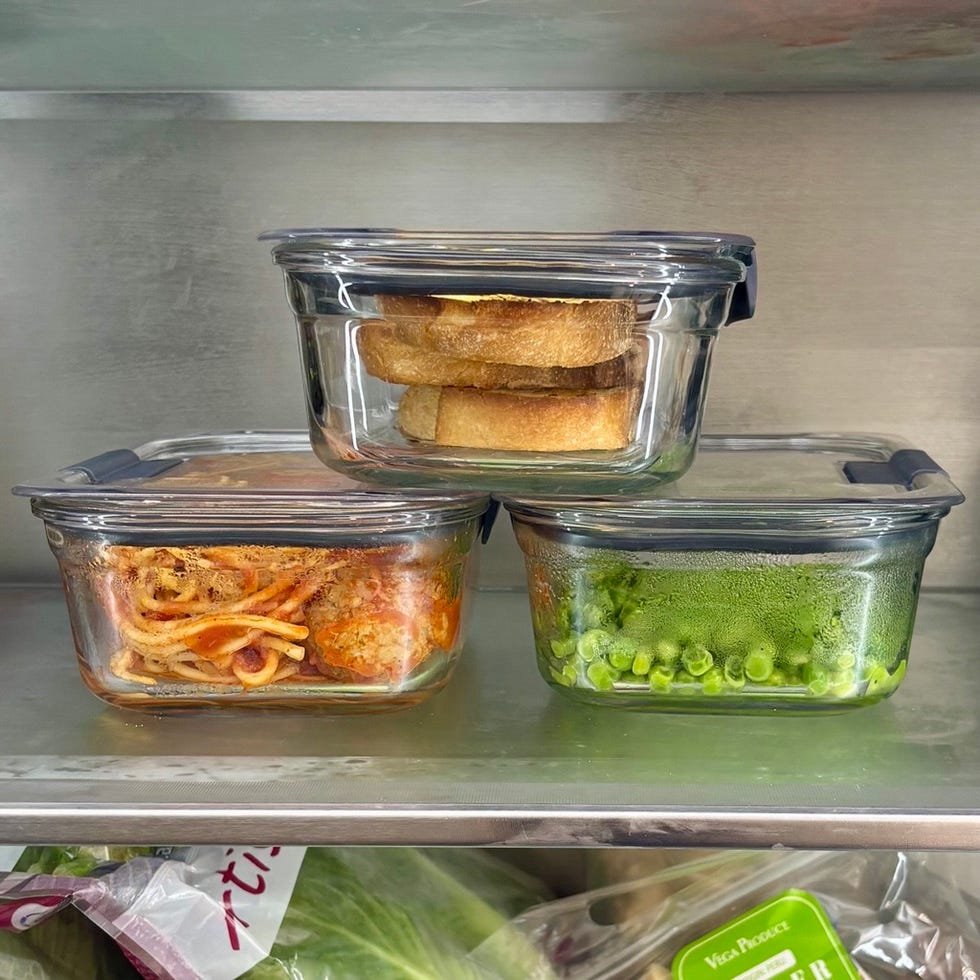
Have you ever opened your fridge to find leftovers that look questionable or smell off? Storing your food properly can save you from wasting money and risking your health.
Knowing how to store leftovers safely in containers is a simple skill that can make a big difference in your daily life. You’ll discover easy tips to keep your food fresh longer, prevent harmful bacteria, and enjoy your meals without worry.
Keep reading, and you’ll never toss out leftovers again!

Credit: www.yahoo.com
Choosing The Right Containers
Storing leftovers safely is important. The right containers help keep food fresh. They also prevent spills and keep your fridge organized.
When you choose containers, think about the material, size, and lids. Each factor affects how well your food stays fresh.
Material Options
Containers come in different materials. Each has benefits for storing food. Picking the right one can save time and money.
- Glass: Durable and microwave safe
- Plastic: Lightweight and less expensive
- Stainless Steel: Long-lasting and eco-friendly
Size And Shape Considerations
Size and shape affect how you store leftovers. Choose containers that fit well in your fridge. This helps save space and keeps things tidy.
Square and rectangular containers use space better. Round ones can be easier to clean. Think about what works best for your needs.
Sealing And Lids
Good seals and lids are key for freshness. They prevent air from getting in. This keeps food tasting good and safe to eat.
- Snap-on lids: Easy to use and secure
- Twist-off lids: Great for liquids
- Locking lids: Provide extra protection against spills
Credit: timesofindia.indiatimes.com
Preparing Food For Storage
Storing leftovers safely helps keep food fresh and prevents illness. Proper preparation is key to safe storage.
Use clean containers and handle food with care. This keeps your food safe to eat later.
Cooling Leftovers Properly
Cool hot food quickly before storing it. Leaving food out too long can cause bacteria to grow.
Divide large portions into smaller parts. This helps food cool faster and safer.
- Use shallow containers to spread food thinly
- Place containers in the fridge within two hours
- Stir liquid foods while cooling to release heat
Portioning For Convenience
Divide leftovers into small, ready-to-use portions. This saves time when reheating food.
Use containers that fit the amount of food. Avoid storing large amounts in one container.
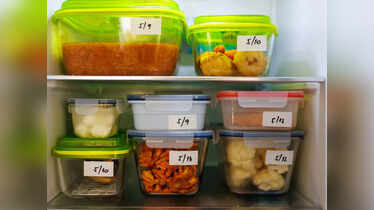
- Label containers with dates and contents
- Freeze portions that won’t be eaten soon
- Keep similar foods together for easy access
Avoiding Cross-contamination
Keep raw and cooked foods separate to stop germs from spreading. Use different containers for each.
Clean your hands and surfaces before handling leftovers. This lowers the risk of food poisoning.
- Use clean utensils for each food type
- Wash containers before reuse
- Store food in sealed containers to avoid leaks
Labeling And Dating Containers
Storing leftovers safely in containers helps keep food fresh and prevents waste. Labeling and dating your containers make it easier to know what is inside and how long it has been stored.
Clear labels help avoid confusion and reduce the risk of eating spoiled food. Writing the date on each container shows when the food was stored, so you can use it before it goes bad.
Effective Labeling Techniques
Use easy-to-read labels on every container. Write the name of the food and the date you stored it. This helps you find what you need quickly and prevents mistakes.
- Use waterproof labels or masking tape
- Write with a permanent marker or food-safe pen
- Place the label where it is easy to see
- Write the food name clearly, like “Chicken Curry”
- Include the date in MM/DD format
Tracking Storage Time
Knowing how long leftovers have been stored helps keep food safe. Use a system to track storage time and throw out food that is too old.
- Follow safe storage times: 3-4 days in the fridge
- Use the oldest food first to reduce waste
- Check containers regularly for signs of spoilage
- Write a use-by date on the label if possible
- Keep a food storage log if you store many leftovers
Storing Leftovers In The Refrigerator
Keeping leftovers safe in the fridge helps stop food from spoiling. It also prevents harmful bacteria from growing.
Use proper containers and store food at the right temperature. This keeps your leftovers fresh longer.
Optimal Temperature Settings
Set your refrigerator temperature between 34°F and 40°F (1°C to 4°C). This range keeps food cold but not frozen.
Check the temperature often with a fridge thermometer. Adjust settings if food feels too warm or too cold.
- Keep fridge below 40°F to slow bacteria growth
- Do not freeze leftovers in the fridge section
- Use a thermometer for accurate temperature reading
Placement Tips For Freshness
Store leftovers in airtight containers to stop air and moisture from spoiling food. Use clear containers to see contents easily.
Place leftovers on middle or lower shelves where temperature is steady. Avoid door shelves, as they are warmer and temperature changes often.
- Use airtight containers to keep food fresh
- Label containers with date stored
- Keep leftovers away from raw meats
- Place containers on middle or lower shelves
- Avoid storing food in fridge door
Freezing Leftovers Safely
Freezing leftovers helps reduce food waste and saves time. It keeps food fresh for longer periods.
Proper freezing stops bacteria growth and preserves taste. Use the right containers and thaw safely.
Freezer-friendly Containers
Choose containers made for freezing. They protect food from freezer burn and keep it fresh.
Look for airtight lids and durable materials. Avoid containers that can crack or leak in cold.
- Plastic containers labeled freezer-safe
- Glass containers with tight lids
- Heavy-duty freezer bags
- Silicone containers designed for freezing
- Wrap food tightly in foil or plastic wrap before freezing
Thawing Methods
Thaw leftovers safely to prevent bacteria growth. Use slow or quick thawing methods.
Never thaw food at room temperature. It can cause harmful bacteria to grow fast.
- Thaw in the refrigerator overnight
- Use the microwave’s defrost setting
- Place sealed food in cold water, changing water every 30 minutes
- Cook food directly from frozen if safe
Reheating Stored Food
Reheating leftovers safely helps prevent food poisoning. It keeps your food tasty and healthy to eat again.
Using the right methods and temperatures keeps the food safe. Learn the best ways to reheat stored food in containers.
Safe Temperature Guidelines
Heat leftovers to at least 165°F (74°C). This temperature kills harmful bacteria. Use a food thermometer to check.
Make sure the food is hot all the way through. Stir food during reheating to avoid cold spots.
- Heat food evenly to 165°F (74°C)
- Use a thermometer for accuracy
- Stir food to avoid cold areas
- Reheat leftovers only once
Avoiding Overheating
Do not overheat food. Too much heat can change the taste and texture. It also wastes energy.
Stop reheating as soon as the food reaches the right temperature. Use short heating times and check often.
- Heat food just until it is steaming hot
- Do not cook leftovers again after reheating
- Use microwave-safe containers for even heating
- Cover food to keep moisture while reheating
Common Mistakes To Avoid
Storing leftovers correctly is important to keep food safe and fresh. Many people make simple errors that can cause food to spoil or lose quality.
Knowing what to avoid can help you keep your leftovers in good condition and prevent waste.
Overfilling Containers
Filling containers too full can stop air from circulating inside. This can cause food to spoil faster. It also makes it hard to close the lid tightly.
Leave some space at the top of the container. This allows air to flow and keeps food fresh longer.
- Do not pack leftovers to the brim
- Leave about one inch of space
- Make sure lids close properly
Ignoring Storage Times
Keeping leftovers for too long can cause bacteria to grow. This can make food unsafe to eat. Always know how long leftovers should be stored.
Use leftovers within three to four days. Label containers with the date to track storage time easily.
- Eat leftovers within 3-4 days
- Throw away food if it smells bad
- Label containers with the date stored
Using Damaged Containers
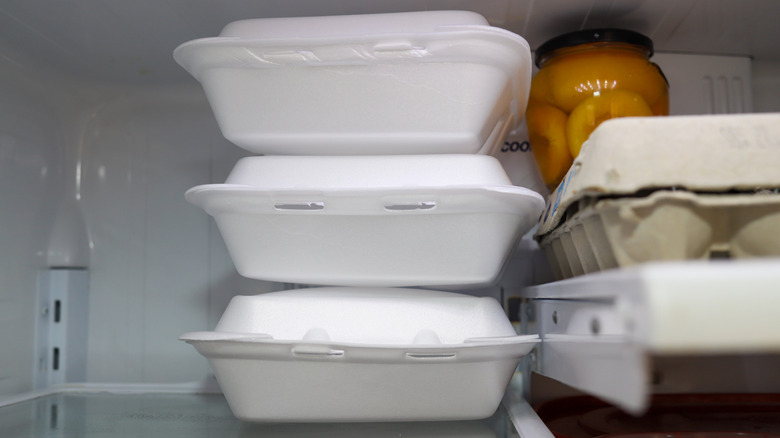
Containers with cracks or broken lids do not seal food properly. This lets air and germs in, causing food to spoil faster. Damaged containers can also leak.
Check your containers before use. Replace any that are cracked, warped, or have broken lids.
- Inspect containers for cracks or holes
- Replace containers with broken lids
- Use airtight containers to keep food fresh
Credit: www.thetakeout.com
Frequently Asked Questions
What Containers Are Best For Storing Leftovers Safely?
Glass and BPA-free plastic containers with airtight lids are best. They prevent leaks and keep food fresh longer. Avoid containers that stain or retain odors.
How Long Can Leftovers Be Stored In The Fridge?
Leftovers typically last 3 to 4 days in the fridge. Label containers with dates to ensure safe consumption. Discard food if it smells off or looks spoiled.
Should Leftovers Be Cooled Before Storing In Containers?
Yes, cool leftovers to room temperature before storing. Hot food can cause condensation and bacteria growth. Refrigerate within two hours of cooking for safety.
Can Leftovers Be Frozen In Any Container?
Use freezer-safe containers or heavy-duty freezer bags for freezing. Leave space for food expansion. Proper sealing prevents freezer burn and preserves taste.
Conclusion
Storing leftovers safely helps keep food fresh and tasty longer. Use clean containers with tight lids to stop spills and germs. Cool food quickly before putting it in the fridge. Label containers with dates to know when to eat them.
Reheat leftovers until they are hot all the way through. These small steps protect your health and reduce food waste. Safe storage makes mealtime easier and saves money too. Simple habits create a safer kitchen for everyone.