
Are you tired of your cutting boards taking up too much space or getting damaged too quickly? How you store your cutting boards can make a big difference in their lifespan and hygiene.
If you want to keep your kitchen neat and your boards in great shape, you need the right tips. You’ll discover simple and effective ways to store your cutting boards that save space, prevent damage, and keep them clean. Keep reading to learn how a few smart changes can protect your boards and make your cooking easier.
Choosing The Right Storage Spot
Cutting boards need a good storage spot to stay in good shape. Picking the right place helps them last longer.
A great storage spot protects cutting boards from damage. It keeps them clean and ready to use.
Avoiding Moisture And Heat
Moisture and heat can ruin cutting boards. These elements cause them to warp or crack.
Store cutting boards away from sinks and stoves. This keeps them dry and cool.
- Keep boards dry to prevent mold
- Avoid placing near ovens
- Check for leaks that might cause dampness
Keeping Away From Direct Sunlight
Sunlight can fade and damage cutting boards. It dries them out, leading to cracks.
Find a shaded spot for your boards. Keep them out of windows and direct sun rays.
- Store in a cabinet or shaded shelf
- Use curtains to block sunlight
- Rotate boards to even out exposure
Selecting A Well-ventilated Area
Good air flow helps keep cutting boards dry. It stops bad smells and bacteria from growing.
Choose a place with air circulation. This keeps boards fresh and ready for use.
- Store in a ventilated cabinet
- Use racks that allow air flow
- Avoid closed, tight spaces
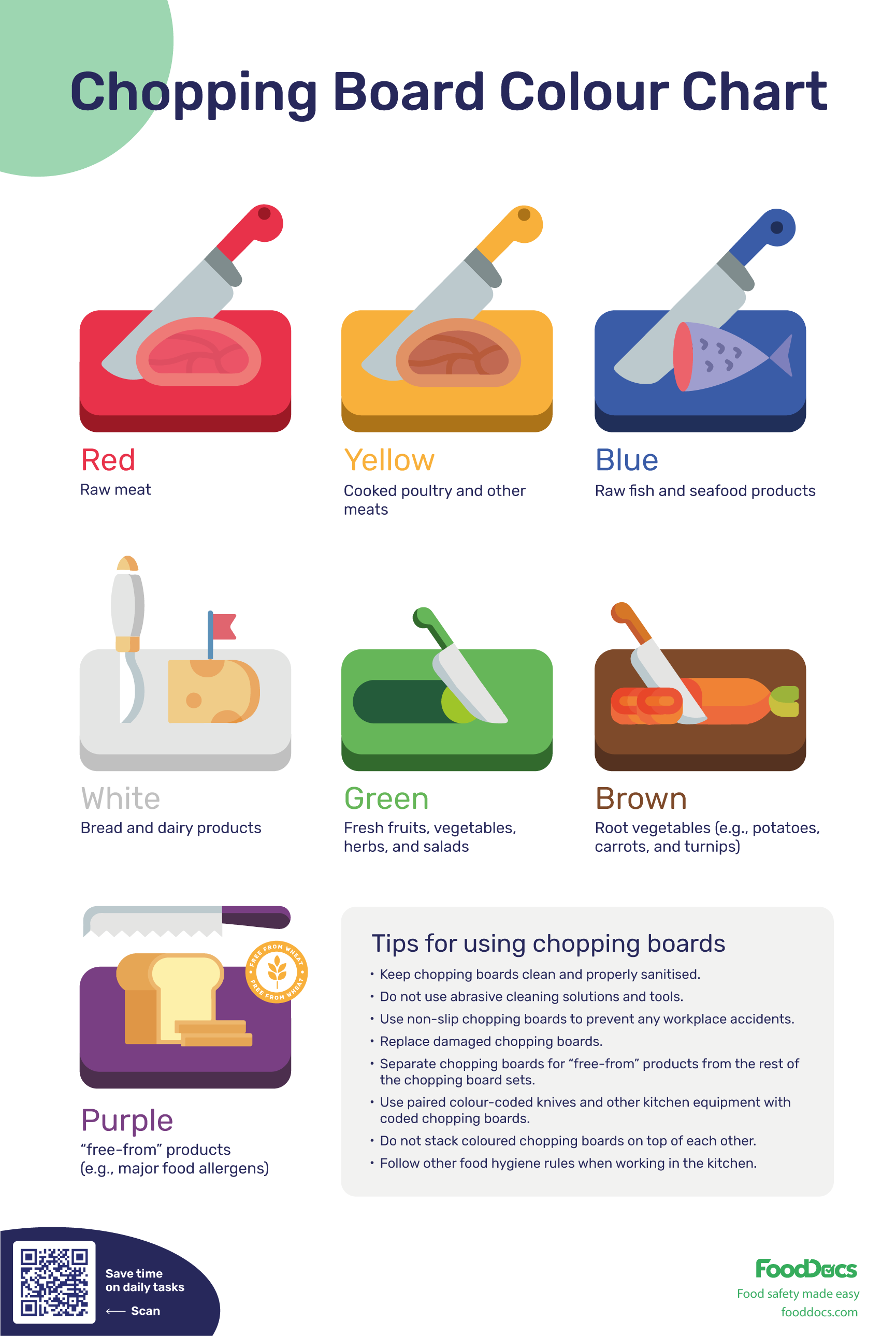
Credit: www.fooddocs.com
Cleaning Before Storage
Keeping cutting boards clean is important for safety. Proper cleaning helps stop germs from growing.
Clean boards before you store them to keep them fresh and safe for next use.
Proper Washing Techniques
Wash cutting boards with hot, soapy water after each use. Use a sponge or brush to scrub all surfaces.
Pay special attention to grooves and cuts where food bits can hide.
- Use dish soap and warm water
- Scrub both sides of the board
- Rinse thoroughly to remove soap
Drying Completely
Dry cutting boards fully before storing them. Moisture can cause bacteria and mold to grow.
Air dry boards standing up or use a clean towel to speed drying.
- Stand boards on edge to air dry
- Use a dry cloth to wipe excess water
- Do not store boards while wet
Using Natural Disinfectants
Natural disinfectants like vinegar or lemon help kill germs safely. They are gentle on wood and plastic boards.
Apply vinegar or lemon juice after washing, then rinse and dry the board well.
- Spray white vinegar on the board
- Rub lemon juice on stains or smells
- Let sit for a few minutes before rinsing
Organizing Cutting Boards
Keeping your cutting boards neat saves space and time in the kitchen. Proper storage keeps them clean and easy to find.
Organizing cutting boards helps protect them from damage. It also stops them from getting mixed up or lost.
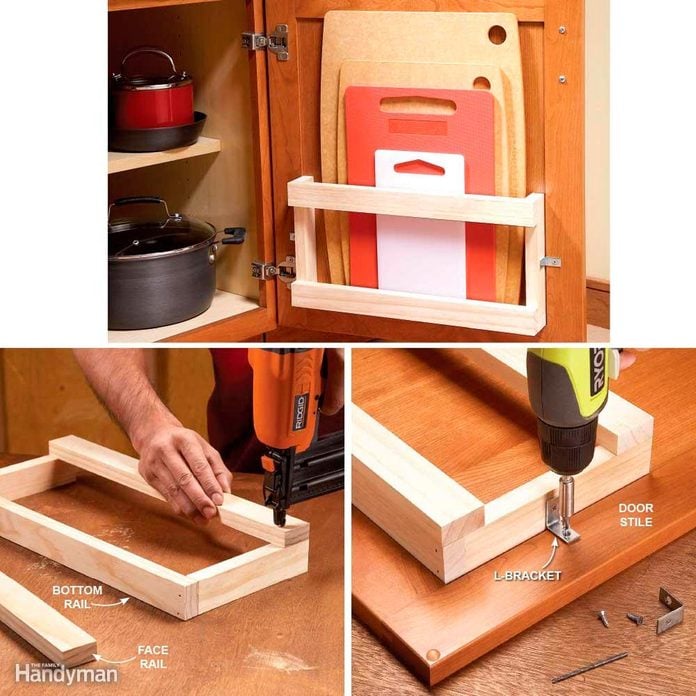
Using Vertical Racks
Vertical racks hold cutting boards upright, saving counter space. They keep boards separated and dry faster.
Place vertical racks inside cabinets or on walls. This keeps boards visible and easy to grab.
- Use wooden or metal racks for durability
- Choose racks that fit different board sizes
- Make sure racks are easy to clean
Stacking With Spacers
Stack cutting boards flat with spacers between them. Spacers stop moisture buildup and scratching.
Use small rubber or silicone pieces as spacers. This keeps boards stable and well ventilated.
- Place spacers at the corners of boards
- Check spacers often for cleanliness
- Use food-safe materials for spacers
Labeling For Easy Access
Label cutting boards to find them quickly. Labels help keep boards for different tasks separate.
Use waterproof labels or tags. Write the purpose or material type on each label.
- Label boards for meat, vegetables, or bread
- Attach labels with string or adhesive
- Replace worn labels regularly
Credit: www.youtube.com
Maintaining Cutting Board Quality
Cutting boards need care to stay useful and safe. Proper storage helps keep their quality over time.
Good maintenance prevents cracks, warping, and bacteria buildup on your boards.
Regular Oiling And Conditioning
Oiling your cutting board keeps the wood from drying out. It also protects against stains and odors.
Use food-safe mineral oil or special cutting board oils. Apply oil once a month or when the wood looks dry.
- Clean the board before oiling
- Use a soft cloth to rub oil evenly
- Let the board absorb oil overnight
- Wipe off extra oil before use
Sanding Out Scratches
Scratches can trap bacteria and make cleaning hard. Sanding smooths the surface and keeps the board safe.
Use fine-grit sandpaper to gently sand the scratched areas. Sand in the direction of the wood grain.
- Clean the board before sanding
- Sand lightly to avoid deep grooves
- After sanding, clean dust off the board
- Reapply oil to protect the wood
Replacing Boards When Needed
Old or damaged boards can be unsafe. Cracks or deep cuts can hide bacteria and cause injury.
Replace boards if they have large cracks, deep cuts, or warped shapes that cannot be fixed.
- Check boards regularly for damage
- Use separate boards for meat and vegetables
- Discard boards that are hard to clean
- Choose durable materials for longer use
Special Storage Tips For Different Materials
Cutting boards need proper storage to last long. Different materials require special care.
This guide shares tips for storing wooden, plastic, and bamboo boards safely.
Wooden Boards
Wooden boards can warp or crack if stored wrong. Keep them dry and upright to avoid damage.
Store wooden boards in a place with good air flow. Avoid stacking them flat on top of each other.
- Store upright to let air circulate
- Keep away from heat and moisture
- Use a rack or divider to separate boards
Plastic Boards
Plastic boards are easier to clean and store. Stack them flat in a dry spot to save space.
Make sure plastic boards are completely dry before stacking. This stops mold and bacteria growth.
- Dry fully before storing
- Stack flat to save space
- Keep in a cool, dry area
Bamboo Boards
Bamboo boards are strong but need good air flow to stay in shape. Store them like wooden boards.
Do not leave bamboo boards in a damp place. Wipe them dry and keep them upright for best results.
- Store upright with air flow
- Keep dry to prevent mold
- Use a rack or divider to separate boards
Credit: www.familyhandyman.com
Frequently Asked Questions
How Should I Store Wooden Cutting Boards?
Store wooden cutting boards upright in a dry area. Avoid stacking them to prevent warping. Ensure proper air circulation to keep them dry and prevent mold growth.
Can I Store Cutting Boards In The Dishwasher?
No, avoid storing cutting boards in the dishwasher. High heat and moisture can damage wood and warp plastic boards. Hand wash and dry them thoroughly instead.
What Is The Best Way To Dry Cutting Boards?
Dry cutting boards immediately after washing. Use a clean towel and air dry in a vertical position. This prevents moisture buildup and reduces bacteria risk.
How Often Should Cutting Boards Be Conditioned?
Condition wooden cutting boards monthly with food-safe mineral oil. This prevents cracking and keeps the surface smooth. Plastic boards do not need conditioning.
Conclusion
Storing cutting boards properly keeps them clean and lasts longer. Always dry boards fully before storing to prevent mold. Keep them in a dry, well-ventilated spot. Avoid stacking heavy items on top to stop warping. Using simple storage tricks helps save space and stay organized.
These small steps protect your boards and make kitchen work easier. Try these tips to keep your cutting boards in great shape. Your kitchen will feel tidier and more efficient too.