
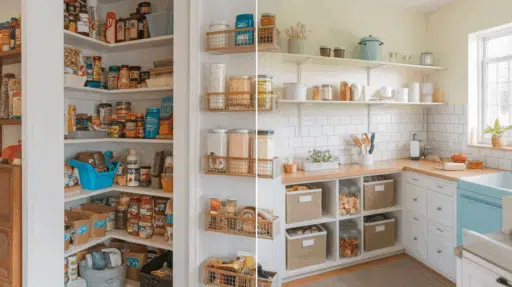
Is your pantry a cluttered mess that makes finding what you need a daily struggle? Imagine opening your pantry and instantly spotting everything you want—no more digging, no more expired food hiding in the back.
Setting up a pantry organization system can transform your kitchen, save you time, and even cut down on food waste. You’ll discover simple, practical steps to create a pantry that works for you. Ready to turn chaos into calm? Let’s get started.

Credit: apersonalorganizer.com
Assess Pantry Space
Organizing your pantry begins with understanding its space. Knowing how much room you have helps in planning effectively. Let’s explore how to assess your pantry space.
Measure Dimensions
Start by measuring the height, width, and depth of your pantry. Use a tape measure for accuracy. These numbers will guide your storage solutions.
- Measure the width from wall to wall.
- Measure the height from floor to ceiling.
- Measure the depth from front to back.
Identify Storage Zones
Divide your pantry into zones for different types of items. This makes finding things easier. Think about how you use the space.
- Top shelves for less-used items
- Middle shelves for daily essentials
- Lower shelves for heavy items
Evaluate Existing Items
Check what you already have in your pantry. This helps you decide what to keep, donate, or discard. Knowing what’s there prevents overbuying.
- Look for expired items
- Note items you rarely use
- Group similar items together
Choose Storage Solutions
Organizing your pantry starts with choosing the right storage solutions. Good storage helps keep food fresh and easy to find.
Pick storage options that fit your space and needs. This makes your pantry neat and efficient.
Select Containers
Clear containers help you see what is inside quickly. Use containers with airtight lids to keep food fresh.
Choose containers in different sizes for various food types. Stackable containers save space and look tidy.
- Use glass or BPA-free plastic containers
- Pick airtight lids to protect food
- Label containers for easy identification
- Stack containers to maximize space
Use Baskets And Bins
Baskets and bins group similar items together. They make it easier to pull out and put back pantry items.
Choose baskets or bins that fit your shelves. Use them for snacks, packets, or baking supplies.
- Use wire or plastic baskets for durability
- Label baskets to find items faster
- Choose bins with handles for easy access
- Group items by type or use
Incorporate Shelving
Shelves give you more space to store items. Adjustable shelves let you change heights for bigger containers.
Use extra shelves to separate food types. This keeps your pantry organized and easy to clean.
- Install adjustable shelves for flexibility
- Use shelf risers to create more levels
- Keep heavy items on lower shelves
- Place frequently used items at eye level
Sort And Categorize Items
Sorting and categorizing pantry items is the first step to a neat pantry. It helps you find things quickly and saves space.
Taking time to organize your pantry makes cooking easier and reduces food waste.
Group Similar Products
Put items that are alike together. This way, you can see what you have and what you need.
Keep baking supplies, canned goods, snacks, and spices in separate areas. Use bins or baskets to hold small items.
- Group canned vegetables and fruits
- Keep all baking ingredients in one place
- Store snacks like chips and crackers together
- Put spices and seasonings on a rack or in a drawer
Check Expiration Dates
Look at the dates on your food packages. Expired items should be thrown away to stay safe.
Place items with the closest expiration date in front. Use these first to avoid waste.
- Check dates on cans, jars, and boxes
- Remove expired products immediately
- Use older items before newer ones
Decide What To Keep
Only keep foods you use regularly and are not expired. Donate or toss things you won’t eat.
Clear out duplicates or items you forgot about. A tidy pantry means less clutter and more space.
- Keep items you use often
- Donate unopened goods you won’t eat
- Throw away damaged or expired packages
- Limit duplicates to save space

Credit: shopping.yahoo.com
Label Everything
Labeling your pantry helps you find items quickly. It keeps your space neat and organized.
Clear labels prevent confusion and save time when cooking or shopping.
Pick Labeling Tools
Choose tools that are easy to use and read. You can use stickers, tags, or a label maker.
Waterproof labels last longer in the pantry. Use permanent markers or printed labels for clarity.
- Label maker for neat, uniform text
- Chalkboard labels for reusable options
- Printable sticker sheets for custom designs
- Permanent markers for simple tags
Create Clear Labels
Use simple words that describe the contents. Avoid long sentences or confusing terms.
Include important details like expiration dates or serving sizes if needed.
- Use large, easy-to-read fonts
- Write item names clearly
- Add dates or notes when helpful
- Use contrasting colors for visibility
Place Labels Strategically
Put labels where you can see them without moving items. Front and center works best.
Label containers, shelves, and bins to keep everything easy to find and return.
- Place labels on container fronts
- Use shelf edges for category labels
- Label tops of clear bins for quick ID
- Keep labels at eye level if possible
Arrange Items For Access
Organizing your pantry helps you find items fast. Proper arrangement saves time and reduces waste.
Focus on placing items where you can reach them easily. Group similar things together for quick access.
Place Frequently Used Items
Put the foods and tools you use daily at eye level. This makes grabbing them quick and easy.
Keep snacks, spices, and cooking oils within arm’s reach. Avoid stacking items in front of them.
- Use clear containers for visibility
- Store small items in baskets or bins
- Label shelves to know where things go
Store Bulk Items Efficiently
Keep large packages on lower shelves to avoid accidents. Bulk items take more space, so plan well.
Use airtight containers to keep bulk foods fresh. Stack containers neatly to save room.
- Choose containers with measuring marks
- Group similar bulk items together
- Label containers with contents and dates
Organize By Meal Types
Arrange pantry items by how you cook meals. Group breakfast, lunch, and dinner items separately.
This setup helps you grab all needed ingredients fast. It also prevents buying duplicates.
- Keep baking items together
- Group canned goods by type
- Place snacks in one area
Maintain The System
Keeping your pantry organized takes regular care. Maintaining the system helps you save time and avoid waste.
Simple habits make it easy to keep your pantry neat and useful every day.
Regularly Review Stock
Check your pantry often to see what items you have. This helps you avoid buying duplicates or letting food expire.
Keep a list of items running low so you know what to buy next time.
- Look for expired or stale products
- Note items that you use up quickly
- Update your shopping list based on stock
Clean Pantry Periodically
Clean your pantry every few weeks to keep it fresh and tidy. Wipe shelves and remove crumbs or spills.
Cleaning helps prevent pests and keeps your food safe to eat.
- Empty shelves before cleaning
- Use a mild cleaner or warm water
- Dry shelves completely before replacing items
Adjust Layout As Needed
Change your pantry layout to fit your needs. Move items that you use often to easy-to-reach places.
Rearranging your pantry keeps it practical and helps you find things fast.
- Place frequently used items at eye level
- Group similar items together
- Use containers or bins to keep things tidy

Credit: www.youtube.com
Frequently Asked Questions
What Are The First Steps In Pantry Organization?
Start by emptying your pantry completely. Clean all shelves thoroughly. Sort items by category and discard expired goods. This prepares your space for efficient organization.
How Do I Categorize Pantry Items Effectively?
Group similar items like canned goods, grains, and snacks. Use clear bins or labels to separate categories. This method saves time and keeps your pantry tidy.
What Storage Containers Work Best For Pantries?
Use airtight, stackable containers for grains and snacks. Clear containers help identify contents quickly. Choose durable materials to maintain freshness and reduce clutter.
How Can I Maximize Small Pantry Space?
Utilize vertical storage with shelves or hanging racks. Use door organizers for spices or small items. Keeping items visible and accessible optimizes limited space.
Conclusion
A well-organized pantry makes cooking and shopping easier. Clear labels and containers help find items fast. Group similar foods to save space and time. Keep snacks, grains, and spices in separate spots. Regularly check for expired or unused products. A tidy pantry reduces stress and waste.
Small steps create big changes in your kitchen. Start organizing today for a smoother daily routine. Your pantry will thank you with order and ease.