

Your kitchen should be the safest place in your home, but did you know that harmful bacteria can hide right on your surfaces? These invisible threats can cause food poisoning and put your health at risk.
The good news is, you have the power to stop them. By learning simple and effective ways to prevent bacterial contamination, you can keep your kitchen clean and your family safe. Keep reading, and discover easy steps you can take today to protect your home from harmful germs.
Common Sources Of Bacteria In Kitchens
Kitchens can harbor many bacteria if not cleaned properly. Knowing the common sources helps in preventing contamination.
Understanding these sources will keep your kitchen safer for preparing meals.
Raw Foods And Cross-contamination
Raw foods like meat and eggs can carry harmful bacteria. These bacteria can spread easily on kitchen surfaces.
Cross-contamination happens when bacteria from raw foods get onto other foods. This often occurs through cutting boards and knives.
- Use separate cutting boards for raw meat and vegetables.
- Wash knives and utensils after handling raw foods.
Dirty Sponges And Cloths
Sponges and cloths can hold bacteria if not cleaned often. They spread bacteria when used on kitchen surfaces.
Make sure to replace sponges regularly. Wash cloths in hot water to kill germs.
- Microwave sponges for one minute to disinfect.
- Launder kitchen cloths frequently.
Unclean Hands And Utensils
Unwashed hands transfer bacteria to kitchen surfaces. Utensils can also spread bacteria if not washed properly.
Always wash your hands before and after handling food. Clean utensils thoroughly after use.
- Scrub hands for at least 20 seconds with soap.
- Use hot, soapy water for washing utensils.
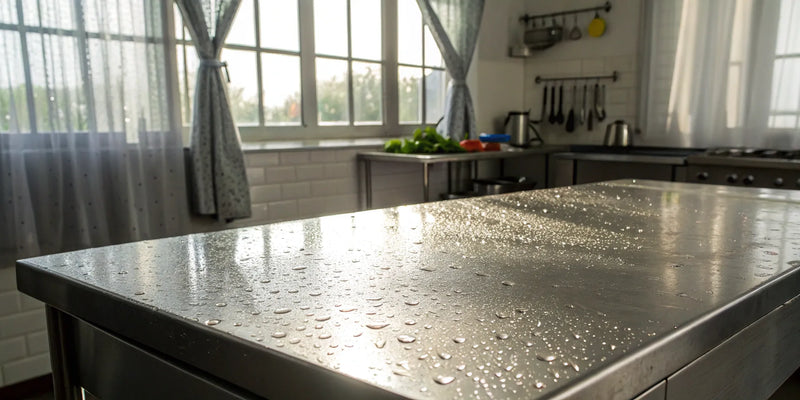
Credit: therestaurantwarehouse.com
Effective Cleaning Techniques
Keeping kitchen surfaces clean stops bacteria from spreading. It helps keep your family safe and healthy.
Using the right cleaning methods removes germs and dirt well. This guide shows how to clean kitchen surfaces properly.
Choosing The Right Cleaning Agents
Pick cleaning agents that kill bacteria and are safe for kitchen use. Avoid harsh chemicals that can damage surfaces.
Look for products labeled as antibacterial or disinfectants. Natural options like vinegar and baking soda also help clean well.
- Use disinfectants approved for kitchen surfaces
- Avoid bleach on wood or porous materials
- Try natural cleaners for delicate surfaces
- Read labels to ensure safety and effectiveness
Proper Surface Scrubbing Methods
Scrub surfaces gently but firmly to remove dirt and germs. Use clean cloths or sponges that do not spread bacteria.
Scrub in circular motions and focus on corners and edges. Change cloths often and rinse sponges to avoid germs.
- Use separate cloths for different areas
- Scrub all visible dirt and stains
- Rinse cloths and sponges after use
- Dry surfaces with a clean towel to prevent moisture
Frequency Of Cleaning
Clean kitchen surfaces daily to stop bacteria build-up. Wipe spills immediately to prevent germs from spreading.
Deep clean surfaces weekly using disinfectants. Pay extra attention after handling raw meat or eggs.
- Wipe counters and tables every day
- Disinfect cutting boards after each use
- Clean sink and faucet areas daily
- Deep clean all surfaces once a week
Disinfecting Kitchen Surfaces
Keeping kitchen surfaces clean helps stop bacteria from spreading. Disinfecting removes germs that cause illness.
Use safe disinfectants and proper methods to protect your family and food.
Types Of Disinfectants
Disinfectants kill germs on surfaces. Some work better in kitchens than others.
- Bleach solutions: Strong and fast but must be used carefully.
- Alcohol-based sprays: Good for quick disinfection on small areas.
- Quaternary ammonium compounds: Safe for food areas and effective.
- Hydrogen peroxide: Kills many germs and is eco-friendly.
Safe Application Practices
Always follow the instructions on disinfectant labels. Use gloves to protect your skin.
Clean surfaces first with soap and water before disinfecting. Avoid mixing chemicals.
- Wear gloves and ventilate the area well.
- Remove food and utensils before applying disinfectant.
- Use a clean cloth or spray to apply evenly.
- Store disinfectants out of reach of children.
Allowing Proper Contact Time
Disinfectants need time to kill bacteria. Wiping too soon lowers their effect.
Check the product label for the recommended contact time. Keep the surface wet during this time.
- Bleach: Usually 1 to 5 minutes.
- Alcohol sprays: About 30 seconds to 1 minute.
- Quaternary ammonium: Around 10 minutes.
- Hydrogen peroxide: Typically 1 to 10 minutes.

Credit: us.cleadeep.com
Maintaining Hygiene Habits
Keeping kitchen surfaces clean stops bacteria from spreading. Good hygiene lowers the risk of food poisoning.
Simple habits help protect your family and keep your kitchen safe.
Hand Washing Tips
Washing hands often removes germs that cause illness. Use warm water and soap for at least 20 seconds.
Dry hands with a clean towel or air dryer to avoid recontamination.
- Wash before and after handling food
- Clean after touching raw meat or eggs
- Use a nail brush to clean under nails
- Avoid touching face or hair while cooking
Safe Food Handling
Keep raw and cooked foods separate to stop cross-contamination. Use different cutting boards for meats and vegetables.
Store food at safe temperatures. Clean surfaces after preparing raw food to kill bacteria.
- Wash fruits and vegetables before use
- Cook meat to the correct temperature
- Keep leftovers refrigerated quickly
- Use clean containers for food storage
Regularly Replacing Cleaning Tools
Sponges and cloths collect germs easily. Replace them often to keep kitchen surfaces clean.
Use fresh cleaning tools to avoid spreading bacteria from one surface to another.
- Change kitchen sponges every week
- Wash dishcloths daily with hot water
- Use separate cloths for dishes and counters
- Replace mop heads and brushes regularly
Using Kitchen Tools Safely
Keeping kitchen tools clean helps stop bacteria from spreading. Use your tools carefully to keep your food safe.
Follow good habits to protect your kitchen surfaces and avoid contamination.
Sanitizing Cutting Boards And Knives
Clean cutting boards and knives after every use. Use hot, soapy water to wash them well.
Sanitize with a solution of one tablespoon bleach in one gallon of water. Let them air dry to kill germs.
- Wash with hot, soapy water
- Rinse thoroughly
- Sanitize with bleach solution
- Air dry completely
Avoiding Cross-use Of Utensils
Use separate utensils for raw and cooked foods. This stops harmful bacteria from spreading.
Label or color-code your tools to keep them organized and avoid mixing them up.
- Use different knives for meat and vegetables
- Keep separate spoons for tasting and cooking
- Do not reuse cutting boards without cleaning
Storage Practices To Prevent Bacteria
Store knives and cutting boards in a clean, dry place. Avoid damp areas where bacteria grow fast.
Keep kitchen tools off the counter and use holders or racks. This helps air flow and keeps tools dry.
- Dry tools completely before storing
- Use racks or holders for air circulation
- Keep tools away from raw food storage
Monitoring And Managing Kitchen Environment
Keeping kitchen surfaces clean helps stop bacteria from growing. Watching the kitchen environment is key to safe food handling.
Small changes in moisture, air flow, and cleanliness can reduce germs. Careful control keeps your kitchen healthy.
Controlling Moisture And Humidity
Bacteria grow well in wet places. Keep kitchen surfaces dry to lower this risk.
Use cloths to wipe spills quickly. Fix leaks in pipes and sinks fast.
- Dry surfaces after cleaning
- Store wet cloths in dry areas
- Use dehumidifiers if air feels damp
Proper Ventilation
Good air flow helps stop moisture and bacteria build-up. Keep kitchen air fresh with vents and fans.
Open windows or use exhaust fans when cooking. This removes steam and reduces dampness.
- Check ventilation systems often
- Clean fan filters regularly
- Use air purifiers if needed
Regular Inspection And Maintenance
Check kitchen surfaces and equipment often. Look for dirt, damage, or wet spots that hold bacteria.
Fix problems quickly to keep the kitchen safe. Clean tools and surfaces every day.
- Inspect counters and sinks for cracks
- Replace worn cutting boards
- Schedule routine cleaning and repairs

Credit: www.homesandgardens.com
Frequently Asked Questions
How Often Should Kitchen Surfaces Be Cleaned To Prevent Bacteria?
Kitchen surfaces should be cleaned daily to reduce bacterial buildup. Use warm soapy water for routine cleaning. Disinfect surfaces after handling raw meat or produce to kill harmful bacteria effectively.
What Are The Best Disinfectants For Kitchen Surfaces?
Use EPA-approved disinfectants or a bleach solution to kill bacteria on kitchen surfaces. Avoid harsh chemicals that can damage surfaces. Always follow manufacturer instructions for safe and effective use.
Can Cross-contamination Be Prevented On Kitchen Surfaces?
Yes, cross-contamination is preventable by using separate cutting boards for raw meat and vegetables. Clean and disinfect surfaces between tasks. Wash hands regularly to avoid transferring bacteria.
Is It Necessary To Use Gloves When Cleaning Kitchen Surfaces?
Wearing gloves protects your hands from chemicals and reduces bacterial spread. Change gloves frequently and wash hands after removing them. Gloves are an extra precaution but proper cleaning is essential.
Conclusion
Keeping kitchen surfaces clean stops bacteria from spreading. Use soap and hot water to wash surfaces often. Dry surfaces well to avoid germs growing. Always clean cutting boards and knives after use. Throw away spoiled food quickly to keep bacteria away.
Regular cleaning helps protect your family’s health. Small steps make a big difference in safety. Stay careful and keep your kitchen a safe place. Simple habits can prevent many health problems. Clean kitchens mean safer meals every day.