
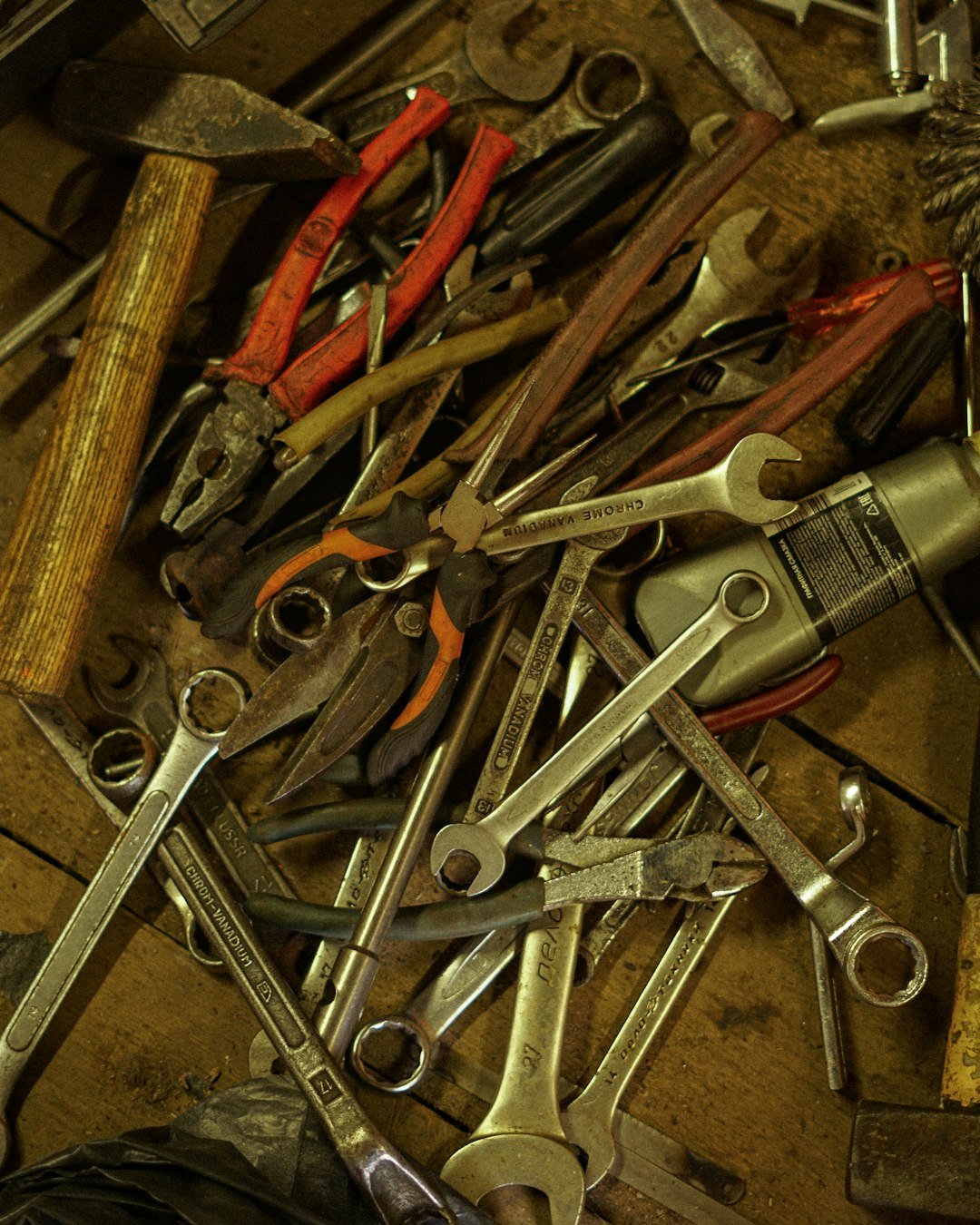
Are your cutting tools lying around, getting dull or rusty? How you store them can make a huge difference in how long they last and how well they work every time you pick them up.
Imagine grabbing your favorite knife or scissors, and they’re sharp and ready—no frustration, no wasted time. In this post, you’ll discover simple, smart tips that keep your cutting tools safe, sharp, and right where you need them. Ready to protect your tools and make your work easier?
Let’s dive in.
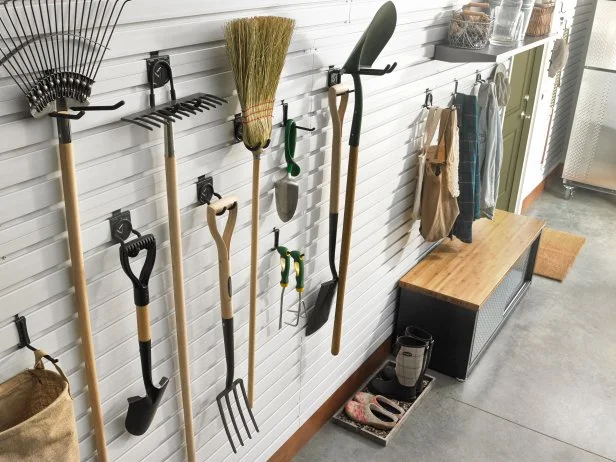
Credit: www.hgtv.com
Choosing The Right Storage
Storing cutting tools properly keeps them sharp and ready. It’s important to choose the right storage solution for your needs.
Consider the space you have and the type of tools you use. Different options provide different benefits.
Toolboxes And Cabinets
Toolboxes and cabinets protect tools from dust and moisture. They also keep tools organized and easy to find.
Choose a toolbox with separate compartments. This prevents tools from knocking into each other.
Magnetic Strips
Magnetic strips hold tools securely and visibly. They save space by using wall areas.
Place magnetic strips at a convenient height. This ensures easy access to your tools when needed.
Pegboards
Pegboards allow flexible tool arrangements. You can customize the layout to fit your needs.
Use hooks and pegs to hang different tools. This keeps them in sight and easy to reach.
Custom Storage Solutions
Custom storage solutions fit specific tool collections. They can be designed to fit unique spaces.
Consider building custom shelves or drawers. This maximizes your available space and keeps tools safe.
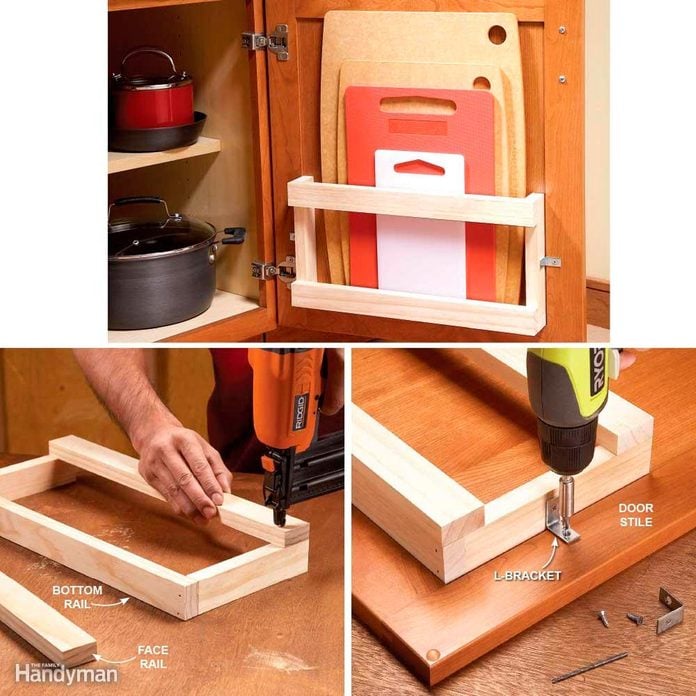
Credit: www.familyhandyman.com
Cleaning Before Storage
Cleaning your cutting tools before storing them keeps them sharp and safe. Dirt and moisture can cause damage over time.
Proper cleaning helps tools last longer and work better the next time you use them.
Removing Rust And Debris
Rust and debris reduce the tool’s effectiveness. Use a wire brush or sandpaper to remove rust gently.
Clean off dirt with a soft cloth or a brush before applying any protection.
- Use a wire brush for heavy rust
- Use sandpaper for light rust spots
- Brush off dirt with a soft brush
- Wipe tools clean with a dry cloth
Drying Tools Properly
Water causes rust if tools stay wet. Dry tools completely before storing them.
Use a clean towel or cloth to dry each tool. Let tools air dry in a warm place if needed.
- Wipe tools with a dry cloth
- Air dry tools in a warm spot
- Avoid storing tools while damp
Using Protective Coatings
Apply a thin layer of oil or protective spray to stop rust. This coating keeps moisture away.
Use light machine oil or special rust-preventive sprays designed for tools.
- Apply oil with a clean cloth
- Cover all metal surfaces
- Store tools in a dry place
Organizing For Easy Access
Keeping your cutting tools organized helps you find them quickly. It saves time and keeps your workspace safe.
Good storage also protects your tools from damage. Use smart organizing tips to keep everything neat.
Grouping By Type
Sort cutting tools by their type. This makes it easier to find the right tool fast.
Keep scissors, knives, and blades in separate groups. This prevents confusion and saves time.
- Separate scissors from knives
- Group blades by size or use
- Store specialty tools apart
Labeling Storage Areas
Use clear labels on storage bins and shelves. Labels help you and others find tools easily.
Label both the container and the tool’s spot on the shelf. This reduces mistakes and saves time.
- Use large, readable labels
- Label by tool type or size
- Update labels when you change storage
Maintaining Order Regularly
Check your cutting tools often to keep them organized. Put tools back after use to keep order.
Regular cleaning and reorganization help prevent clutter. This keeps tools in good shape and easy to find.
- Set a weekly schedule to tidy up
- Inspect tools for damage
- Rearrange storage if needed
Controlling Environment
Storing cutting tools properly helps keep them sharp and safe. The right environment stops damage and rust.
Controlling humidity, temperature, and sunlight protects the tools. These factors affect tool life and performance.
Humidity Control
High humidity causes metal tools to rust quickly. Low humidity keeps tools dry and safe from corrosion.
Use a dehumidifier in storage rooms. Silica gel packs also absorb moisture inside toolboxes.
- Keep humidity below 50%
- Store tools in sealed containers
- Check moisture levels often
- Use rust inhibitors if needed
Temperature Considerations
Extreme heat or cold can damage cutting tools. Metal may warp or become brittle with temperature changes.
Store tools in a place with stable, moderate temperature. Avoid areas near heaters or air conditioners.
- Keep temperature between 60°F and 75°F (16°C to 24°C)
- Avoid sudden temperature changes
- Use insulated storage if needed
- Monitor temperature regularly
Avoiding Direct Sunlight
Sunlight can heat tools and cause damage. UV rays may weaken plastic or wooden handles.
Store cutting tools in shaded or dark places. Use covers or boxes to block sunlight exposure.
- Keep tools away from windows
- Use curtains or blinds in storage rooms
- Cover tools with cloth or cases
- Check for sun damage regularly
Regular Maintenance Tips
Keeping cutting tools in good shape helps them last longer. Regular care stops damage and keeps tools sharp.
Follow simple steps to maintain your tools. These steps include sharpening, checking for damage, and planning routine checks.
Sharpening And Lubricating
Sharp tools cut better and safer. Dull blades slow work and can cause accidents. Lubricating stops rust and keeps parts moving.
Use the right tools to sharpen blades. Oil or grease should be applied to joints and moving parts.
- Sharpen blades with a whetstone or sharpener
- Apply a thin layer of oil on metal surfaces
- Lubricate hinges and joints regularly
- Wipe off extra oil to avoid dirt buildup
Inspecting For Damage
Look over your tools often for cracks, chips, or rust. Damage can make tools unsafe or less effective.
Check handles and blades carefully. Replace or repair any broken parts to avoid accidents.
- Examine blades for nicks or rust spots
- Check handles for cracks or looseness
- Make sure all screws and bolts are tight
- Remove rust with a wire brush if needed
Scheduling Routine Checks
Set a regular time to check your cutting tools. This stops small problems from becoming big ones.
Keep a maintenance log to track when tools were last sharpened or inspected. This helps keep tools in top shape.
- Inspect tools weekly or after heavy use
- Sharpen blades monthly or as needed
- Lubricate moving parts every few weeks
- Record all maintenance activities in a log
Safety Precautions
Storing cutting tools safely is very important. It helps prevent accidents and injuries at home or work.
Following safety rules keeps you and others safe around sharp tools. Proper care and storage are key.
Proper Handling
Always hold cutting tools by their handles. Avoid touching the sharp edges to stop cuts.
Use protective gloves if needed. Never rush when using or moving tools with sharp blades.
Secure Storage For Sharp Tools
Keep cutting tools in a safe place where they cannot fall or cause harm. Use holders or racks made for sharp objects.
Store blades covered or sheathed to protect the edges and hands. Keep tools dry to avoid rust.
- Use toolboxes with compartments
- Hang tools on wall racks with blade guards
- Keep knives in blade covers or knife blocks
- Check storage spots regularly for damage
Childproofing Storage Areas
Store cutting tools out of children’s reach and sight. Use locks or childproof latches on cabinets and drawers.
Explain to children that sharp tools are not toys. Keep storage areas organized to spot missing tools easily.
- Install cabinet locks or safety latches
- Place tools on high shelves
- Use locked toolboxes or storage bins
- Teach children about tool dangers

Credit: www.hgtv.com
Frequently Asked Questions
How Should Cutting Tools Be Stored To Prevent Rust?
Store cutting tools in a dry, cool place to avoid moisture. Use rust inhibitors or silica gel packs. Clean and oil tools before storage to prevent corrosion and extend tool life.
What Is The Best Way To Organize Cutting Tools?
Use tool racks, magnetic strips, or dedicated drawers for organization. Label compartments to find tools quickly. Proper organization reduces damage and improves workspace efficiency.
Can Improper Storage Damage Cutting Tools?
Yes, improper storage can dull blades and cause rust. Tools stored loosely may chip or break. Always store tools securely to maintain sharpness and safety.
How Often Should Cutting Tools Be Cleaned Before Storage?
Clean cutting tools after every use. Remove debris, dust, and moisture. Regular cleaning prevents rust and ensures tools stay in optimal condition.
Conclusion
Storing cutting tools properly keeps them sharp and safe. Use dry, clean places to stop rust and damage. Organize tools by size and type for easy access. Regularly check tools for wear and clean them well. Good storage saves money and time in the long run.
Take care of your tools, and they will last longer. Simple steps make a big difference in tool care. Keep your workspace neat and tools ready for use.