
Is your refrigerator a cluttered mess that makes finding what you need a daily struggle? You’re not alone.
A well-organized fridge can save you time, reduce food waste, and even help you eat healthier. Imagine opening your refrigerator and instantly spotting everything you need without digging through piles of containers. You’ll discover simple, practical tips to organize your refrigerator shelves like a pro.
By the end, your fridge will not only look neat but work smarter for you every day. Keep reading to transform your kitchen and make your life easier!

Credit: gracefulorder.com
Maximize Vertical Space
Organizing your refrigerator can save time and reduce food waste. One effective way to organize is by maximizing vertical space.
Vertical organization helps you fit more items and keeps everything visible. Here are some tips to get started.
Use Adjustable Shelves
Adjustable shelves let you customize your refrigerator space. Move shelves to fit tall bottles or bulky containers.
Rearranging shelves can help you organize food by size. This makes it easier to find items quickly.
- Move shelves to fit taller items.
- Create a space for short containers.
- Use all available height in your fridge.
Stack With Clear Containers
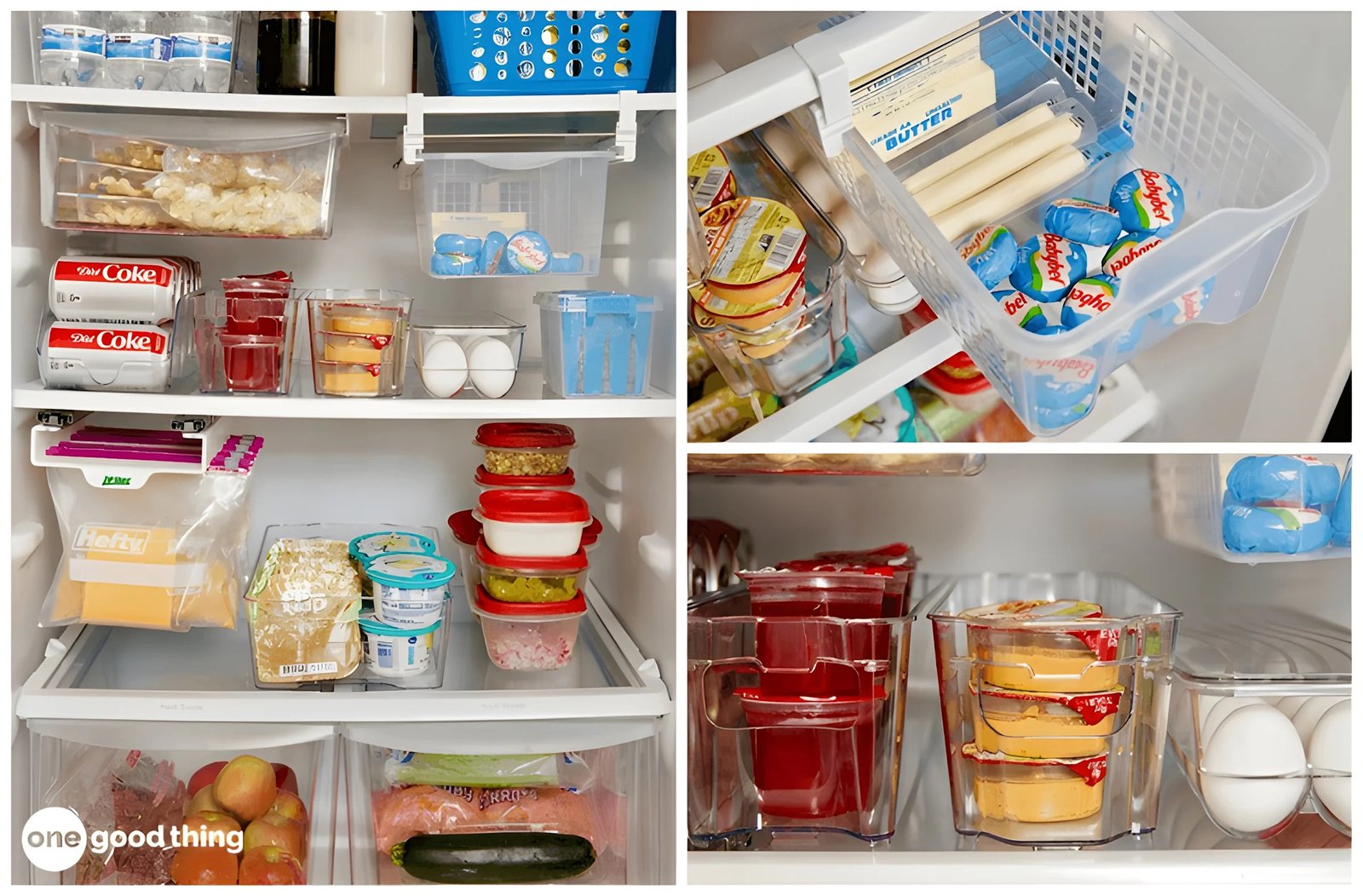
Clear containers let you see food without opening them. Stack them to use vertical space efficiently.
Label containers for easy identification. This keeps your fridge tidy and organized.
- Use stackable containers to save space.
- Choose clear containers for visibility.
- Label containers to know what is inside.
Group Similar Items
Organizing your refrigerator shelves by grouping similar items helps you find things faster. It also keeps food fresh longer.
When you group items, you can see what you have and avoid buying duplicates. This saves money and reduces waste.
Create Zones For Dairy And Meat
Keep dairy and meat in separate zones to avoid cross-contamination. Use the coldest shelves for meat to keep it safe.
Dairy products like milk, cheese, and yogurt should be stored together on a middle or upper shelf. This keeps them at a steady temperature.
- Meat on the bottom shelf to prevent drips
- Dairy on middle or upper shelves for easy access
- Use clear bins to separate different types
Designate Areas For Fruits And Vegetables
Fruits and vegetables need different storage spaces because they release gases that affect each other. Keep them apart to stay fresh longer.
Use drawers or bins labeled for fruits and others for vegetables. This helps you grab what you need quickly.
- Store fruits in a cool, ventilated drawer
- Keep vegetables in a humid drawer to prevent drying
- Check and remove spoiled items often
Utilize Door Storage Wisely
The door shelves in your refrigerator are easy to reach. Use them to keep items you need often.
Organizing the door space well helps keep your fridge tidy and saves room on other shelves.
Store Condiments And Bottles
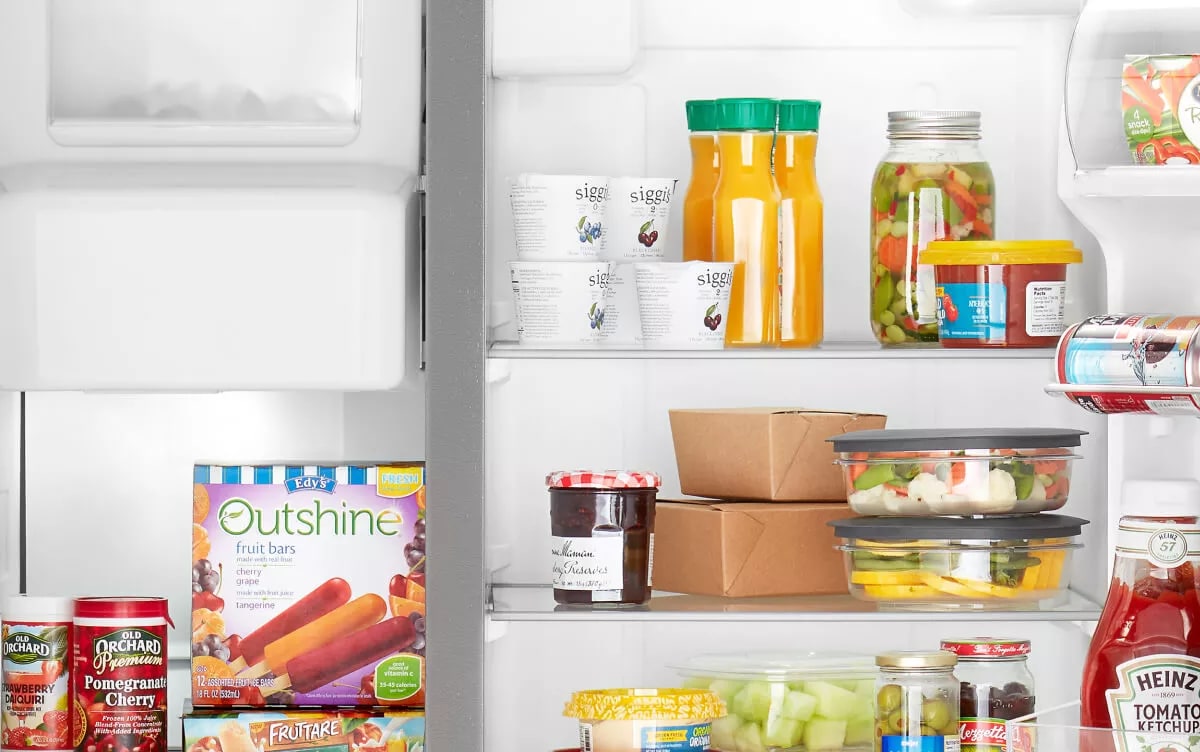
Door shelves are perfect for bottles and condiments. These items do not need very cold temperatures.
Keep ketchup, mustard, salad dressings, and sauces in the door to free up space inside.
- Store tall bottles like juice and soda on the bottom shelves.
- Keep small jars and condiment bottles on the upper shelves for easy access.
- Group similar items together to avoid clutter.
Avoid Perishables On Door Shelves
The door is the warmest part of the fridge. Avoid storing milk, eggs, or meat there.
Perishable items need consistent cold temperatures to stay fresh and safe to eat.
- Keep dairy products on middle or bottom shelves inside the fridge.
- Store eggs in their carton on a stable shelf, not the door.
- Place raw meat and fish on the coldest shelves below other foods.
Label And Date Everything
Keeping your refrigerator shelves organized helps you find items easily. Labeling and dating your food makes it clear what is inside. It also helps you use food before it goes bad.
This simple habit cuts down on waste and saves money. It keeps your fridge neat and safe to use every day.
Use Easy-to-read Labels
Use clear labels that you can see at a glance. Write the name of the food in big letters. Use a marker or printed labels for neatness.
Place labels on the front of containers or jars. This way, you do not have to move things to find out what is inside.
- Choose bright colors for labels
- Use large and simple fonts
- Stick labels on flat surfaces
- Use waterproof labels for moist areas
Keep Track Of Expiration Dates
Write the date you opened or cooked the food on each label. This helps you see which items go bad first. Use a calendar or app to track food dates if you want.
Check dates regularly and throw away expired food. Keeping track stops you from eating spoiled items and keeps your fridge fresh.
- Note the expiration date clearly
- Use “use by” or “open on” dates
- Place newer items behind older ones
- Clean out expired items weekly
Use Space-saving Containers
Organizing refrigerator shelves can be easier with the right containers. Space-saving containers help keep items neat and visible.
These containers make it simple to find what you need and reduce clutter inside your fridge.
Opt For Stackable Bins
Stackable bins use vertical space in your fridge. They let you store more items without making shelves messy.
Stackable bins also keep similar items together, so you can grab what you need quickly.
- Save shelf space by stacking containers
- Group fruits, veggies, or snacks in one bin
- Keep bins labeled for easy access
Choose Clear And Uniform Sizes
Clear containers show what is inside without opening them. This helps reduce food waste.
Using uniform container sizes makes stacking easier. Shelves stay tidy and organized this way.
- Clear containers help you see food quickly
- Uniform sizes fit well together on shelves
- Simple to clean and store when not in use
Keep Frequently Used Items Accessible
Organizing your refrigerator shelves well makes cooking and snacking easier. Keep the items you use often within reach.
This saves time and helps reduce food waste by reminding you to use what you have.
Place Snacks At Eye Level
Put snacks where you can see them without bending or reaching. This makes it easy to grab a quick bite.
Eye-level shelves are great for kids and adults who want a fast snack after school or work.
- Use clear containers to keep snacks visible.
- Group similar snacks together for quick selection.
- Rotate snacks so older ones are used first.
Store Cooking Ingredients Nearby
Keep cooking ingredients close to each other and near the fridge door or main prep area. This cuts down time while cooking.
Organize spices, oils, and sauces on a shelf or in a small bin for easy access.
- Place frequently used oils and sauces in front.
- Group spices and herbs in a small container.
- Use clear labels to find items fast.
Maintain Proper Temperature Zones
Organizing your refrigerator shelves helps keep food fresh longer. One key tip is to keep proper temperature zones.
Different areas in the fridge have different temperatures. Use this to store food safely and reduce waste.
Store Meat On Lower Shelves
The bottom shelves are the coldest part of the fridge. Store raw meat there to keep it fresh and safe.
This prevents meat juices from dripping onto other foods. It also slows bacteria growth and spoilage.
- Keep raw meat in sealed containers.
- Place meat on trays to catch drips.
- Use the bottom shelves for all raw protein.
Keep Vegetables In Crisper Drawers
Crisper drawers keep vegetables fresh by controlling humidity. Use them to store all your veggies.
High humidity helps leafy greens stay crisp. Low humidity is better for fruits and some vegetables.
- Store leafy greens in high humidity drawer.
- Keep fruits in low humidity to avoid mold.
- Separate fruits and vegetables to reduce spoilage.
Credit: creators.yahoo.com
Regularly Clean And Declutter
Keeping your refrigerator clean helps food stay fresh longer. It also makes it easier to find what you need.
Regular cleaning stops spills and bad smells. Removing clutter keeps your fridge organized and safe.
Remove Expired Items
Check all food items for expiration dates. Throw away anything that is past its date.
Expired food can cause bad odors and take up space. Removing them makes room for fresh groceries.
- Look at labels on jars, boxes, and containers
- Discard leftovers that are more than 3-4 days old
- Check fresh produce for mold or softness
- Throw away opened items that smell or look strange
Wipe Down Shelves And Drawers
Remove all items before cleaning shelves and drawers. Use warm, soapy water for wiping surfaces.
Dry shelves and drawers before placing items back. This prevents moisture buildup and keeps food fresh.
- Use a soft cloth or sponge to avoid scratches
- Clean spills immediately to prevent stains
- Disinfect surfaces with a mild solution if needed
- Clean door seals and handles as well
Credit: www.whirlpool.com
Frequently Asked Questions
How Do I Organize Refrigerator Shelves Efficiently?
Start by grouping similar items together. Use clear bins to separate foods. Label shelves for easy access. Regularly discard expired products to maintain order and freshness.
What Is The Best Way To Store Fruits And Vegetables?
Keep fruits and vegetables in separate crisper drawers. Store fruits that emit ethylene gas away from veggies. Use breathable bags to prevent moisture buildup and spoilage.
How Often Should Refrigerator Shelves Be Cleaned?
Clean refrigerator shelves at least once a month. Wipe spills immediately to prevent odors and bacteria. Use mild soap and warm water for safe cleaning.
Where Should Raw Meat Be Placed In The Fridge?
Place raw meat on the lowest shelf. This prevents juices from dripping onto other foods. Use a tray or container to avoid contamination.
Conclusion
Organizing your refrigerator shelves keeps food fresh and easy to find. Clean shelves regularly to avoid spills and odors. Use clear containers to see items quickly. Group similar foods together for faster meal prep. Label shelves or containers to stay organized.
Small changes create a big difference in fridge order. A neat fridge saves time and reduces food waste. Try these tips to keep your fridge tidy every day. Simple habits make kitchen life easier and more enjoyable.