
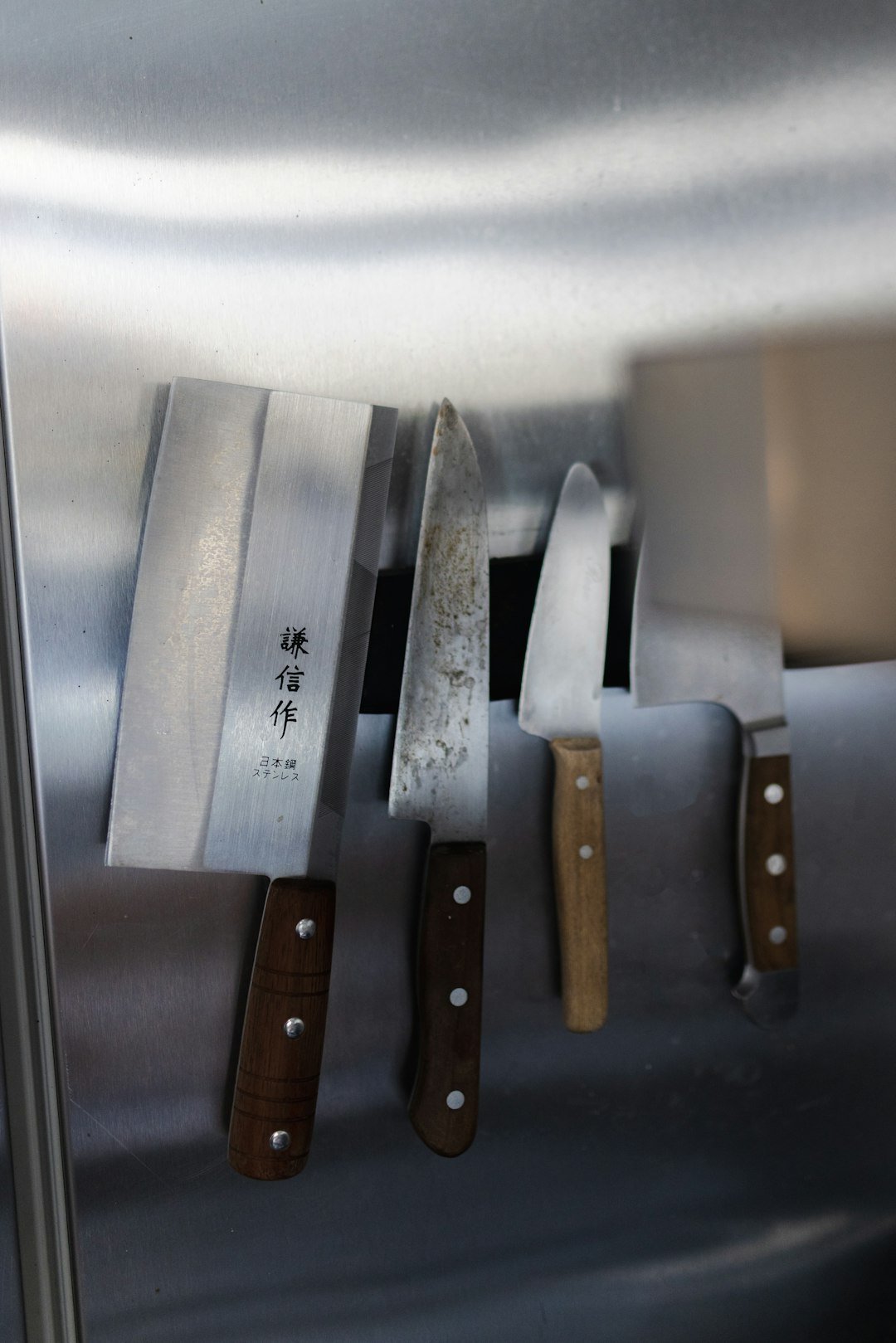
Knives and sharp tools are part of everyday life, whether in your kitchen, workshop, or garden. But without the right care, they can quickly turn from helpful to harmful.
You might think accidents won’t happen to you, yet one small slip can cause serious injury. That’s why knowing how to handle these tools safely is essential. You’ll discover simple, practical tips that keep you and those around you protected.
Keep reading to learn how a few smart habits can make all the difference when working with knives and sharp tools.

Credit: www.ignitedcutlery.com
Choosing The Right Knife
Handling knives and sharp tools safely starts with choosing the right one. The right knife makes tasks easier and safer.
Selecting the appropriate knife depends on the task at hand. Understanding the types of knives and their uses is important.
Types Of Knives And Tools
Different knives have different purposes. Knowing the types helps in choosing the right one.
- Chef’s Knife: Good for chopping and slicing.
- Paring Knife: Best for small, precise cuts.
- Serrated Knife: Ideal for cutting bread and soft items.
- Utility Knife: Versatile for various tasks.
- Boning Knife: Used for meat and fish.
Selecting Based On Task
Choose knives based on the task you need to perform. This enhances safety and efficiency.
Consider the material and size of the knife. A well-suited knife can make your work easier and safer.
- For cutting vegetables, use a chef’s knife.
- For peeling fruits, choose a paring knife.
- For slicing bread, opt for a serrated knife.
- For deboning meat, a boning knife is best.

Credit: www.youtube.com
Proper Grip And Handling
Using knives and sharp tools safely starts with how you hold them. A proper grip gives you control and reduces accidents.
Knowing the right way to handle these tools helps you work better and stay safe.
Safe Holding Techniques
Hold the knife handle firmly but not too tight. This keeps your hand steady without causing strain.
Use your thumb and index finger to grip the blade’s base for better control. Keep other fingers wrapped around the handle.
- Keep your fingers away from the sharp edge
- Hold the tool close to the blade for precision
- Use a cutting board to support the item you cut
Avoiding Common Mistakes
Do not hold the knife too loosely. This can make the blade slip and cause injury.
Avoid using your hand to catch falling knives. This is very dangerous and can lead to cuts.
- Never point the knife toward yourself
- Do not use a dull blade; it requires more force
- Avoid distractions while using sharp tools
Safe Cutting Practices
Handling knives and sharp tools safely is important to avoid injuries. Using the right techniques helps keep you and others safe.
Always focus on how you cut. Careful cutting habits reduce accidents and make your work easier.
Cutting Away From The Body
Cutting away from your body lowers the risk of hurting yourself. Point the knife or tool away from your hands and legs.
Keep your fingers and other body parts out of the cutting path. This helps prevent cuts if the tool slips.
- Hold the tool firmly and cut outward.
- Do not cut towards your hand or fingers.
- Stay focused on the cutting direction.
Using Stable Surfaces
Always cut on a stable surface. This stops the tool from slipping and causing injuries.
Use cutting boards or mats that do not move easily. Make sure the surface is flat and secure before cutting.
- Place a damp cloth under the board to stop sliding.
- Check the surface is clean and dry.
- Do not cut on unstable or uneven surfaces.
Credit: www.victorinox.com
Maintenance And Storage
Keeping knives and sharp tools in good shape is important for safety. Proper care helps avoid accidents and keeps tools ready to use.
This guide covers how to sharpen your tools and store them safely. Follow these tips to protect yourself and your equipment.
Regular Sharpening Tips
Dull knives can slip and cause injuries. Sharpen your blades often to keep them sharp and safe.
Use the right tools to sharpen, like whetstones or sharpening rods. Keep the angle steady while sharpening.
- Clean the blade before sharpening
- Sharpen both sides evenly
- Test sharpness carefully after sharpening
- Wear gloves to protect your hands
- Sharpen tools regularly, not just when dull
Safe Storage Solutions
Storing knives and sharp tools properly reduces accidents. Keep them away from children and pets.
Use holders, racks, or sheaths to keep blades covered and organized. Avoid loose storage where blades can get damaged.
- Store knives in a knife block or magnetic strip
- Use blade guards or sheaths for extra protection
- Keep tools in a locked drawer or cabinet
- Do not store knives loosely in drawers
- Label storage areas for easy identification
Protective Gear And Environment
Handling knives and sharp tools safely is very important. Using the right protective gear helps prevent injuries.
A safe environment supports careful work and lowers the risk of accidents. Keep your workspace clean and organized.
Using Gloves And Guards
Wear gloves made for handling sharp tools. They protect your hands from cuts and slips.
Use blade guards or covers when knives are not in use. This keeps blades safe and prevents accidents.
- Choose cut-resistant gloves for better protection
- Inspect gloves for damage before use
- Keep blade guards on knives when stored
- Replace guards if they are worn or broken
Ensuring A Safe Workspace
Keep your workspace clean and free of clutter. This helps you focus and avoid accidents.
Make sure your work area has good lighting. Clear visibility helps you handle sharp tools safely.
- Work on a stable, flat surface
- Store knives properly after use
- Keep tools dry to avoid slipping
- Remove distractions while cutting
Handling Accidents And First Aid
Knives and sharp tools can cause accidents if not handled carefully. Knowing how to respond quickly helps reduce injury severity.
First aid skills are important to manage cuts and wounds safely. This guide explains what to do after an accident.
Immediate Steps For Cuts
Stop the bleeding by applying gentle pressure with a clean cloth or bandage. Keep the injured area raised if possible.
Clean the wound gently with water to remove dirt. Avoid using strong chemicals or scrubbing the cut.
- Apply pressure to stop bleeding
- Wash the wound with clean water
- Cover the cut with a sterile bandage
- Keep the injured part elevated
- Avoid touching the wound with dirty hands
When To Seek Medical Help
See a doctor if the cut is deep, won’t stop bleeding, or shows signs of infection. Immediate care can prevent complications.
Also seek help if the cut is from a rusty or dirty object. You might need a tetanus shot or special treatment.
- Bleeding lasts more than 10 minutes
- Cut is deep or has jagged edges
- Signs of infection: redness, swelling, pus
- Loss of feeling or movement near the cut
- Cut caused by animal bite or dirty object
Frequently Asked Questions
How To Safely Hold Knives And Sharp Tools?
Always grip knives by the handle firmly. Keep fingers away from the blade. Use a stable cutting surface for control. Never hold a knife by the blade or point it toward yourself or others.
What Are The Best Storage Methods For Sharp Tools?
Store knives in a knife block or magnetic strip. Use blade guards or sheaths for extra protection. Avoid loose storage in drawers to prevent accidental cuts and blade damage.
How To Maintain Sharpness While Ensuring Safety?
Regularly sharpen blades using proper tools. Dull blades require more force and increase accident risk. Clean knives carefully by hand and dry immediately to prevent rust and maintain edge quality.
When Should You Replace Knives And Sharp Tools?
Replace knives when blades become chipped, cracked, or excessively dull. Unsafe knives can cause accidents. Inspect tools regularly and replace any showing significant wear or damage.
Conclusion
Safe handling of knives and sharp tools protects you and others. Always keep blades sharp and clean for better control. Store tools properly to avoid accidents. Focus fully when using sharp objects. Simple habits can prevent serious injuries. Practice these tips daily to stay safe.
Your careful actions make a big difference. Safety is a choice you can make every time. Keep these easy steps in mind and handle tools with care. Stay alert, stay safe.