
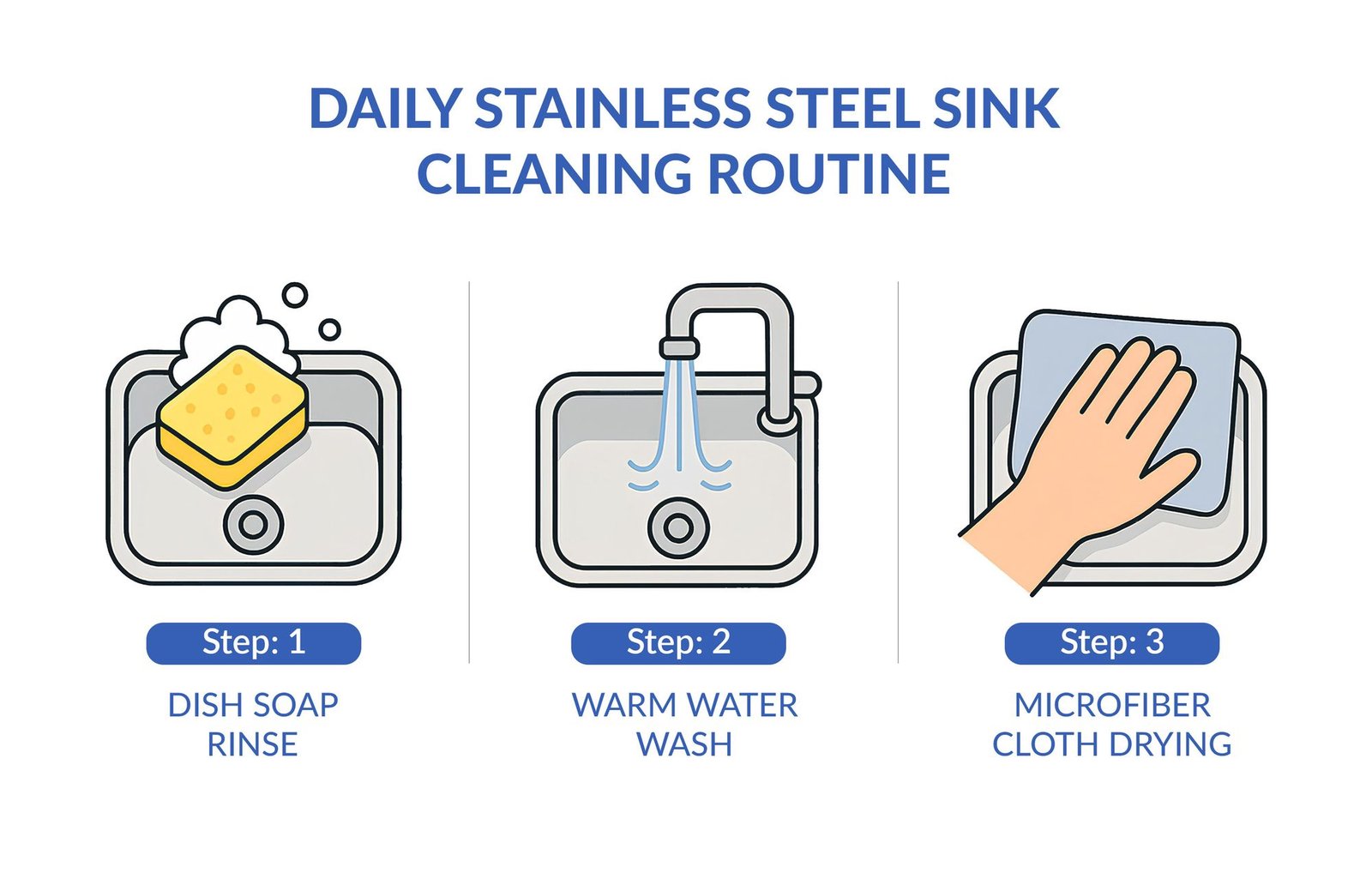
Your kitchen sink is a hotspot for germs and bacteria, even if it looks clean. Every day, you use it to wash dishes, rinse food, and handle leftovers.
If you don’t disinfect it properly, harmful microbes can build up and affect your health. But don’t worry—disinfecting your kitchen sink daily is easier than you think. You’ll discover simple, effective steps to keep your sink spotless and safe. By following these tips, you’ll protect your family and enjoy a fresher, cleaner kitchen every day.
Keep reading to learn how!
Why Disinfect Kitchen Sinks Matters
The kitchen sink is a common area for germs and bacteria. Cleaning it daily helps maintain a healthy home environment.
Neglecting to disinfect your sink can lead to the spread of harmful bacteria. This can affect your family’s health.
Preventing Bacteria Buildup
Bacteria can grow quickly in moist areas like sinks. Disinfecting daily stops this growth and keeps your kitchen safe.
- Use a disinfectant spray or solution
- Focus on the faucet and drain areas
- Rinse thoroughly after cleaning
Keeping Food Preparation Safe
We often use the sink during food prep. A clean sink reduces the risk of contaminating food with germs.
Washing fruits and vegetables in a clean sink ensures they remain free from harmful bacteria.
Improving Kitchen Hygiene
Regularly disinfecting the sink boosts overall kitchen hygiene. It helps keep the entire kitchen area clean.
- Use hot water to rinse the sink
- Dry the sink with a clean towel
- Dispose of cleaning materials properly
Protecting Family Health
A clean sink is essential for family health. It prevents the spread of illness-causing bacteria.
Daily disinfection is a simple step to ensure your family’s well-being.
Common Germs Found In Sinks
Kitchen sinks are a place where germs can easily grow. Food scraps, moisture, and warmth create a perfect home for bacteria.
Knowing the types of germs in sinks helps you clean better. This keeps your kitchen safe and healthy.
E. Coli
E. coli bacteria come from raw meat and dirty water. They can cause stomach pain and diarrhea if swallowed.
These germs live in sink drains and on faucet handles. They spread when you touch the sink and then your food.
Salmonella
Salmonella comes from raw chicken, eggs, and unwashed vegetables. It causes food poisoning with fever and cramps.
This germ grows in wet sink areas. It spreads when cleaning raw foods or washing hands without soap.
Staphylococcus Aureus
Staphylococcus aureus lives on skin and in noses. It can cause infections and food poisoning.
If you touch your face then the sink, the germs transfer. They can survive on wet surfaces for hours.
Listeria
Listeria comes from raw dairy products and deli meats. It causes serious illness in pregnant women and older adults.
This germ grows in cool, moist places like the sink area. It spreads when you rinse contaminated food or containers.
Mold And Mildew
Mold and mildew grow in damp sink areas. They cause bad smells and can trigger allergies.
These fungi spread quickly if the sink is not dried. They can damage surfaces and harm air quality.
Daily Cleaning Essentials
Keeping your kitchen sink clean every day stops germs from spreading. It helps keep your home safe and fresh.
Daily cleaning takes only a few minutes and uses simple tools and cleaners. Let’s learn how to do it right.
Choosing The Right Cleaner
Pick a cleaner that kills germs and removes dirt well. Avoid harsh chemicals that can harm your sink.
Natural cleaners like vinegar and baking soda work great. You can also use mild dish soap or store-bought disinfectants made for kitchens.
- White vinegar cleans and disinfects
- Baking soda removes stains and smells
- Mild dish soap cuts grease
- Kitchen-safe disinfectants kill bacteria
Tools You’ll Need
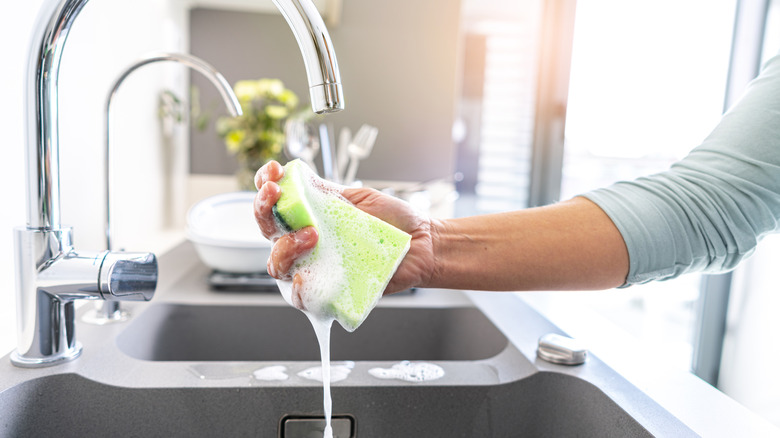
Use tools that help you clean the sink easily without scratching it. Soft tools work best for daily care.
- Soft sponge or cloth for wiping
- Old toothbrush to clean corners
- Spray bottle for applying cleaners
- Paper towels or clean cloth for drying
Having these tools ready makes cleaning quick and effective. They help reach all sink areas and keep surfaces smooth.
Credit: www.housedigest.com
Step-by-step Disinfection Process
Keeping your kitchen sink clean helps stop germs from spreading. Disinfecting the sink daily keeps it safe and fresh.
Follow these simple steps to disinfect your kitchen sink the right way every day.
Pre-cleaning The Sink
Start by removing food scraps and debris from the sink. Use warm water and dish soap to scrub the surface well.
Cleaning first helps the disinfectant work better and reach all areas.
- Clear out leftover food and particles
- Use a sponge or cloth with soap
- Scrub the sink’s basin, sides, and drain
- Rinse thoroughly with warm water
Applying Disinfectant
Choose a kitchen-safe disinfectant spray or solution. Spray or apply it evenly over the entire sink surface.
Make sure to cover all corners, the drain area, and faucet handles. Let the disinfectant sit for the time listed on the product label.
- Use a disinfectant made for kitchen use
- Apply evenly on all sink parts
- Don’t forget faucet handles and edges
- Wait the recommended contact time (usually 5-10 minutes)
Rinsing And Drying
After disinfecting, rinse the sink with clean water. This removes any leftover chemicals and dirt.
Dry the sink with a clean towel or let it air dry. Keeping the sink dry helps stop bacteria from growing.
- Rinse thoroughly with water
- Use a clean cloth to dry the sink
- Keep the area dry to prevent germs
Natural Disinfectant Alternatives
Cleaning your kitchen sink every day helps stop germs from spreading. Using natural disinfectants is safe and effective.
These alternatives are easy to find and gentle on surfaces. They keep your sink fresh without harsh chemicals.
Vinegar And Baking Soda
Vinegar kills many types of bacteria and removes odors. Baking soda scrubs away dirt and grime.
Use them together for a natural cleaning boost. Sprinkle baking soda in the sink, then spray vinegar.
- Let the mixture bubble for a few minutes
- Scrub the sink with a sponge or brush
- Rinse with warm water
Lemon Juice Benefits
Lemon juice has natural acid that kills germs and cuts through grease. It also leaves a fresh scent.
Rub lemon juice directly on the sink surface or mix it with water. Let it sit for a few minutes.
- Use lemon juice to brighten stainless steel
- Remove stains and water spots
- Freshen the sink naturally
Tips To Keep Sinks Germ-free Longer
Kitchen sinks can harbor many germs because of daily use. Cleaning and disinfecting your sink every day helps keep your kitchen healthy.
Using simple habits can stop germs from growing fast. These tips help your sink stay clean and safe longer.
Regular Maintenance Habits
Wipe your sink daily with soap and warm water. This removes food bits and dirt that attract germs.
Use a disinfectant spray or a mix of vinegar and water to kill bacteria. Let it sit for a few minutes before rinsing.
- Clean the sink drain and faucet handles often
- Dry the sink after cleaning to stop mold
- Use a sink strainer to catch food scraps
- Replace worn-out sponges or scrubbers regularly
Avoiding Cross-contamination
Keep raw meat and vegetables away from the sink when cleaning. This lowers the risk of spreading harmful germs.
Use separate cleaning tools for different kitchen tasks. This stops germs from moving from one area to another.
- Do not wash raw meat in the sink
- Use different cloths for dishes and surfaces
- Wash hands before and after handling food
- Clean cutting boards and knives after use
When To Deep Clean Your Sink
Keeping your kitchen sink clean is important for a healthy home. Daily cleaning helps, but deep cleaning is needed sometimes.
Deep cleaning removes stubborn germs and buildup that daily cleaning might miss. Knowing when to do it keeps your sink fresh and safe.
After Heavy Cooking Or Food Prep
When you cook large meals, your sink gets more dirty. Food bits and grease can build up fast.
Deep clean your sink after heavy cooking to stop germs from growing and to keep smells away.
If You See Stains Or Buildup
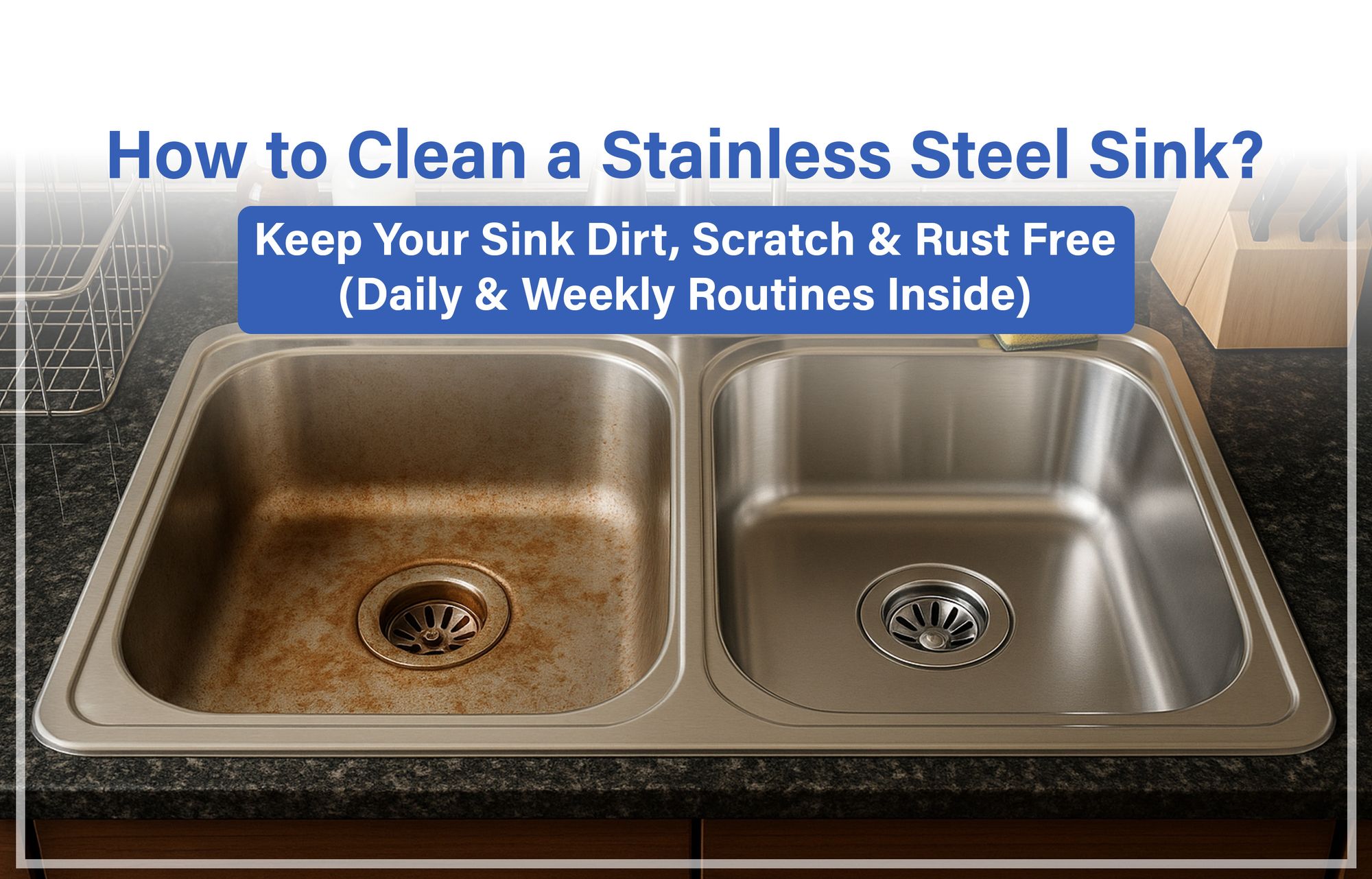
Stains or buildup show your sink needs a deep clean. These spots can hold bacteria and cause odors.
Cleaning deeply removes tough grime and keeps your sink looking nice.
When You Notice Bad Odors
Bad smells from your sink mean germs are growing. Daily cleaning might not fix this problem.
Deep cleaning kills odor-causing bacteria and refreshes your kitchen space.
After Illness In Your Household
If someone in your home was sick, deep clean your sink to stop germs from spreading.
This helps keep your kitchen safe and reduces the risk of more illness.
Weekly Or Biweekly Schedule
Even without visible dirt, deep clean your sink once a week or every two weeks. This keeps germs under control.
Set a regular time for deep cleaning to keep your sink healthy and shiny all the time.
Credit: www.dkhardware.com

Credit: www.aol.com
Frequently Asked Questions
How Often Should I Disinfect My Kitchen Sink Daily?
Disinfect your kitchen sink once daily to prevent bacteria buildup. Regular cleaning ensures a hygienic surface for food preparation and reduces health risks.
What Is The Best Disinfectant For Kitchen Sinks?
Use a bleach solution or white vinegar for effective disinfection. Both kill germs well and are safe when used properly in kitchen sinks.
Can I Use Natural Products To Disinfect My Sink?
Yes, natural products like vinegar and baking soda effectively disinfect sinks. They are safe, eco-friendly, and help remove odors and stains naturally.
Should I Rinse The Sink After Disinfecting?
Always rinse your sink thoroughly after disinfecting. This removes any chemical residue and prevents contamination of dishes or food prepared in the sink.
Conclusion
Daily sink cleaning keeps your kitchen fresh and safe. Use simple steps to remove germs and dirt. Clean sinks stop bacteria from spreading to food. Small effort every day saves big problems later. Keep your kitchen healthy with regular sink care.
Clean sinks make cooking and washing more pleasant. A clean kitchen sink means a cleaner home overall. Start today for a safer, cleaner kitchen space.