
Your countertops are one of the busiest spots in your home. Every day, they come into contact with food, hands, and countless germs.
If you want to keep your family healthy and your kitchen sparkling clean, it’s crucial to know how to keep those surfaces germ-free. You’ll discover simple and effective tips that make a big difference. Keep reading—you’ll learn easy habits that protect your home and give you peace of mind every time you prepare a meal.
:strip_icc()/7-1-2023BKB20195-1_preview-6bbece63b7c044d692e033b98597e545.png)
Credit: www.bhg.com
Daily Cleaning Habits
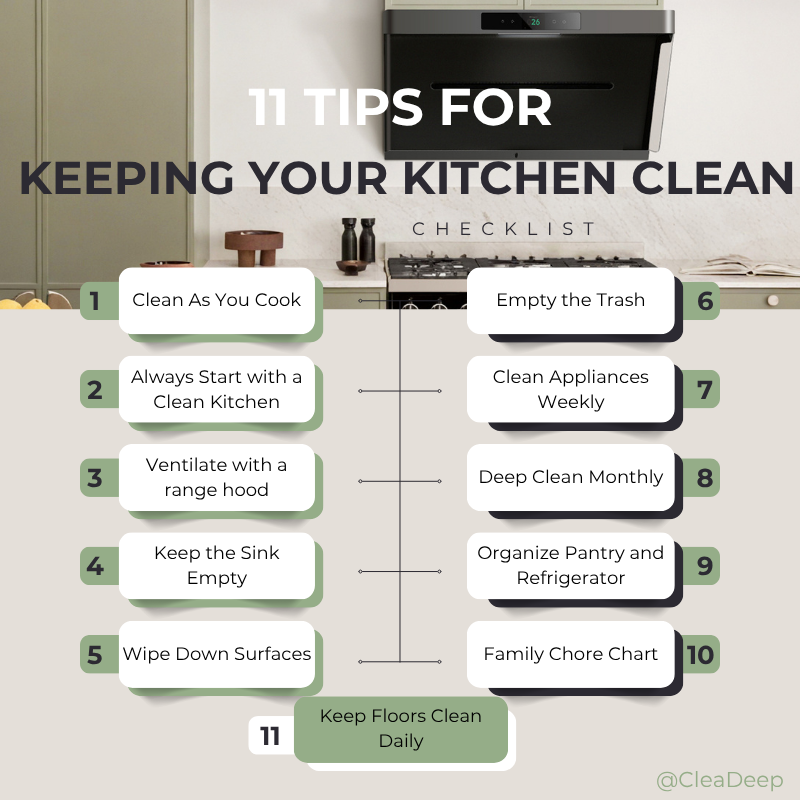
Keeping your countertops clean is important for a healthy home. Daily cleaning habits help prevent germs from spreading.
Simple actions each day can make a big difference. Let’s explore ways to keep your countertops germ-free.
Choosing The Right Cleaner
Picking the right cleaner is essential for effective cleaning. Some cleaners are better at killing germs than others.
Look for products labeled as disinfectants. Natural options include vinegar and baking soda. Always read the instructions.
- Check labels for disinfectant properties
- Consider natural cleaners like vinegar
- Follow usage instructions carefully
Effective Wiping Techniques
Wiping correctly ensures germs are removed. Use clean cloths or disposable wipes for best results.
Start from one end and move to the other. Overlap strokes to cover all areas.
- Use clean cloths or wipes
- Wipe from one end to the other
- Overlap strokes for complete coverage
Spotting High-touch Areas
Some areas are touched more often and need extra attention. Identify these spots for thorough cleaning.
Handles, edges, and corners collect germs easily. Clean these areas daily to prevent buildup.
- Focus on handles and edges
- Clean corners carefully
- Identify frequently touched spots
Deep Cleaning Methods
Keeping countertops germ-free needs more than daily wiping. Deep cleaning removes hidden dirt and germs. It helps keep your kitchen safe and healthy.
Different deep cleaning methods work well for various types of countertops. Use safe and effective ways to kill germs and clean thoroughly.
Using Natural Disinfectants
Natural disinfectants clean without harsh chemicals. Vinegar, lemon juice, and baking soda kill many germs. They are safe for most countertop surfaces.
Mix vinegar and water to spray on countertops. Let it sit for a few minutes, then wipe clean. Lemon juice works well to remove stains and disinfect.
- Use white vinegar diluted with water (50/50)
- Apply lemon juice on stains and germs
- Sprinkle baking soda for scrubbing tough spots
- Rinse well to avoid residue
Steam Cleaning Benefits
Steam cleaning uses hot steam to kill germs and loosen dirt. It cleans deeply without chemicals. Steam works well on many countertop materials.
Use a handheld steam cleaner to reach corners and crevices. The heat kills bacteria and removes grease easily. It also dries fast, reducing moisture buildup.
- Kills 99% of germs with high-temperature steam
- Removes sticky and greasy residues
- Safe for granite, quartz, and sealed surfaces
- Dries quickly to prevent mold growth
Sanitizing With Uv Light
UV light kills germs by damaging their DNA. Special UV lamps can sanitize countertops quickly. This method works without liquids or chemicals.
Use a UV sanitizer wand over the countertop surface. Hold it close and move slowly to cover all areas. UV light can reduce bacteria and viruses effectively.
- Use only UV devices made for sanitizing
- Keep UV light away from skin and eyes
- Sanitize for several minutes per section
- Works well on smooth surfaces like granite and laminate
Preventing Cross-contamination
Cross-contamination spreads germs and bacteria from one surface to another. It can cause foodborne illnesses.
Keeping countertops germ-free helps protect your health. Simple steps can stop cross-contamination in your kitchen.
Separating Food Prep Zones
Use different areas on your countertop for raw and cooked foods. This keeps germs from spreading.
Clean each zone well after use. Avoid placing cooked food near raw meat or vegetables that need washing.
Using Color-coded Tools
Color-coded cutting boards and utensils help keep foods separate. Each color is for a specific food type.
- Red for raw meat
- Green for vegetables
- Blue for cooked food
- Yellow for poultry
This system lowers the risk of germs moving from one food to another.
Proper Hand Hygiene
Wash your hands with soap and water before and after handling food. This stops germs from spreading.
Dry hands with a clean towel or air dryer. Avoid touching your face or other surfaces while preparing food.

Credit: www.designcafe.com
Maintaining Different Countertop Materials
Keeping countertops clean helps stop germs and keeps your kitchen safe. Different materials need different care to stay germ-free.
Use the right cleaning methods for each surface to avoid damage and keep them looking good.
Cleaning Granite And Marble
Granite and marble are natural stones that need gentle cleaning. Use mild soap and water to wipe down the surface daily.
Avoid harsh cleaners or acidic substances like vinegar. They can dull or damage the stone’s finish.
- Use a soft cloth or sponge to clean
- Dry the surface to prevent water spots
- Seal stone countertops every 6 to 12 months
- Clean spills right away to avoid stains
Caring For Laminate Surfaces
Laminate countertops are easy to clean but can scratch easily. Use a mild dish soap with warm water for daily cleaning.
Do not use abrasive pads or strong chemicals. These can wear away the surface and cause germs to hide in scratches.
- Wipe spills quickly to prevent swelling
- Use a soft cloth or sponge for cleaning
- Disinfect with a gentle cleaner safe for laminate
- Avoid cutting directly on the surface
Safe Practices For Wood Counters
Wood countertops need special care because moisture and germs can get into cracks. Clean with mild soap and water often.
Oil the wood regularly to keep it sealed and protect it from stains and bacteria. Avoid soaking the wood with water.
- Use a soft cloth to clean and dry the surface
- Apply food-safe mineral oil monthly
- Disinfect with diluted vinegar or mild bleach solution
- Never leave standing water on wood counters
Storage And Organization Tips
Keeping your countertops clean and germ-free starts with good storage and organization. A tidy space makes cleaning easier and stops germs from hiding.
Use smart storage ideas to keep everything neat. This helps protect your kitchen from germs and clutter.
Keeping Counters Clutter-free
Clear counters give you more room to work and reduce places where germs can grow. Put away items you don’t use daily.
Store small appliances and utensils in cabinets or drawers. Only keep essentials on the counter.
- Use trays to group items like salt and pepper
- Keep cutting boards in vertical racks
- Use drawer organizers for utensils
Storing Cleaning Supplies Accessibly
Keep cleaning supplies close to your kitchen but out of sight. This helps you clean quickly and often.
Use a small caddy or basket under the sink. This keeps sprays, wipes, and gloves together and easy to reach.
- Store disinfectant sprays and wipes within reach
- Keep gloves and scrub brushes in the same spot
- Label containers for quick identification
Regularly Replacing Sponges And Cloths
Sponges and cloths can hold many germs. Replace them often to keep your kitchen safe.
Use different cloths for dishes, counters, and spills. Wash them in hot water or throw them out regularly.
- Change sponges every 1–2 weeks
- Wash cloths after each use
- Use microfiber cloths for better cleaning

Credit: www.relaystone.com
Frequently Asked Questions
How Often Should I Clean My Countertops To Keep Them Germ-free?
Clean your countertops daily to prevent germ buildup. Use a disinfectant suitable for your countertop material. Regular cleaning reduces harmful bacteria and keeps surfaces safe.
What Are The Best Disinfectants For Kitchen Countertops?
Use disinfectants with bleach, alcohol, or hydrogen peroxide. Avoid harsh chemicals on sensitive surfaces like granite or marble. Always follow product instructions for safe and effective cleaning.
Can Natural Cleaners Effectively Kill Germs On Countertops?
Yes, natural cleaners like vinegar and lemon have antimicrobial properties. However, they may not eliminate all germs. For thorough disinfection, use EPA-approved cleaners when necessary.
Should I Use Separate Cloths For Cleaning Different Areas?
Yes, using separate cloths prevents cross-contamination. Assign specific cloths for kitchen and bathroom areas. Wash cloths frequently to maintain cleanliness and hygiene.
Conclusion
Keeping your countertops clean helps protect your family’s health. Regular wiping stops germs from spreading. Use safe cleaners and clean cloths every day. Avoid cross-contamination by using different towels for dishes and hands. Simple habits make a big difference in your kitchen’s safety.
Clean surfaces look fresh and feel better to use. Small steps add up to a healthier home environment. Stay consistent, and your countertops will stay germ-free longer. Clean kitchen, happy family.