
You’ve just finished preparing a delicious meal, but have you thought about what’s left behind on your countertops? Germs and bacteria can easily linger where you chop and mix, putting your health at risk.
Knowing how to properly sanitize your countertops after food prep isn’t just a good habit—it’s essential for keeping your kitchen safe and your family healthy. You’ll discover simple, effective steps to clean and sanitize your surfaces quickly and thoroughly. Keep reading to learn how to protect your home from harmful germs with easy, everyday actions you can start using right now.
Credit: x.com
Choosing The Right Cleaner
Cleaning countertops after preparing food is important. It keeps your kitchen safe and healthy. Choosing the right cleaner is key to effective sanitization.
Different cleaners have different strengths. Some are natural, while others are chemical-based. Understanding the options helps you make the best choice.
Natural Vs Chemical Cleaners
Natural cleaners use ingredients like vinegar or lemon. They are gentle and safe for the environment. Chemical cleaners are stronger and kill more germs quickly.
Both types have pros and cons. Natural cleaners may need more time to work. Chemical cleaners can be harsh and need careful handling.
- Natural: Vinegar, baking soda, lemon juice
- Chemical: Bleach, hydrogen peroxide, alcohol
Safe Ingredients For Food Areas
Not all cleaning ingredients are safe for food areas. Some can leave harmful residues. Safe ingredients are important for protecting your health.
Look for cleaners with food-safe labels. These are tested to ensure they do not contaminate food. Always rinse surfaces after using any cleaner.
- Food-safe: Citric acid, ethyl alcohol, sodium bicarbonate
- Avoid: Ammonia, formaldehyde, triclosan
Commercial Sanitizers
Commercial sanitizers are available in many stores. They are designed to kill germs efficiently. These products are often used in restaurants and public places.
They come in sprays, wipes, and liquids. Make sure to follow the instructions on the label. Proper use ensures they work effectively.
| Type | Form | Use |
| Spray | Liquid | Quick application |
| Wipe | Pre-moistened | Convenient for small areas |
| Liquid | Concentrate | For larger spaces |

Credit: www.youtube.com
Preparing The Countertop
Cleaning your countertop after cooking keeps your kitchen safe. It stops germs from spreading on surfaces.
Start by clearing all food bits. Then use the right cleaning steps to sanitize well.
Removing Food Residue
Take away crumbs and leftover pieces first. Use a dry cloth or paper towel to wipe the surface.
Make sure no food bits stay on the countertop. This helps the next cleaning step work better.
Wiping With Warm Soapy Water
Fill a bowl with warm water and add mild soap. Use a clean cloth soaked in the solution to wipe the area.
Wipe all parts of the countertop well. Rinse the cloth often and change the water if it gets dirty.
- Use warm water for better cleaning
- Soap helps remove grease and dirt
- Rinse cloth to avoid spreading germs
- Dry the surface with a clean towel
Sanitizing Methods
Sanitizing countertops after preparing food is important to keep your kitchen safe. It helps remove germs and bacteria that can cause illness.
There are simple ways to sanitize your surfaces using common household items. Below are three effective methods you can try.
Using Bleach Solutions
Bleach is a strong sanitizer that kills many types of germs. Use a diluted bleach solution to clean your countertops safely.
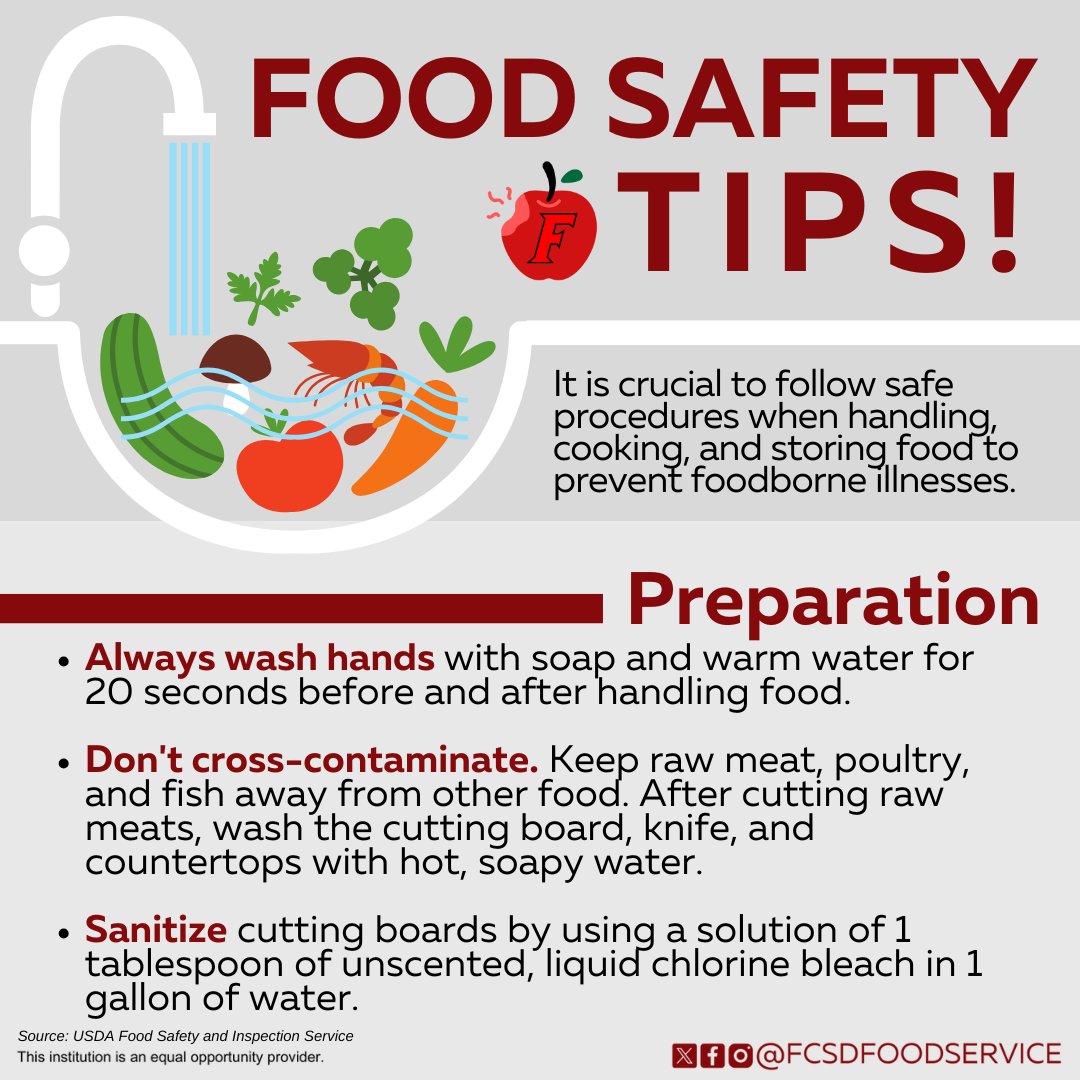
Mix one tablespoon of bleach with one gallon of water. Apply the solution to the surface and let it sit for five minutes. Then, rinse with clean water and dry.
- Use gloves when handling bleach
- Do not mix bleach with other cleaners
- Keep the area well ventilated
- Store bleach away from children
Vinegar And Essential Oils
Vinegar is a natural cleaner that helps reduce bacteria. Adding essential oils can boost its smell and cleaning power.
Mix equal parts of water and white vinegar in a spray bottle. Add 10 drops of tea tree or lemon oil. Spray on countertops and wipe with a clean cloth.
- Vinegar is safe for most surfaces
- Essential oils add natural antibacterial effects
- Use fresh mixtures for best results
- Avoid vinegar on stone countertops
Alcohol-based Sprays
Alcohol sprays kill many germs quickly. Use at least 70% isopropyl alcohol for effective sanitizing.
Spray the alcohol directly on the countertop. Let it air dry without wiping. This helps the alcohol kill bacteria effectively.
- Good for quick sanitizing
- Works well on non-porous surfaces
- Keep away from heat and flames
- Store alcohol safely out of reach
Proper Application Techniques
Cleaning countertops after food prep is key to stop germs. Using the right method helps keep surfaces safe.
This guide covers how to apply sanitizers well for best results.
Spraying Vs Wiping
Spraying sanitizer spreads it evenly on the surface. It covers hard-to-reach spots easily.
Wiping helps remove dirt and food bits physically. It also spreads sanitizer over the surface.
- Spray to cover all areas quickly
- Wipe to clean visible dirt and spread sanitizer
- Use a clean cloth to avoid spreading germs
- Combine both for best cleaning effect
Contact Time For Effectiveness
Contact time means how long sanitizer stays wet on the surface. It needs enough time to kill germs.
Read the sanitizer label for the correct contact time. Usually, it ranges from 30 seconds to 10 minutes.
- Keep surface wet for the full contact time
- Do not wipe off sanitizer too soon
- Allow air drying if possible
- Follow product instructions strictly
Special Surfaces Care
Cleaning countertops after food prep keeps your kitchen safe. Different surfaces need special care to avoid damage.
Use gentle cleaning methods for delicate materials. This helps keep countertops looking good and lasting longer.
Granite And Marble
Granite and marble are strong but can stain easily. Avoid harsh cleaners that can dull their shine.
Use a mild soap and warm water mix. Wipe with a soft cloth and dry well to stop water spots.
- Do not use acidic cleaners like vinegar or lemon
- Avoid abrasive scrubbers that scratch the surface
- Seal granite and marble regularly to protect from stains
Wooden Countertops
Wood absorbs liquids and can warp or stain. Clean spills quickly to prevent damage.
Use a mild soap with warm water and a soft cloth. Dry the wood fully after cleaning.
- Do not soak wood with water
- Use food-safe oil to keep wood conditioned
- Avoid bleach or harsh chemicals
Stainless Steel
Stainless steel resists stains and heat well. Clean with gentle soap and warm water.
Wipe in the direction of the grain to avoid streaks. Dry with a soft towel to prevent water marks.
- Avoid steel wool or abrasive pads
- Use a small amount of vinegar for tough spots
- Polish with a stainless steel cleaner if needed
Credit: www.lisabronner.com
Preventing Cross-contamination
Cleaning countertops after food preparation stops germs from spreading. Cross-contamination happens when bacteria move from one surface to another.
Sanitizing countertops keeps your kitchen safe and helps prevent foodborne illnesses.
Using Separate Cutting Boards
Use different cutting boards for meats, vegetables, and fruits. This lowers the risk of germs spreading between foods.
Label or color-code boards to remember which is for what type of food.
- Use red boards for raw meat
- Use green boards for vegetables
- Use yellow boards for poultry
- Use blue boards for fish
Regular Cleaning Schedule
Clean countertops right after food prep. Use soap and hot water to remove dirt and bacteria.
Sanitize surfaces with a safe disinfectant to kill any remaining germs. Repeat this process daily or more often if needed.
- Wipe surfaces with soap and water
- Rinse thoroughly with clean water
- Apply a kitchen-safe sanitizer
- Let the surface air dry
Maintaining A Hygienic Kitchen
Keeping your kitchen clean is very important for your health. After preparing food, you must clean and sanitize your countertops well.
Sanitizing stops germs from spreading and keeps your family safe. Follow simple steps to keep your kitchen fresh and hygienic.
Proper Handwashing
Washing your hands is the first step before cleaning countertops. Use warm water and soap, scrubbing for at least 20 seconds.
Dry your hands with a clean towel or air dryer. Clean hands prevent germs from moving onto surfaces.
Storing Cleaning Supplies Safely
Keep all cleaning supplies out of reach of children and pets. Store them in a cool, dry place away from food.
Use labels on all bottles and never mix different chemicals. Safe storage stops accidents and keeps your kitchen safe.
- Store chemicals in locked cabinets
- Keep away from heat and sunlight
- Check expiration dates regularly
- Use original containers with labels
Frequently Asked Questions
How Do I Sanitize Countertops After Food Prep?
First, clear the surface and wash with warm, soapy water. Then, apply a food-safe sanitizer. Let it sit for a few minutes. Wipe dry with a clean cloth. This process kills germs and prevents cross-contamination effectively.
What Household Items Can Sanitize Kitchen Countertops?
You can use diluted bleach, vinegar, or hydrogen peroxide. Mix bleach with water (1 tablespoon per gallon). Avoid undiluted vinegar on natural stone surfaces. Always rinse and dry after sanitizing. These items are affordable and widely available.
How Often Should I Sanitize Kitchen Countertops?
Sanitize after every food preparation, especially raw meat or poultry. Regular sanitization prevents bacteria buildup. Also sanitize after spills or contamination risks. Consistent cleaning ensures a safe cooking environment for your family.
Can I Use Bleach To Sanitize Food Prep Surfaces?
Yes, but dilute bleach properly with water before use. Use 1 tablespoon of bleach per gallon of water. Avoid mixing bleach with other cleaners. Rinse the surface after sanitizing. This method effectively kills harmful bacteria.
Conclusion
Sanitizing countertops after food prep keeps your kitchen safe. Use warm, soapy water first to remove dirt. Then apply a suitable disinfectant to kill germs. Wipe surfaces well and let them dry completely. Clean countertops help prevent illness and keep food fresh.
Small steps make a big difference in kitchen hygiene. Stay consistent with cleaning to protect your family’s health. Simple habits ensure a safer cooking space every day.