
Handling poultry hygienically is not just about keeping things clean—it’s about protecting your health and the health of your loved ones. If you want to avoid foodborne illnesses and ensure your meals are safe and tasty, learning the right steps is crucial.
You’ll discover simple, practical tips that make a big difference in how you handle poultry from start to finish. By following these easy guidelines, you’ll gain confidence in your kitchen and keep your family safe every time you cook. Keep reading to find out how you can master poultry hygiene without any hassle.
Choosing Fresh Poultry
Handling poultry with care is important for health. Choosing fresh poultry is the first step in the process.
Fresh poultry ensures better taste and reduces the risk of illness. Learn how to identify and buy the freshest poultry.
Signs Of Freshness
Fresh poultry has specific signs. Recognizing these helps in making safe choices.
- Poultry should have a mild, clean smell.
- Skin should be moist, not sticky or dry.
- Flesh should be firm to the touch.
- Check for a uniform color without dark spots.
Safe Purchasing Tips
Buying poultry safely reduces risks. Follow these tips to ensure safety and quality.
- Buy from trusted suppliers or stores.
- Look for poultry stored at proper temperatures.
- Avoid packages with tears or leaks.
- Check expiration dates before buying.
Credit: www.foodsafetynews.com
Proper Storage Methods
Storing poultry correctly helps keep it fresh and safe. Proper storage stops harmful bacteria from growing.
Use the right temperature and containers to keep poultry hygienic. This lowers the risk of food poisoning.
Refrigeration Guidelines
Keep poultry in the fridge at or below 40°F (4°C). This temperature slows bacteria growth.
Store raw poultry on the lowest shelf. This stops juices from dripping on other foods.
- Use airtight containers or sealed bags
- Keep poultry separate from ready-to-eat foods
- Use poultry within 1-2 days for best freshness
- Check the fridge temperature regularly
Freezing Best Practices
Freeze poultry if you do not plan to use it soon. Freezing keeps it safe for months.
Wrap poultry tightly in freezer bags or foil. This prevents freezer burn and moisture loss.
- Label packages with the date before freezing
- Freeze poultry at 0°F (-18°C) or lower
- Use frozen poultry within 6 to 12 months
- Thaw poultry in the fridge, not on the counter
Safe Thawing Techniques
Thawing poultry safely is important to avoid bacteria growth. You should always use safe methods to keep poultry fresh and healthy.
Improper thawing can cause illness. Learn simple ways to thaw poultry safely before cooking.
Refrigerator Thawing
Refrigerator thawing is the safest way to thaw poultry. Keep the poultry in its packaging and place it on a plate or tray.
Allow enough time for the poultry to thaw slowly in the fridge. This keeps the meat at a safe temperature.
- Place poultry on the bottom shelf to avoid drips
- Allow 24 hours for every 5 pounds of poultry
- Cook poultry within 1-2 days after thawing
Cold Water Method
Use cold water to thaw poultry quickly but safely. Keep the poultry in a leak-proof bag to stop water from touching it.
Change the water every 30 minutes to keep it cold. This helps prevent bacteria from growing.
- Submerge poultry in cold water
- Change water every 30 minutes
- Cook immediately after thawing
Microwave Thawing
Microwave thawing is fast but can start cooking parts of the poultry. Use the defrost setting on your microwave.
Cook the poultry right after microwave thawing. This stops bacteria growth in warm spots.
- Remove packaging before microwaving
- Use microwave defrost setting
- Cook poultry immediately after thawing
Clean Preparation Habits
Keeping poultry clean is important to stay safe from germs. Good habits stop bacteria from spreading.
Follow simple steps to keep your hands and surfaces clean. This helps protect your health and family.
Washing Hands And Surfaces
Wash your hands with soap and water before and after handling poultry. This removes harmful germs.
Clean all surfaces and tools that touch raw poultry. Use hot, soapy water to kill bacteria.
- Wash hands for at least 20 seconds
- Use clean cutting boards and knives
- Sanitize countertops after preparation
- Dry hands and surfaces with clean towels
Avoiding Cross-contamination
Keep raw poultry away from other foods. This stops germs from spreading to ready-to-eat items.
Use separate cutting boards for poultry and other ingredients. Do not reuse plates that held raw poultry.
- Store raw poultry below other foods in the fridge
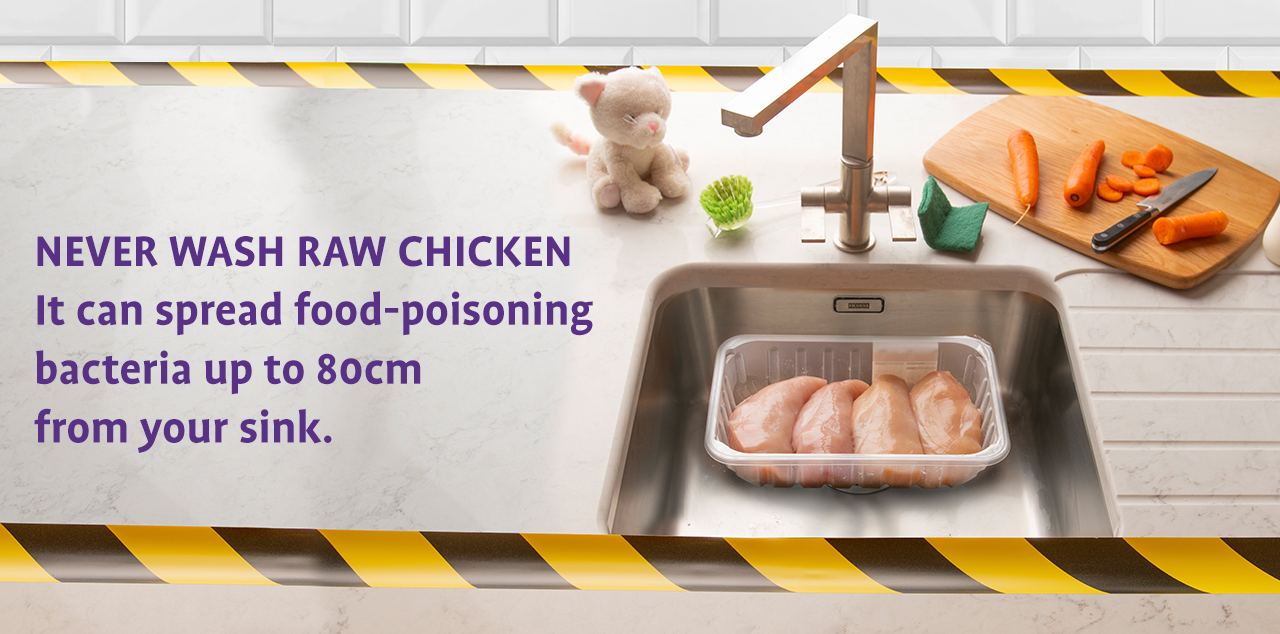
- Never wash raw poultry under running water
- Change gloves if you touch other foods after poultry
- Clean utensils after each use with raw meat
Cooking Poultry Safely
Cooking poultry safely is important to avoid foodborne illness. Proper cooking kills harmful bacteria like salmonella.
Always cook poultry to the right temperature. Use safe methods to ensure the meat is fully cooked and safe to eat.
Recommended Cooking Temperatures
Cook all poultry to a minimum internal temperature of 165°F (74°C). This temperature ensures harmful germs are destroyed.
Check the temperature in the thickest part of the meat, avoiding bones. Different poultry parts may cook at different rates.
- Whole chicken or turkey: 165°F (74°C)
- Ground poultry: 165°F (74°C)
- Poultry breasts, thighs, wings: 165°F (74°C)
Using A Meat Thermometer
A meat thermometer helps check if poultry is cooked properly. Insert it into the thickest part of the meat.
Wait for the thermometer to show a steady reading. This tells you the poultry reached the safe temperature.
- Clean the thermometer before and after use
- Do not touch bone with the thermometer tip
- Use digital or instant-read thermometers for best results
Handling Leftovers
Keeping poultry leftovers safe is important for health. Proper handling stops bacteria from growing.
This guide covers how to cool, store, and reheat leftover poultry safely.
Cooling And Storing
Cool poultry leftovers quickly to avoid bacteria growth. Do not leave food out over two hours.
Store leftovers in shallow containers. This helps food cool evenly and fast.
- Divide large portions into smaller parts
- Cover containers tightly to keep moisture out
- Label containers with the date of storage
- Keep leftovers in the refrigerator below 40°F (4°C)
- Use leftovers within 3 to 4 days
Reheating Guidelines
Reheat poultry leftovers until they reach 165°F (74°C). This kills harmful bacteria.
Use a food thermometer to check the temperature inside the food. Stir food for even heating.
- Reheat only the amount you will eat
- Do not reheat leftovers more than once
- Use microwave, oven, or stove for reheating
- Cover food while reheating to keep moisture
Recognizing Signs Of Spoilage
Handling poultry safely means knowing when it has gone bad. Spoiled poultry can cause illness if eaten.
Look closely for signs that show the poultry is not fresh. These signs help you decide if it is safe.
Appearance Changes
Fresh poultry should look firm and moist. Spoiled poultry often changes color or texture.
Watch for these appearance changes:
- Skin turning gray, green, or dull
- Sticky or slimy texture on the surface
- Dry or cracked areas on the meat
- Any unusual spots or mold growth
Unusual Odors
Fresh poultry has a mild smell or no smell at all. Spoiled poultry has strong, bad odors.
Check for these bad smells:
- Sour or ammonia-like odor
- Rotten or putrid smell
- Any sharp or chemical scent
Credit: www.czphoenix.com

Credit: www.provisioneronline.com
Frequently Asked Questions
What Are The Best Practices For Poultry Hygiene?
Regularly clean poultry housing, feed, and water systems. Use disinfectants and remove waste daily. Ensure proper ventilation and limit visitors to reduce contamination.
How Often Should Poultry Equipment Be Cleaned?
Clean equipment daily to prevent bacterial buildup. Deep clean and disinfect tools weekly. Proper cleaning reduces disease risk and improves poultry health.
Why Is Handwashing Important In Poultry Handling?
Handwashing prevents the spread of harmful bacteria. Use soap and water before and after handling birds. It protects both poultry and humans from infections.
What Are Signs Of Poor Poultry Hygiene?
Look for foul odors, excessive droppings, and dirty water. Birds may show lethargy or illness. These indicate the need for improved cleaning and care.
Conclusion
Keeping poultry clean protects both birds and people. Wash hands and tools often. Clean water and fresh food help birds stay healthy. Remove waste regularly to stop germs from spreading. Check birds for signs of illness every day. Safe handling reduces risks of infections and food problems.
Small habits make a big difference in poultry care. Stay consistent and watch your flock thrive. Healthy poultry means safer food for your family. Simple steps keep your birds and home safe.