
Your cutting board is one of the busiest tools in your kitchen, but it can also be a hidden source of harmful germs. If you don’t sanitize it properly every day, bacteria can build up and put your health at risk.
You might think rinsing with water is enough, but that’s not always true. You’ll discover simple, effective ways to sanitize your cutting board daily. Keep reading to learn how to protect yourself and your family with easy steps you can start using right now.
Choosing The Right Cutting Board
Picking the right cutting board helps keep your kitchen clean and safe. It makes it easier to sanitize boards daily.
Different materials suit different needs. Knowing the options helps you choose the best board for your tasks.
Wood Vs Plastic Options
Wood cutting boards are durable and gentle on knives. They can hide scratches well but need careful cleaning.
Plastic boards are easy to clean and dishwasher safe. They may get deep cuts that can hold bacteria if not replaced.
- Wood boards absorb moisture, so dry them well
- Plastic boards can be scrubbed and sanitized in hot water
- Both types need regular cleaning to prevent germs
Boards For Different Foods
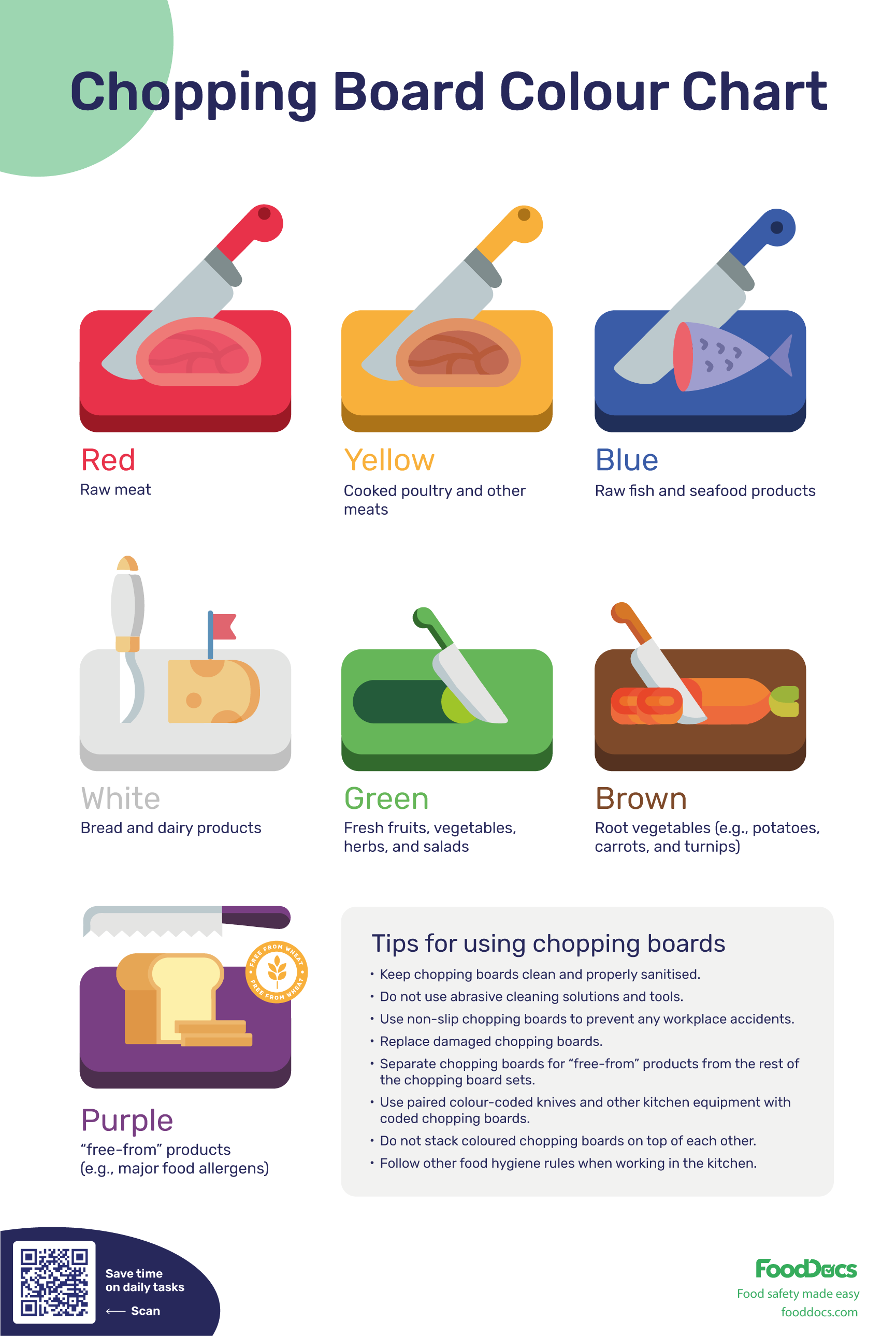
Use separate boards to avoid cross-contamination between foods. This keeps raw and cooked foods safe.
Assign boards for meat, vegetables, and bread. This helps stop germs from spreading on your cutting boards.
- Red board for raw meat
- Green board for vegetables and fruits
- White board for bread and dairy
- Blue board for fish and seafood
:max_bytes(150000):strip_icc()/cleaning-a-garbage-disposal-2718863-20-ca02806e899940a982a72bc86fa1e42f.jpg)
Credit: www.thespruce.com
Daily Cleaning Essentials
Keeping cutting boards clean is important for food safety. Daily cleaning prevents bacteria from spreading.
Using the right methods ensures your cutting boards stay hygienic. Follow these steps to sanitize them daily.
Removing Food Debris
Start by removing any food particles from the cutting board. Use a spatula or a brush to scrape off bits.
- Use a soft brush to avoid scratches
- Rinse the board under warm water
- Check for stubborn stains and remove them
Washing With Soap And Water
Wash the cutting board using warm water and dish soap. Scrub both sides thoroughly to remove germs.
Rinse the board well to ensure no soap residue remains. Dry it with a clean towel before storing.
- Use a sponge for better cleaning
- Rinse under running water
- Ensure the board is completely dry
Effective Sanitizing Methods
Cleaning your cutting board daily keeps your kitchen safe. Germs can grow quickly on cutting boards.
Using simple household items helps sanitize cutting boards well. Here are three easy ways to do it.
Using Vinegar And Baking Soda
Vinegar and baking soda remove stains and kill bacteria on cutting boards. This mix works without harsh chemicals.
Sprinkle baking soda over the board, then spray vinegar on top. Let it bubble for a few minutes.
- Scrub the board with a sponge or brush
- Rinse with warm water
- Dry completely before use
Applying Bleach Solutions
Bleach is a strong sanitizer that kills most bacteria and viruses. Use it carefully to avoid damage.
Mix one tablespoon of bleach with one gallon of water. Soak the cutting board in this solution for a few minutes.
- Do not use too much bleach
- Rinse the board well with clean water
- Let it air dry fully
Hydrogen Peroxide Technique
Hydrogen peroxide is a safe sanitizer that kills germs on contact. It breaks down into water and oxygen.
Pour 3% hydrogen peroxide directly on the cutting board. Let it sit for several minutes before rinsing.
- Use fresh hydrogen peroxide each time
- Rinse with water after application
- Dry the board with a clean towel
Drying And Storage Tips
Sanitizing cutting boards daily is important to keep them safe. Drying and storing them properly helps stop germs from growing.
Good drying and storage also keep cutting boards in good shape for longer use.
Proper Air Drying
After washing and sanitizing, let the cutting board air dry. Do not wipe it with a towel because towels can have bacteria.
Place the cutting board upright or on a rack. This helps air flow around it and dry it faster.
- Keep the board away from damp places
- Make sure both sides dry evenly
- Use a clean rack or drying area
Avoiding Cross Contamination
Store cutting boards in a clean, dry place to stop germs from spreading. Avoid stacking boards before they dry completely.
Use separate boards for different foods like meat and vegetables. This helps stop bacteria from moving between foods.
- Keep boards separated in storage
- Label boards for specific uses if possible
- Clean storage areas often
Maintaining Cutting Board Longevity
Cleaning and sanitizing your cutting board every day helps keep it safe to use. It also makes the board last longer. Proper care stops cracks and warping.
Using the right cleaning methods protects the wood or plastic. This guide shows how to keep your cutting board in good shape daily.
Regular Oil Treatments
Oiling your cutting board stops it from drying out and cracking. Use food-safe mineral oil or cutting board oil. Apply oil once a week or after washing.
Rub the oil over the whole surface. Let it soak in for a few hours or overnight. Wipe off any extra oil before using the board again.
- Use a clean cloth to apply the oil
- Cover all sides, including edges
- Do not use cooking oils; they can go bad
- Oiling keeps the board water-resistant
When To Replace Your Board
Even with good care, cutting boards wear out. Replace your board if it has deep grooves or cracks. These can trap bacteria and are hard to clean well.
If your board smells bad or looks warped, it is time to get a new one. Using a damaged board can risk your health.
- Check for deep cuts or cracks regularly
- Replace if the board warps and does not lay flat
- Look for stains or odors that do not wash away
- Use a new board to keep food safe
Credit: www.thekitchn.com
Credit: www.fooddocs.com
Frequently Asked Questions
How Often Should I Sanitize Cutting Boards Daily?
Sanitize cutting boards after every use to prevent bacteria buildup. Daily cleaning reduces cross-contamination risks and keeps surfaces safe for food preparation.
What Are The Best Sanitizing Solutions For Cutting Boards?
Use a mixture of bleach and water, vinegar, or hydrogen peroxide. These solutions effectively kill germs and are safe for food contact surfaces.
Can I Use A Dishwasher To Sanitize Cutting Boards?
Yes, dishwashers with high heat settings effectively sanitize plastic boards. Wooden boards should be hand-washed to prevent warping and damage.
How Do I Sanitize Wooden Cutting Boards Properly?
Clean with hot, soapy water, then apply vinegar or diluted bleach. Dry thoroughly to prevent moisture retention and bacterial growth.
Conclusion
Sanitizing cutting boards daily keeps your kitchen safe and clean. It stops germs from spreading to your food. Use simple methods like soap and hot water or vinegar solutions. Regular cleaning helps prevent foodborne illnesses. Clean boards also last longer and look better.
Make sanitizing a part of your daily routine. Small steps protect your family’s health. A clean cutting board means safer meals every day. Easy to do, hard to ignore. Keep your kitchen healthy and fresh.