
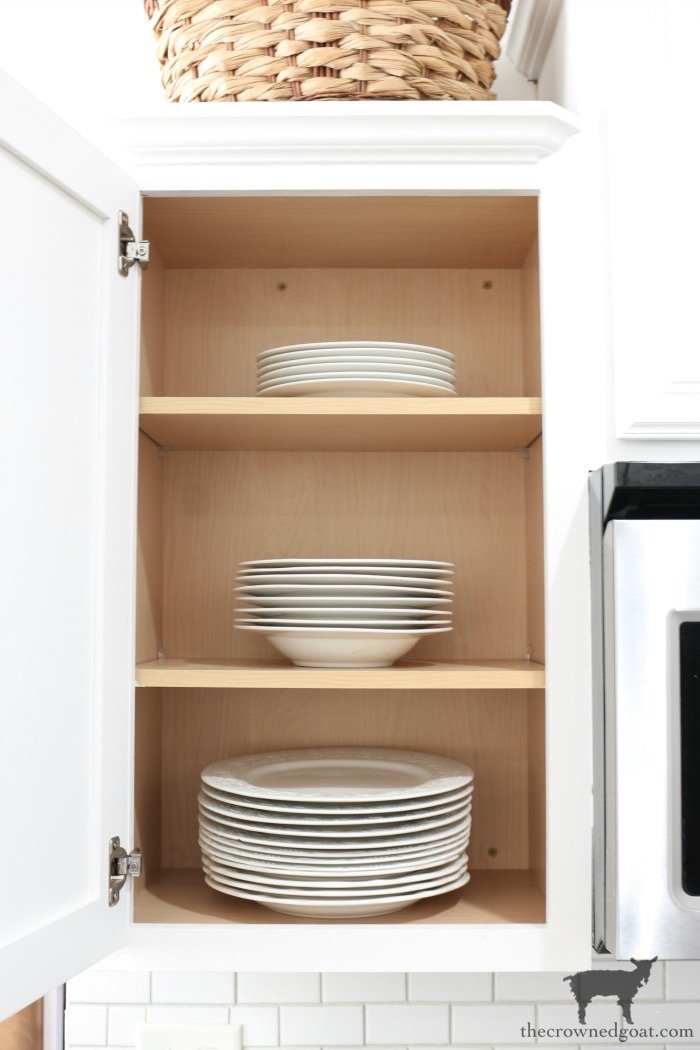
Is your kitchen cabinet a constant source of frustration? You open the doors hoping to find what you need quickly, but instead, you’re met with clutter and confusion.
Imagine how much easier your cooking and cleaning could be if every item had its perfect spot. Organizing your kitchen cabinets efficiently isn’t just about tidiness—it’s about saving time, reducing stress, and making your daily routine smoother. You’ll discover simple, practical steps to transform your cabinets into a well-ordered space that works for you.
Ready to take control of your kitchen chaos? Let’s dive in.
Assess Cabinet Space
Organizing kitchen cabinets is important for a neat kitchen. First, assess your cabinet space to use it well.
Understanding your cabinet layout helps you decide what changes you need. It makes storing items easier.
Measure Dimensions
Knowing the size of your cabinets is crucial. Measure width, height, and depth of each cabinet.
These measurements help you choose storage solutions. Accurate measurements prevent buying wrong-sized organizers.
- Use a tape measure for accuracy
- Note the dimensions in a notebook
- Consider adjustable shelves for flexibility
Identify Problem Areas
Look for areas that are hard to reach or cluttered. These are problem spots in your kitchen cabinets.
Identifying problem areas helps you find solutions. You can rearrange items to make better use of space.
- Check for unused spaces
- Look for items that are hard to access
- Identify cluttered spots
Evaluate Usage Patterns
Consider how you use your kitchen daily. This helps in organizing cabinets based on your cooking habits.
Placing frequently used items in easy-to-reach spots saves time. Less used items can go in the back or top shelves.
- Think about your cooking routine
- Identify daily and occasional items
- Arrange items for easy access
Credit: www.rd.com
Declutter Kitchen Cabinets
Organizing kitchen cabinets starts with clearing out unnecessary items. Decluttering makes it easier to find what you need.
Removing clutter helps create more space and keeps your kitchen tidy. It also improves safety and hygiene.
Sort Items By Frequency
Group your kitchen items based on how often you use them. Keep daily-use items within easy reach.
Place rarely used items in higher or lower cabinets. This method saves time and reduces mess.
- Everyday dishes and utensils near the sink
- Cooking tools close to the stove
- Seasonal or special-use items stored away
Discard Expired Goods
Check your pantry and cabinets for expired foods and spices. Throw away anything past its date.
Expired items can cause bad smells and attract pests. Clearing them keeps your kitchen fresh.
- Look at expiration dates carefully
- Dispose of moldy or damaged packages
- Regularly check canned and dry goods
Donate Unused Items
Find kitchen tools or dishes you no longer need but are in good shape. Donate them to charity or friends.
Donating helps reduce waste and supports others in need. It also frees up space in your cabinets.
- Check for clean, working items
- Avoid donating broken or dirty goods
- Contact local shelters or community centers
Maximize Vertical Space
Organizing kitchen cabinets well saves space and makes your kitchen neat. Using vertical space helps fit more items without clutter.
Look up and down inside your cabinets. You can add shelves or hooks to store more things easily.
Use Adjustable Shelves
Adjustable shelves let you change shelf height to fit different items. You can store tall bottles or short jars efficiently.
Changing shelf height helps use every inch inside your cabinet. It keeps things organized and easy to find.
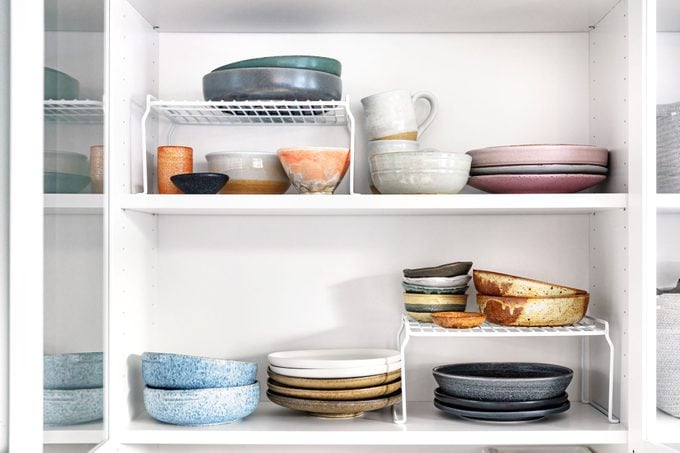
Install Shelf Risers
Shelf risers add a second level inside your cabinet. They create more space above or below items without stacking them dangerously.
Use risers for cups, plates, or canned goods. This helps you see everything clearly and reach items fast.
- Place risers on flat shelves
- Use sturdy materials like metal or plastic
- Choose risers that fit your cabinet size
Hang Hooks Inside Doors
Hooks inside cabinet doors use hidden vertical space. Hang small tools, measuring cups, or pot lids on these hooks.
This keeps items off shelves and easy to grab. It also frees up shelf space for bigger items.
- Attach strong adhesive or screw-in hooks
- Use S-hooks for flexible hanging options
- Keep hooks organized by item type
Credit: kitchcrafteds.com
Choose Smart Storage Solutions
Organizing kitchen cabinets makes cooking easier and faster. Smart storage solutions help keep everything neat.
Using the right tools saves space and helps find items quickly.
Utilize Clear Containers
Clear containers show what is inside. This reduces the time spent searching for ingredients.
They keep food fresh and prevent spills. Stackable containers save cabinet space too.
- Choose containers with airtight lids
- Use various sizes for different items
- Label containers for extra clarity
Incorporate Pull-out Drawers
Pull-out drawers make it easy to reach items at the back of cabinets. They help keep everything visible.
Drawers reduce clutter by organizing pots, pans, and utensils neatly.
- Install full-extension drawers
- Use dividers to separate items
- Choose soft-close features for quiet use
Apply Lazy Susans
Lazy Susans spin to bring items to the front. They work well in corner cabinets and deep shelves.
They help organize spices, sauces, and small jars in one place.
- Choose sizes that fit your cabinet space
- Use tiered Lazy Susans for more storage
- Keep frequently used items on top
Organize By Category
Organizing kitchen cabinets by category makes it easier to find items. It also helps keep your kitchen neat and tidy.
Group similar things together so you can grab what you need quickly. This way, you save time and avoid clutter.
Group Similar Items
Put items that are alike in the same area. For example, keep all baking supplies together in one cabinet.
Grouping helps you see what you have and what you need to buy. It also stops you from buying duplicates.
- Store plates and bowls together
- Keep pots and pans in one place
- Group spices and seasonings nearby
- Put snacks in a separate section
Create Zones For Tasks
Make zones in your kitchen based on tasks like cooking, baking, and cleaning. Store items you use for each task in that zone.
This setup saves steps and makes cooking easier. Keep cooking utensils near the stove and cleaning supplies under the sink.
- Cooking zone: pots, pans, spatulas
- Baking zone: mixing bowls, measuring cups
- Cleaning zone: soaps, sponges, towels
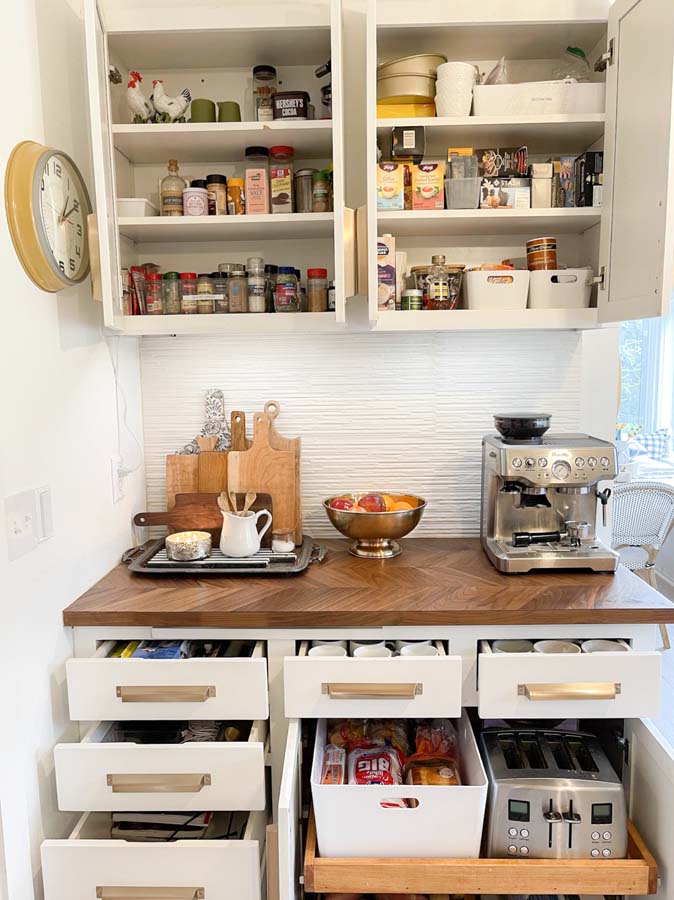
Label Storage Areas
Labeling shelves and containers helps everyone know where items belong. This keeps the kitchen organized over time.
Use simple labels that are easy to read. Labels help children and guests find what they need quickly.
- Label shelves for snacks, dishes, and cookware
- Use clear containers with labels for dry goods
- Label drawers for utensils and tools

Credit: designthusiasm.com
Maintain Cabinet Organization
Keeping kitchen cabinets organized saves time and reduces stress. It helps you find items quickly and keeps your kitchen neat.
Regular care and adjustments keep your cabinets efficient. Follow simple habits to maintain order and cleanliness.
Regularly Review Contents
Check your cabinets often to remove expired or unused items. This frees space and stops clutter from building up.
Sort items by type and use frequency. Keep daily-use items easy to reach, and store rarely used things higher up.
- Discard expired food and old spices
- Donate extra or duplicate kitchen tools
- Group similar items together
- Place frequently used items at eye level
Establish Cleaning Routine
Clean your cabinets regularly to stop dirt and dust buildup. Wipe shelves and doors with a damp cloth every few weeks.
Remove all items before cleaning. This lets you clean every corner and check for damage or pests.
- Empty cabinets before cleaning
- Use mild soap and water for wiping
- Dry surfaces completely to avoid moisture
- Inspect for mold, pests, or damage
Adjust Layout As Needed
Change your cabinet layout if your needs change. Move items to better spots for easier access.
Try new storage solutions like baskets or dividers. This can help keep small items organized and visible.
- Rearrange items based on use frequency
- Add organizers for small or loose items
- Use clear containers for easy identification
- Keep heavy items on lower shelves for safety
Frequently Asked Questions
How Can I Maximize Space In Kitchen Cabinets?
Use shelf risers, pull-out organizers, and adjustable shelves. Store items by size and frequency of use for easy access.
What Are The Best Containers For Cabinet Organization?
Clear, stackable containers with labels help keep items visible and neat. Choose airtight containers to preserve food freshness.
How Often Should I Clean And Reorganize Kitchen Cabinets?
Clean and reorganize every 3 to 6 months. This prevents clutter buildup and helps maintain an efficient system.
Should I Group Items By Category In Cabinets?
Yes, grouping similar items like spices or baking supplies improves efficiency. It saves time when cooking or baking.
Conclusion
Organizing kitchen cabinets saves time and reduces stress daily. Clear spaces help you find items quickly and easily. Sort items by use and size for better access. Use containers and labels to keep things tidy. Regularly check and remove unused items to maintain order.
A neat kitchen feels welcoming and works better for you. Start small and build your system step by step. Enjoy cooking in a clutter-free, well-organized kitchen space.