
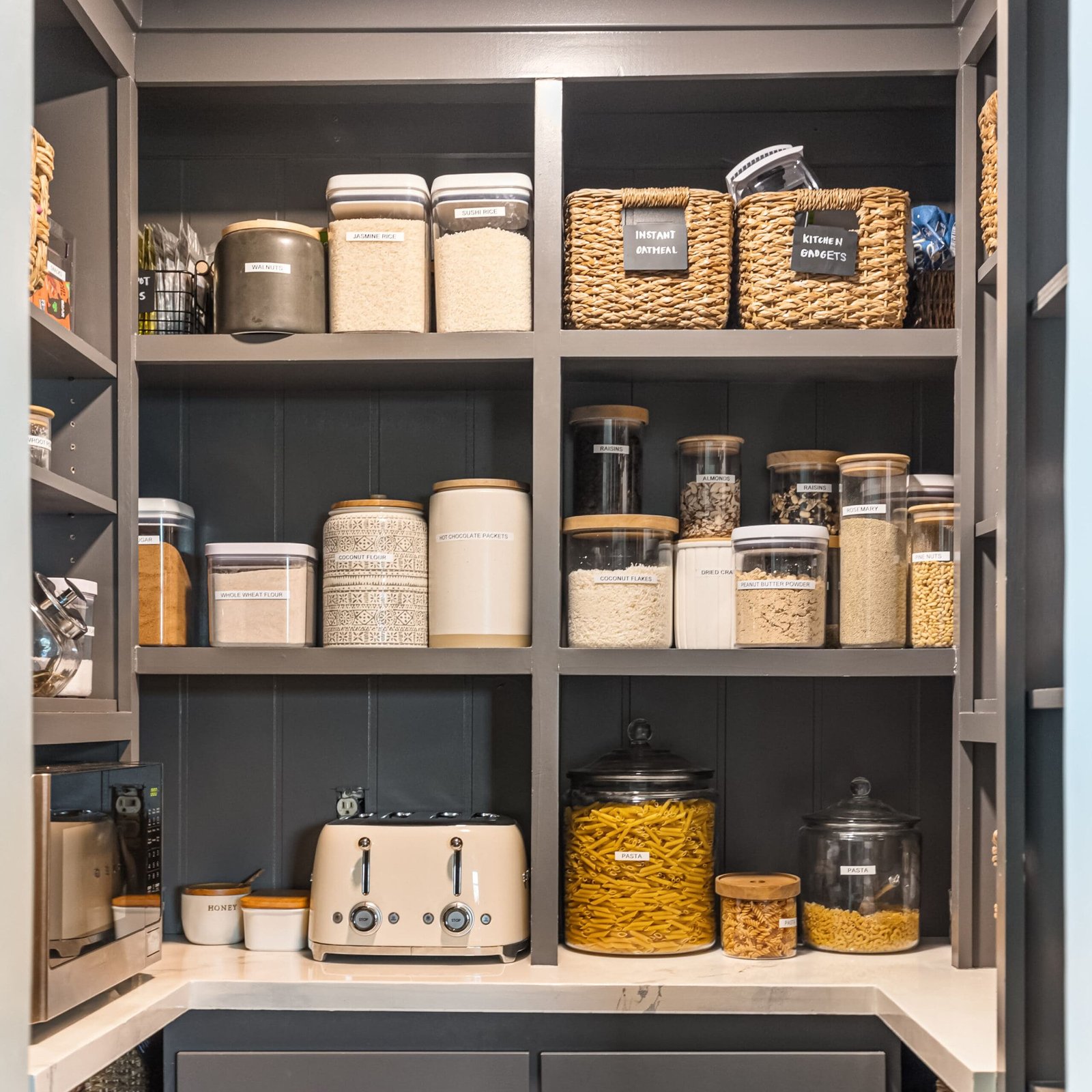
Is your pantry a cluttered mess that makes finding what you need a daily struggle? You’re not alone.
Setting up smart pantry storage solutions can change the way you cook, shop, and even save money. Imagine opening your pantry and instantly spotting everything you need, without the stress or wasted time. You’ll discover simple, effective tips to organize your pantry so it works perfectly for you.
Ready to transform your kitchen and enjoy easy meal prep every day? Let’s dive in.

Credit: www.thinkoutsidetheclosethouston.com
Assess Your Pantry Space
Setting up pantry storage solutions starts with knowing your space. It’s important to understand what you have before you start organizing.
By assessing your pantry space, you will find the best ways to store items. It helps in making the most of your available area.
Measure Dimensions
First, measure the height, width, and depth of your pantry. These measurements help you decide what storage options will fit.
Use a tape measure to get accurate dimensions. Write these numbers down for easy reference.
- Height: Measure from floor to ceiling
- Width: Measure from side to side
- Depth: Measure from front to back
Identify Storage Needs
Think about what you need to store in your pantry. This can include canned goods, dry foods, and kitchen gadgets.
Knowing your storage needs helps in choosing the right containers. It also ensures everything has a place.
- Canned goods
- Dry foods like pasta and rice
- Small kitchen appliances
Evaluate Existing Containers
Look at the containers you already have. Are they serving their purpose well? If not, consider replacing them.
Good containers should fit your space and be easy to use. Check if they are the right size for your pantry items.
| Container Type | Purpose |
| Jars | Store dry goods |
| Bins | Hold bulky items |
| Baskets | Organize snacks |
Choose Storage Containers
Picking the right containers helps keep your pantry neat and tidy. It also makes food easy to find and use.
Good containers protect food and save space. Choose containers that fit your pantry and needs.
Select Clear Containers
Clear containers let you see what is inside without opening them. This helps you track your food supply easily.
Look for containers made of sturdy plastic or glass. They keep food fresh and show contents clearly.
Consider Airtight Options
Airtight containers keep air out and stop food from spoiling fast. They are good for dry goods like flour and rice.
Choose containers with tight lids or seals. This helps keep pests away and maintains freshness longer.
Use Baskets And Bins
Baskets and bins group smaller items together. They keep your pantry organized and reduce clutter.
Pick baskets that fit your shelves well. Use bins for snacks, packets, or baking supplies.
Maximize Shelf Space
Organizing your pantry well helps you save space and find items quickly. Use smart storage ideas to fit more on each shelf.
Maximizing shelf space makes your pantry neat and easy to use. Try different tools to keep everything in order.
Add Adjustable Shelves
Adjustable shelves let you change shelf height to fit different items. This flexibility helps use every inch of space.
You can store tall bottles or short cans by moving shelves up or down. It keeps your pantry tidy and practical.
Use Vertical Organizers
Vertical organizers hold items like cutting boards, trays, or baking sheets upright. This saves shelf space and makes items easy to grab.
These organizers help keep similar items together and prevent clutter. Use them on shelves or inside pantry doors.
- Place trays and pans vertically
- Store baking sheets and cooling racks
- Keep lids and cutting boards in one spot
Incorporate Lazy Susans
Lazy Susans spin to let you reach items at the back easily. They work well for spices, jars, and small containers.
Use round or corner lazy Susans to use shelf space fully. They reduce clutter and keep your pantry organized.
Label Everything
Labeling is key to keeping your pantry neat and easy to use. Clear labels help you find items quickly.
When everything is labeled, you reduce waste and save time during cooking.
Create Clear Labels
Make sure your labels are easy to read. Use large fonts and simple words to describe the contents.
Use contrasting colors for the text and background to improve visibility.
- Use black text on a white background
- Print labels instead of handwriting
- Keep labels simple and direct
Use Consistent Labeling Style
Choose one style for all your labels. This makes your pantry look organized and clean.
Use the same font, size, and color for every label in your pantry.
- Pick one label size for all containers
- Use the same font style across all labels
- Keep the label placement uniform on jars and boxes
Include Expiration Dates
Add expiration dates to your labels. This helps you use items before they go bad.
Write the date clearly so you can check freshness at a glance.
| Item | Label Example | Expiration Date |
|---|---|---|
| Flour | All-Purpose Flour | Use by 09/2024 |
| Olive Oil | Extra Virgin Olive Oil | Expires 11/2023 |
| Rice | White Rice | Best before 05/2025 |
Organize By Category
Organizing your pantry by category helps you find items quickly. It keeps your space neat and easy to use.
Sorting food and supplies into groups makes it simple to see what you have. It also prevents buying duplicates.
Group Similar Items
Put similar foods together to keep your pantry tidy. For example, place all baking ingredients in one area.
This grouping saves time when cooking or baking. You will know exactly where to look for what you need.
- All spices in one container or shelf
- Grains like rice, pasta, and quinoa together
- Canned goods grouped by type
Separate Snacks And Staples
Keep snacks apart from daily staples. Snacks are often used differently than main ingredients.
Separating these helps you grab snacks quickly and avoid mixing them with cooking items.
- Place snacks on a lower shelf for easy reach
- Staples like flour and sugar should be stored in airtight containers
- Use clear bins to see snack choices at a glance
Designate Zones For Quick Access
Create zones in your pantry for different types of items. This makes it faster to find what you want.
Put often-used foods in the front or at eye level. Less used items can go on higher or lower shelves.
- Breakfast zone with cereals and spreads
- Cooking zone with oils, spices, and sauces
- Baking zone with flour, sugar, and baking powder

Credit: www.hgtv.com
Maintain Your Pantry
Keeping your pantry neat helps you find items quickly. It also reduces food waste and keeps your kitchen tidy.
Regular care and organization make your pantry last longer and stay useful for daily cooking needs.
Regularly Declutter
Check your pantry often to remove expired or unused items. This frees up space for fresh groceries.
Organize your items by category to see what you have and what you need to buy next.
- Throw away expired food
- Donate unopened items you won’t use
- Group similar products together
Restock Smartly
Buy only what you need to keep your pantry balanced. Avoid overbuying to prevent clutter.
Keep staple foods stocked, like rice, pasta, and canned goods. Check stock before shopping.
- Make a list before shopping
- Check pantry before buying more
- Buy in small quantities if space is limited
Keep Cleaning Supplies Handy
Store basic cleaning items near your pantry. This helps you clean spills and crumbs quickly.
Regular cleaning prevents bugs and keeps your pantry smelling fresh and looking neat.
- Keep wipes or cloths nearby
- Use mild cleaners for shelves
- Clean spills immediately

Credit: www.foodrepublic.com
Frequently Asked Questions
What Are The Best Pantry Storage Solutions For Small Spaces?
Using vertical shelves, stackable containers, and door racks maximizes small pantry space. Clear bins help keep items organized and visible. Utilize adjustable shelving to fit different items efficiently.
How Do I Organize Pantry Items For Easy Access?
Group similar items together, such as baking supplies or snacks. Label containers clearly and place frequently used items at eye level. Rotate older products to the front to reduce waste.
What Materials Work Best For Pantry Storage Containers?
Glass, BPA-free plastic, and stainless steel containers are ideal. They keep food fresh and are easy to clean. Transparent containers help quickly identify contents, improving pantry organization.
How Often Should I Clean And Reorganize My Pantry?
Clean and reorganize your pantry every 3 to 6 months. Regular maintenance prevents clutter and expired items. It also helps maintain an efficient and hygienic storage system.
Conclusion
Organizing your pantry makes cooking easier and faster. Use shelves, bins, and labels to keep things tidy. Store items you use often within reach. Group similar foods together for quick finding. Regularly check and clean your pantry to avoid clutter.
A neat pantry saves space and reduces waste. Start small and build your system step by step. Enjoy a kitchen that feels calm and ready. Simple changes bring big benefits to your daily routine.