
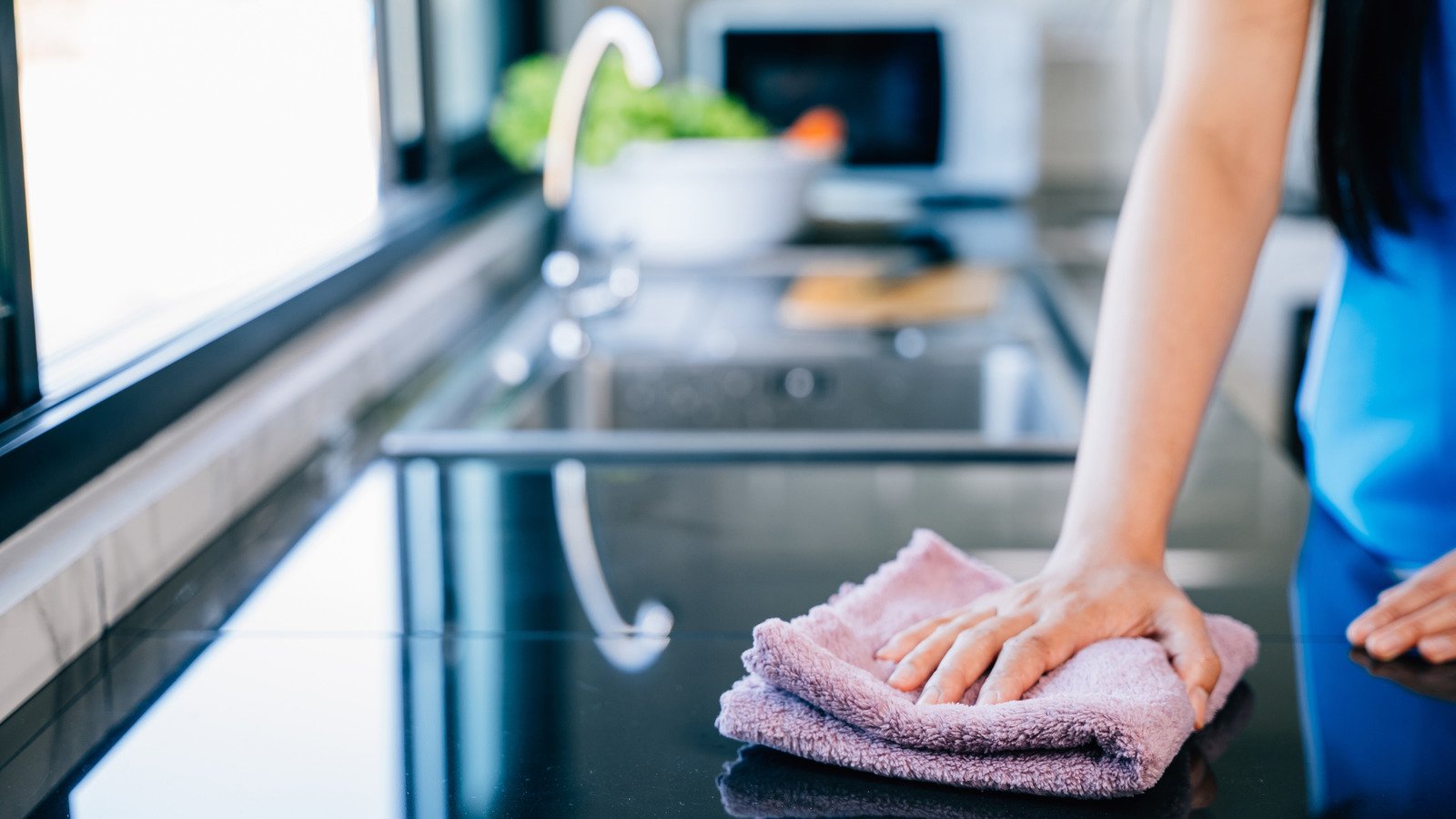
Your kitchen towels work hard every day, soaking up spills and wiping down surfaces. But have you ever stopped to think about what’s lurking in those damp fibers?
If you want to keep your kitchen truly clean and safe, learning how to properly sanitize your kitchen towels is a must. You’ll discover simple, effective ways to kill germs and keep your towels fresh. Keep reading, because the health of your family and the cleanliness of your kitchen depend on it.
Why Sanitize Kitchen Towels
Kitchen towels are a vital part of cooking and cleaning. They are used for drying hands, cleaning spills, and wiping surfaces. It’s important to sanitize them to avoid health risks.
Sanitizing towels helps remove germs that can cause illness. Clean towels keep your kitchen safe and healthy.
Risks Of Dirty Towels
Dirty towels can spread bacteria and viruses. They may carry harmful germs to clean dishes and hands.
Using unsanitized towels increases the chance of food contamination. This can lead to foodborne illnesses.
Common Germs Found
Kitchen towels can harbor many types of germs. These include E. coli, Salmonella, and Staphylococcus.
- E. coli can cause severe stomach issues
- Salmonella leads to food poisoning
- Staphylococcus can cause skin infections
Impact On Health
Using dirty towels can make you sick. Germs from towels can transfer to hands and food.
Regular sanitizing reduces health risks. It ensures a cleaner and safer kitchen environment.
Signs Towels Need Sanitizing
Kitchen towels help clean up spills and dry dishes. They get dirty fast and can hold germs. Knowing when to sanitize towels keeps your kitchen safe.
Look for signs that show towels need cleaning beyond regular washing. This stops bacteria from spreading.
Odor And Stains
Bad smells mean towels have germs or mold. Stains from food or spills also show dirt is trapped. These signs mean towels need sanitizing.
Odors may not go away with normal washing. Stains can hold bacteria if not cleaned well.
- Smelly towels after washing
- Visible stains that don’t fade
- Musty or sour smells
Visible Dirt
Look for dirt, food crumbs, or grease on towels. Dirt shows towels are not clean and can spread germs. Sanitizing removes this dirt better than normal washing.
Even small dirt spots can hold bacteria. Towels with visible grime need extra cleaning steps.
- Food particles stuck on fabric
- Greasy or oily spots
- Dark or grimy patches
Frequency Of Use
Towels used many times a day get dirty quickly. Frequent use means germs build up fast. You should sanitize towels often if you use them a lot.
Change and sanitize towels regularly to stop bacteria growth. Towels used only once need less frequent sanitizing.
- Daily use requires sanitizing every few days
- Heavy use needs more frequent cleaning
- Infrequent use allows longer time between sanitizing
Effective Sanitizing Methods
Kitchen towels can carry germs and bacteria. It is important to clean them well to keep your kitchen safe.
There are simple ways to sanitize kitchen towels using items you have at home. These methods kill germs and keep towels fresh.
Boiling Towels
Boiling kitchen towels is a strong way to kill bacteria. The high heat destroys germs quickly.
To boil towels, put them in a large pot with water. Boil for at least 10 minutes, then dry them well.
Using Bleach Safely
Bleach is very effective at killing germs on towels. Use it carefully to avoid damage and harm.
Mix one tablespoon of bleach with one gallon of water. Soak towels for five minutes, then rinse thoroughly and dry.
- Wear gloves to protect your skin
- Do not mix bleach with other cleaners
- Keep towels away from children during bleaching
Vinegar And Baking Soda
Vinegar and baking soda work well to clean and deodorize towels. They help remove stains and kill some bacteria.
Add half a cup of baking soda to your wash cycle. Then add one cup of vinegar during the rinse. This boosts cleaning power.
- Baking soda softens towels
- Vinegar removes odors
- Both are safe for most fabrics
Hot Water Washing
Washing towels in hot water kills many germs. Use the hottest water safe for your towel fabric.
Check the care label before washing. Hot water helps remove oils and dirt that hold bacteria.

Credit: homekitdecor.com
Choosing The Right Detergents
Sanitizing kitchen towels keeps your kitchen clean and safe. Using the right detergent helps remove germs and stains well.
Some detergents kill bacteria better. Others protect fabric or use natural ingredients. Choose one that fits your needs.
Antibacterial Detergents
Antibacterial detergents help kill germs on kitchen towels. They reduce the risk of bacteria spreading in your kitchen.
Look for detergents labeled as antibacterial. They often have special ingredients to fight germs during washing.
- Effective against common kitchen bacteria
- Usually safe for most fabrics
- May contain chemicals, so use as directed
Natural Cleaning Agents
Natural cleaning agents use plant-based or mild ingredients. They clean towels without harsh chemicals.
These agents are gentle on skin and environment. They work well if you avoid strong chemicals or have sensitive skin.
- Baking soda helps remove odors
- White vinegar softens towels and kills bacteria
- Castile soap is gentle and effective
Avoiding Fabric Damage
Strong detergents can harm kitchen towels. They may cause fading, thinning, or rough textures.
Choose detergents made for delicate fabrics. Follow washing instructions to keep towels soft and strong.
- Use mild detergents without bleach
- Avoid overusing detergent to prevent buildup
- Wash towels in warm water, not too hot
Drying Techniques For Hygiene
Keeping kitchen towels clean is important to stop germs from growing. Drying towels the right way helps keep them fresh and safe.
This guide covers ways to dry towels that keep them sanitary and ready to use.
Sun Drying Benefits
Sun drying is a natural way to clean kitchen towels. The sun’s heat and light kill many bacteria and germs.
Sunlight also helps towels dry faster. This lowers the chance of bad smells and mildew.
- Sunlight kills germs and bacteria
- Fast drying stops mildew growth
- Fresh air removes odors
- Energy free and eco-friendly
Using A Dryer
A dryer uses heat to dry towels quickly and thoroughly. High heat kills most germs on towels.
Using a dryer is helpful when the weather is bad or you need towels fast. Make sure towels are completely dry before storing.
- Dries towels quickly
- High heat kills germs
- Works in any weather
- Prevents damp smells
Avoiding Damp Towels
Damp towels breed bacteria and cause bad smells. Always dry towels fully after washing.
Never leave wet towels in a pile. Hang them spread out so air can reach all parts and dry them fast.
- Don’t leave towels wet for long
- Hang towels spread out to dry
- Store towels only when fully dry
- Check towels for damp spots before use
Frequency Of Sanitizing Towels
Kitchen towels get dirty fast because they dry hands and clean spills. Germs can build up on towels if you do not clean them often.
It is important to sanitize towels regularly to keep your kitchen safe and fresh. The cleaning frequency depends on how often you use the towels.
Daily Use Towels
Towels used every day need cleaning after each use or daily. This stops bacteria and odors from growing on them.
Wash daily use towels in hot water with detergent. Dry them completely before using again to keep them fresh.
- Wash after one day of use
- Use hot water and detergent
- Dry fully before reusing
Occasional Use Towels
Towels used less often can be cleaned every few days. If they stay dry and smell fresh, you can wait a bit longer.
Check towels for stains or smells before using. Wash them if needed to keep them clean and safe.
- Clean every 3 to 4 days
- Check for stains or smells
- Wash if dirty or smelly
Special Situations
In some cases, sanitize towels more often. This includes when someone is sick or after cleaning raw meat.
Use a disinfectant or add bleach to the wash. This kills harmful germs and keeps towels safe to use.
- Sanitize after illness in the home
- Clean after contact with raw meat
- Add disinfectant or bleach to wash
Preventing Contamination
Kitchen towels can carry germs if not cleaned well. Sanitizing them stops bacteria from spreading.
Using clean towels helps keep your kitchen safe and healthy. Follow good habits to avoid contamination.
Proper Towel Storage
Store towels in a dry place to stop germs from growing. Wet towels can spread bacteria quickly.
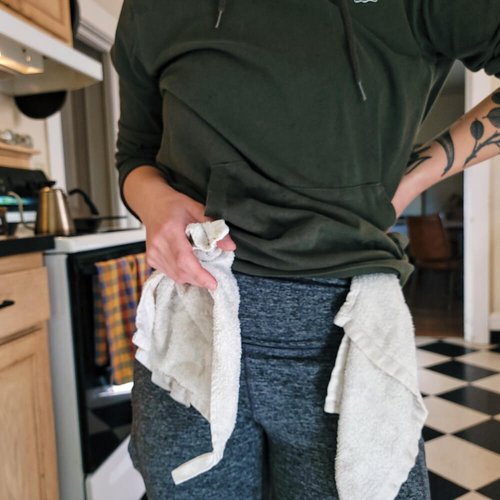
Keep towels folded or hung so air can dry them well. Avoid piling up dirty towels together.
- Use hooks or bars for hanging towels
- Keep storage areas clean and dry
- Wash towels often to avoid bad smells
Separate Towels For Tasks
Use different towels for dishes, hands, and cleaning. This lowers the risk of cross-contamination.
Label towels or assign colors to each task. This helps everyone use the right towel for the job.
- One towel for drying dishes
- One towel for wiping counters
- One towel for drying hands
Hand Hygiene Practices
Wash your hands before using kitchen towels. Clean hands stop germs from spreading to towels.
Dry your hands with a clean towel every time. Replace towels often to keep them fresh and safe.
- Use soap and water to wash hands well
- Dry hands completely before touching towels
- Change towels daily or when damp

Credit: www.reddit.com
Alternative Options To Towels
Keeping kitchen towels clean is important for hygiene. Sometimes, using other options can be easier and safer.
Here are some good alternatives to traditional kitchen towels that help keep your kitchen sanitary.
Disposable Paper Towels
Disposable paper towels are a simple way to clean surfaces. You use them once and throw them away.
They reduce the chance of spreading germs because you do not reuse them.
- Use for wiping spills and drying hands
- Throw away after use to prevent bacteria
- Good for quick, one-time cleaning jobs
Microfiber Cloths
Microfiber cloths are soft and absorbent. They clean well without needing chemicals.
Wash them often in hot water to keep them free of germs and dirt.
- Use for wiping counters and dishes
- Machine washable for easy cleaning
- Last longer than regular cloth towels
Silicone Towels
Silicone towels are made of flexible, washable material. They dry quickly and resist bacteria.
These towels can be rinsed clean and reused many times without losing shape.
- Great for drying dishes and hands
- Easy to clean with soap and water
- Durable and long-lasting option
Credit: grapeslauren.com
Frequently Asked Questions
How Often Should I Sanitize Kitchen Towels?
Sanitize kitchen towels at least once a week. Frequent washing prevents bacteria buildup and odors. If towels are heavily used, sanitize more often to ensure cleanliness.
What Is The Best Method To Sanitize Kitchen Towels?
Use hot water and bleach or vinegar to sanitize towels. Wash at the highest temperature safe for the fabric. This kills germs and removes stains effectively.
Can I Use Vinegar To Sanitize Kitchen Towels?
Yes, vinegar is a natural sanitizer. Add one cup of white vinegar to the wash cycle. It helps kill bacteria and deodorizes towels gently.
Is It Safe To Use Bleach On Kitchen Towels?
Bleach is effective but should be used carefully. Use diluted bleach only on white or color-safe towels. Avoid overuse to prevent fabric damage.
Conclusion
Sanitizing kitchen towels keeps your kitchen clean and safe. Wash them often with hot water and soap. Use natural disinfectants like vinegar or lemon juice. Dry towels completely to stop germs from growing. Clean towels help prevent foodborne illnesses. Small steps make a big difference in hygiene.
Keep your kitchen fresh and healthy every day. Simple care protects your family from harmful bacteria. Clean towels, clean kitchen, peace of mind.