
Are you worried about your groceries spoiling too quickly? Storing perishable foods safely isn’t just about keeping things fresh—it’s about protecting your health and saving money.
Imagine opening your fridge and knowing every item is just as safe and tasty as when you bought it. You’ll discover simple, effective tips that make it easy to keep your food fresh longer. Ready to stop wasting food and start storing it the right way?
Let’s dive in.

Credit: www.fsis.usda.gov
Keep Foods At Safe Temperatures
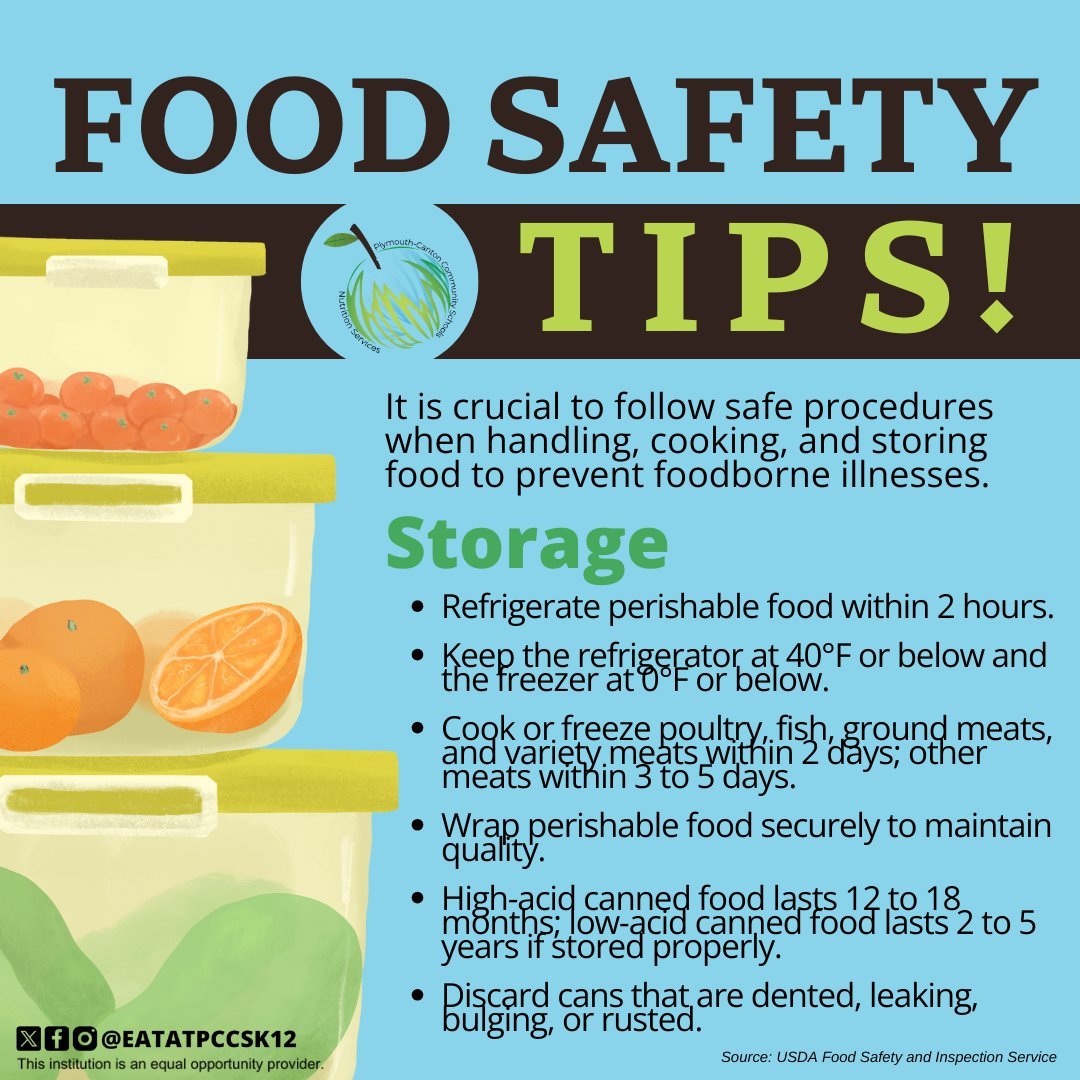
Keeping perishable foods at the right temperature is crucial for safety. It helps prevent the growth of harmful bacteria.
Proper storage extends the freshness of your food. Make sure your fridge and freezer are set correctly.
Ideal Fridge And Freezer Settings
Your fridge should be set at 40°F (4°C) or below. This keeps food fresh and safe.
Set your freezer to 0°F (-18°C) or below. This stops bacteria from growing on frozen foods.
- Check settings regularly
- Adjust settings during summer
- Keep doors closed as much as possible
Using Thermometers Effectively
A thermometer is a useful tool in your kitchen. It ensures your appliances are at the right temperatures.
Place thermometers in both the fridge and freezer. This helps you monitor and adjust settings if needed.
- Check thermometers weekly
- Replace if inaccurate
- Position at the front for easy reading
Choose Proper Containers
Storing perishable foods safely starts with the right containers. The containers keep food fresh and stop spoilage.
Choosing containers that fit the food type helps keep flavors and textures intact. It also prevents waste.
Airtight Vs Breathable Options
Airtight containers seal food from air and moisture. They stop bacteria and mold from growing quickly.
Breathable containers let some air pass. This is good for foods that need to stay dry or avoid moisture build-up.
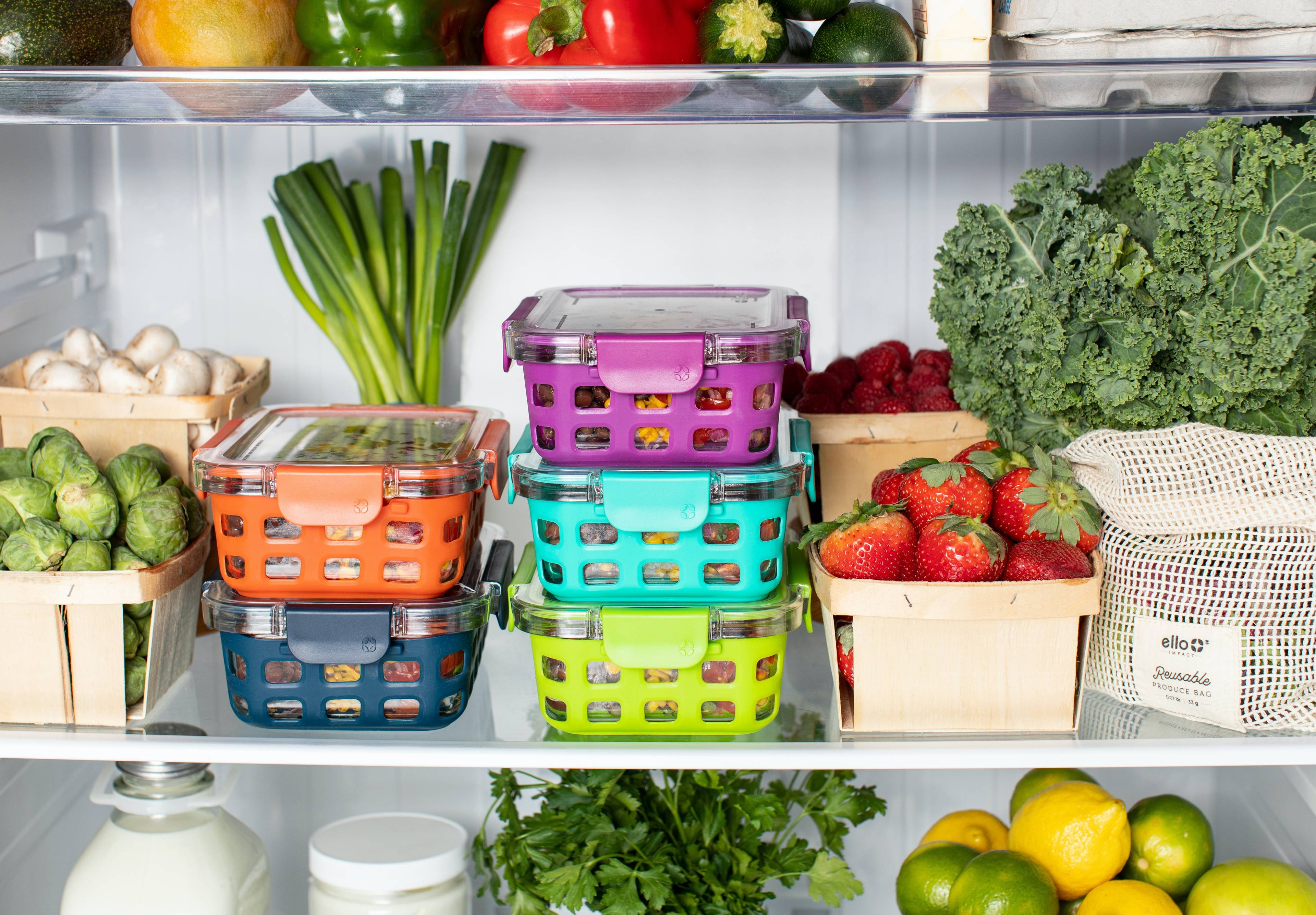
- Airtight containers are best for leftovers and cut fruits.
- Breathable containers work well for fresh vegetables like lettuce.
- Choose based on how much air exposure the food needs.
Material Choices For Longevity
Container materials affect food safety and how long they last. Some materials keep food fresh longer.
Plastic, glass, and stainless steel are common choices. Each has pros and cons for storing perishable foods.
- Plastic is lightweight and affordable but can stain and retain odors.
- Glass is non-toxic and easy to clean but breaks easily.
- Stainless steel is durable and resists stains but is often not microwave safe.
Organize Your Storage Space
Keeping perishable foods safe starts with good storage habits. A well-organized space helps prevent spoilage and contamination.
Clear storage areas make it easier to find items and keep track of freshness. This saves food and money.
Separate Raw And Cooked Items
Raw foods can carry harmful bacteria that may spread to cooked foods. Keep them apart to avoid cross-contamination.
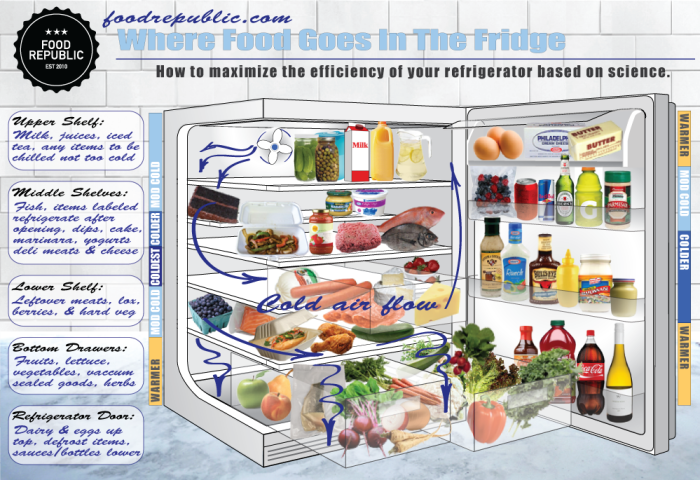
Store raw meats on lower shelves to stop their juices from dripping onto other foods. Use sealed containers for both raw and cooked items.
- Place raw meat, poultry, and seafood separately
- Use airtight containers for cooked foods
- Label containers to know what is inside
- Keep cooked foods above raw foods on shelves
First In, First Out Method
Always use older foods before newer ones. This method reduces waste and keeps food fresh.
Arrange items so you can see expiration dates. Move newer items to the back and older items to the front.
- Check dates when storing new food
- Place older items at the front
- Use labels with dates if needed
- Regularly clean and check your storage
Prep Foods Before Storage
Properly preparing foods before storing helps keep them fresh longer. It also reduces the risk of spoilage and foodborne illness.
Simple steps like washing, drying, and portioning improve food safety and convenience. These actions help maintain quality and save time later.
Washing And Drying Techniques
Clean foods remove dirt, bacteria, and pesticides. Use cold running water to wash fruits and vegetables before storage.
Dry foods well after washing. Excess moisture can cause mold and spoilage.
- Rinse under cold water for 20-30 seconds
- Use a soft brush for firm produce like potatoes
- Pat dry with a clean towel or paper towel
- Air dry leafy greens in a salad spinner
Portioning For Convenience
Divide foods into smaller portions before storing. This makes it easier to use only what you need later.
Portioning helps reduce waste and keeps food fresher by limiting exposure to air each time you open a container.
- Use resealable bags or small containers
- Label portions with date and contents
- Store meal-sized amounts for quick use
- Freeze portions for longer storage
Use Natural Preservatives
Storing perishable foods safely helps keep them fresh longer. Natural preservatives protect food without chemicals.
These preservatives slow down spoilage and prevent bacteria growth. They are safe and easy to use at home.
Salt And Vinegar Benefits
Salt draws out moisture from food. This stops bacteria from growing and spoiling the food.
Vinegar adds acid to food. Acid creates an environment where bacteria cannot grow well.
- Salt helps preserve meats, fish, and vegetables.
- Vinegar is great for pickling cucumbers and onions.
- Both add flavor while keeping food safe.
- Use moderate amounts to avoid too salty or sour taste.
Herbs And Spices For Freshness
Many herbs and spices have natural antibacterial properties. They help keep food fresh and tasty.
Examples include rosemary, thyme, and cinnamon. These can slow down spoilage and add aroma.
- Rosemary has antioxidants that protect oils in food.
- Thyme contains compounds that fight bacteria.
- Cinnamon helps stop mold and yeast growth.
- Add fresh or dried herbs to your storage containers.
Credit: medium.com
Monitor Food Regularly
Checking perishable foods often helps keep them safe to eat. It prevents waste and stops sickness.
Regular monitoring means looking for changes in smell, color, and texture. It also means knowing when food expires.
Spotting Signs Of Spoilage
Look for unusual smells that are sour or rotten. These smells mean the food is spoiled.
Check if the color of the food has changed. Dark spots or dullness can show it is bad.
- Fuzzy or moldy patches on the surface
- Slimy or sticky texture on meats or vegetables
- Swollen packaging that shows gas buildup
- Off or sour taste after cooking
Tracking Expiration Dates
Always check the expiration date before buying or using food. Eat food before this date passes.
Write down or mark dates on food containers to remember when to use them. This helps avoid eating spoiled food.
- Use older items first to reduce waste
- Keep a list of perishable foods and their dates
- Set reminders to check food before expiration
- Throw away any food past its expiration date
Handle Leftovers Safely
Leftovers are a great way to avoid food waste. Storing them safely helps keep you healthy.
Improper handling of leftovers can cause foodborne illnesses. Use safe practices to keep food fresh.
Cooling And Reheating Tips
Cool leftovers quickly to stop bacteria growth. Divide large portions into small containers for fast cooling.
Reheat leftovers until they are hot all the way through. Use a food thermometer to check the temperature.
- Put leftovers in shallow containers to cool faster
- Reheat food to at least 165°F (74°C)
- Stir food during reheating for even heat
- Do not reheat leftovers more than once
Safe Storage Durations
Store leftovers in the fridge or freezer right after cooling. Use them within safe time limits.
| Food Type | Refrigerator (days) | Freezer (months) |
|---|---|---|
| Cooked meat and poultry | 3-4 | 2-6 |
| Cooked vegetables | 3-4 | 2-3 |
| Soups and stews | 3-4 | 2-3 |
| Cooked rice and pasta | 3-5 | 1-2 |
Label containers with dates to track freshness. Throw away leftovers past safe storage times.
Credit: www.chefsplate.com
Frequently Asked Questions
How Long Can Perishable Foods Be Stored Safely?
Perishable foods generally last 1-7 days in the refrigerator. Always check the specific food’s storage guidelines to ensure safety. Use airtight containers and keep the fridge below 40°F (4°C) to extend freshness and prevent spoilage.
What Is The Best Temperature To Store Perishables?
Keep perishables at or below 40°F (4°C) in the refrigerator. Freezing at 0°F (-18°C) preserves food longer. Proper temperature control slows bacterial growth and maintains food quality, ensuring safety and freshness.
How Should I Store Raw Meat Safely?
Store raw meat on the lowest fridge shelf in sealed containers. This prevents cross-contamination with other foods. Use within recommended times or freeze to maintain safety and avoid spoilage.
Can I Store Perishable Foods At Room Temperature?
No, perishable foods should not be left at room temperature over two hours. Bacteria grow rapidly between 40°F and 140°F (4°C to 60°C). Always refrigerate perishables promptly to keep them safe to eat.
Conclusion
Storing perishable foods safely protects your health and saves money. Keep foods cold and dry to slow spoilage. Use airtight containers to stop germs and odors. Check expiration dates regularly and throw out old items. Clean your fridge often to keep it fresh.
Small habits make a big difference in food safety. Stay careful, and enjoy fresh, safe meals every day.