
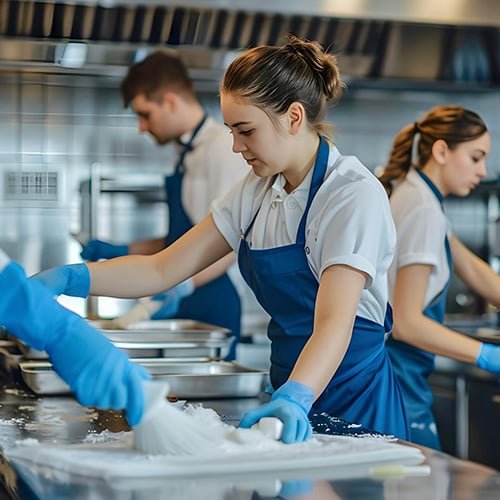
Keeping your food prep areas clean and safe is more important than you might think. Every time you prepare a meal, germs and bacteria can sneak in and cause illness.
But don’t worry—sanitizing your kitchen surfaces properly is easier than it sounds. You’ll discover simple, effective steps to make sure your food prep areas stay spotless and safe. By following these tips, you’ll protect your health and enjoy cooking with confidence.
Ready to learn how to sanitize like a pro? Let’s dive in.
Credit: www.europeancleaningjournal.com
Importance Of Sanitizing Food Prep Areas
Sanitizing food prep areas is crucial for keeping food safe. Clean surfaces help prevent germs and bacteria from spreading.
Germs can easily transfer from one surface to another. Proper sanitation stops this from happening and keeps food safe.
Preventing Cross-contamination
Cross-contamination happens when germs move from one item to another. It can make people sick if not controlled.
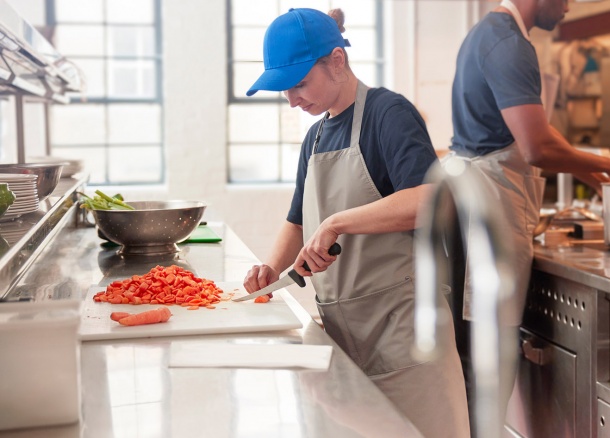
Using separate cutting boards for meat and vegetables helps. Cleaning surfaces after each use is also important.
- Wash hands before handling food
- Use clean utensils for each task
- Keep raw and cooked foods separate
Reducing Foodborne Illness Risks
Foodborne illnesses can cause serious health issues. Sanitizing helps reduce these risks.
Cleaning counters and tools with disinfectant can kill harmful bacteria. It’s a simple step to protect health.
- Disinfect surfaces regularly
- Store food at correct temperatures
- Use food-safe cleaning products
Maintaining Hygiene Standards
Maintaining hygiene is essential for any food prep area. It ensures food safety and quality.
Regular cleaning schedules help maintain high hygiene standards. This keeps both workers and customers safe.
- Follow a daily cleaning checklist
- Train staff on proper sanitation practices
- Inspect equipment regularly
Essential Tools And Supplies
Sanitizing food prep areas keeps food safe and clean. Using the right tools helps remove germs and dirt well.
Good supplies make cleaning easier and protect your health. Let’s look at what you need to sanitize properly.
Cleaning Agents And Disinfectants
Cleaning agents remove dirt and grease from surfaces. Disinfectants kill germs and bacteria left behind after cleaning.
Use food-safe products made for kitchen use. Follow instructions for safe and effective cleaning.
- Dish soap or degreaser for washing
- Chlorine bleach or quaternary ammonium compounds for disinfecting
- Sanitizing sprays or wipes approved for food contact surfaces
Protective Gear
Wear protective gear to avoid contact with harmful chemicals. This gear keeps your skin and eyes safe.
Choose gear that fits well and is easy to clean or dispose of after use.
- Gloves made of nitrile or rubber
- Safety goggles to protect eyes
- Aprons or lab coats to protect clothes
- Face masks if using strong sprays
Sanitizing Equipment
Use the right equipment to apply cleaning agents and disinfectants. This helps reach all surfaces properly.
Keep equipment clean and replace worn items to avoid spreading germs.
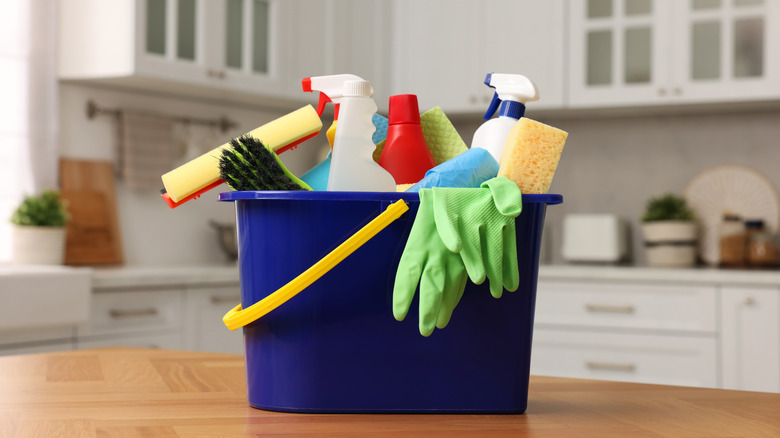
- Scrub brushes for tough stains
- Clean cloths or sponges for wiping
- Mop and bucket for floors
- Spray bottles for disinfectant liquids
- Disposable wipes for quick cleaning
Step-by-step Cleaning Process
Sanitizing food prep areas is important to keep food safe and clean. Follow these steps to clean your surfaces properly.
Each step helps remove germs and dirt. Clean areas prevent food contamination and illness.
Removing Debris And Food Particles
Start by clearing all crumbs, dirt, and leftover food from the surfaces. Use a brush or cloth to sweep away debris.
Removing particles first helps the cleaning solution work better. It also stops dirt from spreading.
- Use a dry cloth or paper towel to wipe loose debris
- Scrape off stuck food with a plastic spatula
- Empty trash bins near the prep area
- Dispose of debris safely to avoid cross-contamination
Washing Surfaces Thoroughly
After debris is gone, wash all surfaces with warm, soapy water. This removes oils and dirt that can hide germs.
Use a clean sponge or cloth and scrub all areas well. Rinse with clean water to remove soap residue.
- Prepare warm water and food-safe detergent
- Use a scrub brush or sponge to clean surfaces
- Rinse surfaces with fresh water
- Change cloths often to avoid spreading dirt
Applying Sanitizers Correctly
Use a sanitizer approved for food contact surfaces. Follow the label instructions for mixing and use.
Apply sanitizer evenly over all surfaces. This kills bacteria and other harmful microbes.
- Mix sanitizer as per product guidelines
- Use a spray bottle or clean cloth to apply
- Cover all surfaces without missing spots
- Avoid wiping off sanitizer before drying
Allowing Proper Drying Time
Let surfaces air dry completely after sanitizing. Do not wipe them dry unless the label says it is safe.
Drying time helps sanitizer kill germs fully. Wet surfaces can attract new dirt and germs.
- Leave surfaces untouched until dry
- Check label for recommended drying time
- Use fans or good airflow to speed drying
- Do not use towels to dry unless allowed

Credit: www.youtube.com
Sanitizing Different Surfaces
Keeping food prep areas clean prevents germs and bacteria. Sanitizing surfaces stops cross-contamination.
Different surfaces need special care. Use the right cleaning steps for each area.
Countertops And Cutting Boards
Wipe countertops with warm soapy water to remove dirt. Then use a food-safe sanitizer spray.
Cutting boards must be cleaned after every use. Use hot water and dish soap, then sanitize.
- Use separate boards for meat and vegetables
- Sanitize wooden boards with vinegar or bleach solution
- Plastic boards can go in the dishwasher
Utensils And Knives
Wash utensils and knives in hot soapy water. Rinse well to remove soap residue.
Sanitize with a bleach solution or dishwasher. Dry completely to prevent rust and bacteria.
- Use a brush to clean knife blades safely
- Do not soak knives for too long
- Store utensils in a clean, dry place
Sink And Faucet Areas
Clean sinks daily using dish soap and hot water. Pay attention to corners and drains.
Sanitize faucet handles and sink edges with disinfectant wipes or spray. Dry with a clean cloth.
- Remove food debris before cleaning
- Use a scrub brush for tough spots
- Keep the area dry to stop mold growth
Appliance Handles And Controls
Wipe handles and controls often. Use a cloth with disinfectant to kill germs.
Avoid spraying liquids directly on buttons. Spray cloth first, then wipe surfaces carefully.
- Focus on high-touch spots like fridge and microwave handles
- Clean controls daily to prevent bacteria build-up
- Use gentle cleaners to avoid damage
Frequency And Timing Of Sanitization
Keeping food prep areas clean is key to safe cooking. Regular sanitizing stops germs from spreading.
Knowing when to sanitize helps keep your kitchen safe and healthy. Timing is very important.
Before And After Food Prep
Always sanitize food prep surfaces before starting any cooking. This removes dirt and germs.
After finishing food prep, clean and sanitize all surfaces again. This stops cross-contamination.
- Wipe surfaces with soap and water
- Apply a food-safe sanitizer
- Let surfaces air dry or dry with a clean cloth
Between Handling Different Foods
Sanitize surfaces between handling different foods. This prevents germs from moving from one food to another.
For example, clean areas after touching raw meat before preparing vegetables or cooked food.
- Use separate cutting boards if possible
- Sanitize surfaces and tools after each use
- Wash hands before moving to the next food item
Daily And Deep Cleaning Schedules
Sanitize food prep areas daily to maintain hygiene. This includes counters, sinks, and equipment.
Deep cleaning should happen weekly or monthly. This removes buildup and hard-to-see germs.
- Daily: wipe and sanitize all prep surfaces
- Weekly: clean behind and under equipment
- Monthly: sanitize walls, vents, and floors
Credit: www.chowhound.com
Common Mistakes To Avoid
Sanitizing food prep areas is important to keep food safe. Many people make mistakes that reduce cleaning effectiveness.
Knowing what to avoid helps keep your kitchen clean and healthy. Here are common errors to watch out for.
Using Inappropriate Cleaners
Not all cleaners work well on food prep surfaces. Some can leave harmful residues or damage surfaces.
Choose cleaners made for kitchen use. Avoid using bleach or strong chemicals without proper instructions.
- Check if the cleaner is safe for food areas
- Do not mix cleaners as it can create toxic fumes
- Use mild detergents or sanitizer solutions recommended for kitchens
Skipping Rinsing Steps
Some cleaners need rinsing after use. Skipping this can leave chemicals on surfaces.
Always rinse food prep areas with clean water if the cleaner instructions say so. This stops contamination.
- Read cleaner labels carefully for rinsing instructions
- Use clean water and a clean cloth or sponge to rinse
- Do not let residues stay on surfaces before food contact
Ignoring Hard-to-reach Areas
Bacteria can hide in corners, cracks, and behind appliances. These spots need extra attention.
Do not only clean visible surfaces. Check and sanitize less obvious areas regularly.
- Clean under sinks and behind cutting boards
- Check seams, edges, and appliance crevices
- Use brushes or cloths to reach tight spots
Tips For Maintaining Long-term Cleanliness
Keeping food prep areas clean is important for food safety. Long-term cleanliness helps prevent contamination and keeps the kitchen safe.
Good habits and clear plans make cleaning easier. This guide covers ways to keep your kitchen clean over time.
Establishing Cleaning Routines
Create daily and weekly cleaning schedules for all food prep surfaces. Consistent routines stop dirt and germs from building up.
Use checklists to make sure no area is missed. Set specific times for cleaning tasks to keep the kitchen organized.
- Clean and sanitize counters after each use
- Wash cutting boards and utensils daily
- Empty trash bins regularly to avoid odors
- Disinfect sinks and faucets every day
- Schedule deep cleaning once a week
Training Kitchen Staff
Teach all kitchen workers the right ways to clean and sanitize. Proper training helps keep food prep areas safe.
Use simple instructions and show how to clean surfaces correctly. Make sure everyone knows why cleanliness matters.
- Explain the importance of hygiene and sanitation
- Demonstrate proper cleaning and sanitizing steps
- Train staff to use cleaning products safely
- Encourage asking questions if unsure
- Refresh training regularly to keep skills sharp
Regular Inspections And Audits
Check food prep areas often to find problems early. Regular inspections ensure cleaning routines are followed well.
Use audits to measure cleanliness and improve processes. Report results to staff and adjust plans as needed.
- Inspect surfaces for dirt and stains daily
- Check cleaning logs for completion
- Test sanitizer solutions for correct strength
- Review staff cleaning techniques during audits
- Provide feedback and update cleaning plans
Frequently Asked Questions
How Often Should I Sanitize Food Prep Areas?
Sanitize food prep areas after every use to prevent bacteria build-up. Regular sanitizing reduces cross-contamination and keeps surfaces safe for food handling.
What Is The Best Sanitizer For Food Prep Surfaces?
Use food-safe sanitizers like diluted bleach solutions or commercial kitchen sanitizers. These effectively kill germs without harming food or surfaces.
Can I Use Natural Products To Sanitize Food Areas?
Yes, natural options like vinegar or hydrogen peroxide work well. They offer safe, chemical-free sanitation for food prep spaces.
Should I Clean Before Sanitizing Food Prep Areas?
Always clean surfaces with soap and water first. Removing dirt and debris improves sanitizer effectiveness and ensures thorough disinfection.
Conclusion
Sanitizing food prep areas keeps your kitchen safe and clean. Use soap and water first to remove dirt. Then apply a sanitizer to kill harmful germs. Clean surfaces often, especially after handling raw food. Dry with a clean cloth to avoid bacteria growth.
Simple steps protect your family from foodborne illness. Stay consistent and make sanitizing a daily habit. Safe food prep starts with a clean space.