
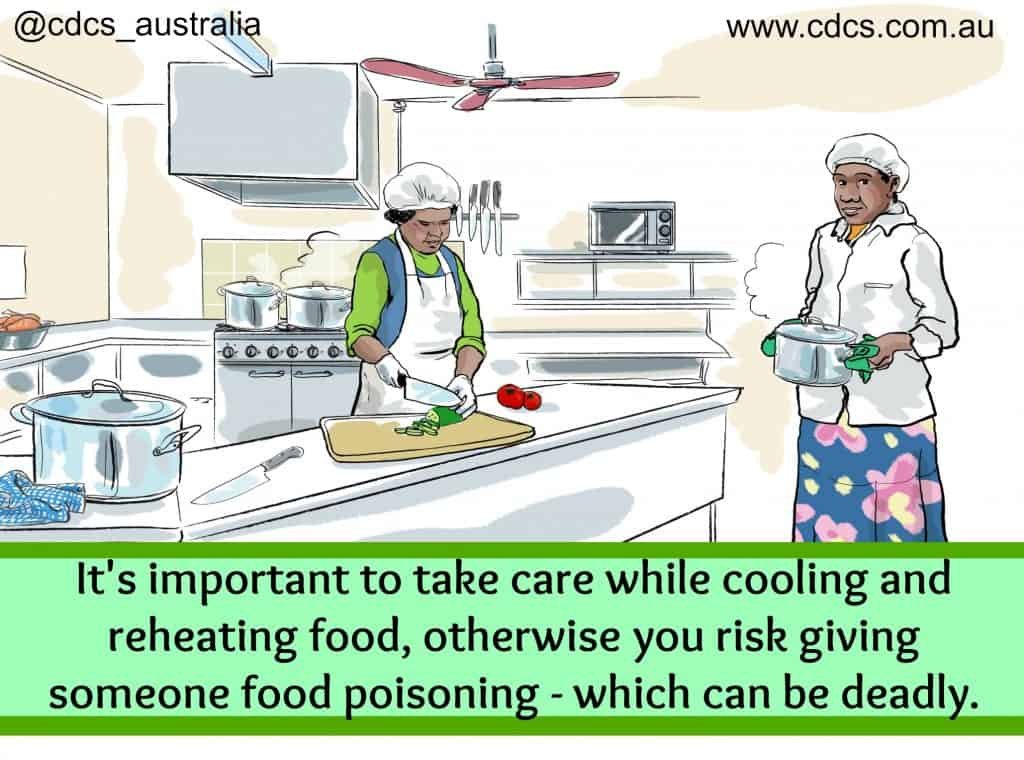
Keeping your kitchen clean while you cook isn’t just about looks—it’s about your health and the taste of your food. Imagine avoiding foodborne illnesses and making every meal safer for you and your loved ones.
You might think maintaining hygiene takes too much time or effort, but small habits can make a big difference. You’ll discover simple, practical tips that fit right into your cooking routine. Ready to transform your kitchen into a cleaner, safer space without stress?
Keep reading to learn how easy it can be.
Keep Surfaces Clean
Maintaining kitchen hygiene is important for health. Clean surfaces keep germs away.
Germs can spread easily in the kitchen. Clean surfaces often to prevent this.
Wipe Counters Regularly
Wipe your kitchen counters after preparing food. Use a damp cloth and mild soap.
This keeps food particles from attracting pests. Regular cleaning removes bacteria.
- Use a clean cloth each time
- Dry the surface after wiping
- Pay special attention to corners
Sanitize Cutting Boards
Use separate cutting boards for meat and vegetables. Wash them after each use.
Sanitizing cutting boards prevents cross-contamination. This protects your family from germs.
| Material | Sanitizing Method |
| Wood | Vinegar and baking soda |
| Plastic | Hot water and bleach |
Clean Appliances After Use
Appliances like blenders and microwaves need regular cleaning. Wipe them after use.
This prevents food buildup and keeps them working well. Clean appliances do not spread germs.
- Unplug before cleaning
- Use mild cleaners
- Dry thoroughly to prevent rust
Practice Proper Hand Hygiene
Keeping your hands clean is important while cooking. It helps stop germs from spreading to food.
Good hand hygiene protects you and everyone eating your meals.
Wash Hands Before Cooking
Always wash your hands with soap and water before you start cooking. This removes dirt and germs.
Wash for at least 20 seconds and dry with a clean towel.
- Use warm water and soap
- Scrub all hand areas, including under nails
- Rinse well and dry with a clean towel
Use Gloves When Necessary
Wear gloves if you have cuts or sores on your hands. Gloves protect food from germs.
Change gloves often and never touch raw and cooked food with the same gloves.
- Put on clean gloves before handling food
- Change gloves after touching raw meat or fish
- Remove gloves before touching your face or phone
Avoid Touching Face
Do not touch your eyes, nose, or mouth while cooking. Your hands can carry germs there.
If you touch your face, wash your hands before continuing to cook.
Store Food Safely
Keeping your kitchen clean is important for safe cooking. Storing food properly helps stop germs from spreading. It also keeps food fresh longer.
Follow simple steps to store your food safely. This protects your family from food poisoning and waste.
Separate Raw And Cooked Foods
Keep raw foods away from cooked foods. Raw meat, fish, and eggs have bacteria that can spread. Cooked foods are ready to eat and must stay clean.
Use different containers and cutting boards for raw and cooked items. This stops germs from mixing.
Use Airtight Containers
Store food in airtight containers to keep air and moisture out. This slows down spoilage and stops bugs from getting in.
Clear containers help you see the food inside. Label them with the date to track freshness.
Refrigerate Promptly
Put perishable foods in the fridge right after cooking or buying. Bacteria grow fast at room temperature.
Keep your fridge at or below 40°F (4°C). Store leftovers in small portions for quick cooling.
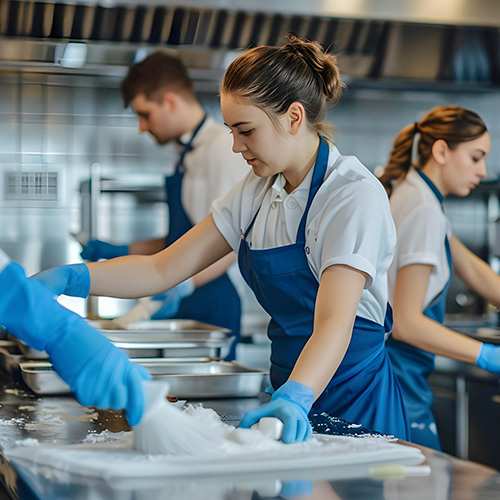
Credit: www.webstaurantstore.com
Handle Utensils Carefully
Keeping your kitchen clean is very important for safe cooking. Handling utensils properly helps stop germs from spreading.
Using the right tools for the right food keeps your cooking healthy and safe.
Use Separate Knives For Different Foods
Use one knife for raw meat and a different one for vegetables. This stops bacteria from moving between foods.
Mark or color-code your knives to know which one to use for each food type.
- One knife for raw meat and fish
- One knife for fruits and vegetables
- One knife for cooked foods
Clean Utensils Frequently
Wash your utensils often while cooking. Clean tools help keep food safe and tasty.
Use hot water and soap to clean knives, spoons, and cutting boards after each use.
- Wash after cutting raw meat
- Clean before using for other foods
- Dry utensils well to avoid germs
Avoid Cross-contamination
Cross-contamination happens when bacteria spread from one food to another. This can make you sick.
Use clean utensils and surfaces for each food type. Keep raw and cooked foods apart.
- Keep raw meat away from vegetables
- Use separate cutting boards
- Wash hands after touching raw food
Manage Waste Properly
Keeping your kitchen clean is important while cooking. Managing waste properly helps stop bad smells and germs.
Throwing away waste the right way keeps your kitchen safe and healthy.
Dispose Of Food Scraps Quickly
Throw food scraps into the trash or compost right away. Leaving scraps out can cause pests and bad smells.
Use a small bowl or container to collect scraps while cooking. Empty it often to keep the kitchen clean.
Use Covered Trash Bins
Use trash bins with lids to keep waste covered. This stops flies and bugs from getting inside.
Covered bins also help reduce odors in your kitchen. Make sure the lid fits tightly.
Clean Trash Area Regularly
Clean the trash bins and the area around them often. This stops germs from spreading in your kitchen.
- Wash bins with soap and hot water
- Dry bins before using them again
- Wipe the floor and walls near the trash area
- Remove any spilled waste immediately

Credit: satishcaterers.in
Control Pests Effectively
Keeping your kitchen clean helps stop pests from coming in. Pests can spread germs and make food unsafe.
Use simple ways to keep pests away while you cook. This helps keep your kitchen safe and healthy.
Seal Entry Points
Check your kitchen for cracks and holes. Pests use these to enter your home.
Seal gaps around doors, windows, and pipes. Use weatherstripping or caulk to close spaces.
- Inspect walls and floors for small openings
- Fix torn window screens
- Use door sweeps to block gaps under doors
Keep Kitchen Dry
Pests like moist places. Keep your kitchen dry to stop them from settling.
Fix leaks and wipe spills right away. Use a fan or open windows to improve air flow.
- Check under the sink for leaks
- Dry wet counters and floors quickly
- Empty trash bins regularly
Store Food In Pest-proof Containers
Keep food in sealed containers to block pests. This stops bugs and rodents from reaching food.
Use containers made of glass, metal, or strong plastic with tight lids. Avoid leaving food open or uncovered.
- Label containers with the date of storage
- Clean containers before reuse
- Store pet food in sealed containers too
Maintain Personal Cleanliness
Keeping yourself clean is very important when cooking. It helps stop germs from getting into food.
Good personal hygiene protects you and the people eating your food.
Tie Back Hair
Tie your hair back to stop it from falling into the food. Loose hair can carry dirt and germs.
Use a hair tie, clip, or cap to keep hair away from your face and cooking area.
Wear Clean Clothing
Wear clean clothes to keep the kitchen safe. Dirty clothes can bring bacteria into the food.
Change clothes if they get dirty or stained while cooking.
- Use aprons to protect your clothes
- Wash cooking clothes regularly
- Avoid wearing jewelry that can fall into food
Avoid Cooking When Sick
Do not cook if you feel sick. Illness can spread germs to the food you prepare.
If you must cook, wear a mask and wash your hands often to reduce risk.
:max_bytes(150000):strip_icc()/Health-GettyImages-WashingFruitsAndVegetables-260aacef11794bfd83a893d59a73c443.jpg)
Credit: www.health.com
Frequently Asked Questions
How Often Should I Clean Kitchen Surfaces During Cooking?
Clean kitchen surfaces before and after cooking. Wipe spills immediately to prevent bacteria growth. Regular cleaning reduces contamination risks and keeps your kitchen hygienic.
What Is The Best Way To Wash Hands While Cooking?
Wash hands with warm water and soap for at least 20 seconds. Clean under nails and between fingers. Handwashing prevents cross-contamination and foodborne illnesses.
How Can I Prevent Cross-contamination In The Kitchen?
Use separate cutting boards for raw meat and vegetables. Clean utensils and surfaces thoroughly between uses. This practice avoids transferring harmful bacteria to ready-to-eat foods.
Why Is Proper Food Storage Important For Kitchen Hygiene?
Proper food storage prevents spoilage and bacterial growth. Store raw and cooked foods separately in sealed containers. Maintain correct temperatures to ensure food safety and freshness.
Conclusion
Keeping your kitchen clean helps protect your health and food quality. Wash hands often and clean surfaces regularly. Use separate cutting boards for raw and cooked foods. Dispose of trash quickly to avoid germs. Clean utensils and dishes right after use.
Small habits make a big difference in hygiene. A tidy kitchen makes cooking safer and more enjoyable. Stay careful, stay healthy, and enjoy your meals.