

Your cutting board is one of the busiest tools in your kitchen. But if it’s not properly cleaned, it can become a breeding ground for harmful bacteria that put your health at risk.
You might think rinsing it quickly is enough, but there’s more to keeping your cutting board truly clean and safe. You’ll discover simple yet powerful tips that make cleaning your cutting boards easier and more effective. By the end, you’ll feel confident that your kitchen stays safe and your meals stay fresh.
Keep reading—your health depends on it.

Credit: miti-life.com
Choosing The Right Cutting Board
Cutting boards are essential in every kitchen. They come in different materials and sizes. Picking the right board can keep your kitchen clean and safe.
It’s important to consider material, size, and features. These factors affect how well a cutting board works for you.
Wood Vs Plastic Boards
Wood and plastic are the most common cutting board materials. Each has its benefits and drawbacks.
- Wood boards are gentle on knives and look nice. They can be harder to clean.
- Plastic boards are easy to clean and often cheaper. They can dull knives faster.
Board Size And Thickness
The size and thickness of a board influence its usefulness. Larger boards offer more space but need more storage.
Thicker boards are more stable and last longer. However, they are heavier and harder to move.
Non-slip Features
Non-slip features keep your board steady during use. This helps prevent accidents in the kitchen.
- Some boards have rubber feet for better grip.
- Others have textured surfaces to prevent sliding.
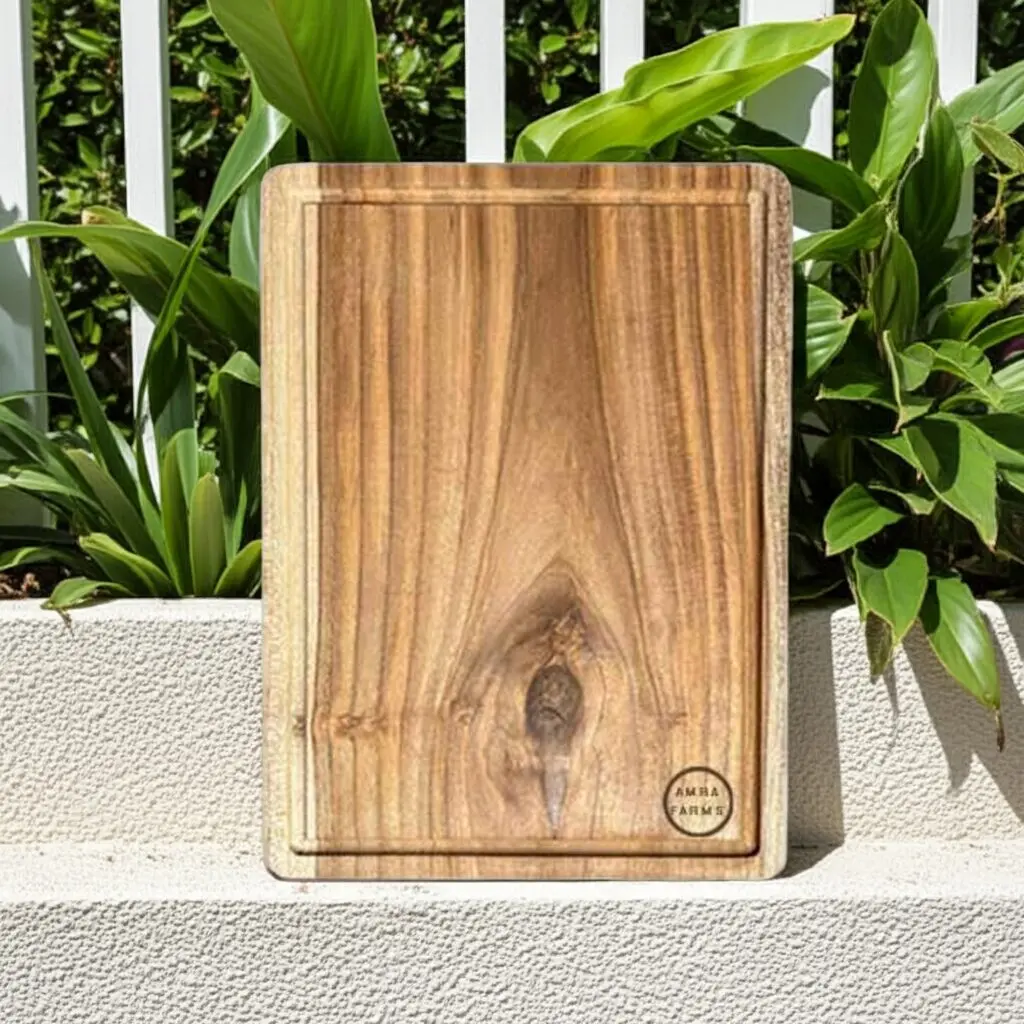
Credit: choppingboards.in
Daily Cleaning Techniques
Keeping cutting boards clean is important to stop germs from spreading. Cleaning them every day helps keep your kitchen safe.
Use simple steps that remove food bits and kill bacteria. These easy habits protect your family’s health.
Washing With Soap And Water
Wash your cutting board right after use with warm water and soap. Scrub both sides well to remove food scraps.
Use a sponge or brush for better cleaning. Rinse the board fully to remove all soap.
- Use warm water to loosen food particles
- Apply dish soap and scrub thoroughly
- Rinse until no soap remains
- Clean all sides of the board
Using Vinegar For Disinfection
Vinegar is a natural way to kill bacteria on cutting boards. Spray or wipe white vinegar on the surface after washing.
Let the vinegar sit for a few minutes. Then rinse the board with water to remove vinegar smell.
- Use plain white vinegar
- Apply with a spray bottle or cloth
- Wait 5 minutes before rinsing
- Helps kill germs without harsh chemicals
Drying Methods To Prevent Bacteria
Dry your cutting board completely to stop bacteria growth. Use a clean towel or air dry it standing up.
Make sure both sides dry well. Avoid stacking wet boards to prevent mold and germs.
- Use a clean cloth or paper towel
- Stand board on edge to air dry
- Do not stack boards while wet
- Drying stops bacteria from growing
Deep Cleaning Hacks
Cutting boards need regular cleaning to stay safe and last longer. Deep cleaning removes stains and germs that simple washing misses.
Try these easy deep cleaning hacks to keep your cutting boards fresh and clean.
Baking Soda Scrub
Baking soda is a gentle cleaner that removes stains and odors. It helps brighten your cutting board without harsh chemicals.
Sprinkle baking soda on the board, then scrub with a damp sponge or cloth. Let it sit for a few minutes before rinsing well.
- Use about two tablespoons of baking soda
- Scrub in circular motions
- Rinse with warm water
Lemon And Salt Treatment
Lemon and salt work together to clean and deodorize cutting boards. The acid in lemon breaks down stains, while salt scrubs away grime.
Cut a lemon in half, dip it in salt, then rub it over the board’s surface. Let it sit for five minutes before rinsing off.
- Use coarse salt for better scrubbing
- Focus on stained or smelly areas
- Rinse with warm water after treatment
Bleach Solutions And Safety
Bleach kills bacteria on cutting boards but must be used carefully. Always dilute bleach before applying it to avoid damage and health risks.
Mix one tablespoon of bleach with one gallon of water. Soak the board for a few minutes, then rinse thoroughly with water.
- Use gloves to protect your skin
- Work in a well-ventilated area
- Do not mix bleach with other cleaners
- Rinse board well to remove all bleach
Preventing Cross-contamination
Keeping cutting boards clean helps stop germs from spreading. Cross-contamination happens when bacteria move from one food to another.
Using the right tools and habits can protect your food and health. Here are tips to prevent cross-contamination.
Color-coded Boards
Color-coded boards help keep foods separate. Use different colors for different types of food.
- Red for raw meat
- Green for vegetables
- Blue for fish
- Yellow for cooked foods
This system makes it easy to know which board to use. It lowers the chance of germs spreading between foods.
Separate Boards For Meat And Vegetables
Use separate boards for meat and vegetables. Raw meat can carry harmful bacteria that vegetables do not.
Keep one board only for meat and another only for vegetables. This stops bacteria from meat getting on fresh veggies.
Proper Storage Tips
Store cutting boards in a clean, dry place. Avoid stacking boards before they dry fully.
- Keep boards upright to air dry
- Clean boards right after use
- Use a rack or holder to keep boards separate
- Replace boards with deep cuts or damage
Proper storage stops bacteria growth and keeps boards ready for safe use.
Maintaining Wooden Boards
Wooden cutting boards are strong and look great in kitchens. They need care to stay clean and last longer.
Proper maintenance stops damage and keeps the wood healthy. Here are tips to help you maintain your wooden boards.
Oiling Frequency And Techniques
Oiling wooden boards stops them from drying out and cracking. Apply oil regularly to keep the wood smooth.
Use food-safe mineral oil. Avoid vegetable oils because they can turn rancid.
- Clean the board and dry it well before oiling.
- Pour a small amount of oil on the surface.
- Use a soft cloth to rub the oil in all directions.
- Let the oil soak for a few hours or overnight.
- Wipe off any extra oil with a clean cloth.
Sanding Out Stains And Cuts
Wooden boards can get stains and knife marks over time. Sanding helps remove these marks and smooths the surface.
Use fine-grit sandpaper to avoid damaging the board. Sand gently in the direction of the wood grain.
- Clean and dry the board before sanding.
- Sand the stained or cut areas evenly.
- Wipe away dust with a damp cloth.
- Apply oil after sanding to protect the wood.
Avoiding Warping And Cracking
Wood can warp or crack if exposed to too much water or heat. Proper care helps keep the board flat and strong.
Do not soak wooden boards in water or put them in the dishwasher. Dry boards completely after washing.
- Wash with warm soapy water and rinse quickly.
- Dry the board with a towel right after washing.
- Store the board standing up or flat in a dry place.
- Oil the board regularly to keep wood hydrated.

Credit: www.yahoo.com
Replacing Your Cutting Board
Cutting boards can get worn out over time. It is important to know when to replace them.
Replacing a cutting board keeps your kitchen clean and safe for food preparation.
Signs Of Wear And Tear
Look for deep grooves and cracks on your cutting board. These can trap bacteria.
Discoloration and warping also show that the board is aging and less safe to use.
- Deep cuts and scratches
- Cracks or splits
- Stains that do not wash out
- Warped or bent surface
When To Upgrade For Hygiene
Replace your cutting board if it smells bad or does not clean well. This means bacteria may remain.
Use separate boards for meat and vegetables. Replace boards that cross-contaminate food.
- Board smells even after washing
- Bacteria stains or mold appear
- Cross-contamination risk between foods
- Board is old and heavily used
Eco-friendly Disposal Options
Do not throw cutting boards in the trash if possible. Choose green ways to dispose of them.
Wood boards can be recycled or composted. Plastic boards may need special recycling.
- Check local recycling rules
- Compost natural wood boards
- Donate boards if still usable
- Cut plastic boards for recycling centers
Frequently Asked Questions
How Often Should I Clean My Cutting Board?
Clean your cutting board after every use to prevent bacteria buildup. Use hot, soapy water and rinse thoroughly. Regular cleaning ensures food safety and prolongs the board’s lifespan.
What Is The Best Way To Sanitize Cutting Boards?
Use a mixture of one tablespoon bleach per gallon of water to sanitize. Apply, let sit for a few minutes, then rinse well. This method kills harmful germs effectively without damaging the board.
Can I Put My Cutting Board In The Dishwasher?
Wood cutting boards should not go in the dishwasher as heat and water cause warping. Plastic boards may be dishwasher safe but check manufacturer guidelines for confirmation.
How Do I Remove Stains And Odors From Cutting Boards?
Sprinkle coarse salt and rub with lemon juice on the board’s surface. Let it sit for five minutes, then rinse. This natural method removes stains and neutralizes odors safely.
Conclusion
Clean cutting boards keep your kitchen safe and healthy. Wash them well after every use. Dry them fully to stop germs from growing. Use separate boards for meat and vegetables. Replace old boards when they get deep cuts. Small habits protect your food and family.
Stay consistent with these simple tips. Enjoy cooking with fresh, clean tools every day.