
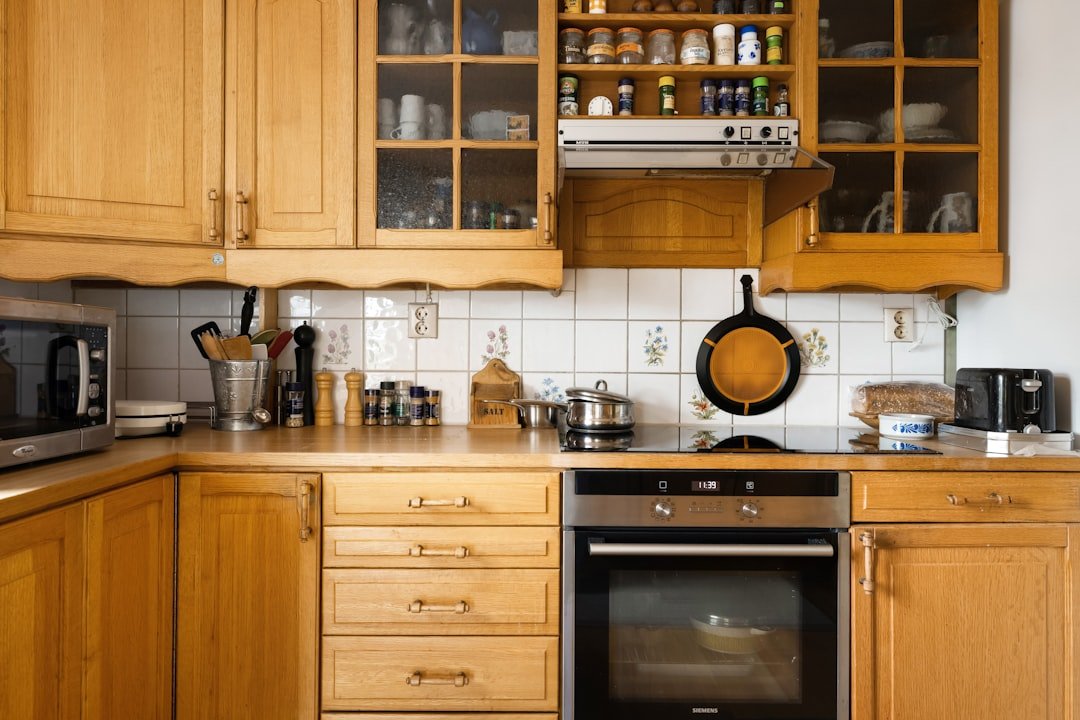
Your kitchen appliances work hard every day, helping you prepare meals and keep your home running smoothly. But when was the last time you gave them a good clean?
Keeping your appliances spotless isn’t just about looks—it affects how well they work and how long they last. Imagine opening your fridge to a fresh, odor-free space or turning on your oven that heats evenly every time. You’ll discover simple, effective ways to maintain clean kitchen appliances that save you money and make cooking more enjoyable.
Ready to transform your kitchen? Let’s dive in!

Credit: www.pnjcleaners.com
Daily Cleaning Habits
Keeping kitchen appliances clean is important. Daily cleaning helps maintain their efficiency. It also extends their lifespan.
Simple daily habits ensure your appliances work well. They also keep your kitchen hygienic and safe.
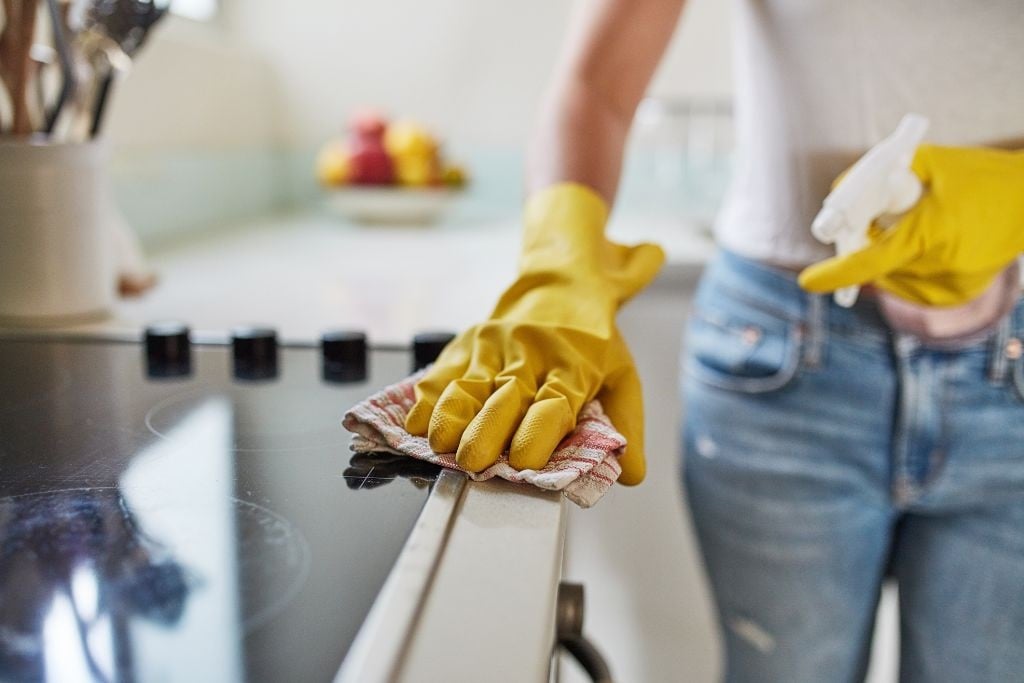
Wiping Surfaces After Use
Wiping surfaces after each use prevents grime buildup. It keeps appliances looking new and fresh.
Use a damp cloth or sponge. Ensure it is clean to avoid spreading dirt.
- Wipe down stovetops after cooking
- Clean microwave interiors daily
- Remove splatters from oven doors
Emptying Crumbs And Debris
Crumbs and debris can attract pests. They also cause unpleasant odors.
Empty crumb trays in toasters. Shake out any loose crumbs daily.
- Check toaster trays regularly
- Clear crumbs from microwave corners
- Vacuum debris under fridge
Using Mild Detergents
Mild detergents are safe for most appliances. They clean without damaging surfaces.
Always use a gentle, non-abrasive cleaner. It helps maintain appliance finishes.
- Use dish soap for stovetops
- Apply mild cleaner for microwaves
- Wipe fridges with gentle detergents
Credit: www.news24.com
Deep Cleaning Techniques
Keeping kitchen appliances clean helps them last longer and work better. Deep cleaning removes dirt and grime that regular wipes miss.
Use special techniques to tackle tough stains, clean filters, and remove mineral build-up. These steps keep your kitchen safe and fresh.
Removing Stubborn Stains
Stubborn stains on appliances need more than surface cleaning. Use gentle scrubbing with baking soda paste to lift tough marks.
Apply the paste, let it sit for 10 minutes, then scrub with a soft cloth. Avoid harsh scrubbing to protect surfaces.
- Mix baking soda with water to make a paste
- Apply paste on stains and wait 10 minutes
- Scrub gently with a soft cloth or sponge
- Wipe clean with a damp cloth
Cleaning Appliance Filters
Filters trap dirt and grease. Clean them often to keep appliances running well. Remove filters carefully before washing.
Use warm soapy water and a soft brush to clean filters. Rinse well and dry fully before placing them back.
- Turn off and unplug the appliance
- Remove the filter according to the manual
- Soak filter in warm soapy water for 15 minutes
- Brush gently to remove grease and debris
- Rinse and dry completely before reinstalling
Descaling With Vinegar
Mineral build-up can harm appliances like kettles and coffee makers. Vinegar helps dissolve these deposits safely.
Fill the appliance with a vinegar and water mix. Let it sit, then run a cycle or boil. Rinse well to remove vinegar smell.
- Mix equal parts white vinegar and water
- Fill the appliance with the mixture
- Let it sit for 30 minutes to 1 hour
- Run a cleaning cycle or boil the solution
- Discard the solution and rinse with clean water
- Repeat rinsing until vinegar smell fades
Specific Appliance Care
Keeping kitchen appliances clean helps them work better and last longer. Each appliance needs its own care routine.
Regular cleaning stops dirt and germs from building up. It also keeps your kitchen safe and fresh.
Oven Cleaning Tips
Clean your oven regularly to prevent food smells and burnt stains. Use safe cleaners and avoid harsh chemicals.
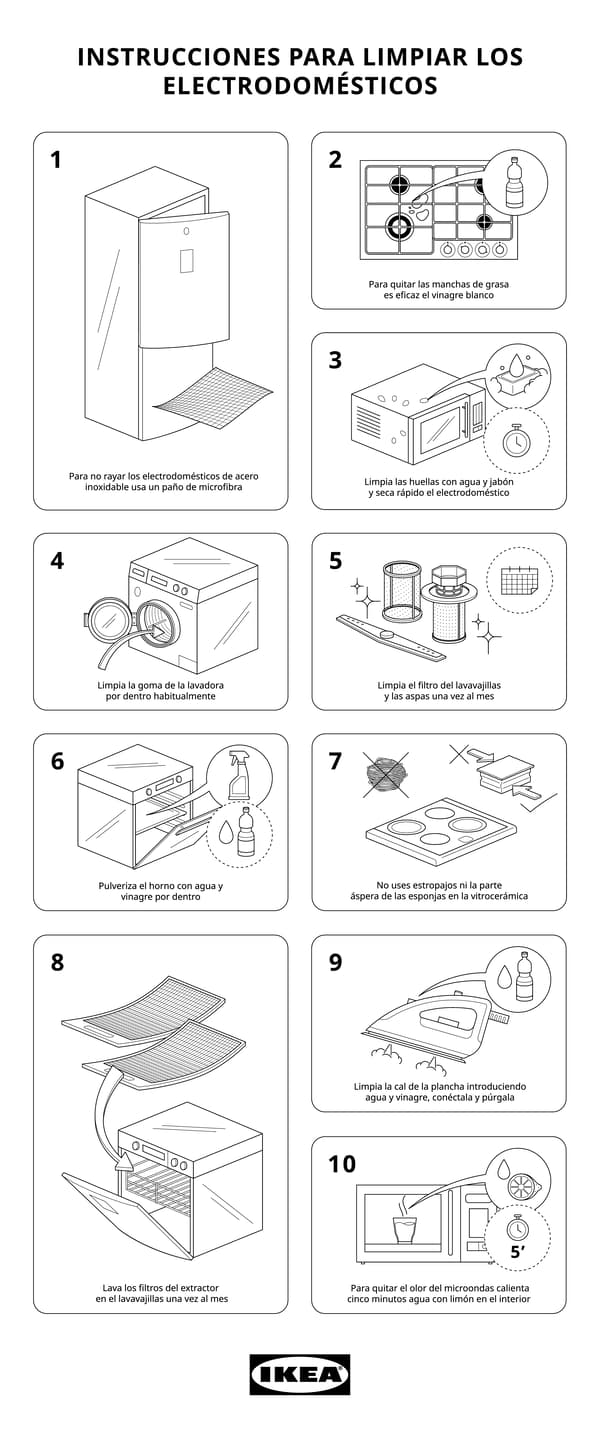
Remove oven racks and soak them in warm soapy water. Wipe the inside with a baking soda paste to loosen grime.
- Sprinkle baking soda inside the oven
- Spray water on baking soda to make a paste
- Let it sit for 20 minutes before scrubbing
- Wipe with a damp cloth until clean
- Dry the oven completely before use
Microwave Maintenance
Keep your microwave clean to avoid smells and stains. Wipe spills quickly to stop buildup.
Steam cleaning works well. Heat a bowl of water with lemon juice for five minutes. Then, wipe the inside with a cloth.
- Use a damp cloth to clean the exterior
- Remove and clean the turntable regularly
- Never use metal or abrasive materials inside
- Dry inside and outside after cleaning
Refrigerator Cleaning Tricks
Clean your fridge to keep food fresh and avoid bad odors. Check for expired items often.
Use a solution of warm water and baking soda to wipe shelves and walls. Remove drawers and wash them separately.
- Empty the fridge before cleaning
- Use mild soap or baking soda mix
- Wipe door seals and handles carefully
- Dry all parts well before replacing items
Dishwasher Upkeep
Keep your dishwasher clean to avoid bad smells and clogs. Check the filter and spray arms often.
Run an empty cycle with vinegar or a dishwasher cleaner once a month. Wipe the door seals and clean the drain area.
- Remove food scraps from the filter regularly
- Check spray arms for blockages
- Use dishwasher cleaner monthly
- Leave the door open after use to dry
Credit: www.ikea.com
Safe Cleaning Products
Keeping kitchen appliances clean is important for health and safety. Using safe cleaning products helps avoid damage and harmful chemicals.
Choosing the right cleaners protects your appliances and your family from toxic exposure.
Choosing Non-toxic Cleaners
Non-toxic cleaners are gentle on appliances and safe for your home. They do not contain harsh chemicals that can cause damage or leave harmful residues.
Look for products labeled as biodegradable or free from ammonia, bleach, and strong acids.
- Use cleaners with natural ingredients
- Avoid products with synthetic fragrances or dyes
- Check labels for safety certifications
Homemade Cleaning Solutions
Homemade cleaners use simple ingredients found in most kitchens. They clean well and are safer for your appliances and family.
Common ingredients include vinegar, baking soda, and lemon juice. These work well for removing stains and grease.
- Mix equal parts water and vinegar for a mild cleaner
- Use baking soda paste to scrub tough spots
- Lemon juice helps remove odors and stains
Avoiding Abrasive Materials
Abrasive materials can scratch and damage kitchen appliances. Avoid steel wool or rough scrubbers on delicate surfaces.
Use soft cloths, sponges, or brushes designed for appliance cleaning. These protect the finish and extend appliance life.
- Choose microfiber cloths for gentle cleaning
- Use soft sponges with non-abrasive texture
- Test any scrubber on a small area first
Preventive Measures
Keeping kitchen appliances clean helps them last longer and work well. Taking simple steps can stop dirt and damage.
Preventive care saves time and money by avoiding big cleaning or repairs later.
Regular Inspection
Check your appliances often for dirt, spills, or damage. Early spotting of problems helps fix them fast.
Look at cords, plugs, and buttons. Clean small messes before they get hard to remove.
- Inspect for food buildup or stains
- Check for cracks or loose parts
- Look at electrical components carefully
- Clean spills right after use
Proper Appliance Usage
Use appliances as the manufacturer says. Avoid overloading or using wrong settings.
Following the instructions keeps appliances safe and clean. It stops damage and messes.
- Read and follow the user manual
- Do not overload appliances
- Use correct settings for each task
- Turn off and unplug after use
Storing Appliances Correctly
Store appliances in dry, clean places to stop dust and moisture buildup. This keeps them fresh.
Use covers or bags if possible. Keep cords neatly wrapped to avoid damage.
- Keep appliances in a cool, dry spot
- Cover appliances to protect from dust
- Wrap cords loosely to prevent wear
- Store small parts safely together
Frequently Asked Questions
How Often Should I Clean Kitchen Appliances?
Clean kitchen appliances weekly to prevent buildup and maintain hygiene. Regular cleaning improves appliance efficiency and lifespan. Wipe surfaces daily and deep clean monthly for best results.
What Are The Safest Cleaning Products For Appliances?
Use mild detergents, baking soda, or vinegar for safe cleaning. Avoid harsh chemicals that damage surfaces or leave residues. Always check manufacturer guidelines before using any cleaner.
How Can I Remove Stubborn Stains From Appliances?
Make a paste of baking soda and water for stains. Apply, let sit for 15 minutes, then scrub gently. For tough grime, use a soft brush or cloth to avoid scratches.
Can I Clean Appliances With Homemade Solutions?
Yes, homemade solutions like vinegar, lemon juice, and baking soda work well. They are natural, affordable, and effective for removing grease and odors. Always test on a small area first.
Conclusion
Keeping kitchen appliances clean helps them last longer and work well. Regular cleaning stops dirt and germs from building up. Wiping spills quickly makes the job easier. Using mild cleaners protects the surface from damage. Small efforts every week save big problems later.
Clean appliances also keep your kitchen fresh and safe. Make cleaning a simple habit to enjoy a tidy kitchen. This way, cooking stays pleasant and healthy for everyone.